








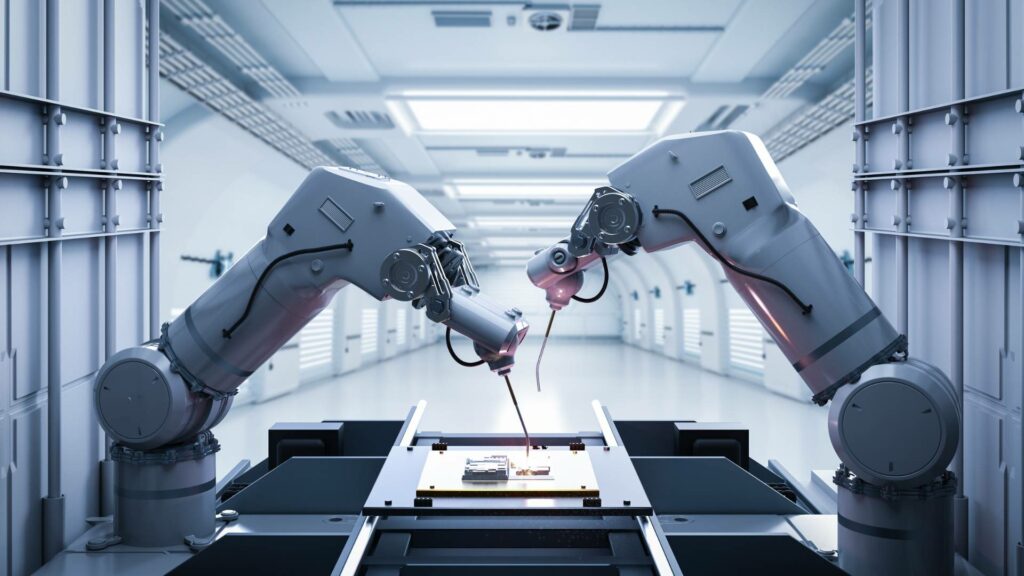

The rise of robotics and automation is one of the most significant technological developments of the 21st century. With machines now performing tasks that were once only the domain of humans, the question of whether robots will kill jobs or create new ones looms large. For decades, experts have debated the impact of automation on the workforce, with some predicting mass unemployment and others arguing that new opportunities will emerge. As technology evolves at an unprecedented rate, this debate continues to gain relevance, and it’s essential to understand the potential implications of these advances for the global economy.
In this article, we will explore the various facets of this complex issue, including the role of robots in job displacement, the potential for new job creation, and the ways in which society can adapt to these changes.
The Rise of Robots: A Snapshot of Current Trends
Automation has been around for quite some time. From assembly lines in the automotive industry to automated checkout systems in supermarkets, robots and machines have already replaced certain jobs. However, the scale and sophistication of modern robotics have taken things to a new level. Technologies like artificial intelligence (AI), machine learning, and advanced sensors are enabling robots to perform tasks that require decision-making, problem-solving, and even human interaction.
In industries like manufacturing, logistics, healthcare, and agriculture, robots are becoming increasingly common. For example, in warehouses, robots can now autonomously retrieve products and prepare them for shipping. In the medical field, robotic surgical assistants are helping doctors perform precise operations with minimal invasion. In agriculture, autonomous machines can plant, water, and harvest crops more efficiently than human laborers.
The benefits of automation are clear. Robots can work faster, more accurately, and for longer periods than humans. They don’t need breaks, can handle dangerous tasks, and can reduce human error. However, these benefits come with the potential downside of job displacement.
The Threat of Job Loss
The fear that robots will replace human workers is not unfounded. As automation becomes more capable, many tasks that were previously performed by people are being handed over to machines. For example, self-checkout stations in supermarkets have already reduced the need for cashiers. In warehouses, automated systems are beginning to replace manual laborers. In industries like manufacturing, robotics has already displaced millions of jobs, and this trend shows no signs of slowing down.
According to some economists, the speed at which automation is advancing could lead to widespread job displacement. In particular, low-skill and repetitive jobs are the most vulnerable. While these jobs have traditionally provided employment for large segments of the population, they are being replaced by machines that can do the same work more efficiently.
However, the fear of mass unemployment due to robots is not universally shared. Some experts argue that robots and automation have the potential to create new types of jobs, even as they displace traditional roles.

Can Robots Create New Jobs?
It’s important to consider that technological advances have historically led to the creation of new industries and job categories. During the Industrial Revolution, for example, the introduction of mechanized farming and factory machines displaced many agricultural and craft workers. Yet, the same technological advancements led to the creation of new industries, such as textiles, transportation, and eventually the tech sector.
Similarly, robots and automation are likely to create new job opportunities, although these jobs may require different skills than the ones that are being displaced. For example, while robots might replace cashiers, they will create demand for technicians who maintain and repair these systems. As robots become more integrated into industries like healthcare, education, and logistics, there will be a need for professionals who can design, program, and manage robotic systems.
Additionally, automation could lead to the creation of entirely new industries. Consider how the development of AI-powered technologies has already spawned sectors such as AI research, machine learning, and data science. These sectors didn’t exist a few decades ago but are now among the most promising and well-paying fields.
The Role of Human Skills in the New Job Landscape
While robots may take over many manual tasks, they are less likely to replace jobs that require creativity, emotional intelligence, or complex decision-making. For example, roles in the arts, education, and healthcare may be less susceptible to automation. Teachers, doctors, nurses, and creative professionals will continue to be in demand, as these professions rely on human empathy, critical thinking, and problem-solving.
In fact, the increasing reliance on robots could create more opportunities for people to focus on these uniquely human skills. With machines taking over repetitive tasks, human workers could shift their focus to more fulfilling and intellectually stimulating roles. For instance, a factory worker who used to spend their day on the assembly line might transition into a supervisory or quality control role that requires overseeing automated systems.
Moreover, the rise of robotics is likely to accelerate the demand for specialized knowledge in fields such as robotics engineering, data analysis, and cyber-physical systems. As a result, education and training programs will need to evolve to prepare workers for these new opportunities.
The Impact on Society and the Economy
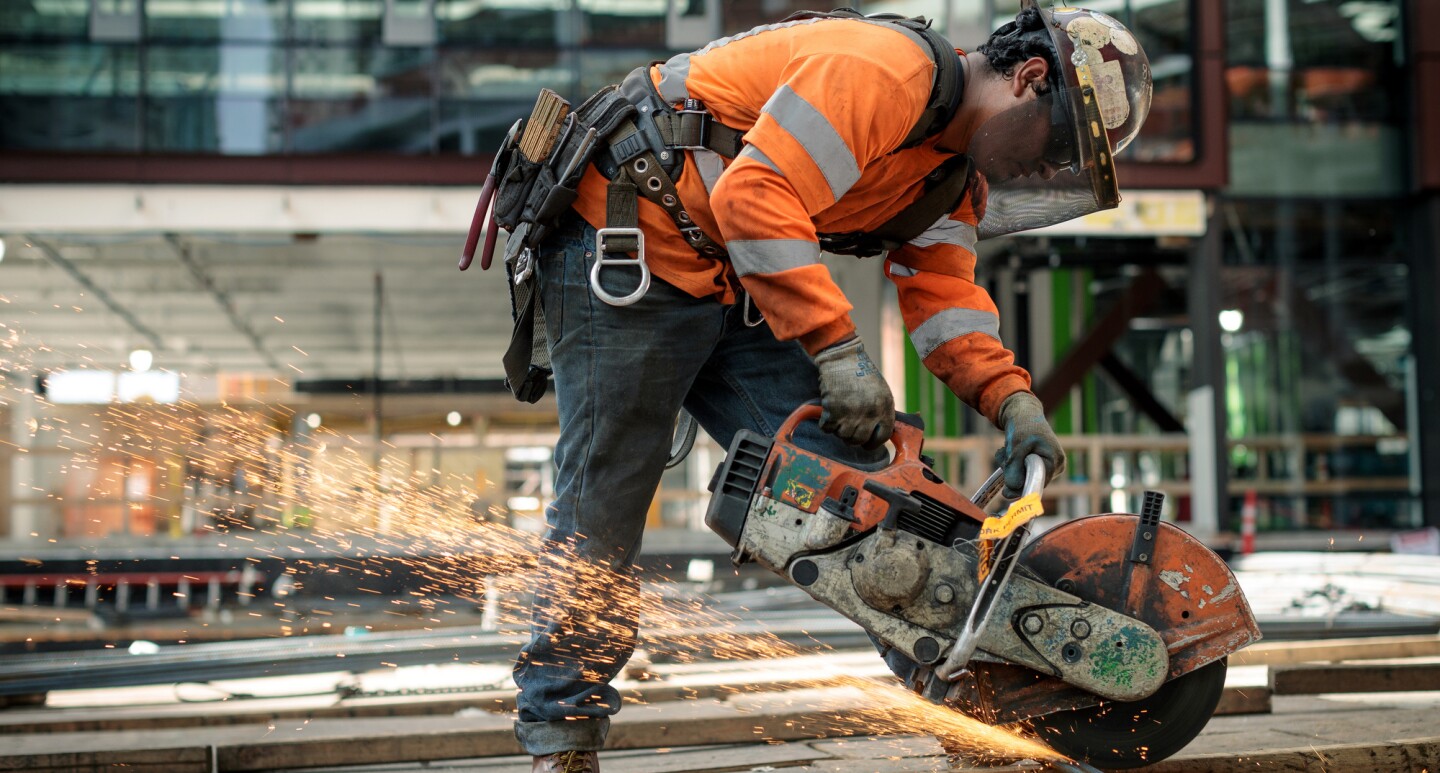
The impact of robotics on jobs is not just a matter of individual careers; it will also affect the broader economy and society. While automation has the potential to increase productivity and lower costs, it could also lead to greater economic inequality. If robots replace a significant number of low-wage workers, the gap between high-skill, high-wage jobs and low-skill, low-wage jobs may widen. This could lead to increased poverty and social unrest, particularly if there are insufficient safety nets to support displaced workers.
Governments and policymakers will need to address these challenges by implementing measures such as universal basic income (UBI), job retraining programs, and initiatives to promote social mobility. By ensuring that workers have the support and resources they need to transition into new roles, societies can help mitigate the negative effects of automation.
The Ethical and Moral Considerations
The rise of robots also raises important ethical and moral questions. Should robots be used to replace human workers, especially in industries where jobs are already scarce? How do we ensure that the benefits of automation are shared equitably, rather than concentrated in the hands of a few corporations or individuals? These are complex questions with no easy answers.
In addition to these economic and social considerations, there are also ethical concerns about the role of robots in more sensitive areas, such as healthcare and caregiving. While robots may offer many benefits in terms of efficiency and precision, there are concerns about the loss of human touch in fields that require empathy and compassion.
For example, robots are increasingly being used in elderly care, where they can assist with tasks like medication administration, mobility assistance, and even companionship. While these advancements can improve the quality of life for elderly people, they also raise questions about the role of human caregivers and the emotional well-being of patients.
The Future of Work: A Balance Between Robots and Humans?
As robots and automation continue to advance, the future of work will likely involve a balance between human workers and machines. While robots will undoubtedly replace some jobs, they will also create new opportunities and allow people to focus on more creative and fulfilling roles. The key to ensuring that automation benefits society as a whole will be the ability to adapt—through education, retraining, and forward-thinking policies.
Robots will not kill jobs, but they will change the nature of work in profound ways. By embracing these changes and preparing for the future, we can ensure that the rise of robots leads to a more innovative, productive, and equitable society.
Conclusion
In the ongoing debate about whether robots will kill jobs or create new ones, the answer likely lies somewhere in between. Automation will undoubtedly lead to job displacement in certain sectors, particularly those involving routine, manual labor. However, it will also create new industries, job categories, and opportunities for people with the right skills. As technology continues to evolve, society must adapt by investing in education, retraining, and policies that support workers through these transitions.
Ultimately, the key to navigating the future of work will be embracing the changes brought about by robotics while also ensuring that no one is left behind. If we approach automation with a sense of responsibility, innovation, and forward-thinking, we can shape a future where robots enhance human potential rather than replace it.