









The rise of humanoid robots in the modern age has sparked a massive debate about their potential in various industries, from labor-intensive sectors to delicate caregiving roles. Among the frontrunners in humanoid robotics, Atlas, Optimus, and Figure have each been developed with distinct strengths and capabilities, all targeting different sets of tasks. But, which one handles the most complex tasks most efficiently?
This article dives deep into each robot’s design, features, tasks, and performance, helping you understand which humanoid robot is best suited for different environments. Whether it’s agility, strength, or the ability to work autonomously in complex environments, we’ll compare these cutting-edge machines in terms of their technical prowess and real-world applications.
Atlas: The Agile Performer
Atlas, developed by Boston Dynamics, is arguably the most well-known humanoid robot globally. This robot has garnered attention for its incredible agility and impressive ability to perform acrobatic feats, which are typically reserved for athletes. With its advanced actuators and cutting-edge motion control algorithms, Atlas excels in high-mobility tasks, such as running, jumping, and even backflips.
But agility isn’t the only thing that sets Atlas apart. It’s also capable of performing dynamic tasks that require balance and coordination, making it a strong candidate for environments where quick movement and adaptability are essential. Some notable features include:
- Advanced Mobility: Atlas can move across rough terrains with ease, making it suitable for tasks like disaster response or search-and-rescue missions where agility and the ability to traverse challenging environments are crucial.
- Human-Like Movements: With sensors all over its body, Atlas mimics human-like movement, allowing it to carry out tasks such as opening doors, lifting objects, and even balancing on one foot while carrying weight.
- AI Integration: Atlas incorporates AI to enhance its mobility. Its deep learning algorithms allow it to process visual data and respond to obstacles, adjusting its actions accordingly.
However, Atlas still faces limitations in terms of its autonomy and task diversity. It is designed primarily for physical tasks and struggles with complex cognitive tasks that involve fine-tuned decision-making.
Optimus: Tesla’s Bold Entry
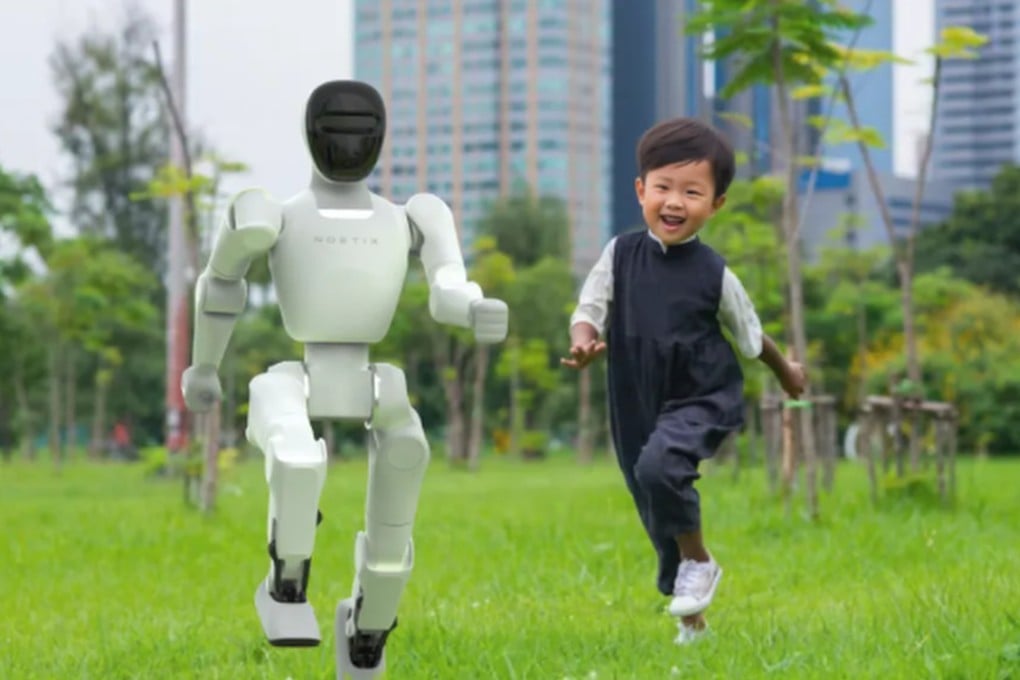
On the other hand, Optimus, developed by Tesla, takes a more comprehensive approach to humanoid robotics. Tesla’s CEO Elon Musk has been vocal about his ambitions to revolutionize industries with Optimus, often positioning the robot as an “AI-powered humanoid worker” that can perform repetitive labor tasks in factories, assist with caregiving, or even work in homes.
The key difference between Optimus and Atlas is that Optimus is designed with a focus on versatility and the ability to perform a broader range of tasks. It aims to integrate artificial intelligence and machine learning to make intelligent decisions, handle complex operations, and interact more seamlessly with humans.
Key features of Optimus include:
- Workplace Applications: Tesla envisions Optimus performing various tasks within manufacturing plants, such as assembly line work, material handling, and equipment maintenance. Optimus is specifically designed for high-repetition tasks, which are currently performed by humans or machines.
- Efficiency: Tesla’s approach involves integrating the latest in battery technology and AI. Optimus is designed to be energy-efficient, which makes it more suitable for long-term operations without requiring constant recharging.
- Collaboration with Humans: Unlike Atlas, which is built to operate in challenging terrains or perform high-skill tasks, Optimus is designed to work side-by-side with humans in a collaborative setting. It can handle routine office tasks like delivery of materials, data entry, or even performing basic caregiving duties.
Optimus is still under development, but it promises to be a significant player in automation. Its versatility, combined with Tesla’s constant improvements in AI, gives it an edge in real-world applications where manual labor is abundant.
Figure: The New Challenger
Figure, developed by a startup company of the same name, is another humanoid robot that has entered the race with an impressive vision. What sets Figure apart from Atlas and Optimus is its human-centric design and goal to tackle tasks involving more cognitive complexity and a combination of manual dexterity and intelligence. Its ambition? To assist in industries such as healthcare, household chores, and even personal care.
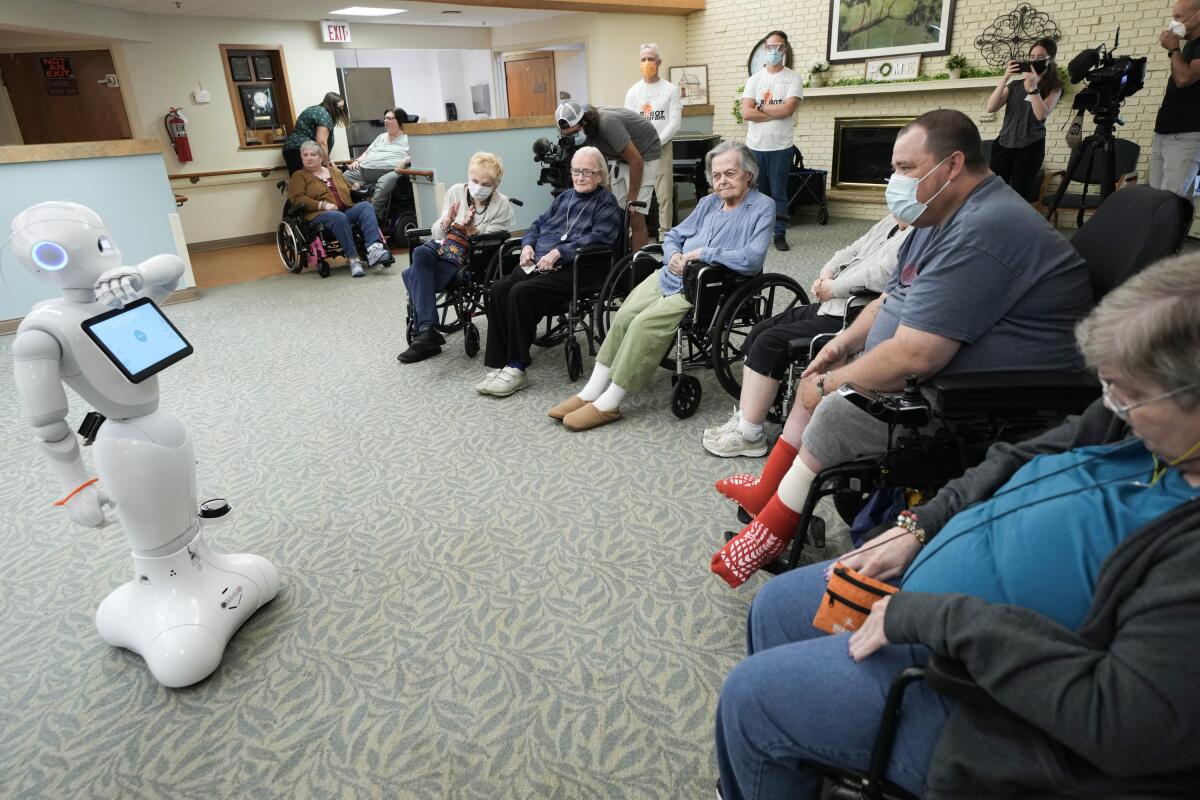
Whereas Atlas focuses on agility and Optimus on versatile workplace efficiency, Figure seems poised to operate in environments where empathy, communication, and intricate manual labor are critical. For instance:
- Healthcare: With the aging population worldwide, the demand for robotic caregiving is rising. Figure aims to fill that gap by assisting in healthcare facilities or private homes, helping patients with basic needs and even providing companionship.
- Home Assistance: Figure is designed to operate in home environments, where it can perform various household chores such as vacuuming, dishwashing, or even making beds. With sensors that allow it to interact with objects gently, it can navigate living spaces and perform tasks autonomously.
- AI-Powered Decision Making: One of the standout features of Figure is its advanced AI system, which allows it to learn over time and adapt to its environment. This is especially important in homes or healthcare settings, where it needs to interact with humans in a sensitive and adaptive manner.
Figure’s focus on both physical and cognitive task execution in more intimate, personal settings makes it an intriguing contender. However, it’s still in the early stages compared to Atlas and Optimus and will need significant advancements in both AI and dexterity to meet the demands of everyday users.
Key Comparisons
- Mobility and Agility: Atlas wins hands-down in terms of mobility and agility. It is designed for challenging environments where quick reflexes and balance are necessary. Its ability to perform flips and navigate rough terrain makes it superior for certain emergency or outdoor tasks.
- Task Diversity: Optimus takes the lead when it comes to versatility in the workplace. Tesla’s vision of a humanoid robot that can perform both routine tasks and interact with humans in real-world environments makes Optimus the most likely to integrate into industries like manufacturing and home-based tasks.
- Human Interaction and Cognitive Ability: While Atlas is excellent for physical tasks and Optimus for repetitive labor, Figure shines in terms of human-centric tasks. With its focus on caregiving and household chores, Figure has the potential to change the landscape of personal and healthcare assistance, blending physical tasks with emotional intelligence.
Conclusion: Which Robot Handles Tasks Best?
If we’re to evaluate which robot handles tasks best, it really depends on the nature of the tasks at hand. Atlas is ideal for physically demanding jobs that require agility and precision, especially in search-and-rescue operations or industrial inspection. Optimus, with its more general-purpose design, is best suited for repetitive tasks in factories and homes. On the other hand, Figure stands out as the best choice for tasks that require more human interaction, emotional intelligence, and dexterous tasks like caregiving or household chores.
As the world moves towards automation, these robots will likely complement each other rather than compete, addressing a variety of roles that were once limited to human hands. The future of humanoid robotics is bright, with each of these robots pushing the boundaries of what’s possible in the realms of artificial intelligence and physical tasks.