








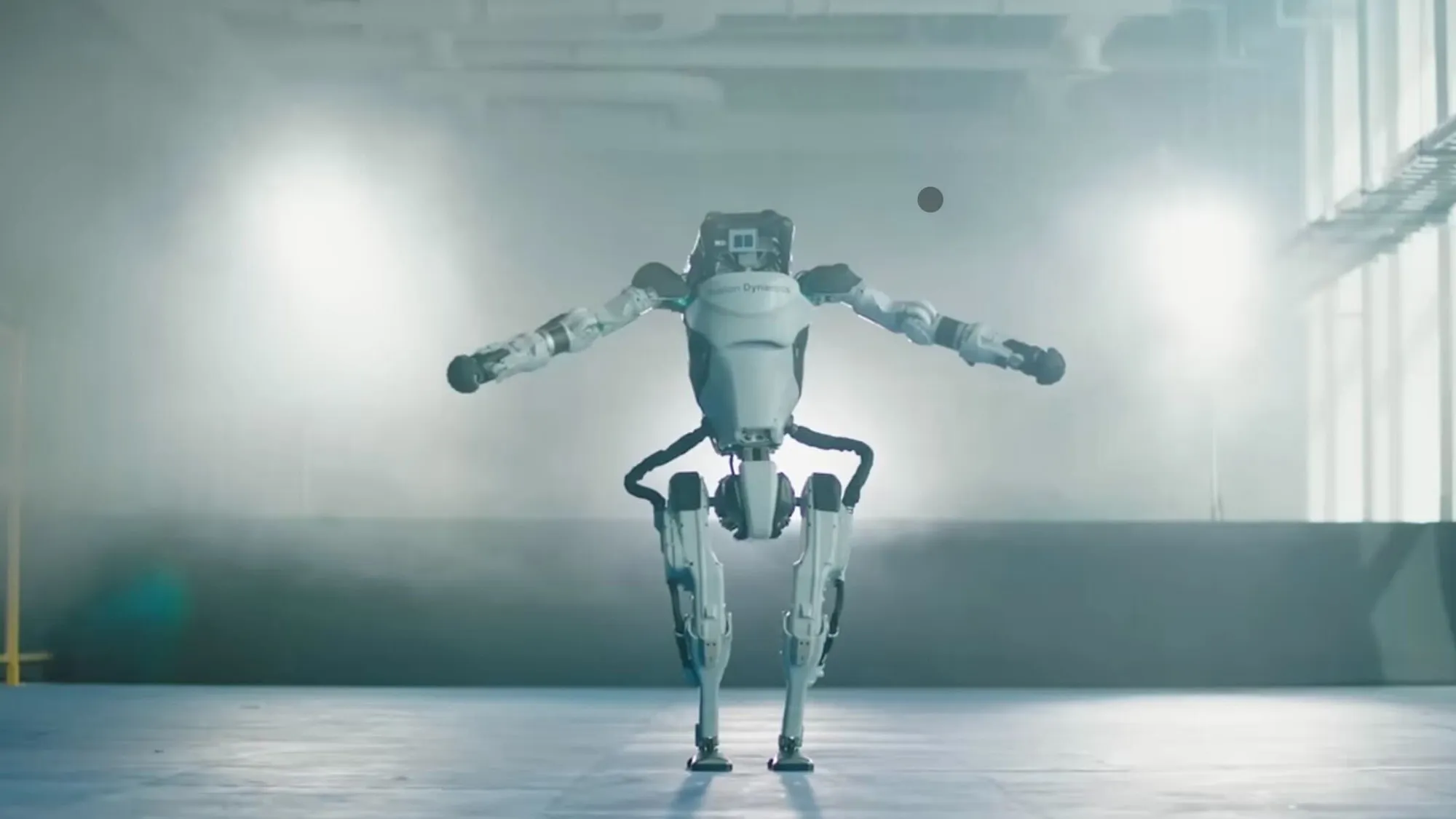

The future of robotics is poised to redefine how we interact with machines in ways that were once the stuff of science fiction. Among the most exciting developments in this field are the humanoid robots being designed by tech giants like Tesla and Boston Dynamics. Tesla’s Optimus and Boston Dynamics’ Atlas are two of the most talked-about humanoids in the market today, and they are making waves for their respective potential in real-world applications. But which one is closer to a practical humanoid robot? Let’s delve into the differences, capabilities, and challenges both face, as well as where the industry is headed.
What Defines a Practical Humanoid?
Before we pit Optimus and Atlas against each other, it’s essential to define what we mean by a “practical humanoid.” At the core, a practical humanoid should be able to perform tasks that humans do on a daily basis. These tasks can range from basic chores like picking up objects and delivering groceries to more complex activities like providing care or operating machinery in hazardous environments.
However, it’s not just about task execution. The robot must have the ability to perceive and understand the world around it, interact with humans in a natural way, and adapt to a variety of situations. This requires a balance of physical dexterity, cognitive ability, and emotional intelligence—three pillars that form the foundation of any humanoid design aiming for practical use.
Tesla’s Optimus: The Vision of Everyday Utility
Tesla’s Optimus (formerly known as the Tesla Bot) was first unveiled by Elon Musk in August 2021. Musk’s vision for Optimus is one of an affordable, mass-market robot that can assist in everyday tasks, making life easier for humans. In Musk’s words, Optimus would be designed to “perform unsafe, repetitive, or boring tasks”—tasks that humans don’t want to do. Think of a robot that could handle mundane chores like cleaning, lifting heavy objects, or even acting as a personal assistant in the home or workplace.
Design and Capabilities
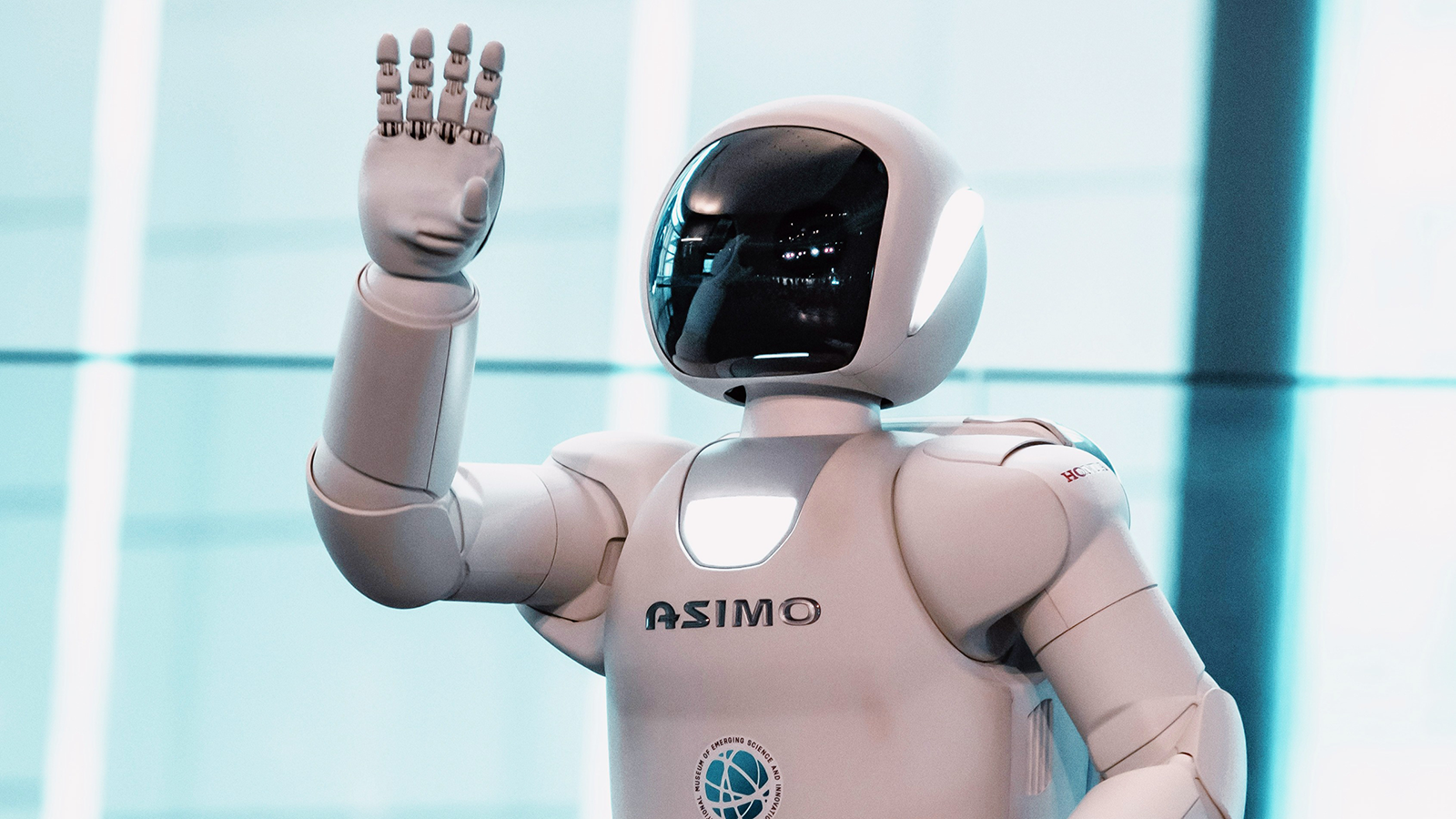
Optimus is built with a humanoid structure, standing at 5’8” tall and weighing around 125 pounds. The robot’s design incorporates Tesla’s existing technologies, including its expertise in electric vehicle (EV) batteries and artificial intelligence (AI) for autonomous driving. The Tesla Bot is equipped with an advanced system of sensors, cameras, and neural networks that enable it to “see” and navigate the environment. Additionally, its ability to learn and adapt to new situations comes from Tesla’s ongoing advancements in AI and machine learning, powered by the same technologies that fuel its self-driving cars.
One of the most impressive features of Optimus is its agility. Unlike traditional robots that rely on fixed programming for specific tasks, Optimus uses machine learning to improve its movements over time. This means that it can become more adept at performing tasks as it interacts with its environment. Tesla’s approach is based on “real-world” learning, where Optimus is not limited by pre-programmed routines but can instead adapt based on real-time experiences.
Limitations
However, as of now, Optimus remains a work-in-progress. While Musk’s ambitious vision is certainly exciting, Tesla has faced significant delays in bringing the robot to a fully operational stage. The robot’s movements are still quite rudimentary, and while it can walk and carry light loads, its dexterity is far from perfect. Moreover, there are concerns around the safety and reliability of the robot in uncontrolled environments—will it truly be capable of handling tasks like cooking, childcare, or other complex chores?
Still, the potential is immense. If Tesla can overcome the current challenges, Optimus could revolutionize the workforce, providing an affordable alternative to human labor in a variety of industries.
Boston Dynamics’ Atlas: The Athlete of Robotics
If Optimus represents the vision of a versatile, everyday helper, then Atlas from Boston Dynamics is the humanoid built for performance. Atlas is designed for agility and physical feats, making it more of a “robot athlete” than a utility assistant. Since its inception in 2013, Atlas has gone through several iterations, with the latest version showcasing remarkable feats of balance, agility, and coordination.
Design and Capabilities
Standing at about 5’9″ and weighing 190 pounds, Atlas has a robust, athletic build. The robot is powered by hydraulics and electric motors that allow it to execute complex movements. Its primary focus is on movement and agility—things like running, jumping, flipping, and even parkour. Atlas is equipped with a range of sensors that allow it to map its environment, avoid obstacles, and maintain balance while executing complex movements.
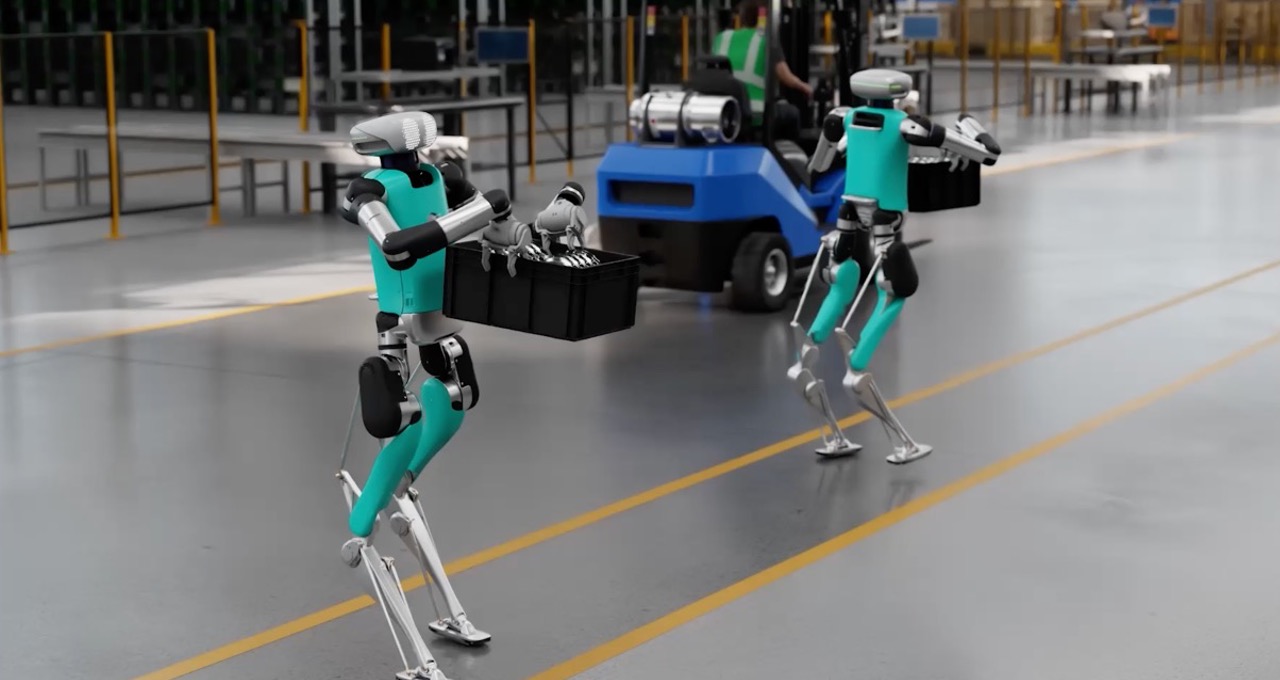
Unlike Optimus, which is intended for everyday tasks, Atlas has been primarily developed as a research platform to explore the boundaries of what humanoid robots can do in terms of movement and interaction with the environment. Atlas can perform backflips, jump over obstacles, and even walk on uneven terrain. The robot’s movements are fluid and highly coordinated, something that sets it apart from many other robots on the market today.
Limitations
Despite Atlas’s impressive physicality, it still faces significant challenges in terms of practical utility. Its primary focus is on research and exploration of physical capabilities rather than task-oriented functionality. While its agility is remarkable, the robot still lacks the fine motor skills necessary for performing delicate tasks. Furthermore, Atlas is not designed for long-term autonomous operation in uncontrolled environments, which means that it’s still far from being a “practical” humanoid for everyday use.
Atlas is also much more expensive to develop and maintain than a robot like Optimus, which relies heavily on Tesla’s existing technology. The primary goal of Atlas is to push the boundaries of what humanoid robots can achieve in terms of movement, and it may not be intended for widespread commercial use in the same way that Optimus is.
Which One is Closer to a Practical Humanoid?
While both Optimus and Atlas are groundbreaking in their own right, they are quite different in terms of purpose, design, and potential for practical use. Here are some key points of comparison:
- Purpose:
- Optimus is designed with utility in mind—handling everyday tasks that make life easier for humans.
- Atlas, on the other hand, is more of a “showcase” of what a humanoid robot can do in terms of agility and physical performance.
- Technology:
- Tesla leverages its AI expertise from autonomous driving, making Optimus an intelligent assistant capable of learning and adapting.
- Atlas’s strength lies in its highly sophisticated movement algorithms, designed for agility and coordination, with less focus on cognitive capabilities.
- Practicality:
- Optimus aims to be an affordable, versatile robot that can serve in real-world scenarios, like helping with housework, personal assistance, and even working in industrial settings.
- Atlas is impressive but still more of a research platform and is far from practical for everyday use in a non-controlled environment.
- Development Stage:
- Optimus is still in early stages, and Tesla faces challenges in making it a fully functional humanoid.
- Atlas, while highly advanced in terms of physicality, isn’t yet a practical humanoid either, as its focus is more on movement research rather than task performance.
In conclusion, Optimus is closer to being a practical humanoid robot for everyday tasks, while Atlas is more about pushing the boundaries of what humanoid robots can physically achieve. Optimus has the advantage in terms of its potential for widespread use, but much work remains to be done in terms of its actual deployment in the real world.
Looking Ahead: The Future of Humanoids
The race between Optimus and Atlas is just one aspect of the broader humanoid robot revolution. As both companies continue to refine their robots, it’s clear that the future of humanoid robotics will depend on a balance between physical prowess and cognitive intelligence. The real question isn’t whether robots like Optimus or Atlas will change the world, but how soon they will do so—and which of these robots will help usher in the next phase of automation and human-robot interaction.