








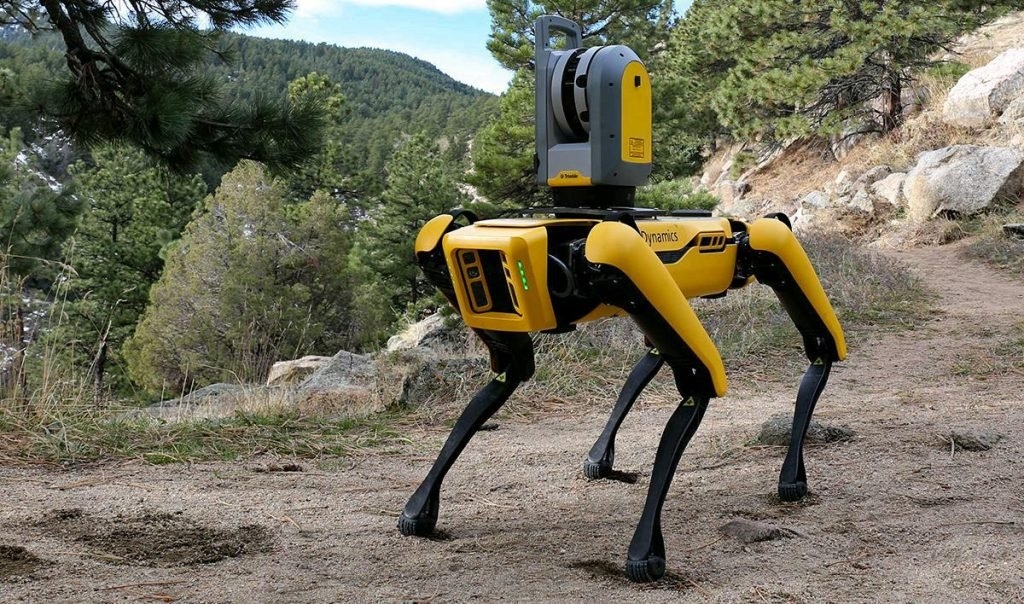

The race to dominate the world of autonomous robotics is heating up, with two of the most intriguing players in the field—Figure AI and Boston Dynamics—vying for supremacy. Both have earned recognition for their groundbreaking advances in robotics, but the question remains: can Figure AI outperform Boston Dynamics in real-world autonomy? To explore this question, we need to examine the unique strengths, challenges, and potential trajectories of these two entities in the complex world of robotics and artificial intelligence (AI).
The Rise of Autonomous Robotics
In the last decade, we’ve witnessed a dramatic evolution in robotics, particularly in autonomous systems. From humanoid robots to AI-driven machines, the capabilities of these devices have expanded far beyond early expectations. The challenge now lies not just in developing robots that can perform specific tasks, but in creating machines that can navigate the world independently, interact with people, and even learn from their experiences in real-time.
Boston Dynamics, the renowned robotics company, has long been a leader in the field. With robots like Spot and Atlas, it has set new standards for mobility, agility, and precision. Spot, for instance, is a quadruped robot capable of navigating challenging environments, while Atlas, a humanoid robot, can perform acrobatic feats such as backflips. However, Boston Dynamics’ robots are still primarily pre-programmed, requiring a human operator or specific environment setup to function optimally. This brings us to Figure AI, a newcomer in the world of autonomous robotics, but one that is rapidly pushing boundaries with its innovative approach.
Figure AI: The New Kid on the Block
Figure AI is a startup focused on developing advanced humanoid robots with an emphasis on real-world autonomy. Unlike Boston Dynamics, which initially concentrated on creating robots with specific movement capabilities, Figure AI has set its sights on crafting a robot that can perform general-purpose tasks autonomously in a dynamic environment. The company’s flagship robot, the Figure 01, is a humanoid designed to walk, manipulate objects, and operate in human environments without the need for explicit programming or human supervision.
What sets Figure AI apart is its ambition to integrate cutting-edge AI with robotics in a way that allows for real-time learning and decision-making. While Boston Dynamics’ robots are impressive in their ability to move and interact with physical environments, Figure AI is focusing on creating a robot that can adapt to its surroundings in an intelligent manner. This opens up vast potential for real-world autonomy—robots that don’t just follow pre-programmed commands but learn from their environment and make decisions on their own.
The Evolution of AI and Autonomy
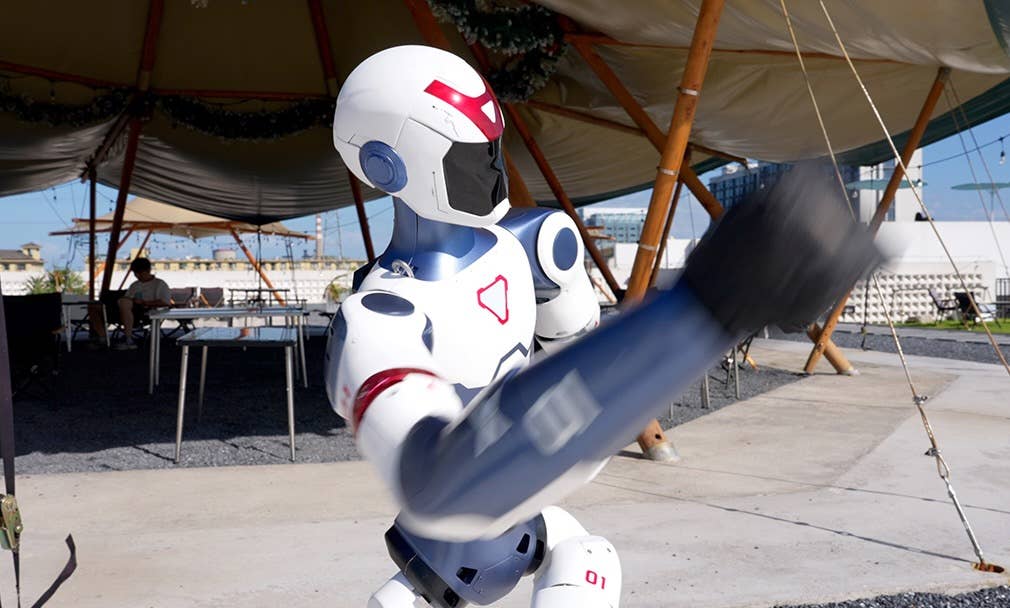
The key to success in the world of autonomous robotics lies in AI’s ability to enable machines to make sense of the world in the same way humans do. For robots to function autonomously, they must possess the ability to perceive their environment, make decisions, and take action based on real-time data. The journey from simple pre-programmed tasks to true autonomy requires machines to integrate information from various sensors, process that data, and then execute tasks efficiently and safely.
Boston Dynamics has made significant strides in this area, particularly with the Spot robot, which can avoid obstacles, open doors, and even navigate uneven terrain. However, its autonomy is somewhat limited, as it relies heavily on human input for higher-level decision-making. Figure AI, on the other hand, is attempting to push the envelope by using AI to enable its robots to operate with minimal human intervention. This involves sophisticated computer vision, deep learning algorithms, and advanced perception systems, all of which help the robot understand and interact with the world in real-time.
Real-World Challenges for Autonomous Robots
While both Boston Dynamics and Figure AI are achieving remarkable advancements, there are still significant challenges that must be addressed for true real-world autonomy to be achieved. These include issues related to perception, decision-making, and the ability to interact with a wide range of objects and environments.
Perception is one of the most critical aspects of autonomy. For a robot to function independently, it must have a deep understanding of its environment. This includes detecting objects, identifying potential hazards, and determining the best course of action in real-time. While Boston Dynamics robots excel in mobility and interaction with specific environments, their perception systems are still limited by the data they can process. They might be able to navigate a factory floor or an office building, but when it comes to unpredictable environments or new types of interactions, they still struggle.
On the other hand, Figure AI is building a robot that can learn and adapt to diverse environments without pre-programmed constraints. Their robots are designed to continuously refine their decision-making processes through AI-powered learning, potentially allowing them to handle new environments and tasks more effectively. However, achieving this level of flexibility requires sophisticated algorithms, powerful sensors, and vast amounts of data—challenges that Figure AI is still working to overcome.
Mobility and Physical Capabilities
One area where Boston Dynamics has a clear advantage is in the physical capabilities of its robots. With robots like Atlas and Spot, Boston Dynamics has demonstrated unparalleled dexterity and mobility. Atlas can perform parkour-style moves, jump across obstacles, and balance on one leg, showcasing its advanced physicality. These robots are capable of navigating complex environments, from rough outdoor terrain to indoor spaces, with exceptional agility.
Figure AI, by contrast, has focused on creating humanoid robots. While humanoid robots have distinct advantages in terms of interacting with human environments, they also face more challenges in terms of mobility and stability. Walking, running, and climbing stairs are tasks that require precise balance and coordination, which are difficult for robots to master. Figure AI’s humanoid robots must overcome these physical hurdles to compete with the agility and mobility demonstrated by Boston Dynamics’ robots.
The Importance of Learning and Adaptation
In the quest for real-world autonomy, the ability to learn and adapt is crucial. Figure AI has placed a strong emphasis on creating robots that can learn from their environment and improve their performance over time. This includes machine learning algorithms that allow robots to better understand and navigate their surroundings, as well as the ability to manipulate objects in a way that is intuitive and responsive to changes.
This focus on learning and adaptability sets Figure AI apart from companies like Boston Dynamics, which, while impressive in their engineering feats, have not yet integrated true adaptive learning in their robots. The result is that Figure AI robots could eventually perform a much wider range of tasks autonomously, making them more suited to real-world, unstructured environments like homes, hospitals, or even disaster zones.
AI Ethics and Implications for the Future
As the capabilities of autonomous robots continue to grow, the question of ethics becomes increasingly important. With robots becoming more autonomous, there are concerns about the potential loss of human jobs, as well as the moral implications of relying on robots for tasks traditionally performed by people. Additionally, issues related to privacy and security will be critical as robots become more integrated into our everyday lives.
Both Boston Dynamics and Figure AI will have to navigate these ethical challenges as their robots move from controlled environments to more complex, unpredictable real-world scenarios. The question of who is responsible when a robot malfunctions or causes harm will become increasingly significant, particularly as robots are entrusted with more tasks traditionally handled by humans.
The Future of Autonomous Robotics
Looking to the future, both Boston Dynamics and Figure AI are likely to continue advancing their robots’ capabilities. Boston Dynamics has already made significant inroads into autonomous mobility and physical interaction, but its robots still require human supervision for higher-level decision-making. Figure AI, with its emphasis on AI-driven autonomy, may eventually create robots that can perform complex tasks without human oversight.
Ultimately, the question of whether Figure AI can outperform Boston Dynamics in real-world autonomy will depend on how well it can integrate advanced AI with the physical capabilities of its robots. Figure AI’s approach is bold, aiming for a level of independence and adaptability that could define the next generation of autonomous robots. However, Boston Dynamics has proven its robots can work effectively in real-world environments, with reliability and efficiency that many autonomous systems still struggle to match.
Both companies represent exciting futures in robotics, and as the technology evolves, it will be fascinating to see which approach—AI-driven learning or precision mobility—ultimately proves to be the key to achieving true real-world autonomy.