









Introduction
The intersection of robotics, artificial intelligence, and vision systems has long captured the imagination of engineers, scientists, and philosophers alike. One of the most intriguing questions within this domain is: can a robot teach itself locomotion through vision alone? This question challenges our understanding of autonomous learning and self-improvement, raising exciting possibilities for the future of robotic design.
Locomotion—the ability of a robot to move and interact with its environment—is an essential feature for a wide array of applications, from self-driving vehicles to healthcare robots. Traditionally, robots have been taught to move through pre-programmed instructions or by using complex sensor systems, such as LIDAR, accelerometers, and gyroscopes. However, the question arises whether a robot can independently develop its movement abilities using just its vision system. This challenge involves creating systems capable of learning from visual input without relying on other sensors or pre-programmed data.
In this article, we will explore the fundamental principles that could enable robots to learn locomotion through vision alone, examine the technical challenges involved, and discuss the broader implications for robotics and artificial intelligence.
The Science Behind Locomotion
Before diving into how robots could learn locomotion through vision, it’s essential to understand the basics of how locomotion works in biological systems. Animals, including humans, rely heavily on sensory inputs like vision to learn how to move through the world. From a young age, we use visual cues to guide our actions, adjust our posture, and make decisions about how to navigate obstacles.
For example, a baby learning to crawl or walk relies on its eyes to gauge the distance to objects, assess terrain, and detect changes in the environment. These visual cues are processed by the brain, which translates them into motor commands that guide muscle movement. The brain then receives feedback from proprioceptors (body position sensors) and adjusts actions accordingly.
In robotics, this process is far more complex but not fundamentally different. A robot must have sensors that allow it to “see” its surroundings, interpret the data, and then make decisions about movement. This kind of learning, known as visual-based learning or vision-guided locomotion, is the focus of much current research in robotics and artificial intelligence.
Vision-Based Learning in Robots
In recent years, advances in computer vision and deep learning have opened up new possibilities for robots to learn from visual input. Vision-based learning enables robots to understand their environment, recognize objects, and navigate spaces by interpreting the visual data from cameras or other imaging systems.
One key technique in vision-based learning is convolutional neural networks (CNNs), which are a type of deep learning algorithm. CNNs are particularly well-suited for processing image data and can identify patterns, objects, and features in images. These networks can be trained using vast amounts of labeled data to recognize environments, people, or objects, allowing the robot to react accordingly.
However, for a robot to learn locomotion, the challenge extends beyond recognizing objects and environments. It must also figure out how to move effectively in response to the visual information it receives. This requires a combination of vision-based learning with a robust control system that can translate visual cues into motor commands. The robot must essentially teach itself how to move in ways that are fluid, adaptive, and efficient, just as humans learn to walk and run through trial and error.
How Could a Robot Learn Locomotion Through Vision?
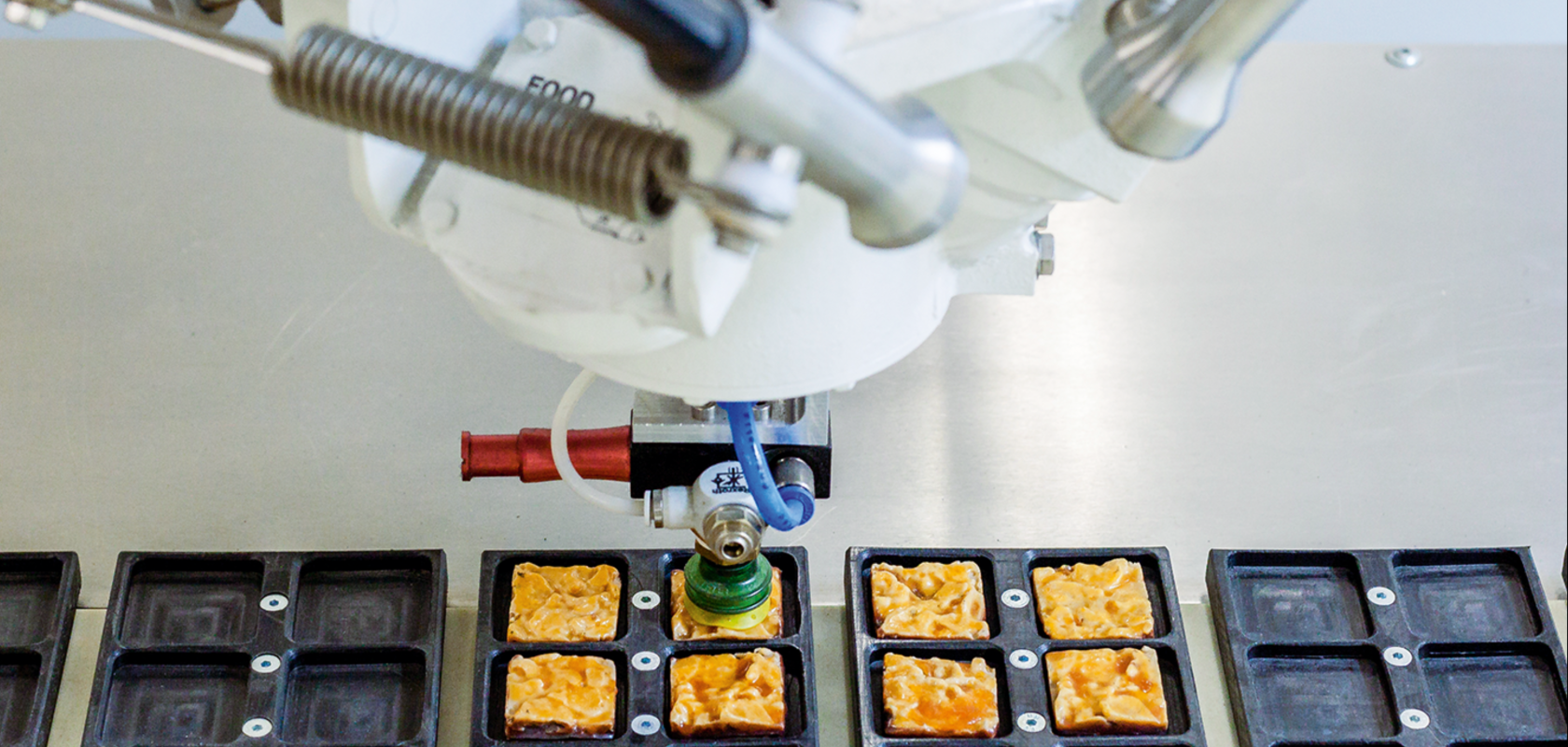
The potential for a robot to teach itself locomotion through vision lies in the development of vision-based reinforcement learning (RL). Reinforcement learning is a type of machine learning where an agent (in this case, a robot) learns how to perform actions by interacting with its environment and receiving feedback in the form of rewards or penalties. Through this process, the robot can discover which actions lead to the most favorable outcomes, refining its movement strategies over time.
1. Setting Up a Vision System
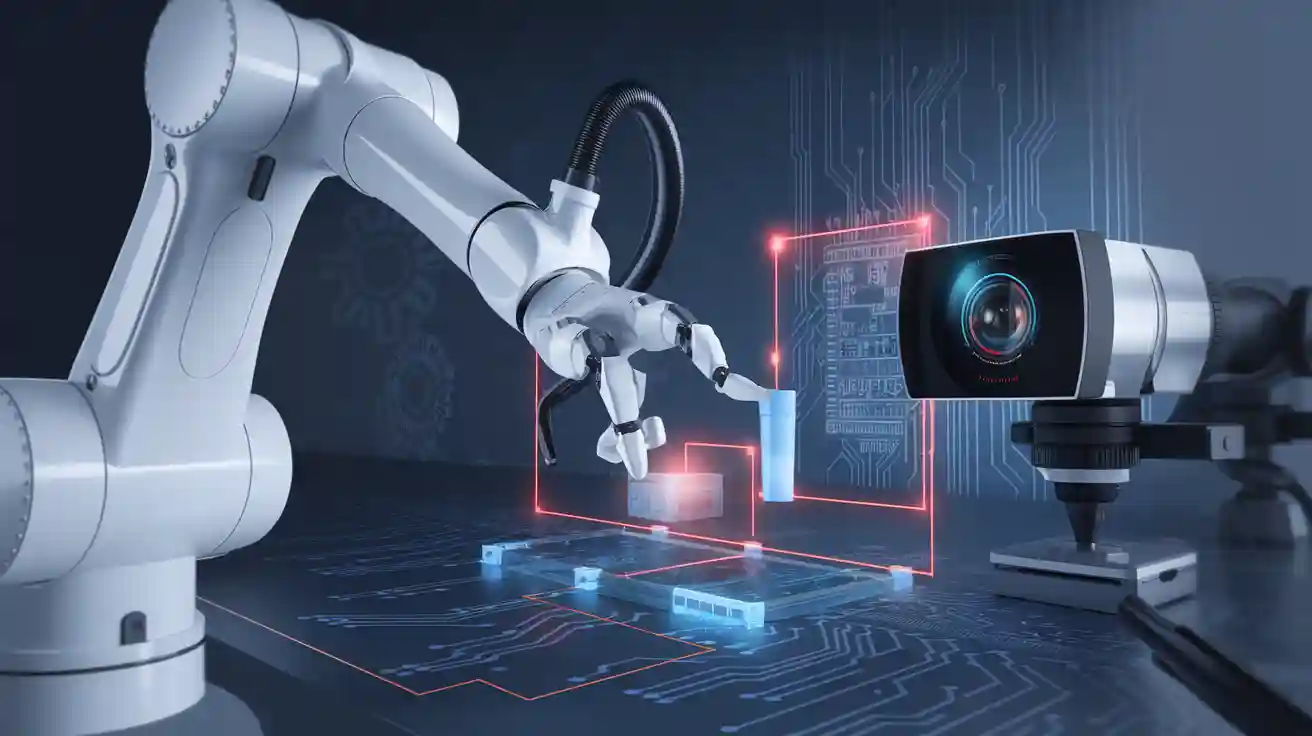
The first step in enabling vision-based locomotion is equipping the robot with a vision system. Typically, this would involve using one or more cameras that capture a continuous stream of images of the environment. The robot must be able to process this visual data in real-time to make decisions about its movement.
2. Learning to Interpret the Environment
Once the robot has access to visual data, it needs to learn how to interpret the environment around it. This includes recognizing obstacles, paths, and other objects that may influence its movement. Using deep learning techniques, the robot can analyze patterns in the images to distinguish between various types of terrain, objects, or hazards.
For example, if the robot is moving in a cluttered room, it may need to identify furniture and walls to avoid collisions. It might also learn to identify pathways or open spaces where it can move freely.
3. Motor Command Generation
Once the robot has a visual understanding of its environment, it needs to generate motor commands that control its movements. In traditional robotic systems, motor commands are pre-programmed or derived from sensor data like LIDAR or accelerometers. However, in a vision-only system, the robot would rely on its ability to connect visual information with motor actions.
This is where reinforcement learning comes into play. The robot would be trained using a trial-and-error process, attempting different movements and receiving feedback based on its success or failure in navigating the environment. For example, the robot might try to move forward, backward, or turn in response to different visual cues. If it successfully avoids an obstacle, it receives a reward; if it collides with something, it receives a penalty. Over time, the robot refines its movements, gradually improving its ability to navigate and adapt to new environments.
4. Simulating Real-World Scenarios

To accelerate the learning process, robots can be trained in simulated environments before being tested in the real world. This approach, known as sim2real (simulation-to-reality), allows robots to experiment with various movements without the risk of damaging themselves or their surroundings. Using simulated worlds, robots can quickly learn how to adapt their movements in response to visual cues, refine their behavior, and transfer that knowledge to real-world situations.
For example, a robot could be trained in a virtual environment with various obstacles and terrain types. As it learns to navigate this simulated world, it can develop strategies for locomotion that can be transferred to a real-world scenario. This process has been used in a variety of fields, including autonomous vehicles and robotic surgery.
Challenges of Vision-Based Locomotion
While the concept of vision-based locomotion is exciting, it is far from easy to implement. There are several challenges that must be overcome to enable robots to teach themselves movement through vision alone.
1. Sensor Limitations
Despite advances in camera technology, visual sensors still have limitations. Factors like poor lighting, occlusions, and rapid movement can make it difficult for a robot to accurately interpret its surroundings. In real-world environments, objects may appear blurry or distorted, and the robot may struggle to distinguish between different types of obstacles.
To overcome these challenges, robots would need highly advanced vision systems capable of handling a variety of environmental conditions. This could include multi-modal sensor fusion, where visual data is combined with other sensory inputs, such as sound or touch, to create a more comprehensive understanding of the world.
2. Real-Time Processing
Another major challenge is the need for real-time processing. Robots must process visual information and generate motor commands almost instantaneously to navigate the environment effectively. This requires advanced computing power and highly optimized algorithms capable of making decisions quickly and accurately.
3. Uncertainty and Ambiguity
Real-world environments are full of uncertainty and ambiguity. A robot may encounter situations where visual data alone is insufficient to determine the best course of action. For example, if the robot is trying to navigate a crowded space, it may not be able to clearly distinguish between people and other objects. This introduces a level of unpredictability that makes it difficult for the robot to rely on vision alone to make decisions.
To address this, robots may need to incorporate additional strategies, such as probabilistic reasoning or planning, to handle uncertain situations effectively.
The Future of Self-Learning Robots
Despite the challenges, the potential for robots to teach themselves locomotion through vision is a promising avenue for research. As artificial intelligence, machine learning, and computer vision continue to advance, the ability of robots to autonomously learn complex tasks like locomotion will only improve. These developments could lead to significant breakthroughs in robotics, allowing for more adaptable, efficient, and autonomous robots.
The future of self-learning robots could have profound implications for industries such as healthcare, transportation, and entertainment. For example, robots that can navigate complex environments using only vision could be used in disaster recovery scenarios, elderly care, or even space exploration. In these contexts, robots that can adapt to changing environments without relying on pre-programmed movement patterns or external sensors would be invaluable.
Conclusion
The idea of a robot teaching itself locomotion through vision alone is both challenging and inspiring. While there are still significant obstacles to overcome, advances in computer vision, machine learning, and robotic control systems are paving the way for this ambitious goal. By combining reinforcement learning with vision-based systems, robots have the potential to develop sophisticated movement abilities that allow them to interact with the world in more autonomous and flexible ways.
As technology continues to evolve, it’s likely that we will see more robots capable of learning locomotion through vision, opening up new possibilities for automation and artificial intelligence. The future of robotics is bright, and the ability of robots to teach themselves locomotion through vision could be a major step forward in creating more intelligent and adaptable machines.