








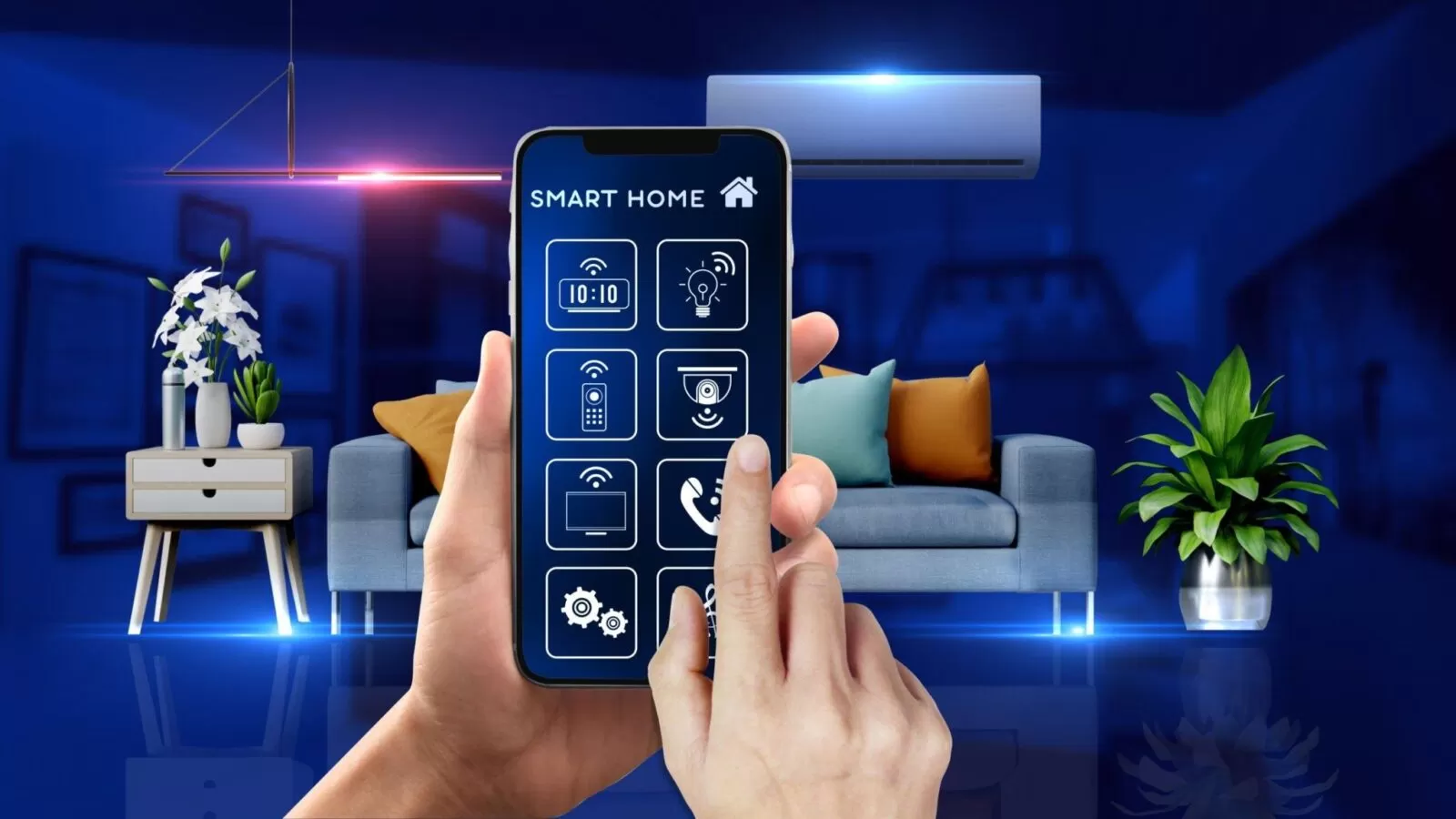

In recent years, as technology has progressed, robots have steadily become an integral part of our daily lives. From smart assistants like Amazon’s Alexa to self-cleaning robotic vacuums, these machines are increasingly taking on roles once reserved for humans. While the convenience they offer is undeniable, the rise of home robotics raises important questions about personal privacy. Do robots compromise our privacy at home? Are we unknowingly inviting surveillance into our homes? In this article, we will explore the various ways robots could potentially threaten personal privacy and what steps we might take to safeguard it.
The Rise of Domestic Robots
Robots, once confined to industrial or laboratory settings, are now a common sight in many homes. Advances in artificial intelligence (AI), machine learning, and robotics have allowed these machines to perform tasks that once required human intervention. Today, we have smart home systems, personal assistants, robotic cleaners, even robotic pets.
The most common form of domestic robots are automated systems that learn from user behavior. These devices often collect vast amounts of personal data to optimize their performance. For instance, smart thermostats learn your heating preferences over time, while robotic vacuums map out your home to clean more efficiently. At the surface, these innovations improve convenience, but they also introduce risks.
The Privacy Concerns
The more interconnected a robot is, the more data it can gather. As smart devices become increasingly autonomous, they require access to your personal information. While this is often limited to basic user preferences—such as music playlists or room layout—some devices can collect far more sensitive data.
1. Data Collection
Many home robots are designed to collect data in order to improve their functionality. For instance, a smart speaker may record your voice commands, while a robot vacuum may map the interior of your home. This data could, in theory, be used for purposes other than improving functionality—such as targeted advertising or sold to third parties. These machines often store the data they collect, and if compromised, this information could potentially be leaked or used maliciously.
2. Surveillance
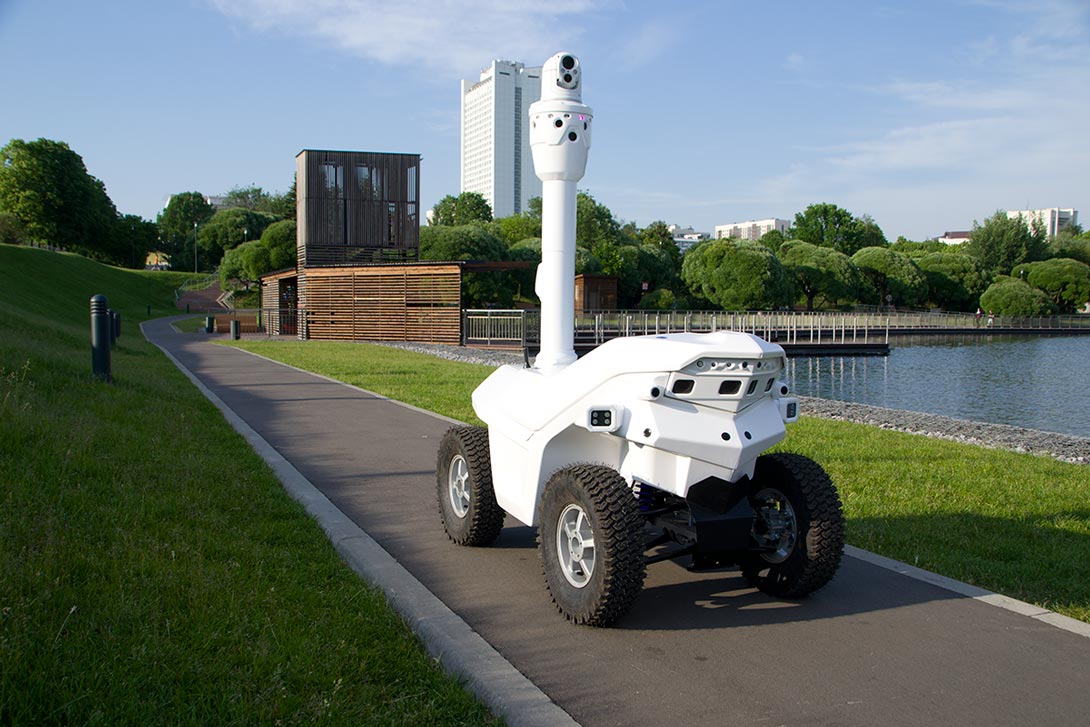
Some robots are equipped with cameras and sensors that can capture images, video, and even sound. These devices can inadvertently record private moments in a home, creating a constant surveillance environment. For example, a robot vacuum that has built-in cameras could record footage of your personal life as it navigates your home. While these devices are often marketed as being “secure,” the reality is that they could become hacking targets, enabling criminals to access sensitive footage.
3. Third-Party Access

A major concern is that many robots are connected to the cloud or external servers, which introduces the risk of unauthorized access. Data collected by robots may be stored on servers owned by third-party companies. If these companies experience data breaches or decide to use the data for commercial purposes, there is little recourse for individuals. The lack of transparency in how data is handled, stored, and shared only adds to the growing concerns about privacy.
4. Behavioral Analysis
One of the more insidious privacy concerns with robotic devices is their ability to monitor and analyze user behavior. Smart home devices can track when you’re home, what you’re doing, and even your emotional responses. AI algorithms can analyze voice patterns, facial expressions, and body language, giving these machines an unprecedented ability to read your mood or anticipate your needs. While this can be used to tailor user experiences, it also creates an unsettling level of insight into your personal life, leading to potential misuse or manipulation.
The Ethical Dilemma
The privacy risks posed by robots at home are tied to a deeper ethical dilemma: how much autonomy should robots have, and what limits should be placed on their data collection?
1. Consent
One of the most significant ethical issues surrounding robots in the home is the question of consent. Users often agree to terms and conditions without fully understanding the extent of the data being collected or how it will be used. Should robots be allowed to collect data without explicit, informed consent? How can we ensure that privacy laws keep pace with rapidly evolving technology?
2. Accountability
If a robot collects personal data or engages in surveillance without a user’s knowledge, who is responsible? Is it the manufacturer, the software developers, or the user who allowed the device into their home? As robots gain more autonomy, determining who is liable in cases of privacy violations becomes more complex.
3. Informed Choices
Consumers must be equipped with clear and accessible information about the privacy implications of the devices they are purchasing. Right now, many consumers may not fully realize how much data is being collected by their robots, or how easily this information could be misused. The ethics of transparency in robotic data collection is a critical area that requires attention from regulators and manufacturers alike.
Technological Safeguards
As concerns about privacy mount, there are ways in which technology can mitigate some of these risks. Manufacturers and developers are implementing certain safeguards to address privacy concerns in the era of robotics.
1. Data Encryption
One of the most effective ways to protect privacy is through data encryption. By encrypting the data collected by robots, manufacturers can ensure that even if hackers gain access to the information, they cannot use it. Robust encryption also helps secure the transmission of data between robots and their servers.
2. User Control
Giving users more control over what data is collected and how it is shared is another crucial step. Devices could offer clear and easily accessible privacy settings that allow users to opt-out of certain types of data collection. For example, users should be able to disable voice recording features or restrict camera access if they are uncomfortable with the idea of surveillance.
3. Secure Cloud Storage
Many robots rely on cloud storage to store user data. Ensuring that this data is stored securely is essential to maintaining privacy. Cloud storage providers must implement industry-standard security practices, such as multi-factor authentication, to prevent unauthorized access to personal information.
4. Transparency and Regulation
Governments and regulatory bodies need to take an active role in defining the boundaries of robot data collection and usage. Stronger regulations could mandate that manufacturers be more transparent about the data they collect and how it is used. Regulations could also enforce periodic audits of robotic systems to ensure that privacy protocols are being followed.
Privacy vs. Convenience
At the heart of the debate over robots and privacy lies a fundamental trade-off between convenience and security. Robotic devices make life easier—by automating mundane tasks and offering personalized services. However, the more a robot is tailored to individual needs, the more it learns about the person it serves. This trade-off requires users to weigh the convenience of a robot against the potential risks to their privacy.
The Future of Robotics and Privacy
Looking ahead, the landscape of domestic robotics is poised to grow even more advanced. Robots may soon take on more complex roles, such as caregiving for the elderly or providing mental health support. These robots will likely need to gather even more data to perform their tasks effectively.
As such, the need for robust privacy protections will only intensify. We may see an increase in the development of privacy-first robotic systems—devices designed from the outset with privacy in mind. The future of home robotics could include greater transparency in data collection practices, stronger encryption methods, and more user control over how data is managed.
Ultimately, as robots become an even more integral part of our lives, society will need to strike a balance between leveraging their potential and safeguarding personal privacy. The debate is ongoing, and it is up to consumers, developers, and regulators to work together to ensure that robots enhance our lives without compromising our most fundamental right: privacy.