








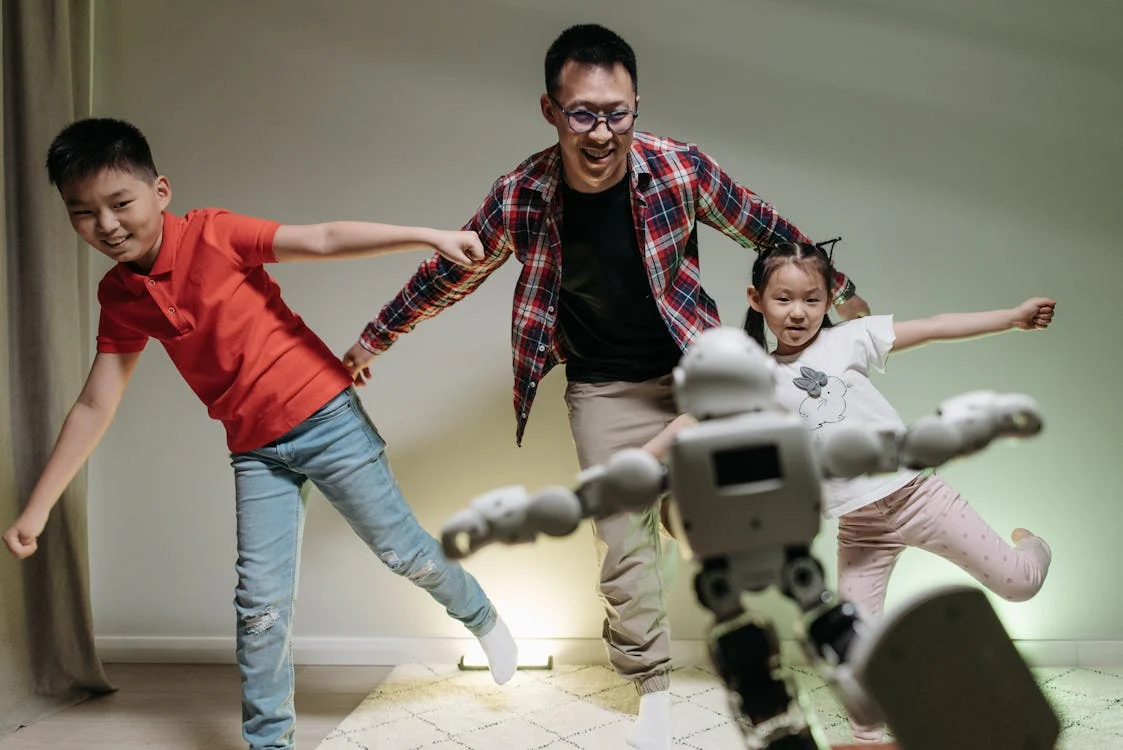

Robots are no longer the stuff of science fiction. From smart vacuum cleaners to artificial intelligence assistants and autonomous vehicles, robots have become an integral part of our daily lives. But how exactly will robots reshape our future? The influence of robotics extends far beyond household chores or factory floors—it will fundamentally alter family dynamics, work-life balance, and even how we interact with the world. This article explores how robots will impact everyday life and the family unit, while diving into the ethical, social, and economic implications of this technological shift.
The Rise of Domestic Robots
One of the most visible and immediate effects robots will have on everyday life is in the home. Household robots, such as robotic vacuum cleaners, lawnmowers, and even window washers, have already started to make tasks more efficient. However, the future promises more advanced robots capable of performing a wider array of functions.
1. Household chores
Household chores have traditionally been a time-consuming burden, especially for working parents. The introduction of more capable robots can relieve individuals of mundane tasks. Imagine a robot that not only vacuums your floor but also cooks meals, does the laundry, and folds clothes. These domestic assistants will significantly reduce the time people spend on chores, allowing them more time for relaxation, work, or spending time with their families.
2. Child and elderly care
Robots in caregiving roles could become more common in the near future. Elderly people, in particular, could benefit from companion robots that assist with daily activities such as medication reminders, mobility assistance, or even social interaction. These robots could be especially useful in families where members cannot afford professional caregivers or live far away from their elderly relatives. At the same time, robots designed for child care could assist with feeding, entertainment, or even tutoring.
The Future of Family Life and Human Relationships
While robots promise to alleviate burdens on family members, their introduction into family dynamics raises important questions about how human relationships will evolve. Robots may reshape the way families interact, communicate, and even the roles individuals play within the home.

1. Altering the role of parents
In a world where robots handle tasks like cooking, cleaning, and caretaking, parents, especially mothers, may find themselves freed from some of the most demanding aspects of childrearing. This could lead to a shift in how parents view their roles. For instance, mothers who no longer have to balance work and home life may find more opportunities to engage with their children in meaningful ways. However, there is the concern that this could also lead to a decrease in emotional bonding. Will human parents and robots serve as emotional replacements for one another? Or will this shift lead to a more enriched emotional connection as parents are freed up for quality time?
2. Social and emotional development of children
The rise of robotic caregivers may have both positive and negative effects on children’s emotional and social development. On one hand, robots can be programmed to interact with children in a playful and supportive way, offering companionship and even educational activities. However, relying too much on robots could also affect a child’s ability to form emotional connections with real humans. Experts have long warned about the importance of face-to-face human interactions for the development of empathy, communication skills, and emotional intelligence. Balancing technological advancements with human interaction will be crucial in maintaining healthy emotional development in children.
3. Changing family roles
With robots assuming more domestic and caregiving responsibilities, traditional family roles may become less defined. For example, the shift toward automation in the household could empower women by relieving them of certain household duties, potentially leading to greater gender equality. At the same time, there may be challenges around redefining relationships in the home. For instance, children may spend more time with robots than with their parents, leading to questions about parenting and authority. The dynamics of familial relationships will undoubtedly change as technology continues to shape our homes.
Robots in the Workforce and Their Impact on Family Life
While robots will enhance family life in various ways, their impact on the workplace may have an equally profound effect on families. The automation of jobs and the introduction of robots into industries such as healthcare, manufacturing, and logistics will change the nature of work.

1. Work-life balance
With robots taking over repetitive tasks, human workers may find themselves freed from mundane, physically taxing work. This could lead to a better work-life balance for many people. Instead of spending hours in factories or offices doing repetitive tasks, workers could focus on more intellectually stimulating and creative activities. For families, this shift may provide more time for parents to be present with their children or spend quality time with each other.
2. Job displacement and the need for new skills
On the other hand, widespread automation and the integration of robots into the workforce will inevitably lead to job displacement. For instance, jobs in sectors like manufacturing, logistics, and retail could be replaced by robots, leaving many workers without employment. This will place pressure on families, especially in the short term, as parents may struggle to find new employment opportunities. This transformation calls for a societal focus on retraining workers and creating new industries that harness the potential of robots, AI, and other automation technologies.
3. The rise of remote work
Robots could also contribute to the rise of remote work. As artificial intelligence and robotics streamline workplace operations, more employees will be able to work from home. For families, this could mean parents are able to spend more time with their children and have greater flexibility in how they structure their daily routines. However, the boundaries between work and home life may become blurred, leading to challenges in balancing professional and personal responsibilities.
Ethical and Social Considerations: Trust, Privacy, and Morality
As robots become more involved in our everyday lives, serious ethical, social, and moral issues arise. How we navigate these challenges will significantly influence how robots impact family life.
1. Trust and dependency
One of the biggest concerns about the increasing reliance on robots is whether we can trust them to make the right decisions. As robots take on more responsibilities, particularly in caregiving roles, families will need to place a great deal of trust in these machines. Will robots be capable of making complex moral and ethical decisions when it comes to the well-being of children or elderly family members? Who will be held accountable if something goes wrong?
2. Privacy issues
Privacy concerns are another important consideration. Many robots are equipped with sensors and cameras that enable them to gather vast amounts of data about individuals. In a family setting, this could mean robots are privy to sensitive information about personal routines, preferences, and even emotional states. While this data could be used to improve the functioning of robots, it also raises serious questions about data security and whether families will feel comfortable with robots monitoring their every move.
3. Morality and responsibility
As robots take on more roles in our personal lives, issues of morality and responsibility will become increasingly important. If a robot were to make a mistake or cause harm, who is responsible? Is it the manufacturer, the programmer, or the owner of the robot? As robots become more autonomous and capable of making decisions on their own, these questions will need to be addressed.
Conclusion: The Future of Families and Robots
The integration of robots into everyday life promises significant changes to family dynamics, work-life balance, and the broader social fabric. While robots offer enormous potential to improve quality of life, there are significant challenges ahead in ensuring that these technologies are used responsibly and ethically. The future of family life will undoubtedly be influenced by how we balance the benefits of robotics with the need to preserve emotional bonds, privacy, and human relationships.
As robots become more integrated into our lives, society will need to think critically about their role in family life and the workplace. Through careful planning and ethical consideration, robots can be a positive force that enhances human well-being and helps families thrive in an increasingly automated world.