








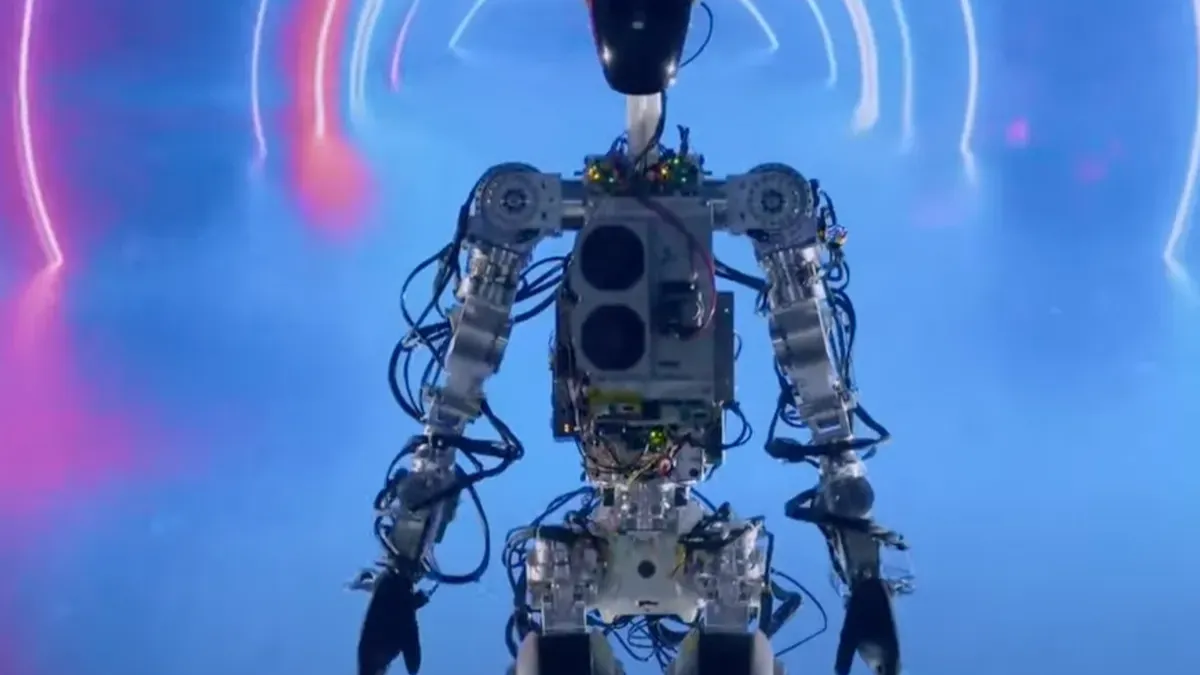

In the world of robotics, particularly when discussing humanoid robots, one question often arises: what’s the best method to achieve fluid, agile movement? For decades, engineers have wrestled with this question, attempting to find the ideal combination of components that allow a robot to move like a human being—gracefully, quickly, and precisely. The two primary contenders in this race are hydraulics and motors. Both have their strengths and weaknesses, but which one is truly superior for agile humanoid movement?
In this article, we will compare hydraulics and motors in terms of their performance, efficiency, complexity, and applicability to humanoid robotics. Through this analysis, we aim to uncover which system better addresses the challenges of achieving realistic, agile movement in humanoid robots.
The Basics of Hydraulics and Motors
Before diving into the comparison, let’s establish a basic understanding of how both systems work.
Hydraulics:
Hydraulics involves the use of pressurized fluids to create mechanical movement. A hydraulic system consists of a pump, fluid, and actuator, with the fluid pressure controlling the motion of the actuator. These systems are often used where high force is required, as hydraulics can generate immense amounts of power from relatively small components.
Motors:
On the other hand, motors use electrical energy to produce mechanical motion. A motor generates torque through the interaction of magnetic fields and electrical current. There are various types of motors, including DC motors, stepper motors, and brushless motors, each with its specific strengths and uses.
Force and Power Output
One of the most critical factors for humanoid robots is the ability to exert sufficient force and power to perform a wide range of motions, from standing up to lifting objects or running at high speeds.
Hydraulic Systems:
Hydraulic systems are widely known for their ability to generate high power outputs. The pressurized fluid can provide immense force, making hydraulics ideal for tasks that require heavy lifting or high torque. This is why hydraulics are commonly used in heavy machinery such as excavators or cranes.
In humanoid robotics, this translates to the ability to generate movement with a high level of strength. Imagine a robot that needs to lift its own body weight or perform a quick, powerful motion—hydraulics are well-suited for these types of movements. The force exerted by hydraulic actuators can be finely controlled, enabling precise motion while maintaining high power levels.
Motors:
Motors, on the other hand, are typically limited in their power output compared to hydraulics. Electric motors can still generate impressive torque, but they usually require larger and more complex systems (such as gearboxes or multiple motors working together) to match the raw power of a hydraulic system. The power density of electric motors has improved significantly over the years, with advances in materials and design, but they are still not able to match hydraulics in high-force applications.
That being said, motors can be more efficient in terms of energy consumption and are often better suited for lighter, more agile movements. They excel in environments where precision and responsiveness are key, such as in delicate tasks or high-speed operations.
Agility and Flexibility
While raw power is important, agility and flexibility are perhaps even more crucial for humanoid robots, especially those designed to interact with human environments.
Hydraulic Systems:
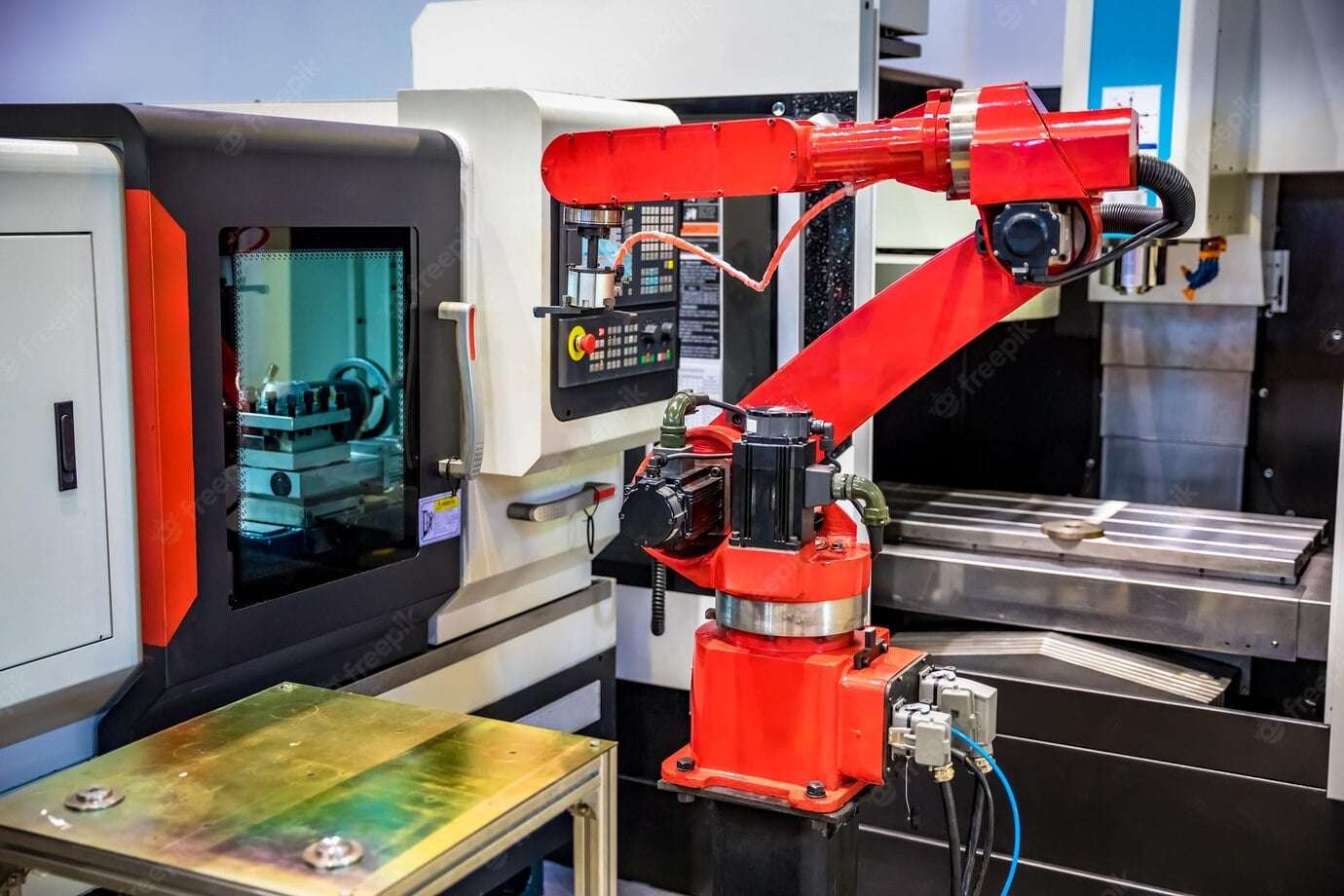
The main drawback of hydraulics in humanoid robots is their inherent complexity and weight. Hydraulic systems require pumps, reservoirs, and fluid-filled tubes to function. These components are not only heavy but also take up valuable space, making it harder to achieve the compact design necessary for humanoid robots.
Moreover, while hydraulic actuators can produce tremendous power, their movement tends to be slower and less responsive compared to electric motors. Hydraulic systems also tend to suffer from issues such as leaks, which can significantly affect performance and reliability. Additionally, the need for constant fluid pressure can make the system harder to maintain and control, limiting its flexibility.
Motors:
Electric motors, in contrast, are far more compact and responsive. They can generate quick, precise movements with less delay, which is essential for agile, human-like motion. With advanced feedback systems, motors can be controlled to produce highly nuanced and coordinated movements, which is essential for humanoid robots that need to perform actions like walking, running, or balancing.
Motors are generally more adaptable for smaller-scale applications, and thanks to their reduced size and weight, they allow robots to achieve a higher degree of agility. They can be more easily integrated into joints and limbs to provide fluid movement, even in smaller robots.
Efficiency and Energy Consumption
Another key consideration when evaluating systems for humanoid robots is efficiency—how well the system converts energy into useful motion.
Hydraulic Systems:
Hydraulic systems tend to be less energy-efficient than electric motors. The need to maintain constant pressure in the fluid system can lead to energy losses. Additionally, hydraulic systems typically involve significant friction within the actuators, which further drains efficiency. While hydraulics can produce a lot of power, they may not be the best option when energy conservation is a priority, especially in applications where long-lasting battery life is essential.
Motors:
Electric motors have the advantage of higher efficiency, particularly with newer, high-performance motor designs. The electrical energy is directly converted into mechanical motion with minimal losses, and the system is generally much more efficient when compared to hydraulics. With the right components, electric motors can run for longer periods while consuming less energy, making them a better choice for applications requiring continuous operation or long endurance.
Durability and Maintenance
Durability and ease of maintenance are essential in any robotic system, especially in humanoid robots that are expected to perform in various environments.
Hydraulic Systems:
Hydraulic systems are generally more prone to maintenance issues than motors. Leaks in the system can cause a significant loss of power and may require frequent maintenance or repair. The fluid used in hydraulics also degrades over time, potentially affecting performance and increasing maintenance costs. Additionally, the complexity of hydraulic systems can make them difficult to repair, requiring specialized knowledge and tools.
Motors:
Electric motors, in contrast, are generally more reliable and require less maintenance. They have fewer moving parts and are less prone to issues like leaks. With proper care, electric motors can operate for years without significant degradation in performance. This reliability makes them an attractive choice for humanoid robots that need to function in everyday environments with minimal downtime.
Weight and Space Constraints
In the world of humanoid robotics, weight and space are always a concern. Engineers need to design robots that are lightweight and compact enough to be practical for real-world use.
Hydraulic Systems:
Hydraulic systems are typically heavy and bulky. The need for large fluid reservoirs, pumps, and hoses adds to the overall weight and size of the system. This makes it difficult to design a humanoid robot that is both powerful and lightweight when using hydraulics. Moreover, the complexity of routing hydraulic lines and ensuring proper fluid management can limit the robot’s design flexibility.
Motors:
Electric motors, however, are much lighter and more compact. They can be easily integrated into the limbs and joints of a humanoid robot without adding significant weight. This makes them particularly attractive for humanoid robots that need to perform quick, precise movements in a compact form factor.
The Future of Humanoid Robots
As technology advances, both hydraulic and motor systems are evolving. Hybrid systems that combine the best of both worlds are also being explored. For example, some humanoid robots may use hydraulics in their lower body for strength and motors in their upper body for precision. This approach aims to balance power, efficiency, and agility, creating robots that can move with both strength and finesse.
Furthermore, advances in battery technology, materials science, and control systems will likely continue to push the boundaries of what’s possible in humanoid robotics. As such, the debate between hydraulics and motors is far from settled. Both technologies have their place, and the future will likely involve a nuanced blend of the two, optimizing the benefits of each.
Conclusion: Which Is Better for Agile Humanoid Movement?
In the end, the answer to which system is better for agile humanoid movement depends on the specific requirements of the robot.
- If the focus is on raw strength and heavy lifting, hydraulics may be the better choice, thanks to their ability to generate high power and force.
- If the goal is to achieve quick, precise movements with low energy consumption and reliable maintenance, electric motors are the ideal choice.
Ultimately, a hybrid system combining both technologies may be the key to achieving true humanoid agility. By leveraging the strengths of both hydraulics and motors, engineers can design robots that move with the grace, speed, and strength of a human.