









In the rapidly evolving field of robotics, two dominant architectural paradigms often dominate the conversation: modular and monolithic. The debate about which approach holds more value has been a subject of significant discussion among engineers, designers, and researchers. While both systems have their merits, the shift toward modularity in recent years has led many to question whether it is indeed more advantageous than its monolithic counterpart. This article delves into the nuances of modular and monolithic robot architectures, evaluating their strengths and weaknesses to determine which approach might be more valuable for the future of robotics.
1. Understanding Robot Architectures
Before diving into the comparison, it’s essential to understand what we mean by modular and monolithic robot architectures.
- Monolithic Architecture: A monolithic robot is built as a single, unified system, where all components—sensors, actuators, processors—are integrated into a single structure. This type of design is akin to traditional robots, where the entire system is designed and built as one entity. Think of it as a single block of technology, where the parts work together in a fixed, cohesive manner.
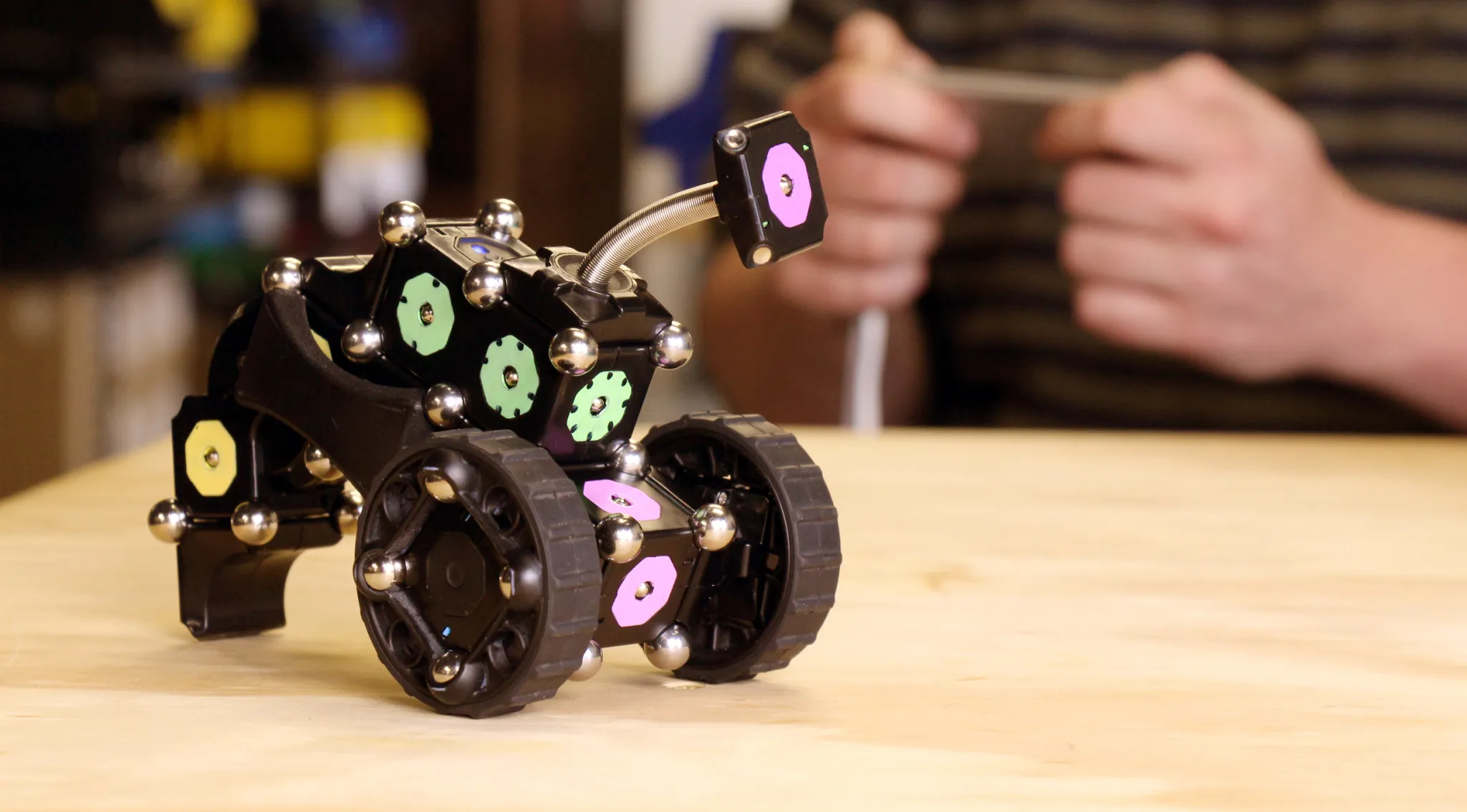
- Modular Architecture: In contrast, modular robots are constructed from independent, self-contained units or modules that can be combined in various configurations to create different functionalities. Each module typically performs a specific task or has a specialized function, and the modules can be reconfigured or replaced depending on the task at hand. This flexible design allows for adaptability and scalability.
2. The Advantages of Modular Robots
2.1 Flexibility and Adaptability
One of the primary advantages of modular robotics is flexibility. A modular system can be easily reconfigured to meet the needs of different tasks. For instance, if a robot is tasked with assembling products on a factory line, modules can be swapped in and out to accommodate various types of tasks—whether that’s picking up parts, welding, or quality checking. This adaptability is particularly useful in dynamic environments where requirements change frequently.
Additionally, modular robots are better suited for applications where robots must interact with varied environments. The robot’s modular structure allows it to change its configuration, increasing its efficiency in diverse settings. For example, a modular robot designed for a rescue mission could adjust its structure based on the environment, from tight spaces to more expansive areas.
2.2 Fault Tolerance and Maintenance
In modular systems, if one module fails, it does not necessarily incapacitate the entire robot. The failed module can be replaced or repaired without disrupting the overall functionality of the robot. This self-healing nature ensures higher uptime and less dependency on complex repair processes, which is a significant advantage in industrial or field applications where time and reliability are of the essence.

In contrast, monolithic robots face a major drawback: if one component fails, it can affect the entire system. Diagnosing the problem might require disassembling the robot entirely, which results in more downtime and higher maintenance costs.
2.3 Scalability and Customization
Modular robots allow for easier scaling of functionality. Need to add more processing power or new sensory capabilities? Simply add a new module. This scalability means that modular robots are more adaptable to different levels of task complexity. A monolithic robot, on the other hand, often requires a complete redesign to incorporate new functions, which can be costly and time-consuming.
Moreover, customization is a hallmark of modular robots. For specific tasks or applications, different modules can be added or removed without overhauling the whole system. Whether it’s for industrial, medical, or exploration purposes, modular robots offer a level of customization that monolithic systems can’t match.
2.4 Cost-Effectiveness in Long-Term Use
Initially, modular robots may appear more expensive because of the need for interchangeable parts. However, over time, they can be more cost-effective due to their ease of maintenance and customization. Since modules can be reused for various tasks, companies do not need to invest in separate robots for every application. Additionally, the possibility of upgrading individual modules rather than replacing entire robots leads to cost savings.
3. The Advantages of Monolithic Robots
3.1 Simplicity and Integration
Monolithic robots, with their single-unit design, are simpler to design and integrate. Since all components are built into one cohesive system, there’s no need to worry about the compatibility of different modules or the complexity of combining them in a way that functions efficiently. This simplicity can result in faster production times and lower upfront development costs.
In many situations, monolithic robots are also more reliable because all components are specifically designed to work together in a streamlined fashion. There is no need for complex algorithms to manage the interactions between disparate modules, which means fewer things can go wrong.
3.2 Efficiency in Specialized Tasks
Monolithic robots are often more efficient when performing highly specialized tasks. Since the entire system is designed to work as one unit, the performance of each component is optimized for that specific task. For instance, in tasks that require high precision and coordination, such as micro-manufacturing or delicate surgery, a monolithic robot’s tightly integrated system can outperform modular robots, which might experience inefficiencies due to the need to coordinate between separate modules.
3.3 Robustness and Durability
While modular systems excel in flexibility, monolithic systems tend to be more robust in terms of durability. The seamless integration of components in a monolithic robot reduces the risk of wear and tear on connections between parts. This results in a more durable, sturdy robot that can withstand harsh environments, such as extreme temperatures or heavy-duty industrial applications.
3.4 Lower Complexity in Control Systems
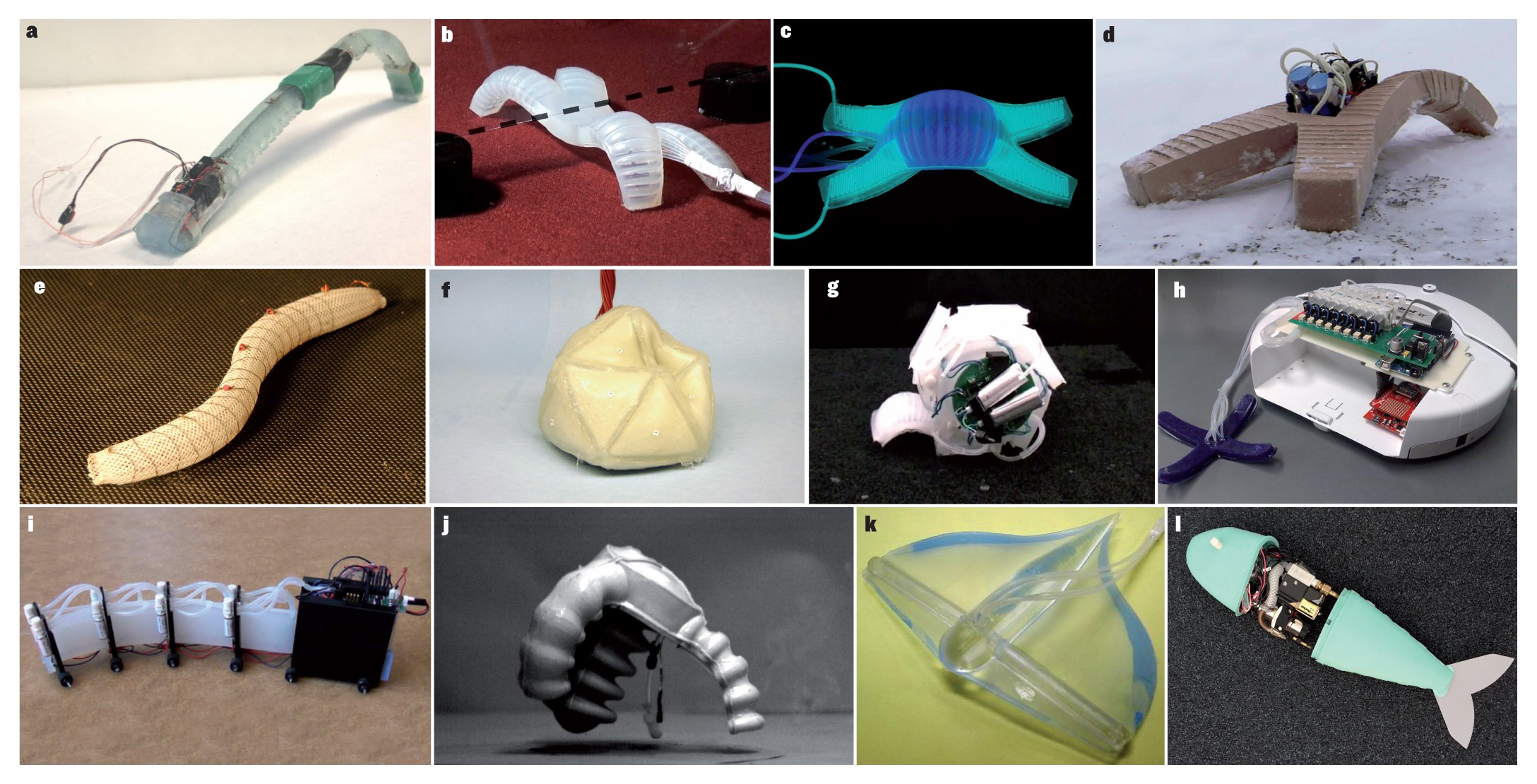
Monolithic robots require fewer complex control systems compared to modular systems. With a monolithic robot, the system’s control mechanisms are more straightforward because they govern a single integrated entity. Modular robots, on the other hand, require complex algorithms to coordinate the communication and functionality between modules, which can introduce potential sources of failure or inefficiency.
4. Challenges and Limitations
4.1 Modular Robots: The Cost of Complexity
While modular robots offer numerous advantages, they also come with some significant challenges. One of the most obvious is the complexity involved in the design and programming of the system. Each module must be able to communicate seamlessly with others, and the control algorithms needed to manage this coordination can be sophisticated. This adds to the development time and cost.
Moreover, ensuring that all modules work together effectively can sometimes lead to unexpected failures. Even minor misalignments or communication issues between modules can lead to performance degradation or errors.
4.2 Monolithic Robots: Limited Flexibility
Monolithic robots, while simpler and often more durable, are generally less flexible than modular robots. Once designed for a specific task, these robots are limited in their ability to perform other functions without significant redesign. This lack of versatility can make monolithic robots less suitable for environments that require adaptability or for industries that need frequent changes in robotic capabilities.
Additionally, if a monolithic robot experiences a failure, fixing or replacing parts can be difficult and time-consuming. In the long run, this could lead to higher maintenance costs, especially if the robot is subjected to continuous or intensive use.
5. Industry Applications
5.1 Modular Robots in Industry
The industrial sector stands to gain a lot from the modular robot architecture. From manufacturing and warehousing to logistics and agriculture, modular robots are already proving their worth. Their ability to change configurations based on tasks means they can work on a wide range of production lines without requiring a major overhaul of their systems.
In a warehouse, for example, modular robots could work as part of a pick-and-place system. When an additional task arises, such as sorting or packaging, the modules can be swapped out or reconfigured to meet the new demands. This type of scalability and adaptability is invaluable in fast-paced, changing environments.
5.2 Monolithic Robots in Precision Tasks
On the other hand, monolithic robots remain the preferred choice in applications requiring high precision and stability. Robots used in surgery, for example, are often monolithic because of their need for tight integration and flawless execution of specialized tasks. Similarly, monolithic robots are still widely used in situations where the robotic system operates in highly controlled environments, such as clean rooms or laboratories.
6. The Future: Which Architecture Will Prevail?
Both modular and monolithic robot architectures have their strengths and weaknesses, and the future of robotics may see a combination of both. While modular robots provide unparalleled flexibility, adaptability, and scalability, monolithic robots will likely continue to excel in specialized, precision tasks.
What’s clear is that as the field of robotics grows, industries and applications will continue to push the boundaries of what each architecture can achieve. The key will be to find the right balance between modularity and integration, tailoring each design to meet the specific needs of the task at hand.