








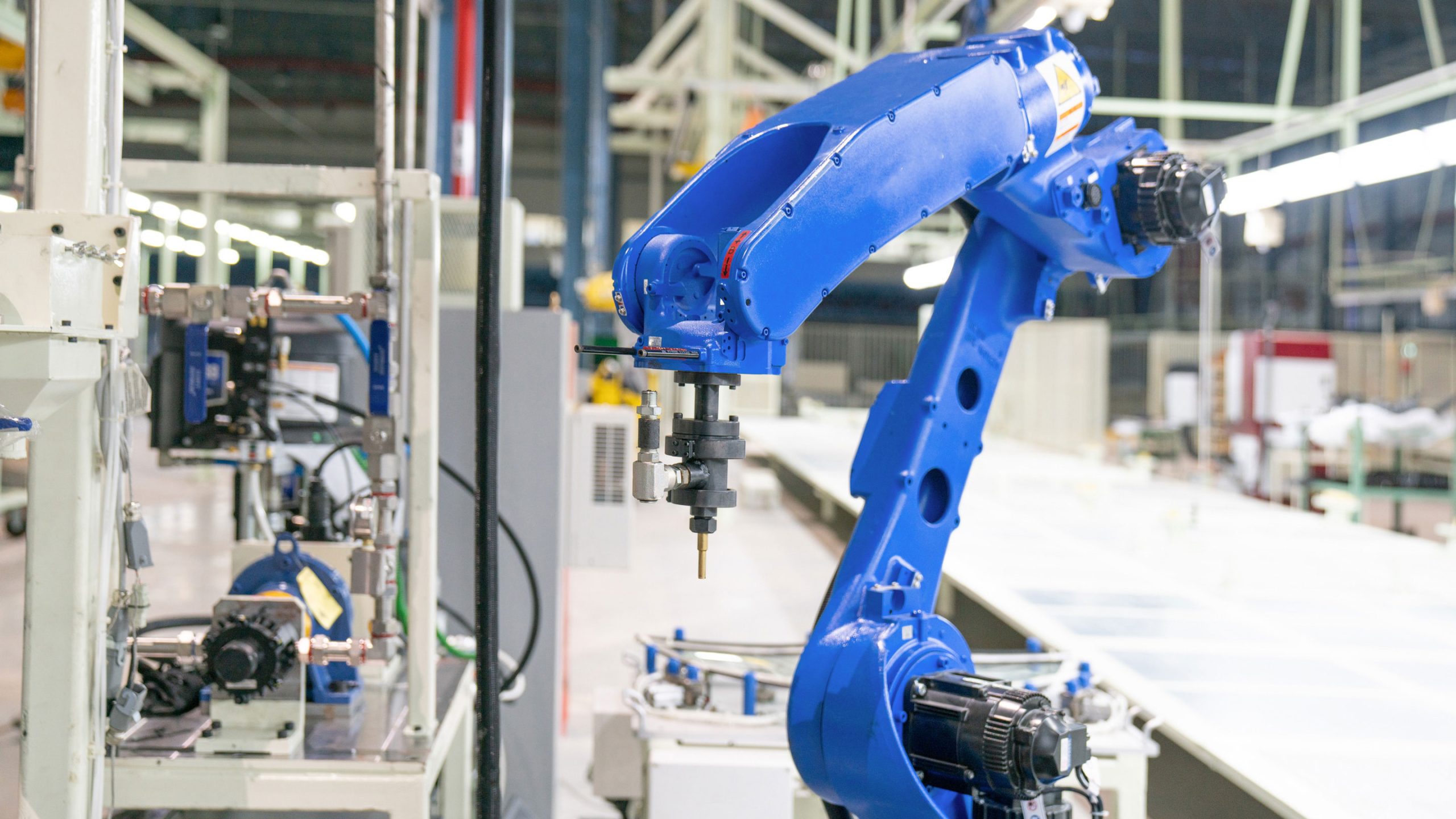

As technology continues to advance at an ever-increasing pace, one of the most intriguing discussions within the realm of work and labor involves the role of robots in the workplace. While robots have been integrated into industries ranging from manufacturing to healthcare, the idea of robots being eligible for workers’ compensation systems is still a relatively new and uncharted concept. This question touches on issues of automation, ethics, the rights of non-human entities, and even the very definition of work.
In this article, we will explore the reasons why robots could and should be included in workers’ compensation systems, the challenges and implications of doing so, and the broader consequences this might have for the future of labor, industry, and society as a whole.
The Rise of Robots in the Workforce
Robots have become an integral part of industries such as manufacturing, logistics, agriculture, and even healthcare. The introduction of robots has allowed companies to automate repetitive tasks, improve efficiency, and reduce costs. In some cases, robots have even started to take on more complex roles, such as medical surgery assistance or autonomous vehicle operation.
With advancements in artificial intelligence (AI), machine learning, and robotics, the functions of robots are becoming more sophisticated. These systems are not just performing pre-programmed tasks, but are increasingly capable of adapting to new circumstances, making decisions, and even learning from their environment. As these robots take on more critical roles, it begs the question: should they be treated like human workers in the context of workers’ compensation?
The Case for Robots in Workers’ Compensation
1. Economic and Legal Precedents
Traditionally, workers’ compensation systems are designed to support human workers who suffer injuries or health issues while performing their jobs. The compensation typically includes medical benefits, rehabilitation support, and in some cases, lost wages. The rationale behind this is clear: human workers are essential to the economy, and their well-being is crucial to the functioning of various industries.
However, as robots become more integrated into the workplace, some argue that they should also be protected in a similar way. The first reason for this is economic. Just as human workers can bring value to an organization, so can robots—often at a much higher scale and speed. If a robot is damaged or destroyed during its operation, it could represent a significant financial loss for a company. In industries that rely heavily on automation, such as car manufacturing or warehouse logistics, the cost of a malfunctioning robot can be substantial. Offering protection through a workers’ compensation system could help mitigate these financial risks.
2. Protecting Investments
Many companies are making large investments in robotic systems, especially with the growing trend of automation. Some robots are designed for specialized tasks, and the loss of such machines can significantly affect productivity. If a robot is injured due to a defect or external factor in the workplace, it could lead to the interruption of services or production lines.
In the case of industrial robots, which can cost millions of dollars to develop or acquire, the financial burden of repairs or replacement can be overwhelming. A workers’ compensation system tailored to robots could help address these issues, ensuring companies receive reimbursement for the cost of repairs or replacements when accidents occur.
3. Ethical Considerations
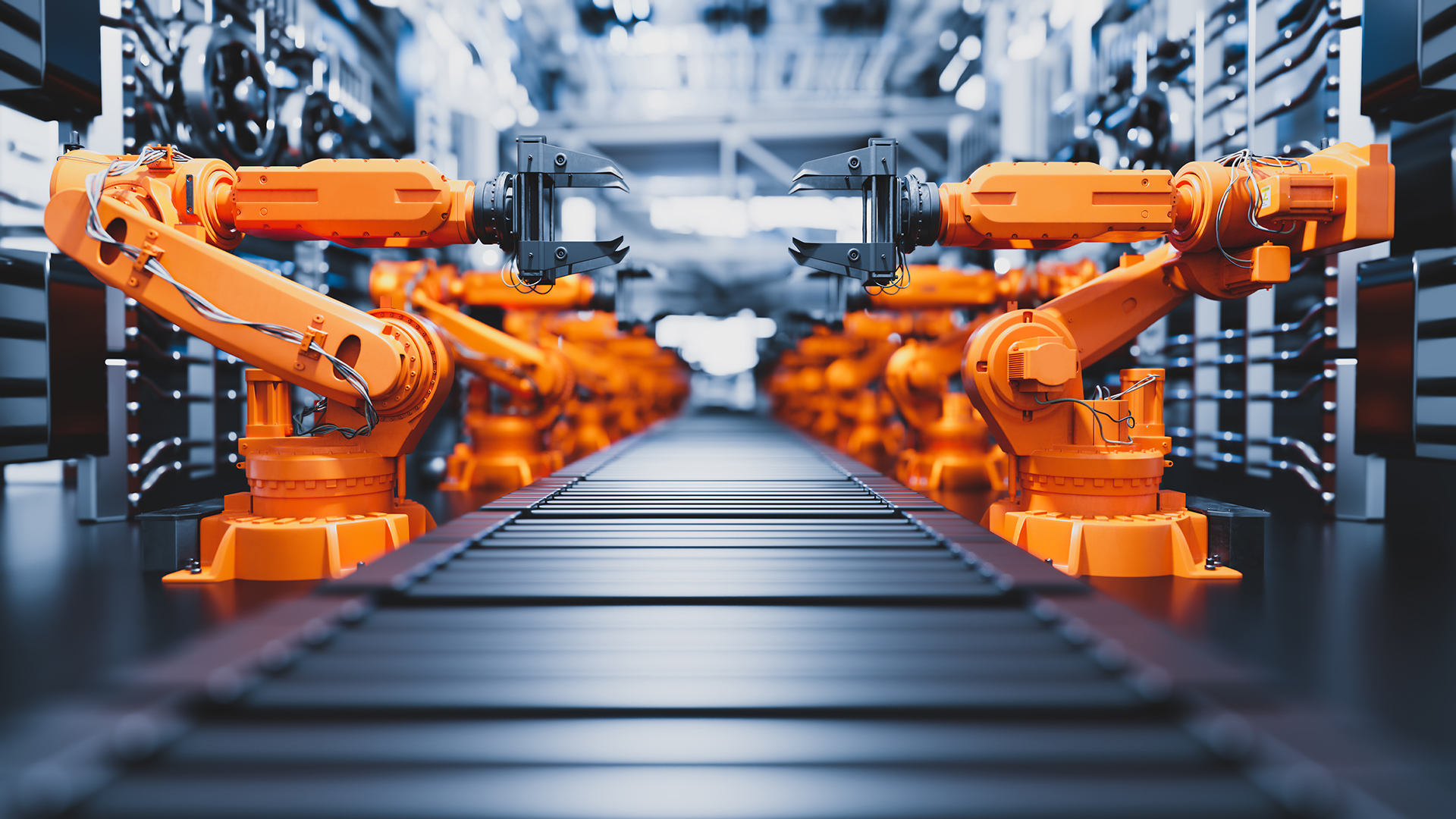
Another compelling reason to include robots in workers’ compensation systems is the growing recognition of the ethical implications of automation. While robots are not conscious beings and do not experience pain or suffering as humans do, they still perform work that has value. If robots are going to be placed in hazardous environments or perform jobs that involve potential risk, such as heavy lifting or operating in dangerous conditions, they should have some form of protection.
The question arises: if robots are capable of performing tasks in environments where humans might be put at risk, should they not be afforded some level of protection in return? Ethical considerations, such as fairness and respect for the investment in robotic technology, play a role in advocating for their inclusion in workers’ compensation systems.
Challenges in Including Robots in Workers’ Compensation
While the idea of robots in workers’ compensation systems is appealing, there are several challenges to consider.
1. Defining “Work”
One of the biggest challenges in this discussion is the very definition of “work.” Workers’ compensation systems were designed with human workers in mind, recognizing their ability to experience harm, injury, and the long-term impact of their work. Robots, on the other hand, do not experience harm in the same way.
In order for robots to be covered under workers’ compensation, there needs to be a clear framework for what constitutes a “work-related injury” for a non-human entity. Is it a mechanical failure? Is it a result of poor programming or a malfunction of the system? How do you assess the severity of such damages, and who determines the costs?
2. Legal and Regulatory Frameworks
Current workers’ compensation laws are rooted in the protection of human workers. For robots to be included in such systems, significant legal and regulatory changes would be necessary. These laws would need to be rewritten to account for robots as “workers” in the first place, which could require entire industries to rethink how they approach automation and responsibility.
Furthermore, there is the challenge of determining who would be responsible for compensating the robot: the employer, the manufacturer, or a third party? This could lead to disputes over liability, insurance, and other factors that could complicate the system.
3. Technological Considerations
Robots, unlike human workers, don’t have biological systems that can break down in traditional ways. When a robot malfunctions, it is typically due to mechanical failure, software bugs, or environmental factors. While this is a different type of injury from human workers, it still poses the question of how to manage such issues within the context of a workers’ compensation system. This would require specialized knowledge in robotics repair, software troubleshooting, and even cybersecurity in some cases.

Additionally, some robots might be capable of self-repair, which raises another question: if a robot can fix itself, should it still be entitled to workers’ compensation? And how does one assess the level of “damage” to a machine that may be capable of autonomous repair?
4. Public Perception
Public perception of robots as workers may also pose a challenge. Many people still view robots as mere tools—machines that perform tasks without any need for compensation or protection. Changing this mindset would require broad cultural shifts in how we view the role of robots in society.
Additionally, the idea of paying for robots’ “injuries” could face resistance from companies that already spend millions of dollars on developing and maintaining robotic systems. Would adding a workers’ compensation system for robots significantly increase costs for industries already struggling with automation?
The Impact on Society and Labor
The inclusion of robots in workers’ compensation systems has implications that extend far beyond economics and industry. It touches on fundamental questions about the future of labor, ethics, and even the rights of artificial entities.
1. The Future of Work
As robots continue to replace human workers in certain sectors, there is an ongoing conversation about the future of work. The rise of automation could lead to job displacement for millions of people, and the question of how to manage this shift is critical. Should society create a safety net for displaced workers? If robots are receiving compensation for their “injuries,” should the same system also be extended to the human workers who are replaced by automation?
The integration of robots into workers’ compensation could be a way to bridge the gap between the technological future and the societal impact of automation. It could prompt discussions about universal basic income, job retraining, and the role of human workers in an increasingly automated world.
2. Ethics and AI Rights
Some futurists and ethicists argue that as robots become more advanced, they may eventually deserve rights of their own. If robots are capable of sophisticated actions and decision-making, at what point should they be considered “persons” with rights? Although we are far from this point, including robots in workers’ compensation systems could be an early step in recognizing the growing autonomy of artificial beings.
3. Human-Robot Interaction
Finally, the relationship between humans and robots in the workplace will likely continue to evolve. As robots take on more significant roles, their interactions with human workers will increase. Introducing a workers’ compensation system for robots could be seen as a symbolic step towards recognizing robots as partners in the workplace, not just tools to be used and discarded.
Conclusion
The question of whether robots should join workers’ compensation systems may seem far-fetched, but it raises important points about the future of work, automation, and the rights of artificial beings. As robots become more sophisticated and integrated into industries worldwide, their potential to “work” alongside humans will only increase. While there are significant challenges in redefining workers’ compensation systems to include robots, the case for doing so is strong, particularly from an economic and ethical perspective.
In the future, as robots continue to evolve, we may see new laws and frameworks that recognize their role in the workplace, ensuring that both human and non-human workers are protected. This may be the first step toward a new era of labor where the line between human and machine is not so easily drawn.