










The intersection of robotics and privacy laws is a rapidly evolving frontier that raises numerous questions about data collection, consent, and individual rights. As robots become increasingly integrated into our everyday lives—from household assistants to industrial workers—the data they collect grows both in volume and complexity. This influx of data collection inevitably touches on issues of personal privacy, which, in turn, is subject to various legal frameworks across the globe. So, how do privacy laws apply to robot data collection? Let’s explore this in a detailed, engaging, and insightful way.
Understanding Robots and Their Data Collection
To address privacy concerns, it’s essential to first understand how robots collect data. Robots are equipped with sensors, cameras, microphones, GPS devices, and various other tools to interact with their environment. They may gather information such as personal preferences, movements, location, interactions, and even emotional states of individuals. This data is used for optimizing robot functions, improving user experiences, or even for purposes of machine learning and artificial intelligence (AI).
For instance, a robot vacuum cleaner not only collects data about the layout of your home, but it also maps out areas where you spend more time. Similarly, AI assistants can collect voice commands and contextual information about a user’s habits. On a larger scale, industrial robots in factories may collect real-time data on operational efficiency, employee movements, and even health-related information in high-risk environments.
The question becomes: Who owns this data, and how is it protected?
Privacy Laws: A Global Overview
As robots collect increasing amounts of data, privacy laws have had to evolve. Let’s examine the main legal frameworks governing privacy across various jurisdictions.
1. General Data Protection Regulation (GDPR) – European Union
The GDPR is one of the most stringent data protection regulations globally, specifically concerning data collection, storage, and processing of personal data. Under GDPR, any data that can be used to identify an individual is considered personal data. In the context of robots, this could mean data collected through facial recognition, location tracking, or even patterns of behavior that are linked to specific individuals.
For robots operating in the EU or interacting with EU citizens, companies must comply with GDPR’s core principles:
- Data Minimization: Collect only the necessary data.
- Transparency: Users must be informed about what data is collected and how it will be used.
- Consent: Explicit consent must be obtained from individuals whose data is being collected, unless there’s a legitimate business interest or legal obligation.
- Right to Erasure: Individuals have the right to request that their data be deleted.
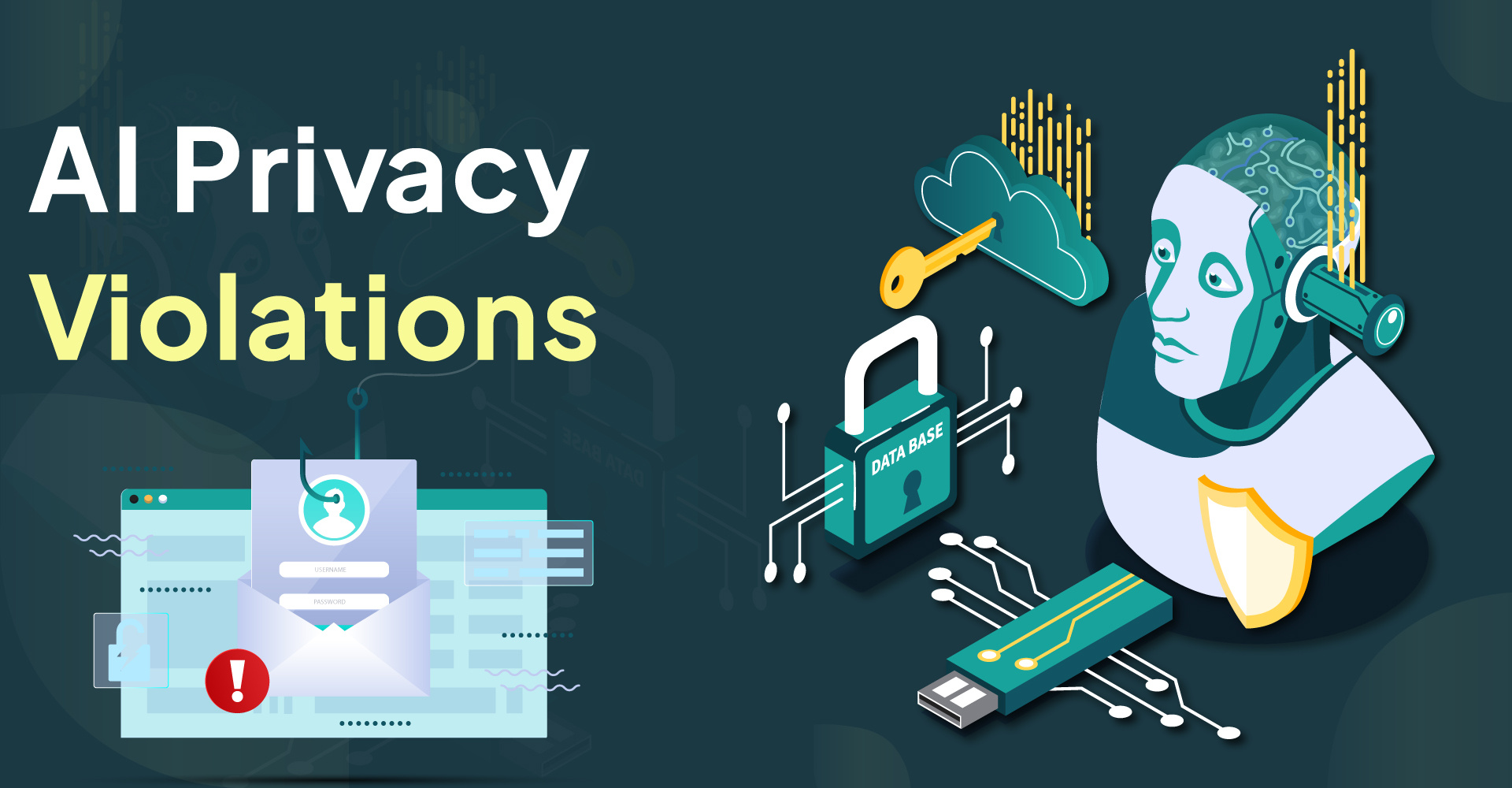
In practical terms, this means that robots equipped with data-gathering capabilities (like voice assistants or robots used in healthcare) must inform users that data is being collected and how it will be processed.
2. California Consumer Privacy Act (CCPA) – United States
The CCPA offers California residents specific rights over their personal data, including the right to know what data is being collected, the ability to opt-out of data sales, and the right to delete their data. While not as comprehensive as GDPR, the CCPA marks a significant step in regulating data collection in the US. Robots collecting data in California, or about California residents, must adhere to these principles.
The CCPA applies not only to companies collecting data but also places restrictions on third-party data sharing. As robots typically interact with a range of software and platforms, this can lead to complexities in data sharing and ownership.
3. Personal Data Protection Act (PDPA) – Singapore
Singapore’s PDPA is another prominent data protection law that influences how robot data collection is handled. The law provides a framework for the collection, use, and disclosure of personal data, with clear rules regarding consent and the protection of sensitive information.
Under the PDPA, organizations must ensure that personal data is protected and that it is only used for the purposes for which it was collected. In the case of robots, any personal data collected should be kept secure, and there should be transparency in how the data will be used or shared with third parties.
Privacy Challenges in Robot Data Collection
With robots now capable of collecting vast amounts of personal data, several privacy challenges emerge. Some of the key issues include:
1. Informed Consent
One of the most fundamental principles of privacy laws is informed consent. For a robot to collect data, users must be aware that their data is being captured, how it will be used, and for how long it will be stored. However, many robots operate in the background, collecting data passively, which may make it difficult for users to be fully aware of what’s happening. This creates a challenge for companies to ensure that users can give clear, informed consent.
For instance, a smart home robot could be collecting data on how often you open your refrigerator, but you might not even realize it’s collecting that data unless explicitly informed by the manufacturer.
2. Data Security
The security of data collected by robots is another significant concern. Robotic devices often interact with cloud-based storage systems or other external platforms where data is processed and stored. If these systems are compromised, hackers could access sensitive personal data, such as daily routines or personal preferences.

The level of security required to protect this data is high, and many privacy laws, including GDPR, mandate that organizations implement stringent security measures. Unfortunately, the growing complexity of robotic systems and their integration with multiple platforms makes it more difficult to ensure that data is kept secure.
3. Third-Party Sharing
Robots often share data with third parties—whether for analytics, advertising, or operational purposes. In some cases, this could lead to privacy violations if users are not properly informed about the sharing of their personal information. For example, a robot may share user data with a marketing company that uses it to target advertisements.
Privacy laws typically require that users are informed about such third-party data sharing and that they can opt out if they wish. The risk of data being used for unintended purposes is a growing concern among privacy advocates.
4. Dealing with Sensitive Data
Robots can collect sensitive data, particularly in industries such as healthcare or eldercare. For example, a robot that assists with caregiving may collect medical information, emotional states, or health metrics. This data is subject to even stricter regulations under laws such as HIPAA (Health Insurance Portability and Accountability Act) in the US, which governs how healthcare data is handled.
Such sensitive data must be protected to prevent misuse, and there are heavy penalties for violations. Companies must ensure that robots operating in sensitive environments are equipped with the highest security standards and that users are aware of the types of data being collected.
Regulatory Bodies and Future Directions
As robotics continues to advance, regulatory bodies are grappling with how to effectively monitor and govern robot data collection. Here are some of the steps they’re taking:
1. Establishing Clear Guidelines for Data Use
Governments and international bodies are developing guidelines for how robots should interact with personal data. This includes determining when data should be anonymized, who owns the data, and what rights individuals have over their data. For example, the EU Robotics Strategy advocates for clear regulations on data ownership and privacy in robotics.
2. Promoting Transparency and Accountability
The future of robot data collection depends on the ability to establish transparency and accountability. Regulators are pushing for clear consent mechanisms, detailed data usage disclosures, and accountability for data breaches. This may include requiring companies to maintain detailed logs of data access and use, especially in sensitive contexts like healthcare.
3. AI and Ethical Data Use
There is also a growing conversation about the ethical use of data in AI systems. Ethical guidelines are being developed to ensure that data is not only secure but used in a way that respects individual rights. This includes ensuring that robots do not gather excessive or irrelevant data and that users retain control over their personal information.
Conclusion: The Road Ahead
As robots become an increasingly ubiquitous presence in our lives, privacy concerns will only continue to grow. Privacy laws will need to evolve to keep pace with new technological developments, particularly in the areas of AI, data collection, and robotics. While current regulations such as the GDPR, CCPA, and PDPA provide a solid foundation for protecting personal data, they will need to adapt to the challenges posed by the next generation of robots.
Ultimately, the future of robot data collection will depend on balancing innovation with privacy rights. It is crucial that both developers and lawmakers work together to create systems that prioritize user autonomy, transparency, and security. As robotics continue to change the landscape of our daily lives, respecting privacy will be key to fostering trust and encouraging the widespread adoption of robotic technologies.