









Introduction — A Future Already Knocking
Imagine walking into your home after a long day, and instead of dragging yourself through dinner prep and laundry, a quiet mechanical helper is already at work. For many people, this sounds like a dream. For others, it feels like a sci‑fi nightmare. Robots are no longer confined to factory floors or research labs — they are becoming part of everyday life through devices like robot vacuum cleaners, lawnmowers, and voice‑activated assistants. But when people are asked a more fundamental question — “Do we really want robots in our homes?” — the answers are far from unanimous. In this article, we’ll explore public opinion, technological hurdles, real‑world research, and the social, psychological, and economic implications of bringing robots into domestic life.
1. Robots at Home — What People Say They Want
Surveys from across the world show a mix of interest, caution, curiosity, and outright skepticism when it comes to home robots.
79% say robots might help — as long as they don’t replace humans
In a broad survey of attitudes toward advanced robotics, many people express a belief that robots could assist in daily life — but they also fear replacement of human roles and social interactions. Concerns about robots “taking over” jobs and lives remain top of mind.
Around 38–40% of adults would like a robot to handle chores
More targeted surveys show that around two in five adults in the U.S. are interested in having a robot help with household tasks like cleaning floors, dishes, and laundry — but enthusiasm drops when asked about caregiving tasks like child or elder care.
Interest varies by age and gender
Younger people (18–34) tend to be more open to having robots in their homes than older adults, and men have shown slightly more interest than women in some surveys.
Ultimately, opinions are nuanced — and interest isn’t the same as comfort or willingness to own a robot just yet.
2. What People Would Actually Want a Home Robot to Do
It’s one thing for people to say “yes” to robots, and another for them to specify what tasks robots should perform.
Most interest in practical, mundane tasks
Surveys consistently find that people most want robots to handle repetitive and physically tiring chores — like cleaning, dishwashing, laundry, and general tidying up. These are tasks many humans find boring or time‑consuming.
Dancing with complexity: chores vs caregiving
While housekeeping chores are popular, tasks that require social or emotional intelligence — such as caregiving for children or older adults — are less broadly desired. People are more cautious about robots taking on roles that involve emotional engagement or intimate human care.
Older adults see value in practical help
Studies focusing on older populations reveal receptiveness to robot assistance for certain tasks that help maintain independence — but not necessarily for deeply personal or social duties.
In other words, people are more comfortable with robots serving as helpers, not substitutes for human care or companionship.
3. Why Some People Don’t Want Robots in Their Homes
If you look beyond headline numbers, the hesitation becomes clear: people aren’t rejecting robots outright — they just set high bars for when and how they want them.
Privacy in the home is a big red flag
Privacy concerns top the list of barriers to adoption. People worry about robots watching their daily lives, collecting data, or even being hacked. The thought of a device with cameras and microphones roaming the house understandably triggers caution.
Cost remains a huge practical hurdle
Many people want affordable robots. A major survey revealed that a large portion of respondents aren’t willing to pay more than a few hundred dollars for a home robot — far below the price of advanced humanoid models currently in development.
Comfort and trust lag behind interest
In broader robotic attitude surveys, most people describe themselves as uncomfortable with robots, despite acknowledging their potential usefulness. Whether it’s uneasiness around humanoid designs or fear of malfunction and loss of control, trust issues remain a core obstacle.
Cultural perceptions also matter
Research into trust shows that design perception — whether a robot looks human, machine‑like, or somewhere in between — can dramatically shape comfort and acceptance, with machine‑like robots often inspiring greater trust.
4. Beyond Opinion — The Reality of Robots in Homes Today
Right now, most “robots” in homes are not autonomous helpers but specialized devices:
From “Roombas” to Rough Prototypes
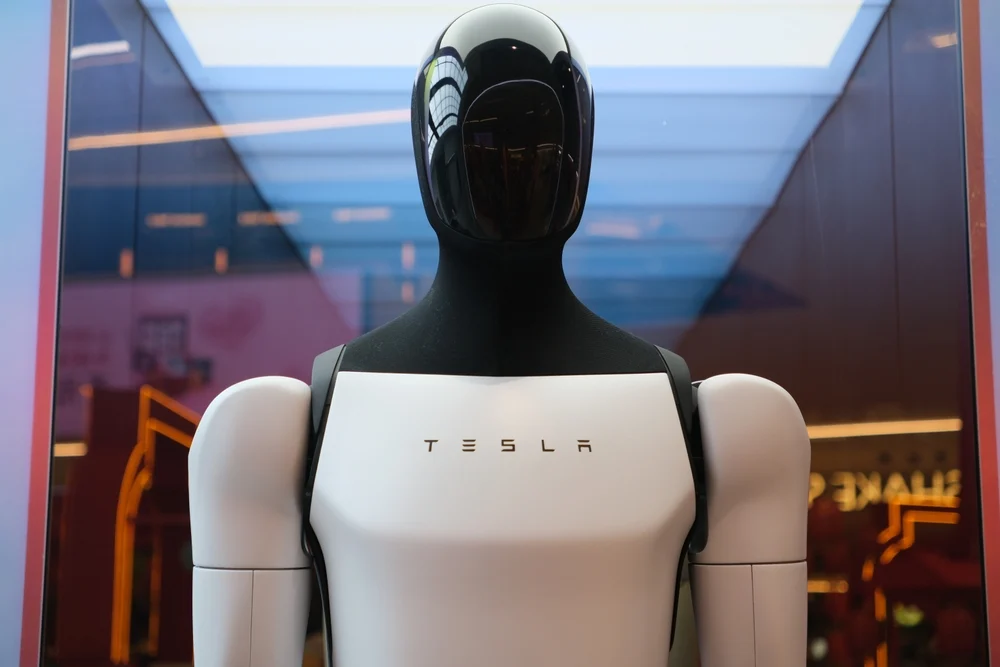
Robot vacuum cleaners and lawn mowers are already widely adopted in many countries — proof that people do embrace some forms of automation. Advanced humanoid assistants are still mostly prototypes or limited release products, not mass consumer devices.
CES 2026 shows emerging capabilities
At CES 2026, major tech companies unveiled robots that can wash dishes and fold laundry — a sign that the technology is advancing quickly, even if widespread adoption is still years away.
However, engineers and industry leaders repeatedly note that real household environments are hugely varied, making reliable robot navigation and task completion difficult.
5. What Would Make People Say “Yes” to Robots?
If people are cautious today, what would improve their acceptance?
Affordability — pricing robots like common home appliances
Just as dishwashers and washing machines became household standards once prices fell and utility was proven, robots could follow a similar path — if costs drop and perceived value rises.
Trust through transparency and safety standards
Clear regulations and robust safety protocols — including local processing to preserve privacy — would go a long way toward reassuring users. Robots that don’t need constant cloud connectivity may feel safer to many.

Purpose‑built designs over humanoid forms
Designs that lean toward friendly but clearly machine‑like helpers often perform better in trust surveys than human‑like robots, especially in homes with children and pets.
Incremental integration into daily life
Rather than introducing a fully autonomous humanoid from day one, a phased approach — starting with task‑specific helpers — could build comfort and competence over time.
6. The Human Side of Domestic Robotics
It’s easy to talk about acceptance in terms of functionality and economics — but deeper social and psychological implications are equally important.
Robots as helpers, not emotional substitutes
People’s readiness to invite robots into their homes depends heavily on their role. Robots that assist without replacing human interaction are more palatable. Bots designed to comfort may raise complex emotional and social questions.
Family dynamics and emotional labor
Assigning tasks to robots might change family roles, routines, and even emotional connections — for example, children’s relationships with caregivers or the elderly’s sense of independence. These social changes are far more complex than any technical specification.
Ethical considerations are never far away
Questions of privacy, autonomy, and even personhood linger in the background of any discussion about domestic robots. Solid ethical frameworks and clear regulations are crucial to navigating these waters.
Conclusion — A Future People Want, But Not Unconditionally
So, do people really want robots in their homes? The answer is yes — under the right conditions. People are intrigued, many see real benefits in automating routine tasks, and a significant fraction envision robots as practical helpers. But enthusiasm is qualified by concerns about privacy, cost, safety, and emotional impacts. As robots evolve from simple tools to socially aware assistants, their acceptance will depend not just on technology but on how they fit into our social fabric and how much people trust them to preserve dignity, privacy, and human connection.
In this sense, we may not be welcoming robot housemates yet, but we are starting to invite them into our daily lives — one carefully considered step at a time.