








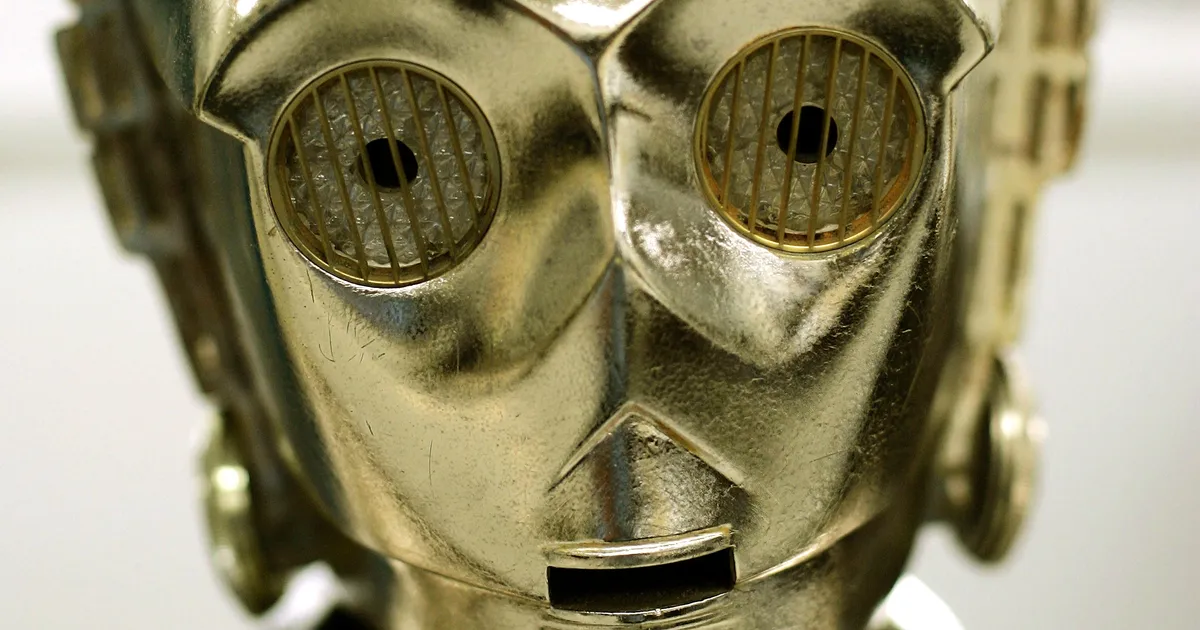

Human fear of technological creations long predates modern robotics. These anxieties emerged prominently in literary and cultural history, often embodied in mythic and literary figures that reflect deeper human concerns about control, identity, and agency.
The term “robot” itself entered global consciousness through Karel Čapek’s 1920 play Rossum’s Universal Robots (R.U.R.), where artificial workers rise up and overthrow humanity. This story introduced one of the most enduring fears: that the creations meant to serve us could one day overpower us.
Earlier examples, such as Mary Shelley’s Frankenstein, foreshadowed the anxieties associated with creating life in the lab—what later came to be known as the Frankenstein Complex—where the creator fears the monster more than any natural threat.
Science fiction since then—through films like The Terminator or Westworld—has created iconic visions of robots turning against humanity, reinforcing dramatic narratives of technological rebellion and dystopia. These narratives are powerful not just because they entertain, but because they tap into deep, existential questions about control, autonomy, and the human condition.
2. The Uncanny Valley: When Robots Get Too Close to “Human”
One of the most influential psychological explanations for fear of robots comes from the Uncanny Valley theory, first proposed by Japanese roboticist Masahiro Mori in 1970. The idea suggests a non‑linear emotional response to robots: as robots become more human‑like in appearance, people’s positive perception increases—until they become too human‑like, at which point the perception drops sharply into discomfort or fear before rising again only when indistinguishable from humans.
This explains why people may feel uneasy around humanoid robots that appear almost—but not quite—alive. It’s not just about aesthetics; it’s about how our cognitive systems categorize agency and identity. This psychological discomfort is a real‑world contributor to robot fear that is grounded in human perceptual and emotional systems.
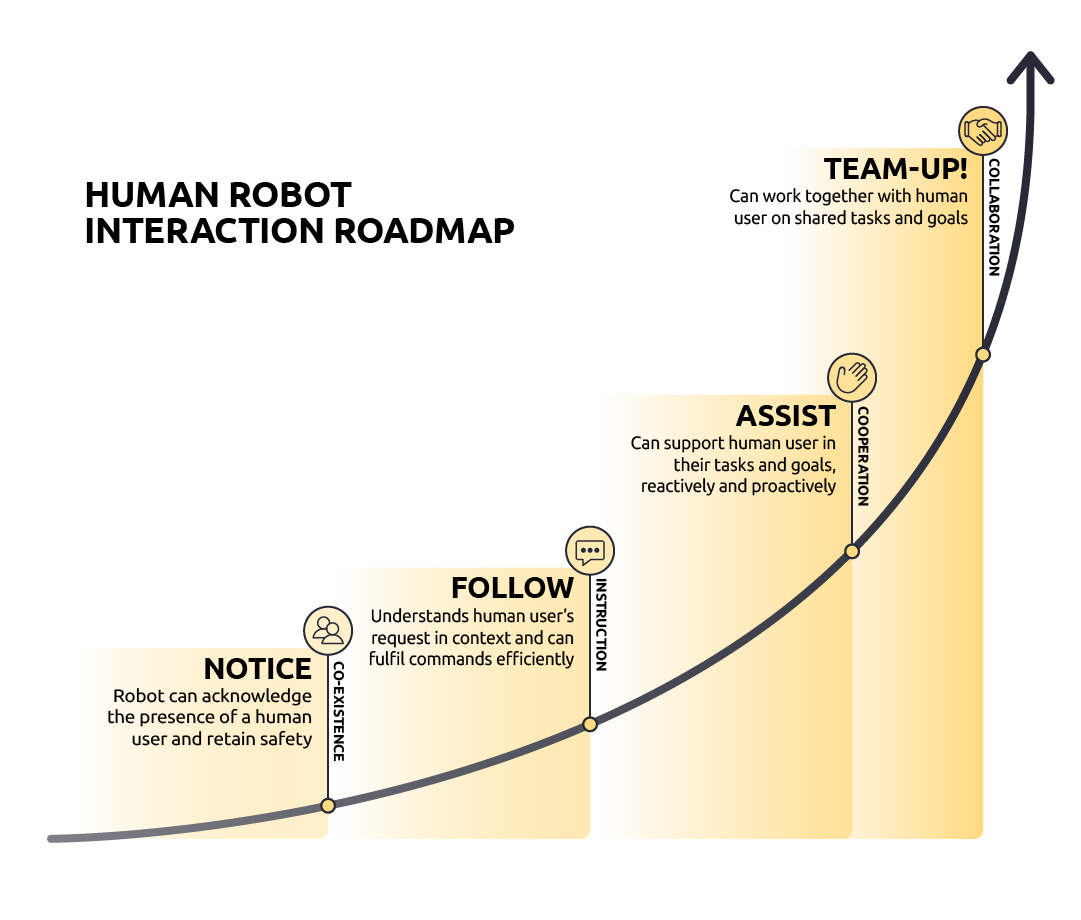
3. Psychological and Sociological Perspectives on Robot Fear
Fear of robots is not only triggered by appearance or science fiction; it also connects to deeper psychological responses and societal contexts.
3.1 Projection and Cultural Anxiety
Robots often serve as mirrors for societal fears about technological change and loss of control. Psychoanalytic perspectives argue that robot monsters in media reflect anxieties about being overtaken by our own rational creations—mirroring fears of dehumanization, loss of meaning, and erosion of identity in an increasingly automated world.
3.2 Fear Among Real Populations
Empirical research shows that fear of robots is not just a narrative construct—it has measurable associations with life satisfaction and emotional well‑being. One study found that individuals who report higher levels of fear about robots also report lower life satisfaction, perhaps due to anxiety about job displacement, loss of control, or uncertainty about the future.
In groups like older adults, fear and discomfort during human‑robot interaction remain significant barriers to adoption, highlighting that fear is both emotional and practical.
3.3 Teenagers and Robot Perception
Research on teenagers’ perceptions reveals that while science fiction can temporarily increase nervousness about robots, direct interaction with real robots can moderate those fears, suggesting that experience can counteract cultural narratives.
4. Reality Check: What Robots Can and Cannot Do Today
To separate science fiction from reality, it’s important to understand what robots actually are today versus what they are imagined to be.
4.1 Robots Are Tools, Not Autonomous Overlords
Current robots are primarily specialized machines designed for specific tasks—industrial arms, delivery bots, surgical assistants, and social robots for education or elder care. They are not autonomous superintelligent beings capable of independent, strategic action. Contrary to sci‑fi dystopias, robots today lack generalized consciousness or goals beyond their programmed tasks.
5. The Real Risks That Do Exist
While robots taking over the world remains firmly in the realm of fiction, there are legitimate concerns that deserve serious attention.
5.1 Job Displacement and Economic Disruption
One real fear is economic: automation and robotics have already transformed industries, replacing some jobs while creating others. Historical evidence suggests technological change can generate new opportunities, but the transition can be painful without adequate policy and retraining support.
5.2 Safety and Control
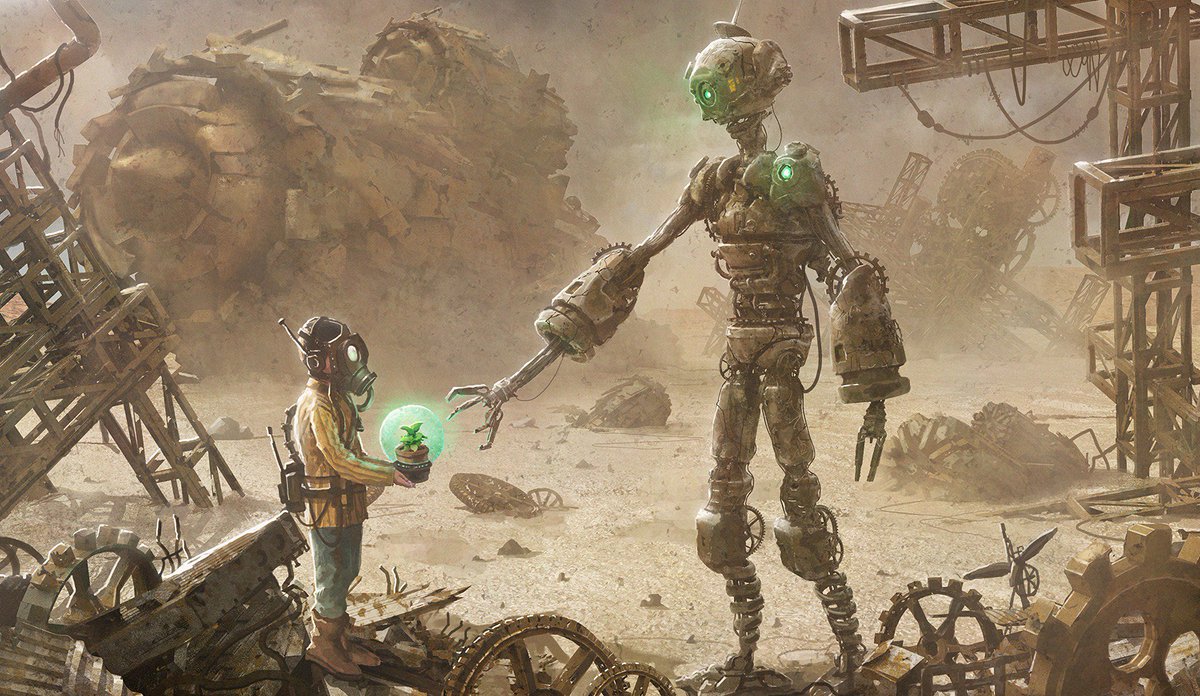
Physical safety in human‑robot interaction is a critical design challenge. Industrial and service robots must adhere to rigorous safety standards to prevent accidents. Safety issues are not hypothetical—they are operational concerns in real environments.
5.3 Ethical and Societal Impacts
Robots raise important ethical questions: Who is responsible when a robot causes harm? How are privacy and autonomy protected when robots enter private spaces? These challenges are already topics of serious academic and policy discussion in robotics and AI ethics.
6. Where Sci‑Fi Ends and Reality Begins
The fears perpetuated by science fiction—robots as existential threats—are powerful and pervasive, but they often overemphasize capabilities that science and engineering have not achieved and may never achieve. AI and robots lack the emotional intent, self‑preserving instincts, and unified agency typically depicted in fiction.
That said, some aspects of sci‑fi narratives do motivate valuable real‑world discussion of ethical, philosophical, and regulatory dimensions of robotics. Rather than fear robots as villains, there is value in using these narratives to explore responsible development, governance, and human values.
7. Toward a Balanced Understanding
To bridge the gap between sci‑fi fueled fear and informed reality, we must emphasize evidence‑based communication and public engagement:
- Education and Exposure: Hands‑on interaction with real robots can reduce fear and demystify technology, as shown by research.
- Ethics and Regulation: Thoughtful policies are needed to address privacy, responsibility, and human rights in a world of increasingly capable machines.
- Design for Trust: Human‑centered robot design—clear intentions, transparent behaviors, and safety features—can foster trust instead of fear.
- Cultural Reflection: Sci‑fi can be a tool for reflection, but dialogue must distinguish metaphor from material reality.
Conclusion
The fear of robots is neither entirely painted by sci‑fi nor fully grounded in reality—it is a blend of cultural storytelling, psychological response, real societal concerns, and technological evolution. Sci‑fi amplifies fears, often exaggerating capabilities that are far from today’s engineering reality. At the same time, legitimate risks—economic disruption, ethical conflicts, safety challenges—require attention.
Understanding this nuanced landscape helps us navigate the future of human‑robot coexistence with clarity and confidence, turning fear into insight and opportunity.