









The arrival of new technologies often sparks a wave of excitement and curiosity, and Optimus, an innovative API designed by OpenAI, is no exception. Since its launch, the industry has been buzzing with discussions about its potential, but is it all hype, or can it truly transform the way we interact with machines? This article aims to unpack what Optimus’s API can do, its real-world applications, and whether it’s truly living up to the expectations set by the tech community. Buckle up as we dive into this fascinating exploration of artificial intelligence and automation.
1. Understanding Optimus and Its API
Optimus is a large language model developed by OpenAI, capable of understanding and generating human-like text across a vast array of contexts. While OpenAI’s GPT models are designed to generate text, Optimus takes this one step further, acting as a bridge between humans and machines. By utilizing Optimus’s API, developers can integrate complex natural language understanding and generation capabilities into their applications with relative ease.
But what makes Optimus stand out? It’s not just about responding to queries or generating text. Optimus’s API is built to be adaptive, capable of learning from real-time data, and offering scalable solutions for businesses and developers alike. It supports a broad range of industries, from healthcare and education to finance and creative fields.
2. The Core Features of Optimus’s API
Let’s take a closer look at the core features of Optimus’s API that are already making waves in various industries.
a. Advanced Natural Language Processing (NLP)
At the heart of Optimus is its natural language processing capability. Whether it’s sentiment analysis, content generation, or real-time chatbots, the API allows developers to build applications that understand, interpret, and generate human language with exceptional accuracy. This can be leveraged in everything from customer support automation to content creation and social media monitoring.
b. Multimodal Capabilities
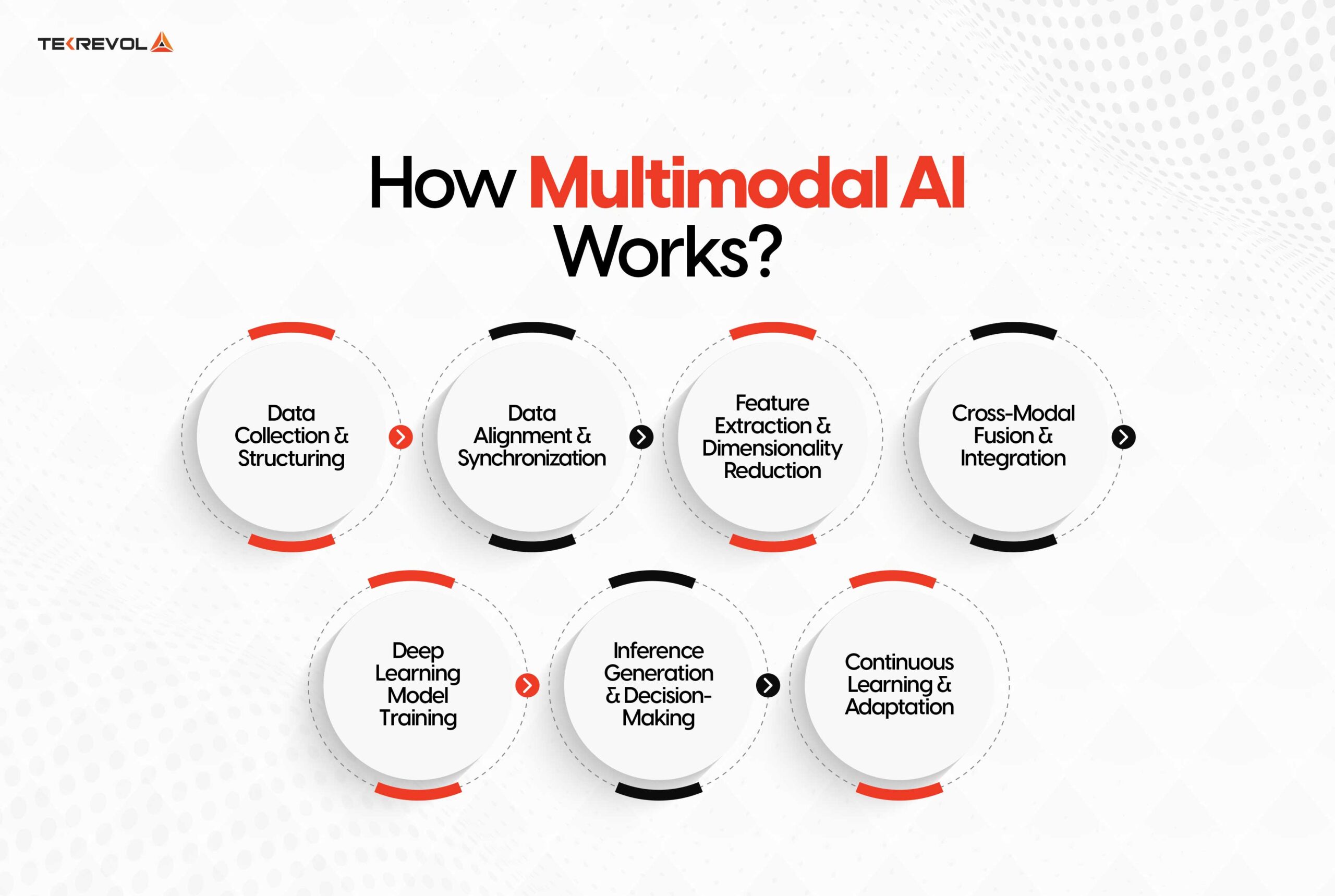
Unlike some AI models that are limited to text or images, Optimus supports multimodal capabilities. This means it can understand and generate not just text, but also process visual and audio input in certain contexts. For example, it could be integrated into applications that analyze video content, transcribe speech into text, or generate descriptive captions for images. These features are particularly valuable in sectors such as e-commerce, education, and healthcare.
c. Real-Time Learning
Optimus is also capable of learning in real-time, allowing it to adapt to new contexts and improve its responses based on feedback. This is crucial for applications like personalized recommendations, dynamic pricing models, and chatbots that need to maintain context throughout a conversation. Developers can fine-tune Optimus’s API to ensure that it stays relevant and accurate, even as it encounters new types of data and interactions.
d. Robust Security and Privacy Features
Security and privacy are paramount in today’s digital age, and Optimus takes these concerns seriously. The API provides robust mechanisms for ensuring that data remains secure and that privacy standards are upheld. This is particularly critical for industries like healthcare and finance, where sensitive information must be handled with the utmost care.
3. Real-World Applications of Optimus’s API
So far, we’ve discussed the technical capabilities of Optimus’s API, but what does this mean in practical terms? How is it being used today, and what can you actually do with it?
a. Customer Service Automation
One of the most obvious uses for Optimus’s API is in automating customer service. With its ability to understand and respond to human language, businesses can integrate Optimus-powered chatbots into their customer support systems. These chatbots can handle routine inquiries, troubleshoot common issues, and provide personalized responses—24/7. As a result, businesses can reduce the load on human agents, improve response times, and enhance the overall customer experience.
b. Content Creation and Marketing
Content creation is another area where Optimus shines. Whether you’re writing blog posts, creating social media content, or developing marketing copy, Optimus can generate high-quality text that is engaging and relevant. Its ability to analyze trends, optimize for SEO, and adapt tone and style to different audiences makes it an invaluable tool for marketers looking to scale their content efforts without sacrificing quality.
c. Healthcare and Medical Research
In the healthcare sector, Optimus’s API can be leveraged for a variety of applications. From automating administrative tasks like scheduling and patient intake to helping medical professionals analyze research papers and patient records, Optimus is a versatile tool. Its ability to process medical terminology and extract insights from large datasets makes it a powerful tool for improving efficiency and accuracy in healthcare.
d. Education and E-Learning
Optimus’s capabilities also extend to the education sector. In e-learning environments, it can be used to create intelligent tutoring systems that provide personalized feedback and support to students. Whether it’s helping students with homework, offering explanations of complex concepts, or providing real-time quizzes and assessments, Optimus can enhance the learning experience by making it more interactive and adaptive to individual needs.
e. Financial Services
Financial institutions are increasingly turning to AI to enhance their services. Optimus’s API can assist in automating tasks like fraud detection, risk assessment, and market analysis. By processing vast amounts of financial data, Optimus can identify patterns and provide valuable insights, helping companies make better decisions and improve their overall efficiency.

4. The Hype vs. Hands-On Reality
Despite the potential of Optimus’s API, there’s always the question of whether the hype around it is justified. After all, we’ve seen similar promises from other AI tools that didn’t quite live up to the expectations. So, what does the real-world usage of Optimus look like?
a. Scalability and Integration
One of the key advantages of Optimus is its scalability. Developers can easily integrate the API into their existing systems and scale their applications as needed. Whether you’re building a small chatbot or a full-fledged enterprise solution, Optimus can handle it. This flexibility has made it a go-to tool for many developers who need to quickly prototype and deploy AI-driven solutions.
b. Ease of Use
Another positive aspect of Optimus is its user-friendly interface. The API is well-documented, making it accessible even for those with limited experience in AI development. This democratization of AI tools is a big part of the appeal of Optimus. You don’t need to be a machine learning expert to start building applications with it, which lowers the barrier to entry for developers and businesses alike.
c. Performance and Reliability
In terms of performance, Optimus delivers. It provides fast response times and high accuracy, making it a reliable tool for real-time applications. While no AI system is perfect, Optimus’s ability to adapt and improve through feedback ensures that its performance only gets better over time.
d. Ethical Considerations and Challenges
Despite its impressive capabilities, Optimus is not without its challenges, especially in the ethical realm. As with any powerful AI, there are concerns about how it is used and the potential consequences of its deployment. Issues like bias in AI, privacy violations, and the impact on jobs and labor markets are all important considerations that need to be addressed.
Furthermore, developers must be mindful of the ethical implications of using Optimus’s API in certain applications. For example, in healthcare, misinterpretation of medical data could lead to serious consequences. Similarly, the use of AI in surveillance and data collection must be approached with caution to avoid infringing on privacy rights.
5. Looking Ahead: The Future of Optimus
As with any emerging technology, the future of Optimus is still unfolding. While the current capabilities are impressive, we can expect even more advanced features to be added over time. Improvements in natural language understanding, better multimodal integration, and more intuitive learning models will likely make Optimus even more powerful and versatile.
Moreover, as industries continue to adopt AI-driven solutions, we can anticipate new use cases for Optimus’s API that we haven’t yet considered. From more sophisticated applications in robotics to deeper integrations with IoT devices, the possibilities are truly endless.
Conclusion: Hype or Hands-On?
So, is Optimus’s API all hype, or does it deliver on its promises? The answer is clear: it’s both. There’s a lot of excitement surrounding Optimus, and rightly so—its capabilities are impressive, and its potential applications are vast. However, as with any new technology, there are challenges and ethical considerations that must be addressed.
For developers, businesses, and organizations, Optimus represents a powerful tool that can enhance workflows, automate tasks, and enable new innovations. As long as users approach it with a clear understanding of its limitations and a focus on ethical implementation, Optimus’s API can indeed live up to the hype.