









Introduction
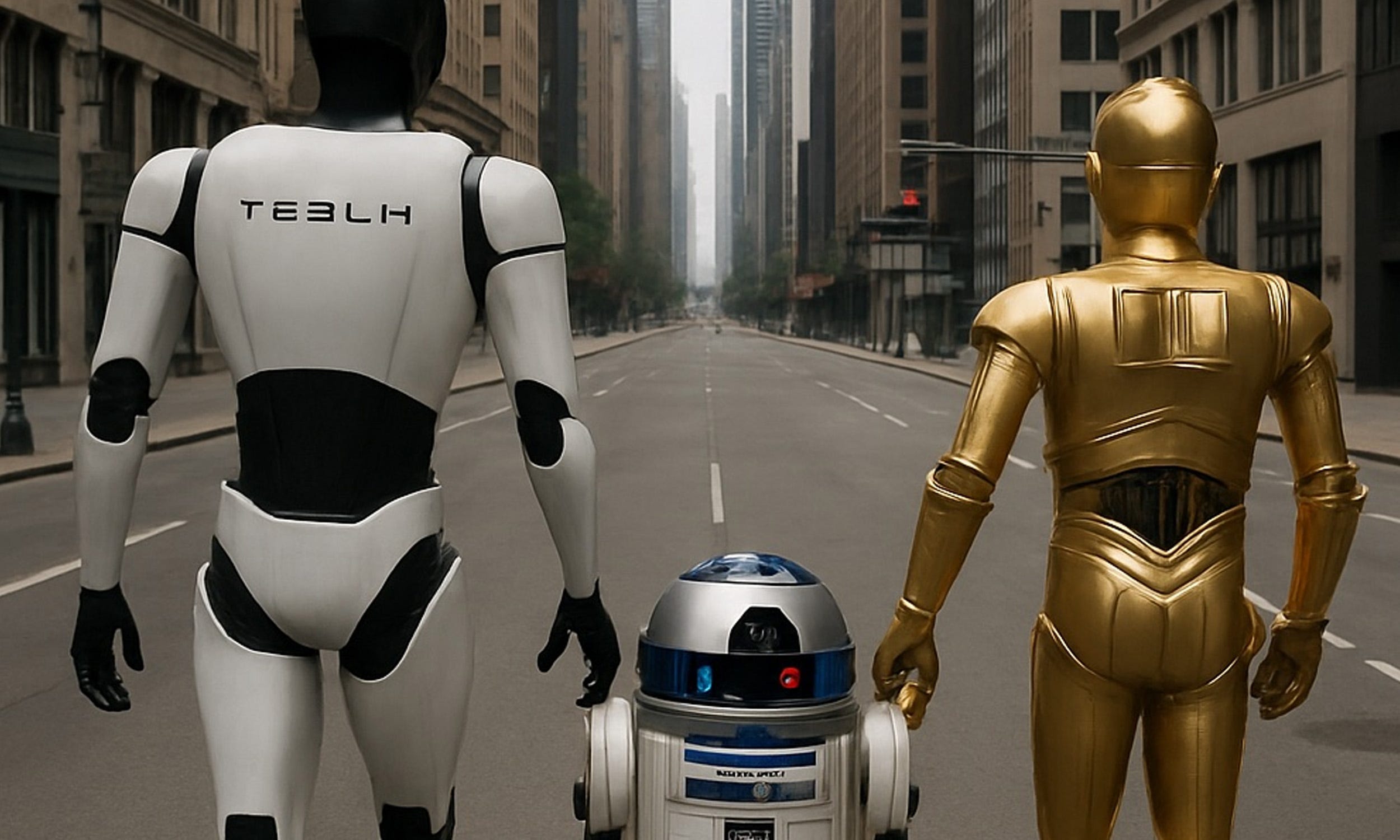
In an age when machines are becoming more autonomous, more intelligent, and more woven into the fabric of human life, a provocative question demands our attention: Are we ready to treat robots as moral agents? This question isn’t a whimsical thought experiment; it strikes at the core of how we understand agency, responsibility, rights, trust, and even what it means to be moral. As robots evolve from simple task‑performers to sophisticated autonomous systems, do we stand at the threshold of a new kind of moral community — one that may include non‑human agents? Or are we poised to make grave philosophical and practical mistakes by prematurely attributing moral status to machines that, in many ways, remain fundamentally mechanistic?
To unpack this question thoroughly and engagingly, we’ll explore the philosophical groundwork of moral agency, the current technological landscape of robotics and artificial intelligence (AI), the implications of treating machines as moral agents, and the ethical, legal, and social challenges that emerge. Along the way, this article will argue that while elements of artificial moral agency are conceptually intriguing and technologically emergent, we are not yet fully ready — if ever we will be — to treat robots as genuine moral agents in the same league as humans.
What Is a Moral Agent?
To answer whether robots can be moral agents, we must first clarify what moral agency means. In ethics, a moral agent is traditionally understood as an entity capable of:
- discerning right from wrong based on moral reasoning,
- forming intentions guided by moral values, and
- being held accountable (or praised) for actions in light of those moral reasons.
This conception integrates philosophical concepts such as intentionality, autonomy, consciousness, and responsibility — qualities normally associated with humans and, to some extent, other sentient beings like certain animals.
Crucially, traditional moral agency doesn’t just hinge on following a set of rules or algorithms; it relies on understanding, intentional choice, and responsibility. Machines can demonstrate impressive behaviors guided by programmed rules or learned patterns, but do they understand the moral dimensions of what they do? This question lies at the heart of our inquiry.
The Spectrum of Agency: From Tools to Agents
Robot ethics — sometimes called machine ethics — examines the moral implications of robots and intelligent systems in human contexts. It spans a considerable conceptual range, from simple tools that carry out human commands to highly autonomous systems that make decisions with significant impact on human lives.
Researchers often distinguish between different types of agents:
- Reactive agents: Systems that respond to inputs in predictable ways without internal moral reasoning (e.g., simple cleaning robots).
- Functional agents: Robots that follow rules embedded by developers but do not possess moral reasoning.
- Explicit ethical agents: Machines designed to evaluate actions against ethical principles, typically through algorithms.
- Artificial Moral Agents (AMAs): Hypothetical systems capable of making decisions that align with moral judgments, possibly justifying those decisions morally.
Proponents of machine ethics see this as a potential trajectory, suggesting robots could gradually move along a continuum from “amoral systems” to entities with ethically significant behavior. Yet critics emphasize that these classifications are only functional descriptions — not evidence of genuine moral understanding.
Deep Autonomy vs. Programmed Decisions
One of the central debates in robot ethics concerns whether autonomy in machines equates to the kind of autonomy associated with moral agency.
On the one hand, if a robot’s behavior can be fully explained as the outcome of programming and input data, many argue it cannot truly be said to choose anything in a moral sense. Its “decisions” are complex computations, not reflective judgments.
Some theorists, however, propose that a robot could be considered a moral agent if:
- it operates independently of direct human control;
- its behavior reflects predispositions that can be interpreted as intentions toward good or harm; and
- its actions indicate an understanding of responsibility toward others.
Under this view, moral agency doesn’t require personhood or consciousness — merely functionality that aligns with moral frameworks. But this stance is controversial: many philosophers argue that lacking consciousness, genuine motivation, and emotional depth means machines simulate ethical behavior rather than embody it.

Human Perceptions of Moral Agency in Robots
Studies in psychology and human‑computer interaction suggest people already attribute varying degrees of moral agency to robots — but in surprising ways. Research indicates that humans tend to attribute less mental capacity to robots that behave harmfully compared to benevolently, implying that moral judgment assessments are influenced by perceived intentions, even when none exist in the machine.
This phenomenon reveals two critical points:
- Perception matters: Humans may treat robots as moral agents in everyday life if their behavior seems morally relevant.
- Attribution bias: People might project intentions or traits onto robots based on behavior — not on any intrinsic moral understanding by the machine.
Such perceptions raise important consequences for how robots are designed, marketed, and integrated into social settings. A robot that appears to “choose” between helping or harming humans can trigger attributions of agency, even if the behaviour results solely from design choices.
Benefits of Treating Robots as Moral Agents
Why entertain the idea of moral robots at all? Advocates cite several advantages:
1. Improved Safety in Autonomous Systems
Robots operating in human environments — such as self‑driving cars, elderly care assistants, and medical support robots — make choices that affect human well‑being. Embedding ethical decision‑making frameworks could theoretically reduce harm and improve safety outcomes, especially in high‑stakes scenarios.
2. Clearer Responsibility Allocation
If robots are treated as agents with moral consideration, ethical duties and responsibilities might be explicitly built into their programming. This shifts some burdens away from human supervisors while clarifying expectations for machine behavior.
3. Social Integration
As robots become more common in daily life, framing them as ethical agents could facilitate smoother interactions with humans, fostering trust and predictability.
Risks and Challenges
Despite the attractive possibilities, there are profound challenges associated with treating robots as moral agents:
Lack of Genuine Understanding
Robots do not experience the world. They lack consciousness, emotions, and intrinsic motivations. Even the most advanced systems operate within rigid boundaries of code and training data, not authentic moral reflection.
Accountability and the Responsibility Gap
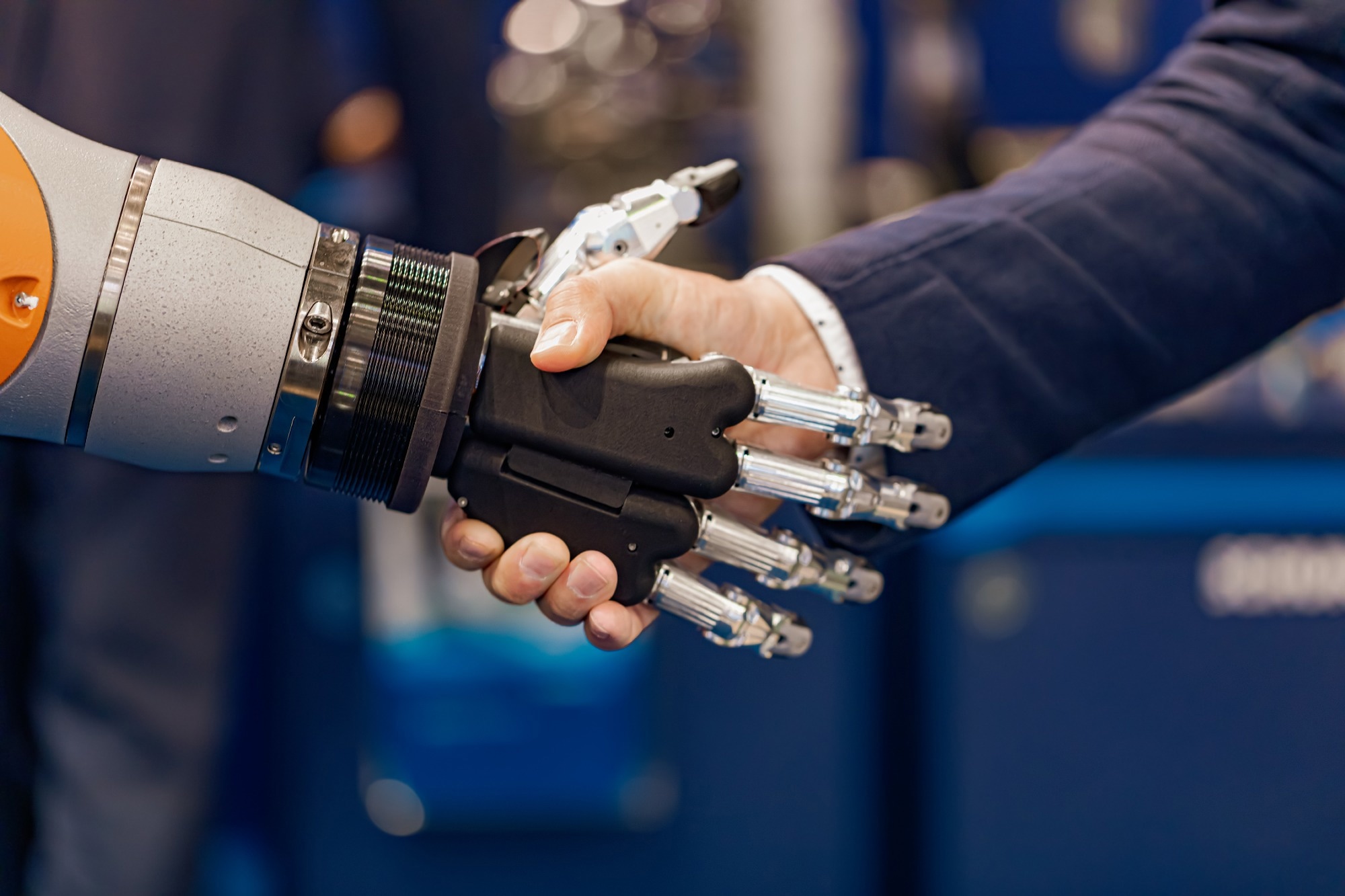
Assigning moral agency to a robot creates a “responsibility gap”: who is accountable when something goes wrong — the robot, its developer, its manufacturer, or its user? Some theorists argue that robots cannot bear responsibility in the same way humans do.
Moral Outsourcing
Relying on machines for moral decision‑making can lead to moral outsourcing, where humans abdicate ethical responsibility and overly rely on algorithms to make hard choices. This can dilute human moral engagement and erode ethical reasoning skills.
Legal and Institutional Issues
Our legal systems are built around human actors. Introducing moral machines would require profound legal reforms — from liability frameworks to rights conferred upon autonomous systems and regulation of their operation.
Technological and Social Constraints
Current AI and robotics lack several core aspects of moral agency:
- Semantic Understanding: Robots process patterns but do not understand moral concepts as humans do.
- Free Will: Machines operate under deterministic algorithms, lacking genuine choice independent from design.
- Empathy and Emotions: These play essential roles in human moral deliberation but are absent in machines.
Even advanced models that display complex reasoning rely on statistical correlations, not deep semantic comprehension.
A Middle Way: Quasi‑Agents and Functional Responsibility
While robots may never achieve full moral agency, a pragmatic compromise exists: treating them as quasi‑moral agents for specific functional purposes.
This approach recognizes that:
- Robots can be embedded with ethical decision‑making frameworks to guide behavior.
- Humans remain ultimately responsible for robot design, deployment, and outcomes.
- Regulatory systems can assign responsibilities and liabilities without attributing full moral agency to machines.
Such a perspective allows us to benefit from autonomous systems while maintaining human moral accountability.
Emerging Research and Future Possibilities
Some scholars suggest hybrid models where robots operate with context‑aware normative reasoning, allowing them to align with human values in complex social environments. Others speculate about future AI systems that could develop limited forms of moral agency without consciousness, challenging traditional philosophical assumptions.
These debates indicate that the discussion is far from settled, and the lines between programmed behavior and moral action may blur as technology advances.
Conclusion: Are We Ready?
So, are we ready to treat robots as moral agents?
The short answer is not yet. While robots increasingly mimic agentive behavior and may perform complex ethical computations, they still lack key aspects of genuine moral agency such as consciousness, deep understanding, and autonomous responsibility. Moreover, treating them as moral agents raises serious ethical, legal, and social concerns, including responsibility gaps, moral outsourcing, and problematic attributions of agency.
However, this doesn’t mean we should dismiss ethical design in robotics. Ethical frameworks, responsible innovation, and sensible regulation are critical to ensuring robots behave safely and beneficially within human environments. We can — and should — design machines to act ethically, but conflating acting ethically with being ethical agents is premature.
Before we stand ready to regard robots as moral agents, we must grapple with deep philosophical questions about agency and personhood, refine our technological capabilities, and evolve our legal and ethical institutions to accommodate a new era of autonomous systems. Until then, moral agency remains a human characteristic — one that may shape the development of machines, but not be fully embodied by them.