








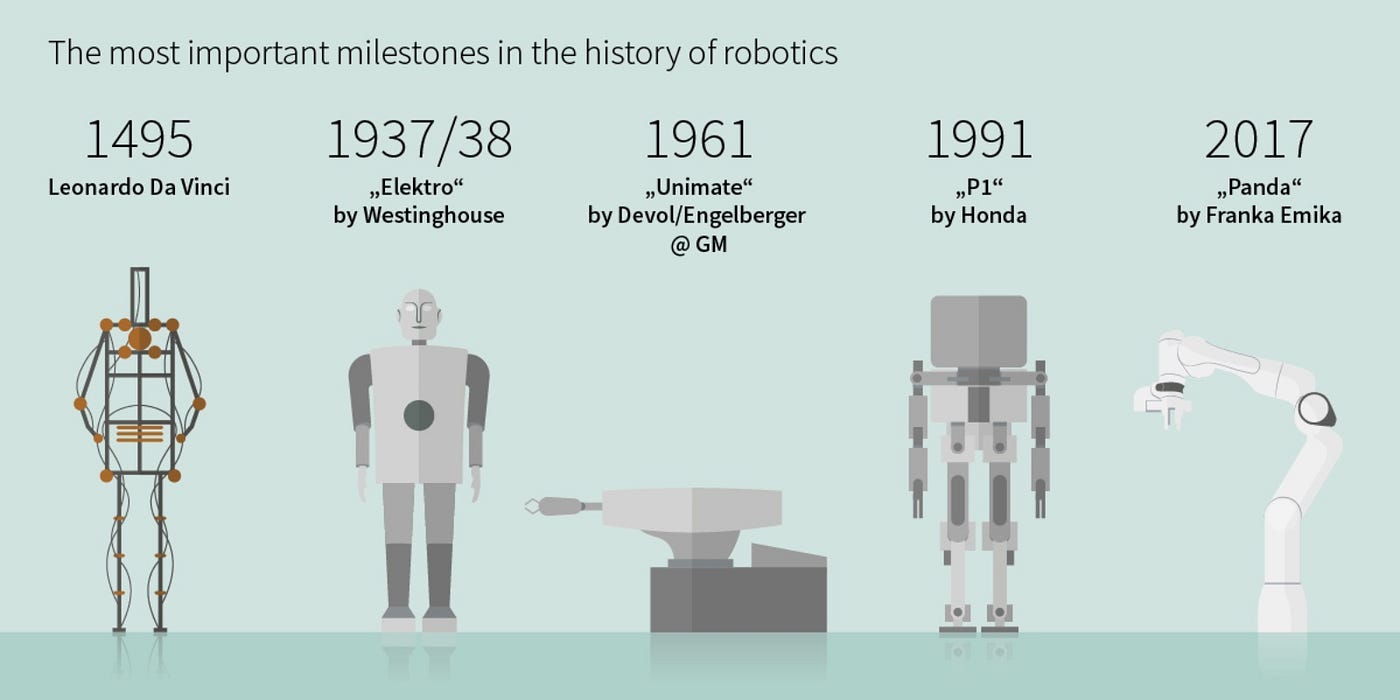

In the early days of automation, industrial robots were pariahs of fear and fascination. In factory corridors filled with whirring metal arms and pneumatic pistons, humans often hovered on the edge between awe and anxiety. Today, robots have spilled far beyond assembly lines—into our labs, hospitals, workplaces, and even living rooms. This proliferation raises a fundamental psychological and societal question: Do robots make us feel safer—or do they make us more uneasy?
To explore this, we must traverse research from cognitive psychology, human‑robot interaction (HRI), design and engineering, and social science. Each reveals fragments of a complex emotional puzzle. Some people instinctively feel safer around machines that perform risky tasks. Others recoil from robots that seem too human, or that appear to make decisions on their own.
Let’s start by grounding our understanding in the core factors that shape our comfort, trust, and emotional responses to robots.
The Anatomy of Perceived Safety
When people talk about feeling “safe” with a robot, they are referring to a blend of perceptions, emotions, and cognitive evaluations—not just objective safety measures. In HRI literature, perceived safety often correlates closely with psychological comfort, sense of control, and trust. Researchers have identified key factors influencing these perceptions:
- Comfort and predictability: People feel safer when a robot’s behavior is predictable and consistent rather than erratic. Sudden or unexpected movement can trigger unease even if there’s no actual danger.
- Sense of control: When humans believe they understand and can influence a robot’s actions, subjective safety rises. Lack of control makes interactions feel threatening.
- Trust and transparency: People trust robots more when they can infer intent and integrity from their design and behavior. Perceived agency (the idea that a robot is intentional, competent, or capable of independent reasoning) can paradoxically increase trust even if performance is mediocre.
In controlled studies, participants reported feeling safer when robots behaved predictably and when they were familiar with their behavior. Conversely, uncertainty or unpredictable motion—even without danger—can generate discomfort and anxiety.
Thus, the anatomy of perceived safety is intertwined with human psychology, not just engineering.
The Allure of Robotics in Risky Roles
One domain where robots undeniably enhance safety is in physically hazardous environments. From bomb disposal units to deep‑sea exploration vehicles, humans have long leaned on robotic proxies to mitigate risk. These systems remove humans from danger and expand our operational reach.
Industrial collaborative robots—“cobots”—illustrate this benefit well. They come equipped with force limiters, sensors, and responsive algorithms designed to prevent collisions with human coworkers. Studies report that many workers feel safer working alongside cobots compared to traditional industrial robots because the machines can support heavy or dangerous tasks.
Beyond industrial settings, robots deployed in emergency response—as unmanned rescue bots or environmental inspection units—may safely enter unstable zones, protecting human lives. These applications clearly align with human instinct: robots out there, doing the dangerous work, while we stand back safe.
But safety isn’t one‑dimensional, and the robot’s role matters.
The Uneasy Realm of Human‑Like Robots
Not all robots make us feel comfortable. Interestingly, how a robot looks and behaves plays a profound role in emotional reactions.
One of the most well‑known phenomena in this domain is the uncanny valley. Originally proposed in the 1970s, the uncanny valley describes how robots or avatars that are very close to human in appearance can instead evoke discomfort, eeriness, and even fear. Humans respond positively to clear robotic forms and to real human faces—but somewhere in between lies a chilling “valley” of unease.
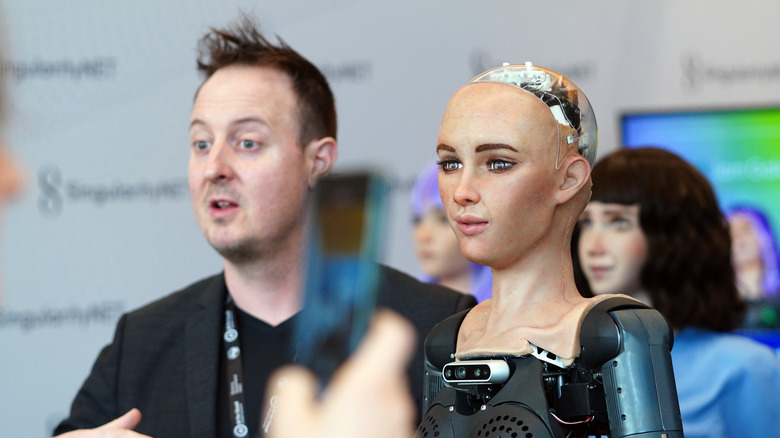
Studies show that the uncanny response happens rapidly—often within a fraction of a second—as our brains assess facial cues and movement patterns. Robots with faces that are almost but not quite correct trigger cognitive dissonance and disturbance. This is not mere artistic quirkiness: it is rooted in deep perceptual and evolutionary wiring. Subtle inconsistencies in movement or affect prompt questions like “Is this safe?” or “Is that really alive?”
So paradoxically, robots that look too human may make us feel uneasy—not safer.
Trust: A Fragile Bridge Between Safety and Unease
Trust is a psychological currency in human‑robot interaction. But trust doesn’t emerge automatically just because a robot is functional. It depends on multiple cues:
- Norm conformity: People tend to trust robots more when they conform to established social expectations and norms. Deviations can arouse suspicion or discomfort.
- Design and aesthetics: A robot’s shape, color, and motion influence how reliable or approachable it seems. Rounded, friendly designs are often perceived as more trustworthy than sharp, angular exteriors.
- Performance history: Familiarity and consistent performance tend to reinforce trust, while unpredictability undermines it.
Research also highlights surprising quirks in trust behavior—for example, humans sometimes trust robots even when they are unreliable, following direction blindly in staged experiments even after malfunction.
This raises questions about how trust is formed, and whether misplaced trust might pose its own safety risks.
Emotional Responses and Social Robots
Beyond industrial and utility robotics lies the domain of social robots—machines designed not just to perform tasks but to interact, accompany, and engage emotionally with humans.

Experiments with companion robots like Pepper suggest humans can develop comfort and even emotional attachment over repeated interactions. Participants reported that robots became more socially competent and comforting over time, and mood improved across sessions—indicating a potential for robots to enhance wellbeing rather than provoke fear.
Interestingly, emotional expressiveness matters: more human‑like emotional signals can sometimes increase empathy and cooperation, but in other contexts can trigger anxiety and reduce trust. Studies show that robots displaying emotional cues sometimes increase anxiety more than non‑emotional bots, complicating assumptions about emotional design.
This dual nature highlights that emotions in robotics are not simplistic: they can comfort, confuse, unite, or alienate human partners.
Psychological Stress and the Workplace
While robots can reduce physical labor and risk, they can also introduce new forms of psychological strain. Workers in highly automated environments sometimes report stress, decreased autonomy, and reduced job satisfaction—even as their physical strain decreases. This can paradoxically create unease about the future, job security, and identity in the workplace.
Such anxieties reflect a broader psychological dimension: security isn’t just about physical safety, it’s about psychological stability and meaning.
To feel safe, people need predictability, control, and a sense of agency in their environment. When robots assume critical functions without clear human oversight, some people respond with mistrust or anxiety about loss of control—a form of unease grounded in identity and autonomy.
The Ethics of Robotic Integration
Robotic safety isn’t purely technical—it’s inherently ethical. As robots become embedded in caregiving, therapy, and domestic life, deep questions emerge:
- Should robots in caregiving roles have emotional expressivity, or does that risk confusing human expectations?
- Can humans form relationships with machines without jeopardizing real human empathy?
- How do we balance safety with autonomy, trust with transparency?
These questions highlight unresolved ethical dimensions in robot deployment, particularly as machines blur the line between tools and companions.
Toward Trustworthy and Human‑Centered Robotics
If the goal is to design robots that make us feel safer, research suggests that engineers must balance utility with human psychology. Trustworthy robots convey predictability, transparency, clarity of intent, graceful aesthetics, and respect for human emotional boundaries.
Robot designers are already focusing on human‑aware motion planning, proxemics (respecting personal space), and psychologists’ insights into facial cues and emotional perception.
In essence, safety in human‑robot interaction extends beyond avoiding physical danger: it includes psychological comfort, emotional resonance, social norms, and ethical clarity.
Conclusion: A Dual Reality
So, do robots make us feel safer or more uneasy? The answer is both.
Robots can enhance physical safety by performing dangerous tasks and reducing risk exposure. They can support human wellbeing when thoughtfully integrated. But they can also evoke unease—particularly when their appearance, autonomy, or social roles challenge our expectations or undermine our sense of control.
Our emotional responses to robots reflect deep cognitive wiring, cultural narratives, and evolving societal norms. As robots become more ubiquitous, shaping these interactions with empathy, transparency, and insight will be crucial—not just for safety, but for our collective psychological wellbeing.