








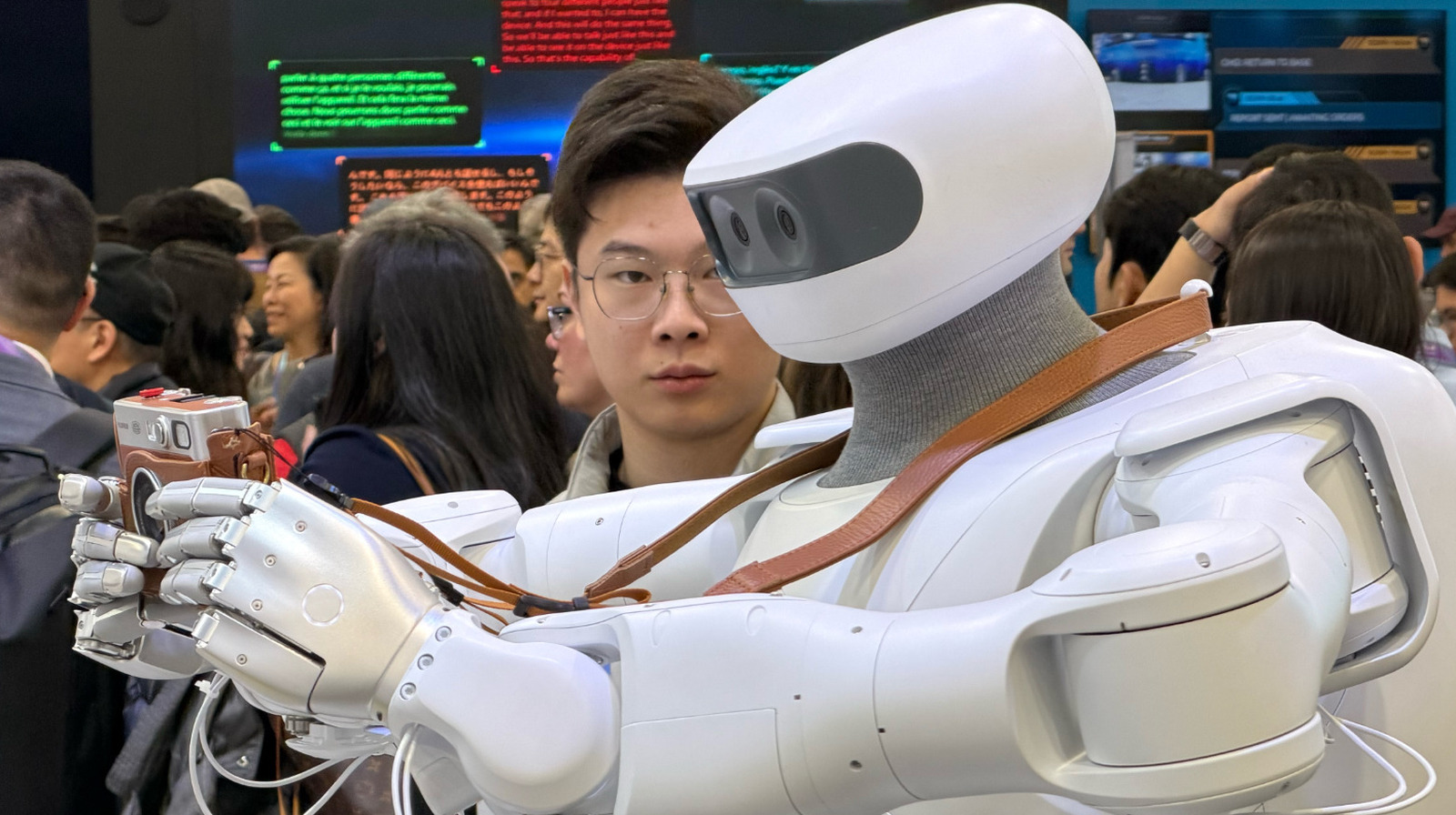

Introduction: A Technological Generation Gap?
In the rapidly evolving world of robotics and artificial intelligence (AI), one question has captured the curiosity of researchers, technologists, and society at large: Are younger generations more robot‑friendly? As robots transition from factory floors into homes, healthcare settings, and public spaces, public attitudes play a crucial role in their acceptance and integration. This article explores generational differences in attitudes toward robots, the underlying reasons for these differences, and their implications for society, industry, and the future of human‑robot interaction.
What we find when reviewing the growing body of research is nuanced, sometimes contradictory, and deeply fascinating. Younger adults often appear more optimistic and engaged with robot technologies, but the picture is more complex than generational stereotypes might suggest. Let’s dive in.
1. What Does “Robot‑Friendly” Mean?
Before we can answer whether younger generations are more robot‑friendly, we need to define what robot friendliness actually entails. In academic and industry research, robot friendliness generally refers to:
- Attitudinal acceptance — How positively one feels toward robots in general.
- Intentional acceptance — Whether someone would be willing to use or live with a robot.
- Emotional comfort — How comfortable individuals are interacting with robots socially or physically.
- Trust and perceived usefulness — Whether one thinks robots can reliably help them or improve life quality.
Different studies measure these concepts with tools like the Negative Attitudes Toward Robots Scale (NARS), surveys about robot usefulness, or observational interaction studies.
2. Younger Generations and Technology: The Digital Native Effect
Younger generations — often defined as Millennials (born approximately 1981–1996) and Generation Z (born 1997–2012) — have grown up embedded in digital technology. Smartphones, social media, and ubiquitous computing are central to their everyday lives.
This formative exposure to digital technologies translates into greater familiarity and comfort with technological innovation. Multiple studies indicate that younger adults tend to exhibit more enthusiasm and lower skepticism toward robots and emerging technologies than older adults. In one experimental investigation, younger participants demonstrated lower negative attitude scores toward robots than older groups, indicating higher acceptance and enthusiasm.
This trend mirrors broader research on technology adoption, where age often emerges as a predictor of attitudes toward innovation. Younger people typically adopt new tools faster and with fewer reservations than older cohorts.
3. The Contradictions: Context Matters
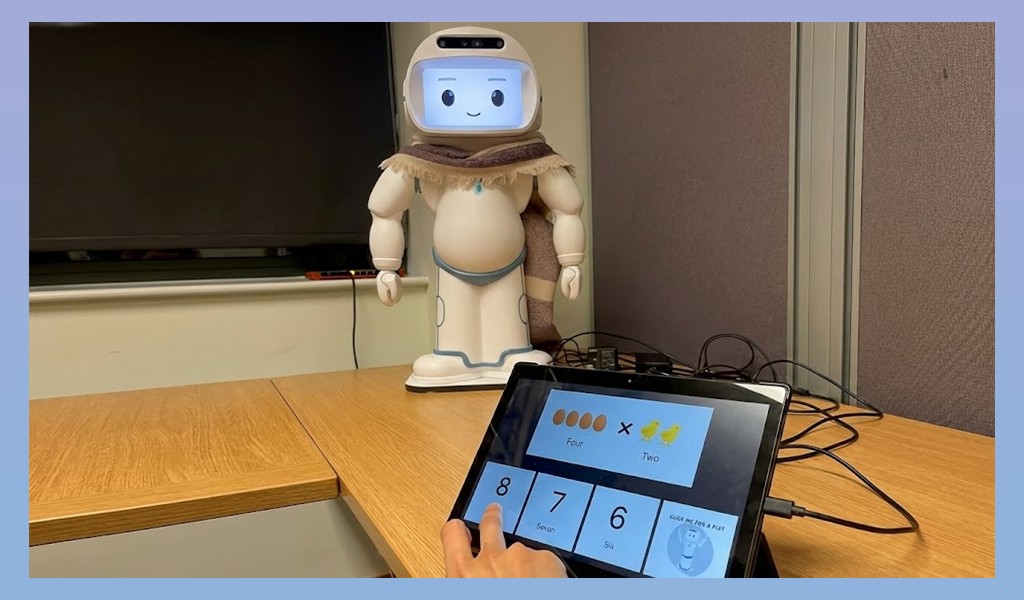
While many studies show that younger adults are more receptive to robotics, this finding is not universal.
For instance, research into attitudes toward humanoid robots in healthcare settings found unexpected patterns: the youngest age classes (15–29 years) sometimes showed slightly less positive attitudes than adults in their 30s, suggesting that context and robot function matter.
This highlights a crucial point: acceptance can depend as much on robot type and application as on generational identity. Younger people may be excited about certain robots (e.g., assistive devices, AI companions) but less comfortable when robots are placed in emotionally sensitive roles (e.g., caregiving in obstetrics).
4. Why Younger People Tend to Be More Robot‑Friendly
4.1 Digital Fluency and Familiarity
Younger generations have extensive experience with technologies that blend seamlessly into daily life — from voice assistants to smart appliances. This early and continuous exposure reduces anxiety and boosts confidence in experimenting with new robotic systems.
In research on AI products, younger individuals under 35 were significantly more engaged with AI tools and reported higher adoption rates than older age groups.
4.2 Optimism Toward Innovation
Millennials and Gen Z often see technology as an engine for progress — a tool to solve global problems ranging from climate change to healthcare access. This optimism is not blind, but generally more positive than the skepticism seen in older generations who didn’t grow up with digital ubiquity.
However, surveys also show that younger people simultaneously recognize risks — especially around privacy and societal impacts — indicating a cautious but open attitude rather than uncritical enthusiasm.
4.3 Economic and Educational Factors
Education and socioeconomic status intersect with age in shaping attitudes. Research shows that higher education levels correlate with greater acceptance of technological innovation, including robotics. This effect is often stronger than age alone, suggesting that education amplifies receptivity across generations.
5. Why Older Generations Are Often Less Receptive
5.1 Limited Familiarity
Older adults have often had fewer opportunities to interact with new technologies during their formative years. This can lead to technophobia — anxiety or mistrust about technology — which has been documented as a significant barrier to robot acceptance.

5.2 Perceived Threats and Practical Concerns
For workers in particular industries, robots can represent job displacement and loss of identity tied to work. Studies show older adults may be less positive about robots assisting with work tasks, partly because of fears about job replacement.
5.3 Emotional and Social Factors
Some older adults express discomfort with robots filling roles traditionally associated with human empathy, such as caregiving or social companionship. In healthcare settings, older participants may prefer human interaction and be skeptical of a machine’s ability to provide emotional support.
Yet, this is also shaped by cultural norms and personal experience, and some older users with supportive training and design interventions react more positively than expected.
6. The Interplay of Trust and Robot Interaction
Acceptance of robots is tied closely to trust. Trust is not monolithic — it can include:
- Instrumental trust: believing a robot can reliably perform a task
- Affective trust: feeling comfortable interacting socially with a robot
Studies show that trust and reduced technophobia are strong predictors of how welcoming older adults are toward robots, indicating that barriers can be mitigated through design, education, and experience.
7. Generational Narratives: Beyond Simple Labels
When we talk about “younger generations” being more robot‑friendly, it’s important to avoid simplistic narratives.
- Younger people are diverse. Teenagers’ and young adults’ views can vary depending on culture, exposure, and context. For example, some studies found that teenagers’ excitement about robot interaction might be linked more to novelty than deep acceptance.
- Older adults are not monolithic. Many older individuals embrace technology when it is well designed, relevant, and accompanied by good user support.
- Context matters. Robots in healthcare, labor, education, and entertainment elicit different responses from all age groups depending on perceived usefulness, social implications, and ethical considerations.
This complexity should caution us against sweeping claims that one generation is inherently more robot‑friendly than another.
8. Implications: Designing for All Ages
The generational differences in robot friendliness have practical consequences:
- Designers must prioritize accessibility. Robots that are intuitive and accommodating to diverse skill levels can reduce barriers for older users.
- Education and exposure matter. Workshops, demos, and positive early interactions can shift attitudes across generations.
- Policy and ethics frameworks should be inclusive. As robotics permeates society, frameworks must address privacy, emotional impacts, and equitable access.
Understanding human attitudes is as important as technological advancement itself. After all, a robot is only as effective as the society that accepts and uses it.
Conclusion: A Spectrum of Acceptance
So, are younger generations more robot‑friendly? The evidence suggests yes — but not in a simple, linear way. Younger people generally exhibit greater familiarity, openness, and optimism toward robots, but they also balance these views with nuanced concerns about privacy, ethics, and societal impacts. Older adults may initially appear more skeptical, but context, design, and experience can significantly improve acceptance across age groups.
Ultimately, robot friendliness is not just about age — it is about experience, trust, education, context, and the human connection to technology. As robots continue to become part of everyday life, bridging generational perspectives will be key to fostering inclusive, effective human‑robot collaboration.