








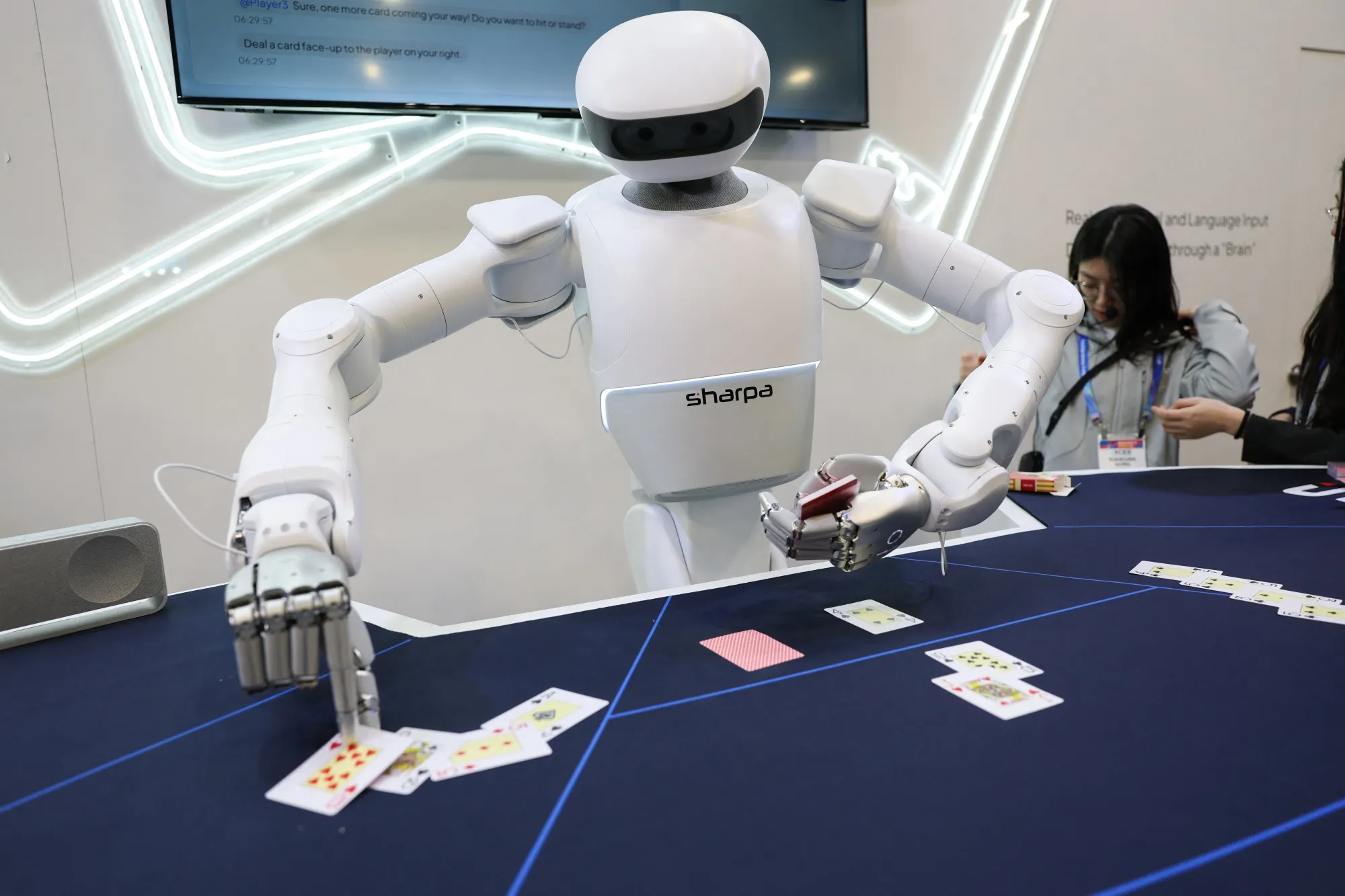

The Consumer Electronics Show (CES) is no stranger to imagination and future tech spectacle, but CES 2026 may well go down as a turning point—especially for humanoid robotics. For years, robots that looked like humans were either novelty showpieces or research curiosities. This year, however, the narrative shifted dramatically: humanoid robots were no longer confined to lab demos and concept videos; they walked, ran, interacted, and hinted at commercial reality. The 2026 edition of CES didn’t just show us shiny legs and heads—it showcased a concrete wave of applied innovation that suggests humanoid robotics could soon leap off research floors and into industrial floors, service environments, and possibly even everyday life.
Let’s dissect what happened, why it matters, where the breakthroughs are, and how far this new wave of humanoid robotics could reach.
A Stage Full of Prototypes and Practical Machines
CES 2026 hosted a surprisingly large variety of humanoid robotics demonstrations. This included heavyweight industrial designs, exploratory service robots, and interactive AI embodiments that went beyond gimmicks:
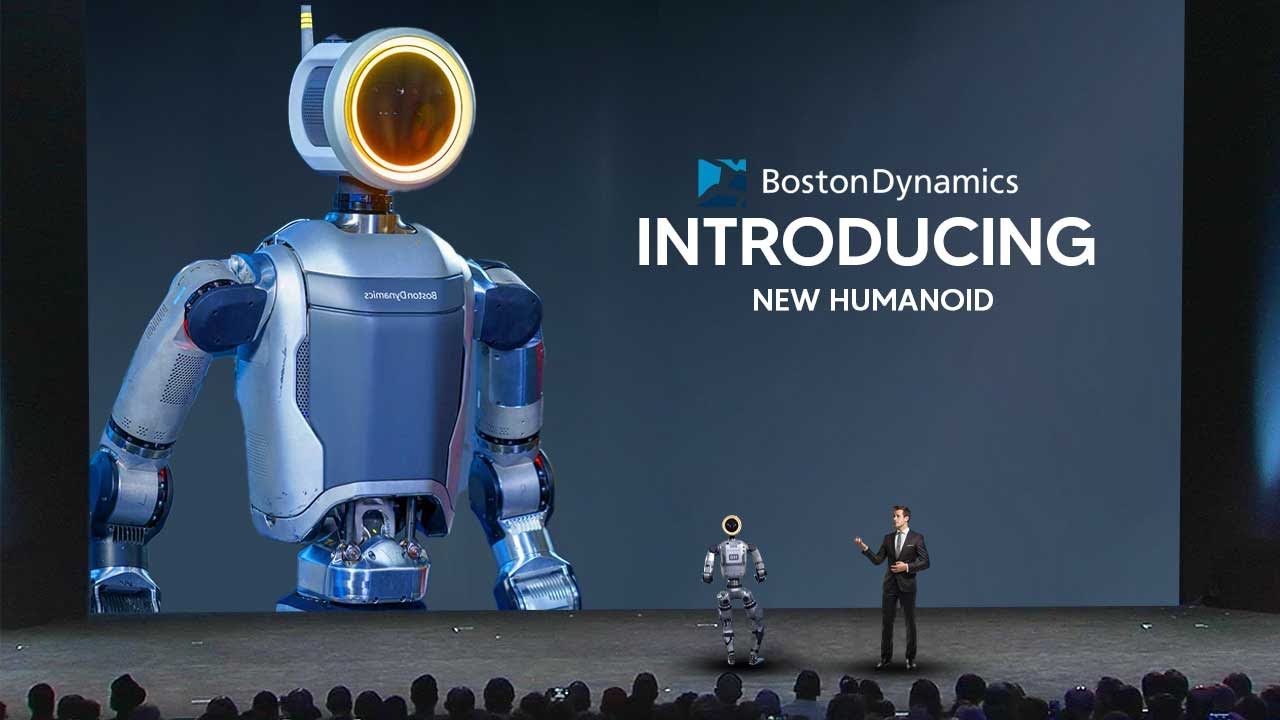
- Boston Dynamics’ Atlas emerged as a crowd-favorite, winning Best Robot at CES 2026. With fully electric actuation, advanced AI, and actual deployment partnerships lined up with Hyundai and Google DeepMind, Atlas represents a transition from prototype to industrial-ready robot capable of real tasks.
- ENGINEAI T800 and PM01 humanoids made their global debut, showcasing coordinated full-body motion and motor control. These robots weren’t just walking—they were demonstrating the kinds of smooth, repeatable actions needed for real-world applications like guided tours, transit hubs, and public services.
- Chinese and global startups exhibited a diverse lineup of humanoid systems focused on stability, language recognition, multi-robot coordination, and endurance tests—including robots that completed autonomous long-distance runs.
- Home and service-oriented robots, like UniX AI’s Wanda 2.0 series, entertained visitors with interactive household tasks and real-time personalized service demonstrations—making the idea of robots that help inside homes and hotels less futuristic and more imminent.
This breadth—industrial powerhouses alongside social, service, and human-interface centric platforms—painted a richer, more nuanced picture of where humanoid robotics innovation is actually heading.
Physical AI: From Concept to Core Technology
A defining theme at CES 2026 was the ascendancy of Physical AI—the integration of artificial intelligence with physical, embodied systems like robots that move, sense, and adapt in the real world.
Unlike traditional AI, which thrives on screens and datasets, physical AI involves AI systems that learn by interacting with the physical world: navigating terrain, manipulating objects, and adapting to chaos rather than predictable conditions. This fusion is foundational to enabling humanoid robots to function outside controlled environments.
At CES 2026, physical AI was spotlighted not as a future promise but as a practical toolkit powering real robot behavior:
- Reinforcement learning enabled robots to refine tasks through trial and error rather than rigid programming.
- Sensors and embedded intelligence now provide richer perception and proprioception, allowing robots to operate with greater autonomy.
- Integrated frameworks are emerging where simulation training and real-world deployment loop together—closing the gap between theory and application.
This shift—from proof-of-concept to robust, operational framework—is one of the most important markers of the current robotics evolution.
Where Innovation Really Shows
It’s one thing to see robots on stage under bright lights; it’s another to break down what technologies actually moved forward at CES 2026.
1. Embodied Intelligence and Motor Control
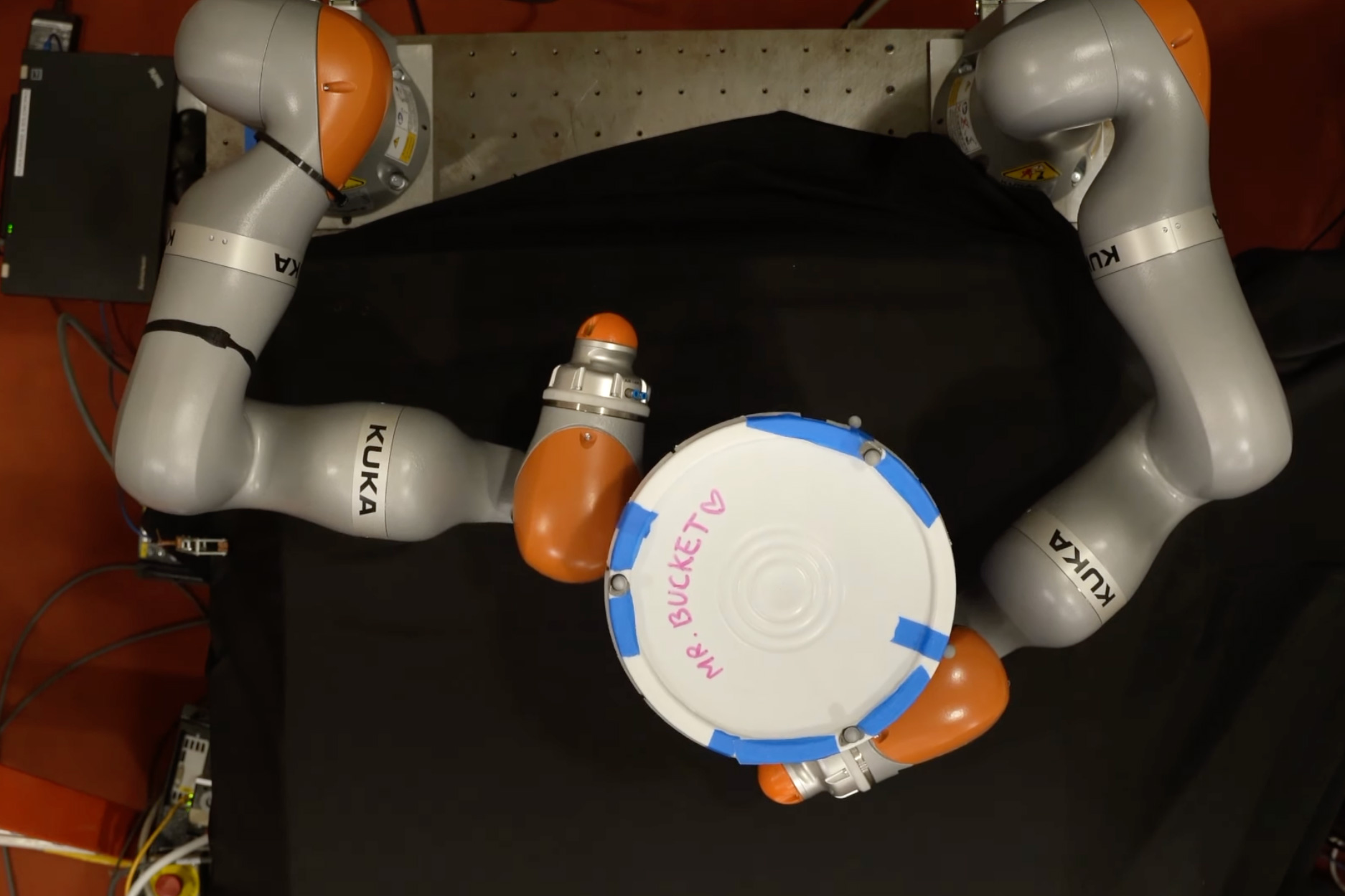
Demonstrations showed highly coordinated movements that are closer to human-like flexibility than ever before. Instead of jerky, pre-programmed sequences, robots responded to environmental variations and recovered from mistakes. These advances are largely thanks to:
- High-degree-of-freedom joint modules
- Electric actuation replacing less agile hydraulic systems
- AI-driven motion planners that adapt in real time
Such mechanical and control sophistication is a core enabler for real-world tasks—from industrial lifting to dexterous manipulation of complex objects.
2. Autonomous Learning and AI Integration
Robots like Atlas and others showcased learning systems that reduce dependency on human teleoperation. New approaches allow robots to learn from:
- Video footage
- Reinforcement loops
- Simulation environments
These methods accelerate learning without needing humans in the loop—a major step toward scalable deployment.
3. Sensing and Context Awareness
This year’s robots didn’t just act—they perceived. Integrated multi-modal sensors, tactile hands, and advanced vision systems allowed machines to:
- navigate obstacles
- handle delicate items
- interact socially with humans in more natural ways
This sensor fusion is critical: robots that can sense more can do more.
4. Real-World Use Cases
Rather than focusing on gimmicks like dancing robots, CES 2026 highlighted applicable use cases:
- factory automation and logistics
- elderly care and mobility assistance
- hospitality and hotel services
- retail and customer interaction
This emphasis on workers and users, not entertainment reflects a maturing industry ready for real deployment.
Why CES 2026 Feels Different—And Important
It’s one thing for companies to show cool prototypes; it’s another for the industry to convincingly signal a transition from experimentation to practical, near-term deployment. CES 2026 felt different for several reasons:
The Industrial Legitimization
Robots like Atlas aren’t being shown just for show—they’re being mass-produced and deployed in actual factories within the next few years. That signals a shift from research labs into industrial infrastructure.
AI-Driven Autonomy
Humanoid robotics is finally operating at a scale where AI truly guides decisions. Robots at the show weren’t just responding to pre-scripted commands; they were sensing, adapting, and learning—true autonomy beyond pre-planned motion.
Global Momentum
With Chinese robotics firms, Korean giants, US innovators, and global startups all presenting competitive humanoid systems, the industry is no longer dominated by isolated research pockets. Innovation is global and collaborative, with diverse investment, talent, and technical paradigms converging.
Challenges Still Ahead
Despite all the progress, humanoid robotics is not without challenges:
1. Safety in the Real World
Robots operating alongside humans—especially in unpredictable environments—raise safety questions that go beyond technical robustness. Ensuring safe interaction without protective barriers is a major ongoing focus.
2. Cost and Scalability
Many of the solutions shown at CES 2026 are expensive and complex. Moving from laboratory pricing to mass-market affordability will require material, manufacturing, and software breakthroughs.
3. User Trust and Adoption
People may hesitate to accept humanoid robots in close personal spaces. Trust will be built not only on performance but on consistent, reliable, and understandable behavior.
4. Regulation and Standards
Humanoid robots are entering areas where regulation lags technology. Standards for safety, data protection, liability allocation, and ethical use are still emerging—and they will influence how quickly robots can integrate into workplaces and homes.
The Future Beyond 2026: A Broader Horizon
CES 2026 didn’t just showcase robots; it mapped a trajectory for the next decade of humanoid innovation:
Inside Workplaces
Factories, warehouses, and logistics centers could see collaborative robots working alongside humans, reducing risk and performing repetitive tasks. This mirrors broader automation trends across industries.
Service and Assistance Roles
From guiding customers in a hotel lobby to assisting with household chores, robots with social interaction capabilities are poised to become companions and assistants rather than distant machines.
Healthcare and Mobility
With advances in wearable robotics and humanoid assistive machines, humans with mobility constraints may gain new levels of independence—ushering in a robot-assisted care ecosystem.
AI and Human Symbiosis
Perhaps the most exciting prospect lies not in replacing humans but augmenting human capability. Humanoid robots paired with intelligent learning systems could become powerful collaborators in solving complex global challenges—from disaster response to environmental monitoring.
Conclusion: CES 2026 as a Watershed Moment
CES 2026 wasn’t just another tech show; it signaled the emergence of humanoid robotics as a viable technological revolution—one anchored in real-world capabilities, AI integration, and cross-industry momentum. The gala of cool robot demos gave way to substantive breakthroughs that suggest we’re entering an era when humanoid robots will start to seriously reshape workflows, service ecosystems, and human-machine collaboration.
From industrial floors to public spaces and personal environments, the robots on display at CES 2026 weren’t just ideas of the future—they were blueprints for the next stage of robotic innovation.