








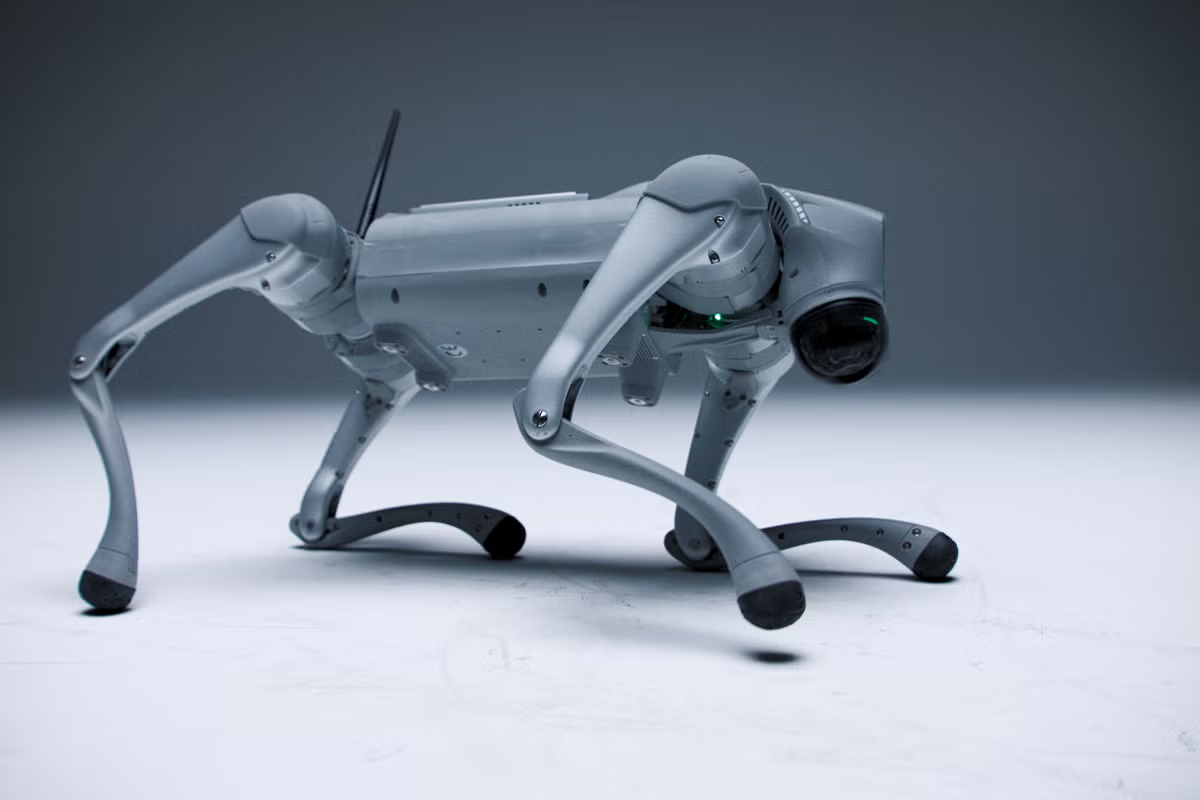

In the constantly evolving field of artificial intelligence (AI), the quest for more advanced and adaptable robot intelligence has spurred the development of countless architectures and systems. One emerging paradigm that holds great promise is Trinity’s Modular AI Architecture. This innovative model is poised to redefine the landscape of robotic intelligence, pushing the boundaries of what robots can achieve in terms of flexibility, cognitive capability, and real-world application.
In this article, we will explore the unique aspects of Trinity’s modular approach to AI, its potential impact on robotics, and how it might influence the future of automation and human-robot interaction.
The Rise of Modular AI in Robotics
AI in robotics has traditionally been based on monolithic systems, where a single, large AI model attempts to handle all the tasks necessary for robot functionality. This approach has proven effective in controlled environments but falls short when robots need to adapt to dynamic, unpredictable settings.
Trinity’s modular AI architecture, in contrast, breaks down the AI system into smaller, specialized units or “modules,” each focusing on specific tasks or capabilities. These modules can be combined and reconfigured depending on the robot’s needs, creating a more flexible, scalable, and efficient approach to intelligent robotics.
The concept of modularity is not new in the field of engineering or computing. However, its application to AI in robotics introduces a level of adaptability that is crucial for enabling robots to function autonomously in diverse environments—from industrial settings to homes, hospitals, and even in space.
The Power of Modularity: Why It Works
Trinity’s modular design stands out for several reasons. First and foremost, modular systems are inherently more flexible. Each module can be independently upgraded or replaced without the need for a complete overhaul of the entire system. This makes robots built on Trinity’s architecture more future-proof, as they can continuously evolve in response to new demands or technological advancements.
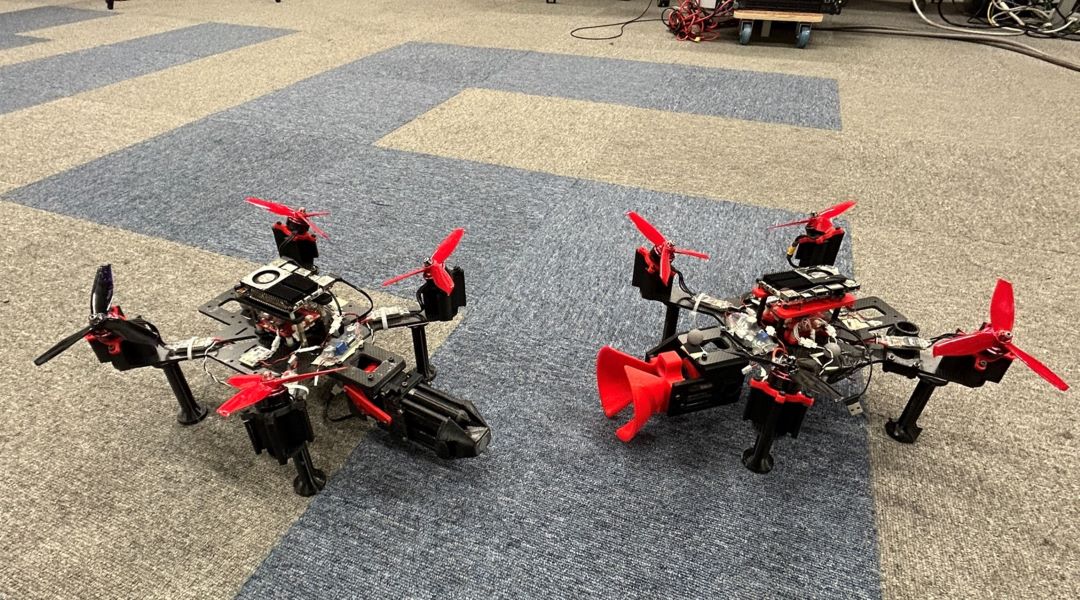
Secondly, modular systems allow for a more efficient use of resources. In traditional AI models, a robot’s brain is responsible for all aspects of decision-making, from perception to action. This places a significant load on the system and can lead to bottlenecks. With a modular setup, each module handles a specific function, reducing the computational burden on any single component and optimizing overall performance.
Another advantage of modularity is the potential for specialized intelligence. Different modules can be tailored to handle specific tasks—such as vision, navigation, or speech processing—at a level of expertise that would be difficult to achieve with a single monolithic AI model. This specialization enables robots to perform tasks with greater accuracy and efficiency, making them more capable of tackling complex real-world challenges.
Key Components of Trinity’s Modular AI Architecture
At the core of Trinity’s modular architecture is the concept of “independent yet integrated” modules. Each module is designed to work autonomously but can also communicate with other modules to perform coordinated actions. These modules can be categorized into several key components:
- Perception Modules: These modules handle sensory input, including vision, hearing, and tactile feedback. They process data from the robot’s environment, allowing the robot to “see” and “hear” in the same way humans do. Advanced computer vision and auditory processing algorithms can be integrated into these modules, enabling robots to recognize objects, navigate through spaces, and respond to human commands.
- Decision-Making Modules: These modules are responsible for interpreting the data from perception modules and making decisions based on the robot’s objectives. They apply machine learning algorithms to identify patterns and predict outcomes, allowing robots to make informed choices in real-time.
- Action and Control Modules: Once a decision has been made, the action modules execute the necessary physical movements. This could range from simple tasks like picking up an object to more complex actions such as assembling a product or performing surgery.
- Learning Modules: One of the most innovative features of Trinity’s system is its ability to learn over time. The learning modules enable the robot to improve its performance by interacting with its environment and receiving feedback. This allows robots to “adapt” to new situations, making them more autonomous and capable of learning from their experiences.
- Communication Modules: These facilitate communication between the robot and external systems or humans. Whether it’s sharing data with a cloud-based server or interacting with humans via speech recognition and natural language processing, these modules play a vital role in enabling smooth human-robot interaction.
Potential Impact on Robot Intelligence
The shift to a modular AI architecture opens up new possibilities for the development of more intelligent robots. Trinity’s design addresses many of the current limitations in robotic systems by providing a platform that is both adaptive and scalable. As robots become increasingly integrated into various sectors—ranging from healthcare to manufacturing to entertainment—the need for sophisticated and flexible intelligence will only grow.
- Enhanced Learning Capabilities: Traditional AI models struggle to generalize across different tasks. Trinity’s modularity, however, allows each module to specialize in a particular domain. This specialization means that robots can improve their performance in specific areas—such as learning new languages, mastering complex movements, or understanding intricate patterns—more efficiently. By continuously upgrading and refining the modules, robots can continually evolve to meet the demands of their environments.
- Faster Adaptation to New Environments: One of the challenges that robots face in real-world applications is the need to adapt to constantly changing environments. Whether it’s a manufacturing floor with new assembly lines, a hospital room with unpredictable patient behavior, or a home with a constantly shifting layout, Trinity’s modular design enables robots to reconfigure their cognitive systems to handle new situations effectively. This adaptability is crucial for making robots more useful in everyday life.
- Scalability and Cost Efficiency: Traditional robotic systems require significant investment to develop and maintain. With Trinity’s modular approach, individual components can be upgraded or swapped out as new technologies emerge, reducing the overall cost of ownership. Additionally, because modules can be reused in different robot models, the architecture becomes inherently more scalable, opening the door for more widespread adoption across industries.
- Collaboration and Human-Robot Interaction: As robots become more integrated into human environments, the ability to collaborate with humans will become increasingly important. Trinity’s communication modules, combined with its ability to process natural language, make it easier for robots to interact with humans in a meaningful way. This is especially important in fields like healthcare, where robots may need to assist doctors and nurses in caring for patients.
Challenges and Ethical Considerations
While the modular approach to AI offers exciting potential, it is not without its challenges. One of the primary concerns is ensuring that the modules communicate effectively with each other. Since each module is designed to work independently, there must be a robust communication protocol in place to avoid system errors or malfunctions.
Additionally, the more sophisticated robots become, the more critical ethical considerations will be. How should we regulate robots with advanced AI? What rights, if any, should robots have as they gain greater autonomy? These questions will become more pressing as modular AI architectures become mainstream, and society will need to address these issues thoughtfully to ensure responsible development and deployment.
The Future of Trinity’s Modular AI Architecture in Robotics
Trinity’s modular AI architecture holds immense promise for revolutionizing robotics. As we continue to push the boundaries of AI, the flexibility and scalability of modular systems will be key to enabling robots that are not only smarter but also more capable of performing a wide variety of tasks. Whether it’s in manufacturing, healthcare, or personal assistance, robots built on Trinity’s framework could redefine what it means to be “intelligent” in the robotic sense.
Looking ahead, we can expect more industries to adopt modular robotics as the technology matures. In the coming years, we may see robots with highly specialized modules performing complex tasks with unprecedented levels of precision and autonomy. This, in turn, will fuel further advancements in AI, driving even more innovation in the field.