








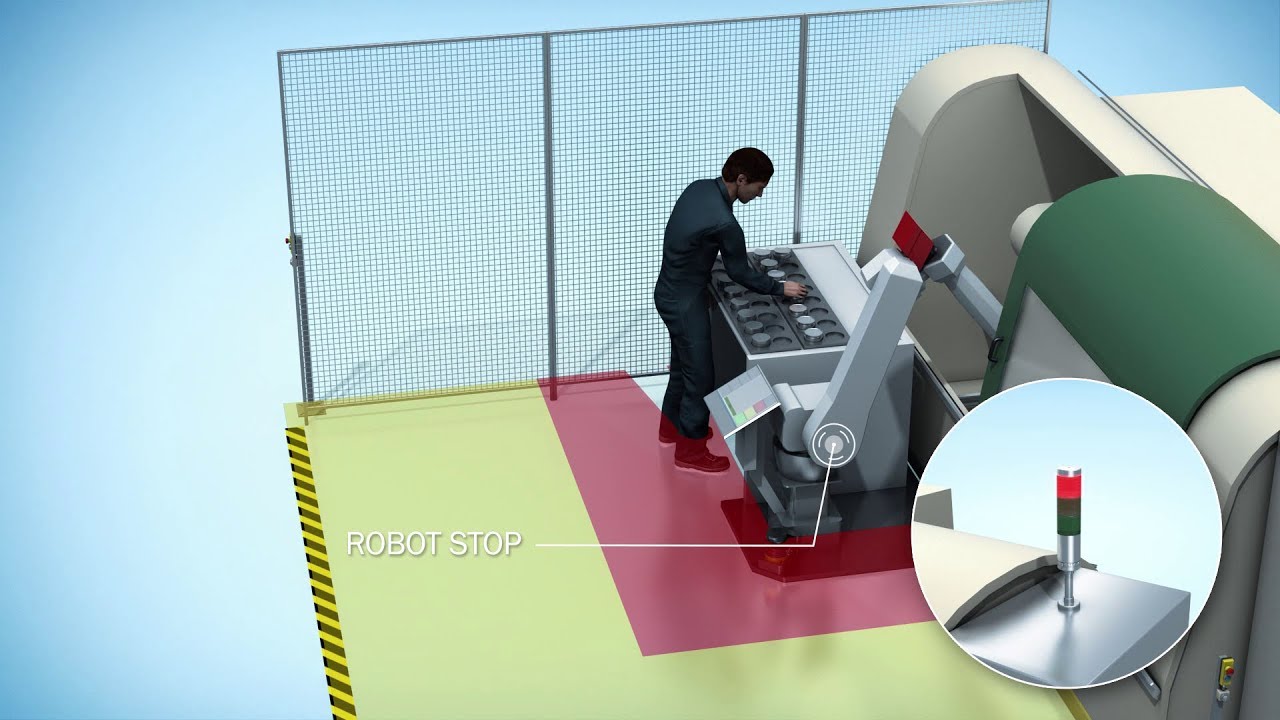

As robots continue to integrate more deeply into various sectors of society, the conversation about their regulation becomes increasingly important. In recent years, the rise of robotics in manufacturing, healthcare, transportation, and even domestic environments has prompted concerns about safety, privacy, and ethical considerations. While the technology behind these robots evolves rapidly, laws and regulations often lag behind. This raises the question: should individual states create their own robot safety laws?
In this article, we will explore the implications of state-level robot safety laws, the arguments for and against such legislation, and how they could shape the future of robotics and society. We will examine the existing regulatory landscape, the role of state governments, the ethical dilemmas surrounding robotics, and the potential benefits and challenges of localized regulation.
The Current Landscape of Robot Safety Regulation
Currently, the regulation of robotics in the United States is somewhat fragmented. On a national level, the federal government has taken a relatively hands-off approach, with limited regulations surrounding robot safety. The National Institute of Standards and Technology (NIST) and other federal agencies have issued guidelines, but they are non-binding and often lack the enforcement mechanisms needed to ensure compliance. The Occupational Safety and Health Administration (OSHA) oversees workplace safety but does not have specific regulations addressing robots in the workplace, except for basic safety measures related to industrial robots.
In contrast, the European Union has taken a more proactive stance, drafting comprehensive proposals such as the EU’s General Data Protection Regulation (GDPR) and discussions about the European Robotics Safety Standard. These efforts are primarily focused on ensuring that robots adhere to safety and ethical standards, especially when interacting with humans.
This disparity between international and domestic regulatory approaches highlights the need for a more structured, comprehensive approach to robot safety, whether at the state or federal level. But should this regulation be imposed at the state level?
The Case for State-Level Robot Safety Laws
There are several arguments in favor of states creating their own robot safety laws. These laws could be tailored to address local needs and concerns, taking into account the specific industries and technologies that are most prevalent in that region. Let’s explore some of the key reasons why states should have the ability to implement their own robot safety laws.
1. Localized Needs and Industry Focus

Different states have different industrial focuses, which makes a one-size-fits-all federal regulation potentially inadequate. For example, California has a strong tech industry, and autonomous vehicles are a significant focus of research and development. In contrast, Michigan has a history of automobile manufacturing and could be more focused on robotics for manufacturing environments. Similarly, states with large healthcare sectors, like Texas or Florida, might want to focus on robot safety in medical applications, such as surgical robots and assistive devices for the elderly.
By allowing states to create their own robot safety laws, regulations can be more specifically aligned with local industry needs and technological advancements. California, for instance, could focus on creating safety laws for autonomous vehicles, while other states may prioritize robots in healthcare or manufacturing. This kind of localized focus could result in more effective, targeted laws that protect citizens while fostering innovation.
2. Speed of Adaptation
Technological innovation happens at a rapid pace, and robots are no exception. In order to keep up with the fast-evolving nature of robotics, states may need to move faster than the federal government can. State governments are often more agile and capable of enacting laws more quickly than the federal system, which can be bogged down by bureaucracy and lengthy legislative processes.
Allowing states to create their own robot safety laws would enable them to respond more quickly to emerging technologies. For instance, as autonomous vehicles or drone delivery services become more prevalent, states could enact temporary or provisional regulations to ensure safety while the technology continues to develop. This flexibility could ultimately result in more timely, relevant laws that keep pace with technological advancements.
3. Protection of Citizens’ Rights
A key concern with the widespread adoption of robots is the potential infringement on personal rights and privacy. From surveillance robots to data-harvesting AI systems, there are numerous ways in which robots could violate citizens’ privacy or civil rights. States with more progressive stances on privacy, such as California with its California Consumer Privacy Act (CCPA), could implement stronger protections against such abuses. These localized laws could address specific risks, such as unauthorized data collection or surveillance, in ways that a federal law might not be able to.
By giving states the power to create their own robot safety laws, citizens would have more control over how robots are used and how their data is protected in their specific regions. This approach would also allow for a broader diversity of policies, with different states experimenting with different models to see which works best.
4. Creating a Competitive Environment for Innovation
Another advantage of state-level robot safety laws is the opportunity they present for innovation. States could create different regulatory environments that foster healthy competition. For example, a state that is more permissive with robot technology could attract tech startups focused on robotics, while another state that places more emphasis on safety and ethics might appeal to organizations looking to develop robots for highly regulated industries like healthcare or defense.
This regulatory diversity could ultimately benefit the broader robotics industry by encouraging experimentation and testing in various real-world settings. By allowing states to develop their own laws, the U.S. could create a “laboratory of democracy” for robotics, where different models of regulation are tested and refined before being adopted on a national scale.

The Case Against State-Level Robot Safety Laws
While there are many compelling arguments in favor of state-level robot safety laws, there are also several significant challenges and concerns. Let’s explore the case against such regulation.
1. Risk of Fragmented and Inconsistent Regulations
One of the major drawbacks of state-level regulation is the potential for a fragmented regulatory environment. With each state enacting its own robot safety laws, companies that operate across state lines could be forced to navigate a patchwork of regulations. This could increase compliance costs and complicate the development and deployment of robots.
For example, a robot manufacturer may have to design different versions of its products for use in different states, each with its own set of safety requirements. This could hinder innovation, increase operational costs, and create unnecessary barriers to entry for smaller companies. Moreover, a lack of uniformity could lead to confusion among consumers and businesses, undermining trust in robot technologies.
2. Lack of Coordination and Oversight
The federal government is better equipped to coordinate large-scale initiatives and provide a consistent regulatory framework across the nation. A decentralized approach to robot safety could result in a lack of coordination and oversight. Without national standards, there is a risk that some states could create overly lenient laws that allow dangerous or unethical robot applications to proliferate.
Furthermore, some industries—like autonomous vehicles and AI—require a level of coordination that state governments may not be equipped to handle. For instance, if one state enacts lenient regulations for autonomous vehicles, it could create risks for neighboring states where regulations are stricter. This could complicate cross-border transportation and potentially jeopardize public safety.
3. Inconsistent Ethical Standards
Ethical concerns are a major part of the robot safety discussion, but what constitutes “ethical” can vary greatly from state to state. While one state might prioritize worker rights in the face of automation, another state may focus on the potential for robots to infringe on privacy. This variation could lead to inconsistent ethical standards across the country, complicating efforts to create universally accepted norms for robot behavior.
National-level regulations would allow for a more standardized approach to ethical concerns, ensuring that all states follow a consistent set of principles when it comes to robot safety, privacy, and rights. The development of clear, uniform ethical standards at the national level would help mitigate the risks of robots being used in ways that harm society.
Conclusion: A Balanced Approach?
The question of whether states should have their own robot safety laws is complex, with compelling arguments on both sides. On one hand, state-level regulations could allow for more localized, flexible responses to the rapidly changing field of robotics. States could tailor their laws to their specific industries and technological environments, fostering innovation and providing targeted protections for citizens. On the other hand, a fragmented regulatory landscape could create confusion, increase costs, and fail to address the need for coordinated oversight of emerging technologies.
The most effective solution may lie in a balanced approach—one where states are given the freedom to develop robot safety laws that meet local needs, but within a broader framework of national standards and ethical guidelines. This approach could combine the benefits of localized innovation with the need for consistency and coordination on a national scale. As robots continue to play an increasingly important role in our lives, the conversation about their regulation will only grow in significance. Whether at the state or federal level, robot safety laws will be crucial in shaping a future where technology serves society without compromising safety, rights, and ethics.