








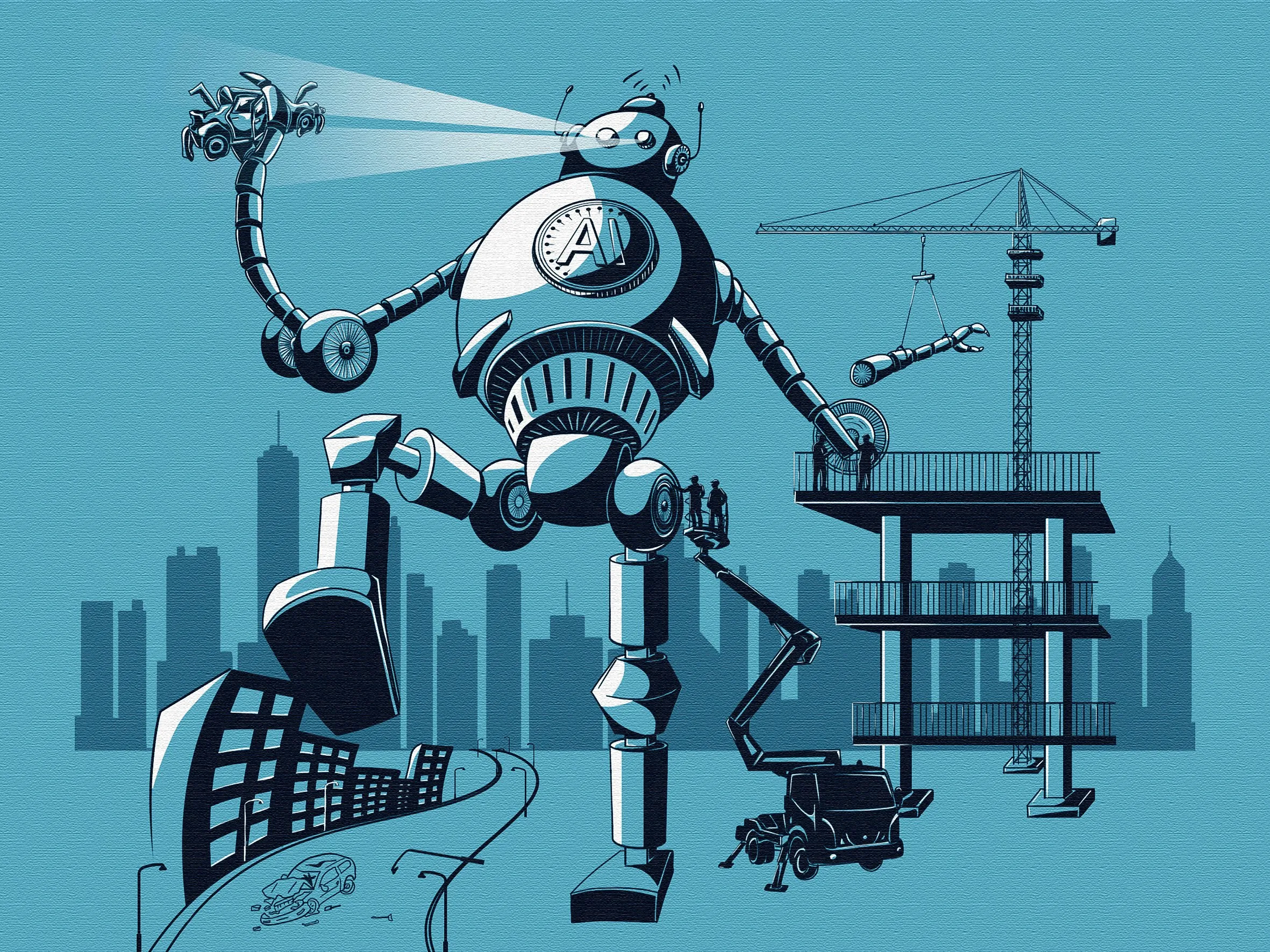

As technology continues to advance at a rapid pace, one of the most hotly debated topics in society today is the governance of robots and artificial intelligence (AI). From autonomous vehicles to AI-powered medical devices, robots are becoming a crucial part of various industries. With their increasing presence, the question arises: is federal regulation enough to govern robots? The answer is not simple. While federal regulations can lay the foundation for responsible innovation, they often struggle to keep up with the fast-evolving nature of robotics and AI technologies.
In this article, we’ll explore the current state of federal regulations on robotics, the challenges they face, and whether they are truly adequate for ensuring safety, ethics, and social responsibility in a world where robots are becoming more autonomous and integrated into daily life.
The Role of Federal Regulation in Robotics
Federal regulations aim to protect society by ensuring that emerging technologies operate within a set of predefined, safe, and ethical boundaries. In the United States, several agencies have taken on the responsibility of regulating various aspects of robotics and AI, including the Federal Aviation Administration (FAA), the Food and Drug Administration (FDA), and the National Highway Traffic Safety Administration (NHTSA). Each of these agencies oversees specific sectors in which robotics and AI are becoming increasingly prominent.
For instance, the FAA regulates the use of drones, ensuring that they don’t interfere with air traffic and operate safely. Similarly, the FDA governs medical devices, some of which are powered by AI, ensuring that they meet safety standards before reaching the public. The NHTSA, on the other hand, has been working on creating guidelines for the safe deployment of autonomous vehicles, which rely heavily on robotics and AI technologies.
In theory, these regulations should be enough to prevent robots from causing harm or behaving in ways that would negatively impact society. However, the rapid pace of technological development often leaves regulators scrambling to keep up. The fast-evolving nature of robotics and AI means that current laws may quickly become outdated, leaving gaps in oversight.
The Challenges of Regulating Autonomous Technologies
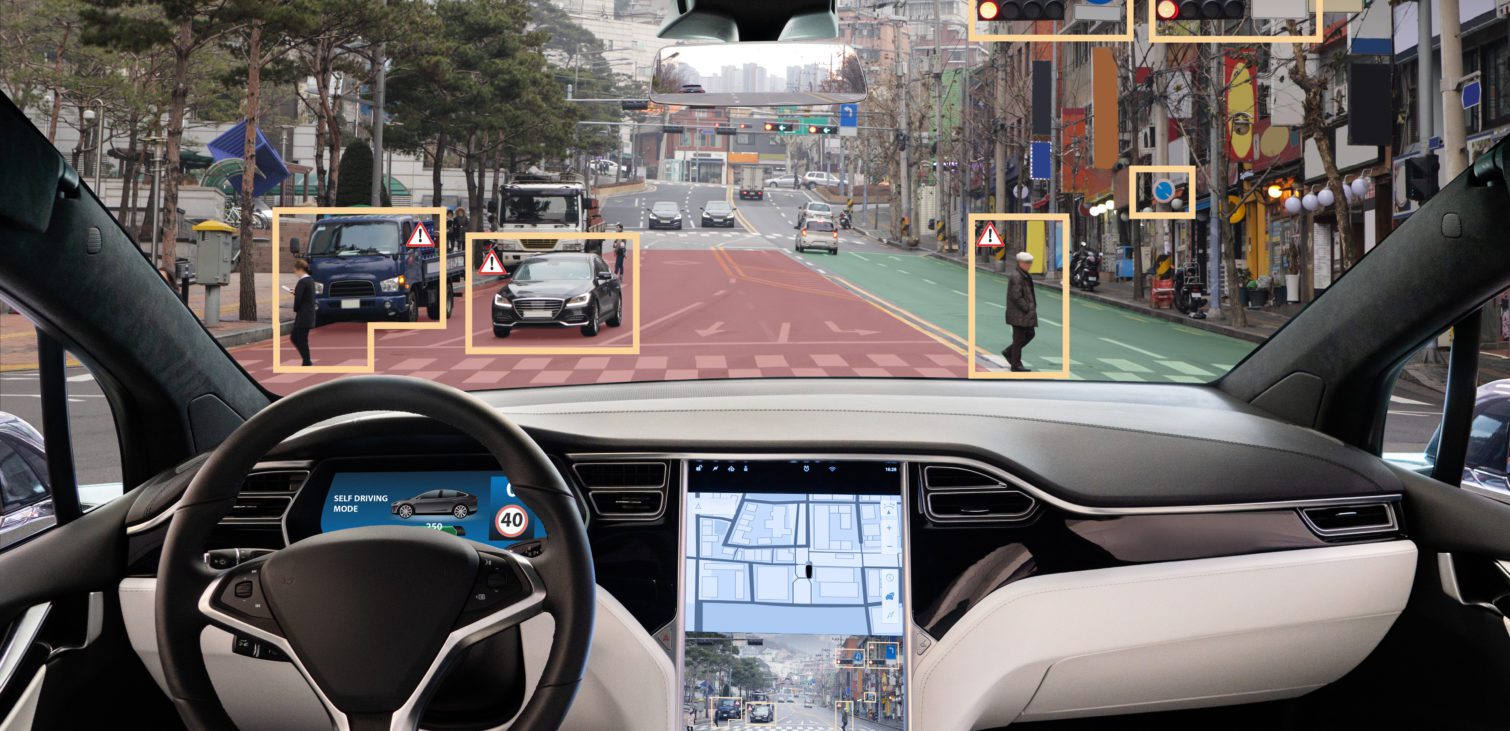
One of the primary challenges in regulating robotics and AI is their rapid development. Unlike traditional industries, where technology evolves at a more predictable pace, robotics and AI are developing in ways that make it difficult for regulators to anticipate all potential risks. For instance, autonomous vehicles have the potential to revolutionize transportation, but their ability to make real-time decisions in complex environments raises significant safety concerns.
Federal regulations often struggle to keep up with these developments. While there are some guidelines and standards in place, they are typically reactive rather than proactive. Regulators often wait until an incident occurs before addressing a particular concern, which is not ideal when dealing with technologies that could have far-reaching consequences for public safety and well-being.
Another issue is that robots and AI systems are often designed to operate with a level of autonomy that makes human oversight more challenging. For example, autonomous vehicles rely on algorithms to make decisions about navigation, speed, and interactions with other vehicles and pedestrians. While these systems are designed to reduce human error, they can also introduce new risks if the technology fails or malfunctions.
Moreover, robots and AI systems are increasingly becoming capable of learning and adapting to their environments. This ability, often referred to as “machine learning,” allows robots to improve their performance over time. However, this also raises concerns about the accountability and ethics of AI decisions. If a robot makes a harmful decision based on its learning algorithm, who is responsible? The manufacturer, the developer, or the robot itself?
Ethical and Moral Implications of Robotics and AI
Beyond the technical challenges of regulating robots, there are significant ethical and moral considerations that must be addressed. As robots become more autonomous and capable of interacting with humans in increasingly complex ways, they raise important questions about the rights and responsibilities associated with AI.
Autonomy and Accountability
The concept of autonomy is central to many discussions about the governance of robots. Autonomous systems, such as self-driving cars or robots used in healthcare, can make decisions independently of human intervention. While this autonomy can improve efficiency and reduce human error, it also raises concerns about accountability. If an autonomous robot causes harm or makes an unethical decision, who is responsible for its actions? Is it the developer who created the algorithm, the manufacturer who produced the robot, or the user who deployed it?
One of the key challenges in regulating autonomous systems is determining who should be held accountable for the robot’s actions. Current laws do not clearly address these issues, and this lack of clarity could lead to disputes and delays in addressing incidents involving robots.

Privacy and Surveillance
Another significant ethical concern surrounding robotics is privacy. Many modern robots, especially those used in surveillance, possess advanced sensors and cameras that allow them to collect vast amounts of data. This raises questions about how this data is used, who has access to it, and whether individuals’ privacy is being violated.
For example, robots used in public spaces may be equipped with facial recognition technology, which can track individuals as they move through the environment. While this technology can be used for security purposes, it also has the potential to infringe on privacy rights if not properly regulated. Federal regulations need to strike a balance between ensuring public safety and protecting individual privacy rights.
The Future of Work and Labor
The increasing use of robots in industries like manufacturing, logistics, and healthcare has profound implications for the labor market. Robots can perform tasks more quickly and accurately than humans, which raises the possibility that they will replace human workers in many industries. While automation can improve efficiency and reduce costs, it also has the potential to displace workers and exacerbate income inequality.
Federal regulation can play a role in addressing these concerns by implementing policies that ensure displaced workers are given opportunities for retraining and transitioning to new roles. Additionally, regulations can be introduced to ensure that robots are used in ways that enhance, rather than replace, human labor.
International Regulation and the Global Landscape
While federal regulations are critical in governing robotics within a given country, the global nature of technology means that international cooperation is necessary. Robotics and AI are not confined to any single nation’s borders; their development, deployment, and use have far-reaching global implications. As a result, international organizations, such as the United Nations (UN) and the European Union (EU), are beginning to take an active role in setting global standards for robotics and AI.
For example, the EU has introduced the General Data Protection Regulation (GDPR), which governs how personal data is collected and used by AI systems. The GDPR aims to protect individual privacy rights while fostering innovation in AI and robotics. Similarly, international organizations are working to create frameworks for the ethical development and deployment of robots, particularly in industries such as healthcare and military applications.
The need for international regulation is particularly evident in industries like defense, where autonomous drones and weapons systems are becoming increasingly prevalent. These technologies pose significant risks if used irresponsibly, and there is a growing call for international treaties and agreements to govern their development and use.
The Road Ahead: Federal Regulation and the Future of Robotics
As robots become more integrated into everyday life, the need for effective and comprehensive regulation will only increase. While federal regulation can lay the groundwork for ensuring safety and ethical behavior in robotics, it is clear that a more dynamic and proactive approach is needed.
Regulators will need to stay ahead of technological developments, ensuring that laws and guidelines evolve alongside new innovations. This may involve creating more flexible frameworks that can adapt to the rapid pace of change in robotics and AI. Additionally, regulators will need to collaborate with industry leaders, ethicists, and international organizations to create a cohesive regulatory environment that addresses both the technical and moral challenges posed by robotics.
Ultimately, federal regulation alone may not be enough to govern robots effectively. A multi-faceted approach that includes local, national, and international cooperation, as well as input from various stakeholders, will be necessary to ensure that robots are developed and used responsibly.