








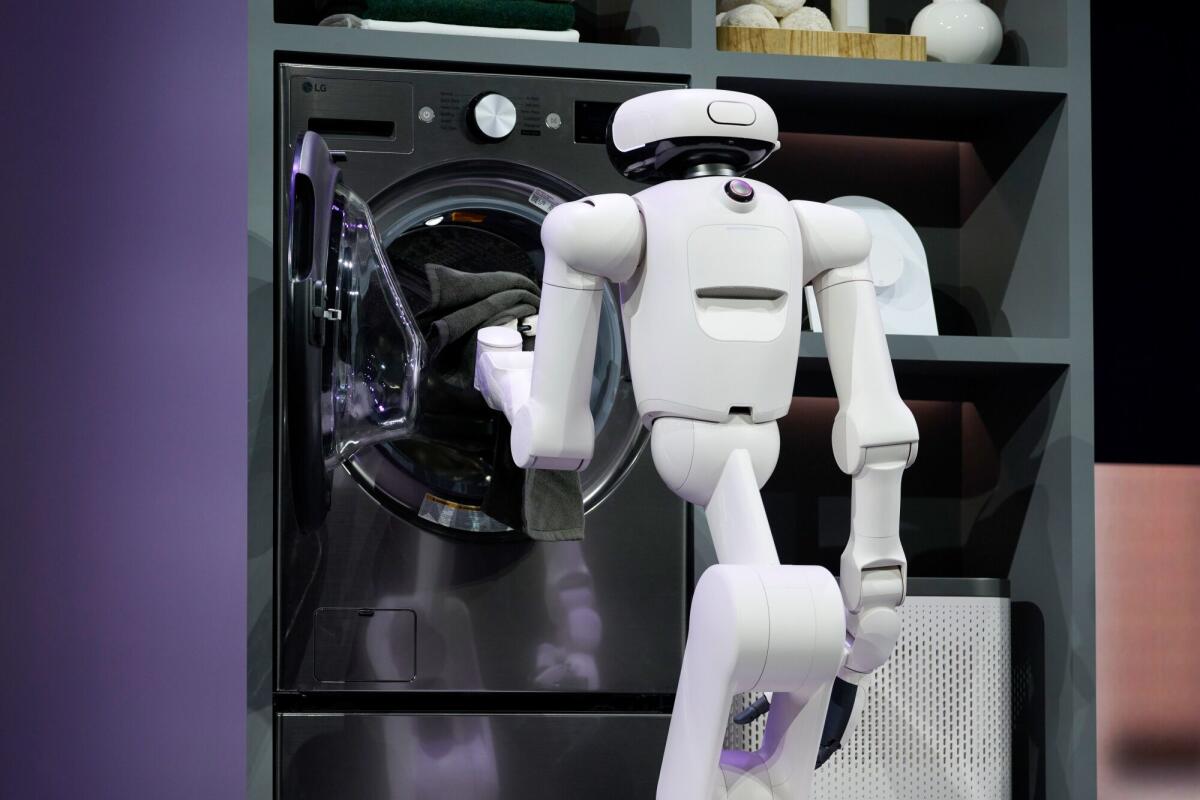

The rise of humanoid robots is no longer a vision confined to science fiction. From robotic assistants in the home to autonomous workers in industries, these advanced machines are beginning to infiltrate multiple sectors of society. But as humanoid robots move from concept to reality, we face an important question: Can we define safety regulations for humanoid robots?
Humanoid robots are designed to closely resemble human beings in form, movement, and sometimes even in behavior. They’re equipped with sensors, artificial intelligence, and sophisticated control systems that allow them to interact with the world around them. As these machines become more common, the need for a clear and comprehensive set of safety regulations grows.
The Emergence of Humanoid Robots
Humanoid robots are no longer a futuristic dream. With the integration of artificial intelligence (AI), machine learning, and robotics, humanoid robots are now capable of tasks that were once exclusively human. They can assist in healthcare, perform service tasks, provide companionship, and even collaborate with humans in the workplace. Notable examples like Boston Dynamics’ Atlas or SoftBank Robotics’ Pepper are advancing at an astounding pace.
As humanoid robots take on increasingly complex roles, it’s essential to ensure that they function in a safe, ethical, and responsible manner. But creating a set of safety regulations for humanoid robots is not an easy task. It involves a multidisciplinary approach that takes into account engineering, robotics, AI, ethics, and society at large.
Why Safety Regulations Matter
Before diving into the specifics of safety regulations, it’s important to understand why these regulations are necessary. The primary goal is to ensure that humanoid robots do not cause harm to humans, animals, or the environment. However, the scope of safety goes beyond just physical harm. We also need to consider ethical implications, social impact, privacy concerns, and the psychological effects on humans interacting with robots.
1. Physical Safety:
One of the most obvious risks associated with humanoid robots is the potential for physical harm. These robots, depending on their design, can move at high speeds, carry heavy loads, or perform complex tasks that require precision. If not properly regulated, their actions could result in accidents or injuries.

For example, a robot intended to assist elderly people could inadvertently cause harm if it doesn’t accurately detect obstacles or respond to human actions. Similarly, robots used in manufacturing or industrial settings might pose a risk to human workers if safety measures aren’t in place.
2. Ethical and Psychological Safety:
Humanoid robots are designed to interact with people in a way that feels natural. However, this closeness brings with it ethical concerns. If humanoid robots are used to care for vulnerable individuals, like the elderly or children, what are the implications for human relationships? Are we ready for the psychological effects that come with interacting with robots that mimic human behavior?
The question of robotic rights and emotional impact also comes into play. While robots are not human, they are designed to simulate human-like emotions and responses. This creates the potential for users to form emotional attachments to them, which could raise questions about the ethical treatment of robots and the potential for emotional harm when they malfunction or are decommissioned.
3. Privacy Concerns:
Privacy is another significant issue when it comes to humanoid robots. These machines are equipped with cameras, microphones, and other sensors that gather vast amounts of data to help them understand their environment and interact with humans. This information could be used for purposes that go beyond what was intended, such as surveillance, data mining, or exploitation.
Creating a Framework for Safety Regulations
So, how do we go about defining safety regulations for humanoid robots? While the process is complex, several areas need to be addressed to ensure a comprehensive regulatory framework.
1. Human-Robot Interaction:
The first and foremost aspect of humanoid robot safety is ensuring that humans can safely interact with them. This involves setting guidelines for how robots should behave in the presence of humans, including their range of motion, speed, and responsiveness. Additionally, robots should be equipped with fail-safes that allow them to stop or correct themselves in case of malfunction or human interference.
The ISO 13482:2014 standard, which covers the safety requirements for personal care robots, offers a great starting point. It outlines design considerations, safety measures, and operational guidelines to ensure that robots interact with people in a safe manner. However, this standard currently applies only to personal care robots, and more general regulations are needed for humanoid robots across various sectors.

2. AI Safety:
Humanoid robots rely on artificial intelligence to make decisions and respond to the environment. This raises the issue of AI safety, which focuses on ensuring that these robots behave in predictable and controllable ways. AI algorithms must be rigorously tested to ensure that they don’t make harmful decisions.
The European Union’s AI Act is one example of a regulatory framework aiming to regulate AI and robotics. It categorizes AI systems into different risk levels, from minimal to high-risk, with corresponding regulatory requirements. However, this framework still needs to be expanded and refined to address the unique challenges posed by humanoid robots.
3. Data Protection and Privacy:
With humanoid robots equipped with sensors that collect data about their surroundings, it is crucial to define clear guidelines regarding data privacy. These robots should be designed with strong encryption, secure data storage, and clear consent processes for data collection. Additionally, regulations should be put in place to ensure that data collected by humanoid robots is used ethically and does not infringe on individuals’ privacy rights.
The General Data Protection Regulation (GDPR) in Europe offers a robust example of data protection laws that can be applied to humanoid robots, ensuring that their data collection processes adhere to strict privacy standards.
4. Liability and Accountability:
In the event of an accident or malfunction, it is crucial to define who is responsible for the harm caused by a humanoid robot. Should the manufacturer be held accountable? Or the operator? This aspect of regulation will likely require a new legal framework to determine liability in cases involving robots.
The concept of “robotic personhood” is one that’s gaining traction in some legal circles. While robots are not currently granted legal personhood, discussions around this issue could shape the future of accountability and liability in the context of humanoid robots.
International Collaboration and Standardization
Safety regulations for humanoid robots will likely need to be developed through international collaboration. With robots being used in various industries across the globe, the need for standardized safety guidelines is critical. The International Organization for Standardization (ISO), which has already developed several standards for robotics, can play a key role in bringing together experts from various fields to create global standards.
Countries and regions may also have their own specific requirements. For example, the European Union has shown a strong commitment to regulating AI and robotics through initiatives like the AI Act and Robot Ethics Guidelines. Similarly, Japan has been a pioneer in robotics, with the country’s Ministry of Economy, Trade, and Industry (METI) developing guidelines for safe robot development.
The Role of Ethical Considerations
As we push forward with humanoid robots, ethical considerations will be just as important as technical ones. While creating regulations to ensure the safety of robots, we must also ask: How do we ensure that robots serve humanity’s best interests without compromising human dignity, autonomy, or rights?
Ethical frameworks should guide the development of humanoid robots, ensuring that they are designed and operated in ways that enhance human well-being, not harm it. At the heart of this is the notion of robotic ethics, which explores questions about human-robot relationships, autonomy, and decision-making.
Conclusion
Defining safety regulations for humanoid robots is an ongoing and multifaceted challenge. It involves balancing technical safety, ethical considerations, and legal accountability while ensuring that the robots are able to perform their tasks effectively and responsibly. The future of humanoid robots is exciting, but it also requires thoughtful regulation and collaboration across multiple disciplines to ensure their safe integration into society.