









Introduction
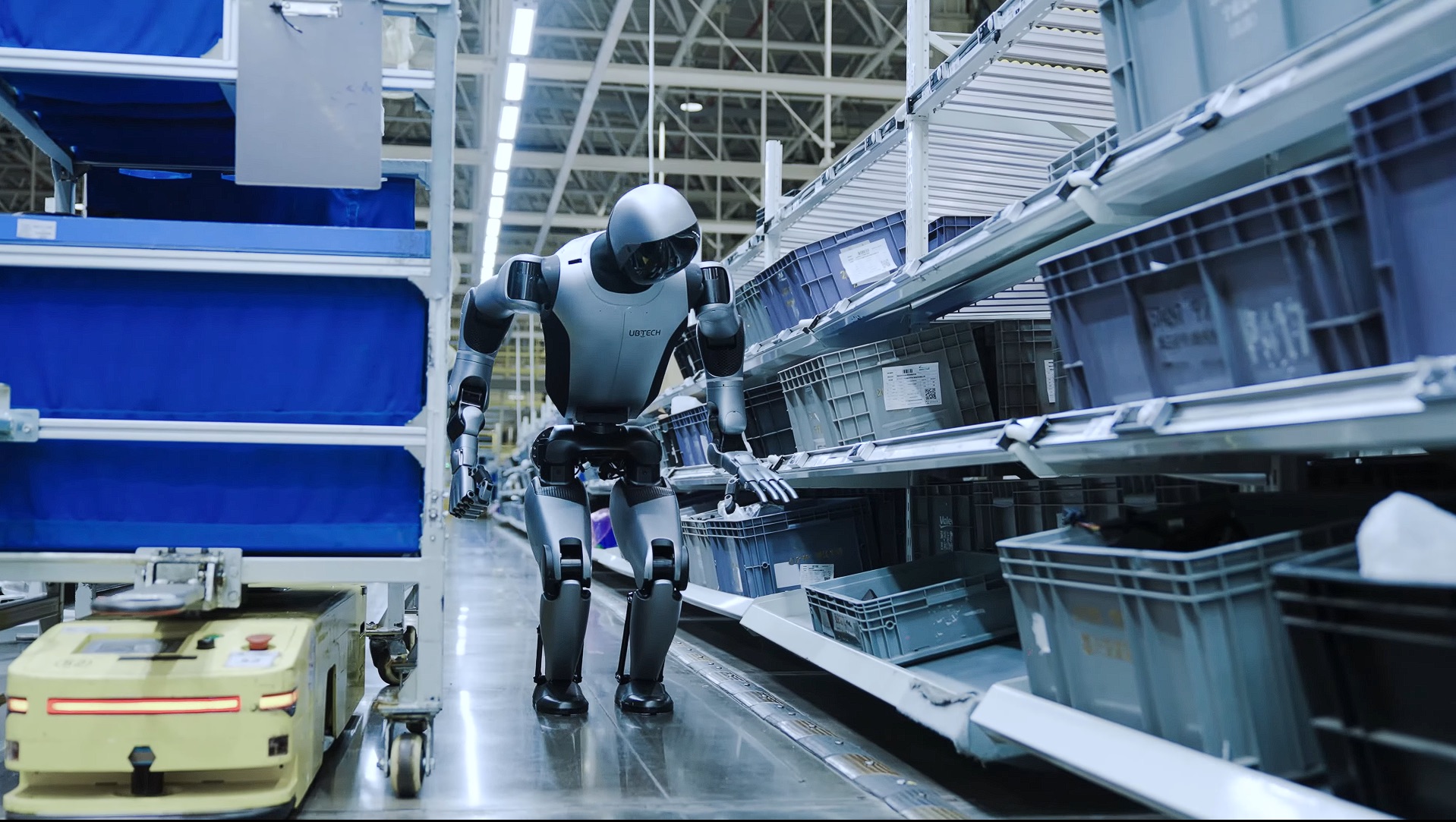
Humanoid robotics, which aim to replicate the appearance and behavior of human beings, are no longer a distant dream. With advancements in artificial intelligence (AI), machine learning, and robotics engineering, humanoid robots are moving from research labs to factories, homes, and healthcare settings. However, as with any new technology, the widespread adoption of humanoid robotics hinges not only on technical breakthroughs but also on the regulatory frameworks that will guide their development, deployment, and integration into society.
The regulatory landscape for humanoid robotics is currently evolving, with governments and international bodies facing significant challenges in ensuring that these robots are deployed ethically, safely, and responsibly. Regulatory shifts will play a crucial role in shaping the future of humanoid robotics, influencing everything from design standards to labor market disruptions and societal impacts.
In this article, we will explore how regulatory changes can shape the adoption of humanoid robotics. We’ll look at the ethical, societal, and economic implications of these shifts and analyze how different regions and industries may respond. By considering both the challenges and opportunities, this piece will provide a comprehensive outlook on how humanoid robotics could evolve in the face of new and emerging regulations.
The Role of Regulations in Humanoid Robotics Development
Defining the Regulatory Framework
A regulatory framework refers to the set of rules and guidelines that govern the development, testing, and deployment of technologies. For humanoid robots, these frameworks are still in the early stages of development. The challenge lies in crafting regulations that balance innovation with public safety, ethical considerations, and societal benefits. The major regulatory areas impacting humanoid robotics include:
- Safety Standards: How can humanoid robots be safely integrated into human environments, from homes to workplaces?
- Ethics and Rights: What ethical principles must be considered when developing robots with human-like capabilities?
- Data Privacy and Security: How can we ensure that humanoid robots respect user privacy and safeguard sensitive data?
- Liability and Accountability: Who is responsible if a robot malfunctions or causes harm?
These regulatory questions are not easy to answer, and different regions have varied approaches. For instance, the European Union has introduced the Artificial Intelligence Act to regulate AI technologies, including humanoid robots, focusing on safety, transparency, and accountability. In contrast, countries like Japan have a more lenient regulatory environment, fostering innovation but raising concerns about labor displacement and ethics.
Safety and Risk Management
Ensuring the safety of humanoid robots is paramount, especially when they are designed to interact closely with humans. In scenarios like healthcare or caregiving, where robots could assist with tasks such as lifting patients or providing medical support, any malfunction could lead to serious injury or death. Regulatory bodies will need to establish strict standards for safety protocols, including:

- Testing and Certification: Robots must undergo rigorous testing to ensure they are reliable and free of defects.
- Emergency Protocols: There must be clear guidelines on how humanoid robots should respond in emergency situations or when a failure occurs.
- Human-Robot Interaction: Regulators must establish protocols for ensuring safe interaction between robots and humans, taking into account factors such as robot behavior, learning capabilities, and emotional responses.
Safety regulations will likely differ across industries. For example, humanoid robots in industrial settings, where they may perform repetitive tasks, will face different safety standards compared to robots used in healthcare or personal care.
Ethical and Moral Considerations
As humanoid robots become more advanced, they will increasingly blur the line between machines and humans. This raises significant ethical questions, particularly about the moral status of robots and their interactions with people. Key ethical concerns include:
- Autonomy: How much independence should humanoid robots be allowed? Should they be able to make decisions, or should human oversight always be required?
- Human-Like Qualities: Should robots be designed to mimic human emotions, personalities, or behaviors? If so, what are the implications for human-robot relationships?
- Displacement of Human Labor: As humanoid robots take on roles traditionally performed by humans—such as caregivers, factory workers, or even customer service agents—regulatory bodies will need to address concerns about job displacement and the changing nature of work.
Ethical regulations will likely require humanoid robots to be transparent in their interactions with humans, ensuring that users can differentiate between human and robot actions. Furthermore, the development of humanoid robots that simulate emotional responses must be scrutinized to avoid potential manipulation or exploitation.
Privacy and Data Protection
Humanoid robots, especially those integrated with AI and machine learning capabilities, will gather vast amounts of data about their users. From personal preferences to health data, this information could be invaluable for improving robot performance but could also present significant privacy risks. Regulations will need to address how humanoid robots collect, store, and share user data, ensuring that privacy rights are upheld.
The General Data Protection Regulation (GDPR) in the EU provides a model for how personal data can be protected, and similar frameworks may be adopted for humanoid robots. These regulations will likely focus on:
- Data Consent: Users must explicitly consent to the collection and use of their data.
- Data Security: Robust security measures must be in place to protect user data from breaches.
- Transparency: Users must be informed about what data is being collected and how it will be used.
Liability and Accountability
One of the thorniest issues in humanoid robotics regulation is determining liability in cases of malfunction or harm. If a humanoid robot makes a decision that leads to injury or property damage, who should be held accountable? Should the manufacturer, the developer, or the user bear responsibility?
Regulations will need to clarify liability frameworks, including:
- Product Liability: Manufacturers may be held accountable for defects in robot design or function.
- Negligence: If a robot causes harm due to operator error or misuse, who is at fault?
- Insurance: As humanoid robots are integrated into various industries, insurance products will likely evolve to cover the risks associated with their deployment.

In certain cases, robots might be considered legal “persons,” raising questions about the extent of their legal rights and responsibilities. Regulatory bodies will need to determine whether robots can be sued or held accountable in court.
Global Variations in Regulation
European Union: A Cautious Approach
The EU has been proactive in creating a regulatory framework for AI and robotics. The AI Act and Robot Ethics Guidelines are designed to ensure that AI technologies, including humanoid robots, meet strict ethical standards and prioritize safety and human well-being. The EU’s approach focuses on:
- Human-Centered AI: Ensuring that AI and robotics benefit people and society.
- Transparency: Requiring AI systems to be explainable, so humans can understand and trust their decision-making processes.
- Accountability: Holding developers accountable for the actions of their robots.
While the EU is seen as taking a cautious approach, its regulations are also seen as setting a global standard. Many countries and corporations are closely monitoring these developments, as the EU is home to some of the largest technology companies and research institutions.
United States: A More Lenient Regulatory Landscape
In contrast to the EU, the United States has traditionally been more permissive in its approach to technological innovation. While there are some regulatory measures in place for robotics, including safety standards from organizations like the Occupational Safety and Health Administration (OSHA), the US does not have a comprehensive national framework for humanoid robotics.
However, certain sectors, such as healthcare and autonomous vehicles, are seeing more targeted regulations. The lack of a cohesive regulatory framework in the US presents both opportunities and challenges. On one hand, it allows for faster innovation, but on the other hand, it raises concerns about safety, ethics, and job displacement.
Japan: Embracing Humanoid Robotics
Japan has long been a leader in the development and deployment of humanoid robots, with companies like Honda and SoftBank spearheading advancements in robot technology. The country’s regulatory environment is relatively permissive, focusing on fostering innovation and integrating robots into society.
However, Japan also faces unique challenges, such as an aging population and labor shortages. Humanoid robots are seen as potential solutions to these issues, particularly in caregiving and elderly support. Japan’s regulatory approach is likely to focus on:
- Assistive Robotics: Regulations will encourage the development of robots that can assist with healthcare, caregiving, and personal support.
- Social Integration: Japan is focused on integrating humanoid robots into social settings, ensuring they are accepted by the public.
The Economic and Societal Impact
Economic Benefits
The integration of humanoid robots into industries such as healthcare, manufacturing, and customer service could bring about significant economic benefits. Robots can increase productivity, reduce labor costs, and enhance service quality. However, these benefits must be weighed against the potential costs of job displacement and the societal impact of automation.
Regulatory frameworks will need to address how to balance the economic advantages of humanoid robotics with the protection of workers’ rights. Governments may need to invest in retraining programs and explore new job creation opportunities in industries related to robotics development and maintenance.
Societal Impact
The societal implications of humanoid robots are far-reaching. Robots could revolutionize caregiving for the elderly, assist in rehabilitation, and even provide companionship for those who are socially isolated. However, there are concerns about the potential for robots to replace human relationships, especially in sensitive areas like healthcare and caregiving.
The role of regulators will be to ensure that robots enhance human well-being without diminishing the quality of human interaction. Additionally, regulatory shifts may influence how society views humanoid robots—whether as tools, assistants, or companions.
Conclusion
The adoption of humanoid robotics will be shaped by a complex interplay of technological innovation, regulatory frameworks, and societal acceptance. Regulatory shifts will be critical in determining how these robots are developed, deployed, and integrated into society. The future of humanoid robotics lies in striking the right balance between innovation, safety, ethics, and societal benefits.
As regulators adapt to the changing landscape, they will need to carefully consider the long-term implications of humanoid robotics. This includes addressing safety concerns, ethical dilemmas, privacy issues, and the impact on human labor. With the right regulations in place, humanoid robotics has the potential to transform industries, enhance quality of life, and open new possibilities for human-robot collaboration.