









Introduction: A New Chapter in Robotics
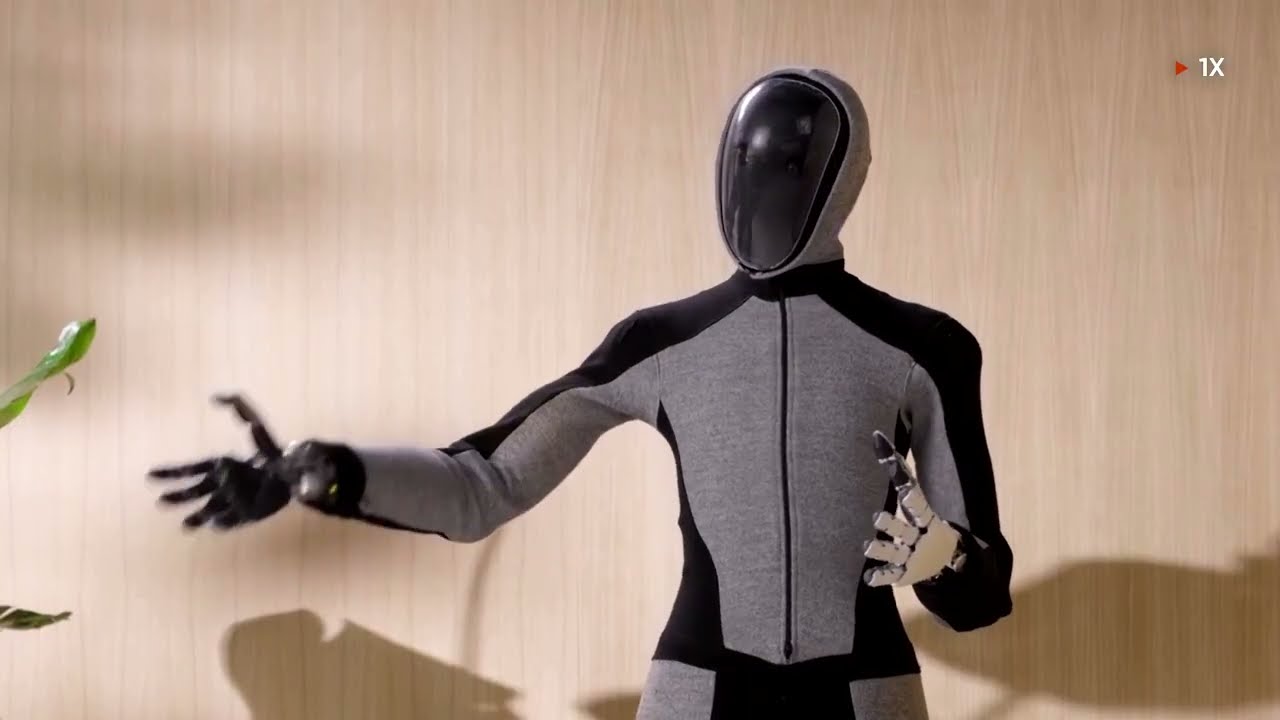
Humanoid robots — machines designed to resemble the human body in form and/or function — have long captured our imagination in science fiction. But today, they’re no longer just futuristic characters from novels or films. Thanks to breakthroughs in artificial intelligence, perception systems, and adaptive control, humanoid robots are stepping out of the factory floor and into the realm of everyday human environments. These machines hold the potential to reshape not just workplaces, but virtually every facet of daily life, from healthcare and caregiving to education, retail, and even companionship.
Yet with promise comes complexity: ethical debates, technological limitations, regulatory challenges, and profound social implications all demand careful consideration. This article investigates whether humanoid robots will truly move beyond industrial roles into daily life, exploring both the promise and the perils of a future shared with robotic companions.
1. The Industrial Roots of Humanoid Robotics
From Assembly Lines to Context‑Aware Machines
Industrial robots — especially fixed arms and automated guided vehicles — have already revolutionized manufacturing. But humanoid robots are distinct in their human‑like form and versatility. Unlike conventional automation, they:
- Navigate unstructured environments
- Perform general tasks requiring balance and manipulation
- Interact with humans naturally through gestures and natural language
Recent advancements have made humanoid robots more intelligent and flexible, enabling them to work alongside humans in settings traditionally considered too unpredictable for robots.
Even today, major companies are actively developing humanoids for industrial tasks. For example, autonomous humanoid systems like Atlas are being deployed to support automotive manufacturing, indicating a shift from prototypes to scalable industrial solutions.
2. Beyond the Factory: Real‑World Applications Taking Shape
The transition from industry to everyday life isn’t hypothetical — it’s already beginning in selected domains. Below is a snapshot of where humanoid robots are poised to make an impact:
A. Healthcare and Elderly Care
As the global population ages, healthcare systems are strained. Humanoid robots could assist by:
- Helping patients move and exercise
- Delivering medicines or surgical tools
- Providing companionship to isolated individuals
Researchers are exploring how humanoids can perform precise medical tasks and even aid in rehabilitation activities — although true clinical autonomy is still under development.
B. Personal and Social Service
Humanoid social robots like Nadine already demonstrate socially intelligent interaction:
- Greeting people
- Making eye contact
- Recognizing individuals and remembering conversations
These abilities make such robots suitable for customer service, hospitality, and even assisted living environments.
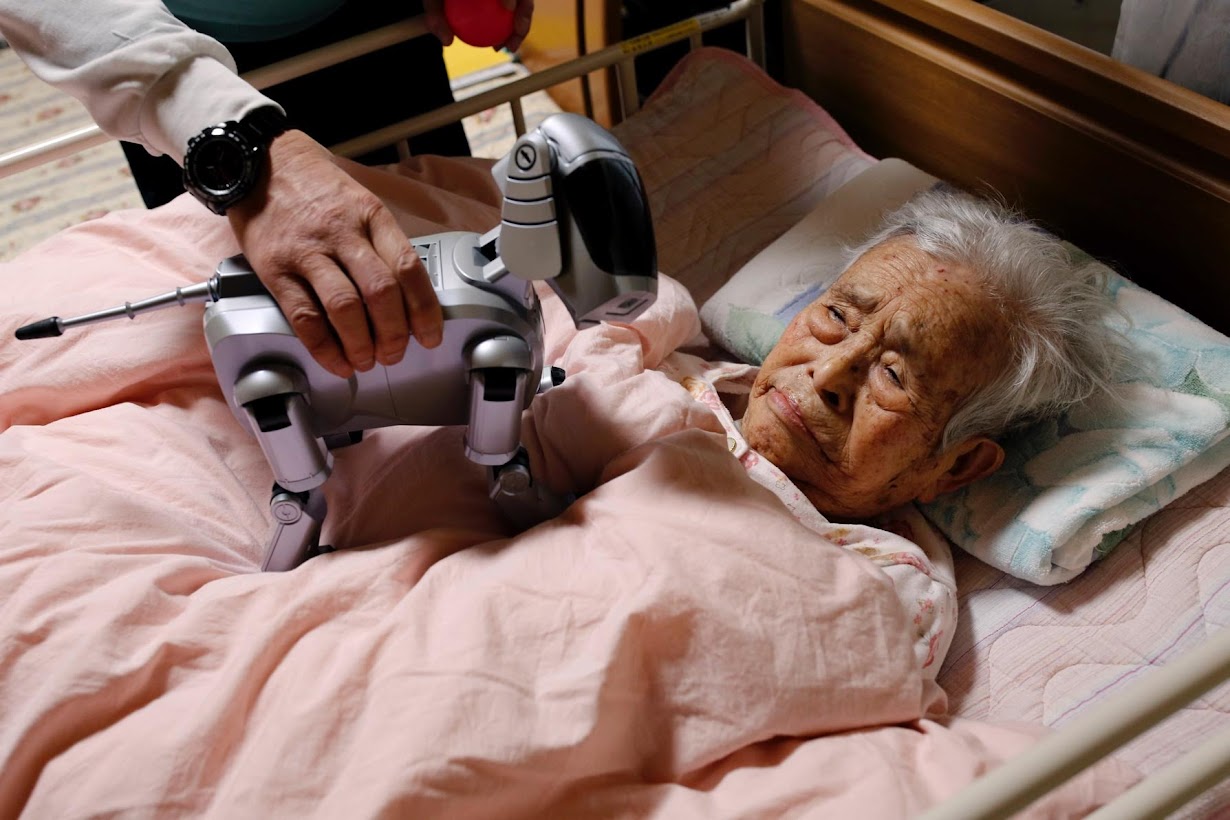
Future robots may serve as receptionists, store guides, or friendly assistants in public spaces, enhancing user experience in ways traditional machines cannot.
C. Education and Personalized Tutoring
Robots could reshape learning by offering:
- Adaptive, personalized teaching based on each student’s pace
- Multilingual support
- Engagement for students with special needs
This could alleviate teacher workload and significantly enrich educational outcomes.
D. Home Assistance & Daily Tasks
Progressive development is underway for humanoids capable of:
- Household chores
- Errand running
- Supportive tasks for people with mobility challenges
Companies are designing robots that can handle chores like sweeping, mopping, and beyond, turning the idea of a robotic household partner from fiction to reality.
E. Emergency Response and Hazardous Environments
In scenarios where human safety is at risk — such as natural disasters, nuclear incidents, or search‑and‑rescue missions — humanoid robots could perform critical tasks that would otherwise endanger human lives.
3. Technical and Scientific Challenges
Despite remarkable progress, several technical barriers remain before humanoid robots can become truly ubiquitous in daily life:
A. Perception and Mobility
Humanoids must interpret complex environments — including clothing, obstacles, and human gestures — in real time, which remains computationally demanding. Similarly, maintaining balance and dexterity in unpredictable environments is still a research frontier.
B. AI and Learning Capabilities
Strong artificial intelligence is essential for robots to:
- Understand high‑level instructions
- Plan multi‑step tasks autonomously
- Learn from decentralized data
Integration of large language models with visual learning systems is accelerating progress, yet general intelligence remains elusive.
C. Energy and Durability
Humanoid robots require significant power to move and perform tasks autonomously. Battery efficiency and robust hardware design will be key to sustainable daily operation.
4. Social, Ethical and Economic Implications
A. Workforce and Labor Dynamics
The integration of humanoid robots into service sectors raises questions about employment — both opportunities and potential job displacement. Historically, automation has reshaped labor markets, but humanoids’ versatility could accelerate disruption at an unprecedented scale.
Some industry forecasts project hundreds of millions of humanoid units worldwide by mid‑century, offering enormous market growth but also prompting concerns about inequality and workforce reskilling.
B. Trust, Privacy, and Human‑Robot Interaction
Human comfort with robots in personal spaces hinges on trust and privacy. Machine learning systems that collect human data — voice, expressions, behaviors — raise questions about how information is stored, used, and protected.
Emotional attachment to humanoids is another emerging topic. Interactions that mimic companionship might blur social boundaries, challenging our understanding of what it means to support genuine human relationships.
C. Regulation and Ethical Standards
To safely deploy humanoids in public and private spaces, global regulatory frameworks must evolve. Standards around safety validation, liability, and human oversight are essential to prevent misuse — whether accidental or intentional.
Humanoid robots bring ethical dilemmas involving autonomy, responsibility, and rights, especially as they act on behalf of humans in decision‑critical tasks.
5. The Future: A Collaborative Coexistence
Humanoid robots are unlikely to replace humans entirely. Rather, they are poised to become collaborative partners — enhancing capabilities, reducing physical strain, and augmenting human presence.
Visionaries predict increasingly seamless interaction, where robots assist with physical tasks while humans focus on innovation, creativity, and complex decision‑making. The future is not one of robots instead of humans, but robots with humans — each amplifying the other’s strengths.
While timelines vary, many experts anticipate that humanoid robots will start appearing in everyday life within the next decade — not as sci‑fi icons, but as practical helpers adjusting to human norms and environments.