








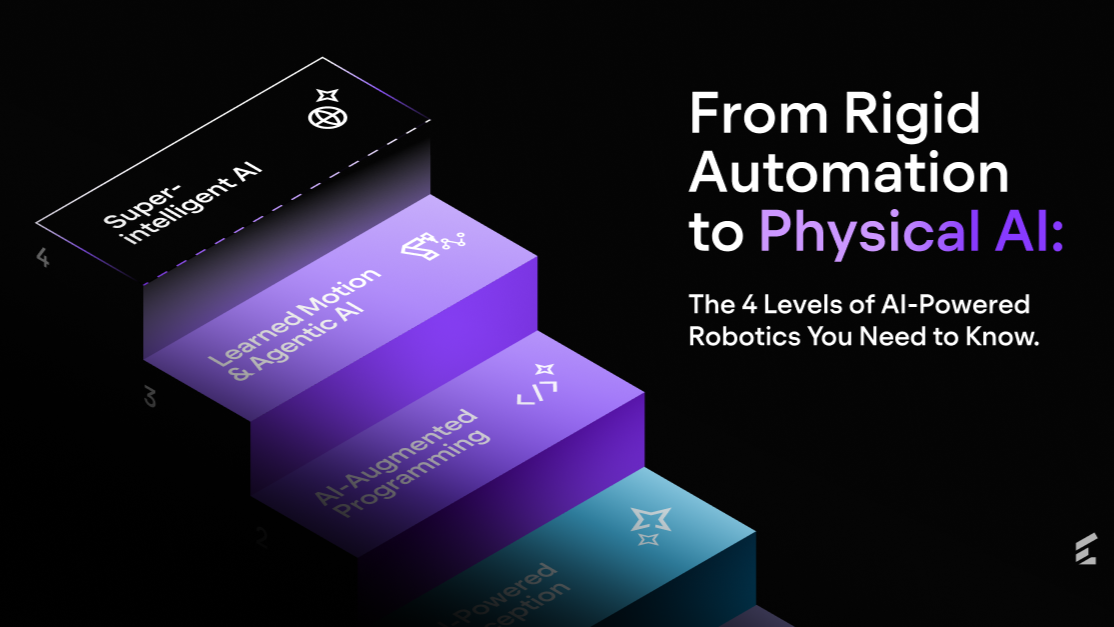

In the world of intelligent machines, a revolution is quietly unfolding. We are entering an era where robots aren’t just programmed to repeat routines — instead, they can sense, reason, adapt, and act in the messy unpredictability of the real world. This frontier is known as Physical AI. But the big question is: Is Physical AI finally making robots truly context‑aware?
To answer that, we have to explore where robotics began, where it is now, and how blending physical systems with deep artificial intelligence is transforming everything from factory floors to surgical theaters. Along the way, we’ll unpack what “context awareness” really means, what breakthroughs are real today, where the limitations still bite, and why the future of intelligent robots is both exciting and complicated.
From Simple Machines to Context‑Aware Agents
For decades, robots were highly capable but predictably dumb. Traditional industrial bots followed rigid, rule‑based instructions: “if A, then B,” mapped out in code and executed without deviation. They welded car parts, moved pallets, and worked in cages because they lacked sensory feedback and real awareness of their environment.
Then came AI algorithms — machine learning models that could interpret data, discover patterns, and make decisions. But until recently, most AI lived short, dull lives inside computers, never touching the real world.
Physical AI changes that. It embeds intelligence inside the body of a robot — linking perception, reasoning, and action in a continuous loop. Robots don’t just see or calculate; they feel, interpret, and react.
In essence, Physical AI blends three domains:
- Sensors & perception — cameras, LiDAR, tactile sensors that feed real‑time data.
- AI reasoning — models that interpret sensory data, form understanding, and predict outcomes.
- Actuation & control — physical movement driven by decisions.
This integration enables robots not just to do tasks, but adjust how they do them depending on context — the very definition of awareness.
What Context Awareness Really Means
In computer science, context awareness refers to a system’s ability to understand and react to its environment — including conditions, relationships, and patterns that influence behavior. Context matters when the world isn’t scripted or neatly ordered.
For robots, this means:
- Detecting changes in surroundings (objects moving, humans approaching).
- Modifying decisions based on real‑time interpretation.
- Inferring intent (e.g., is the human handing me a part, or about to step into my path?).
- Handling unexpected events without catastrophic failures.
This level of dynamic interpretation is what makes Physical AI uniquely powerful — and uniquely challenging.
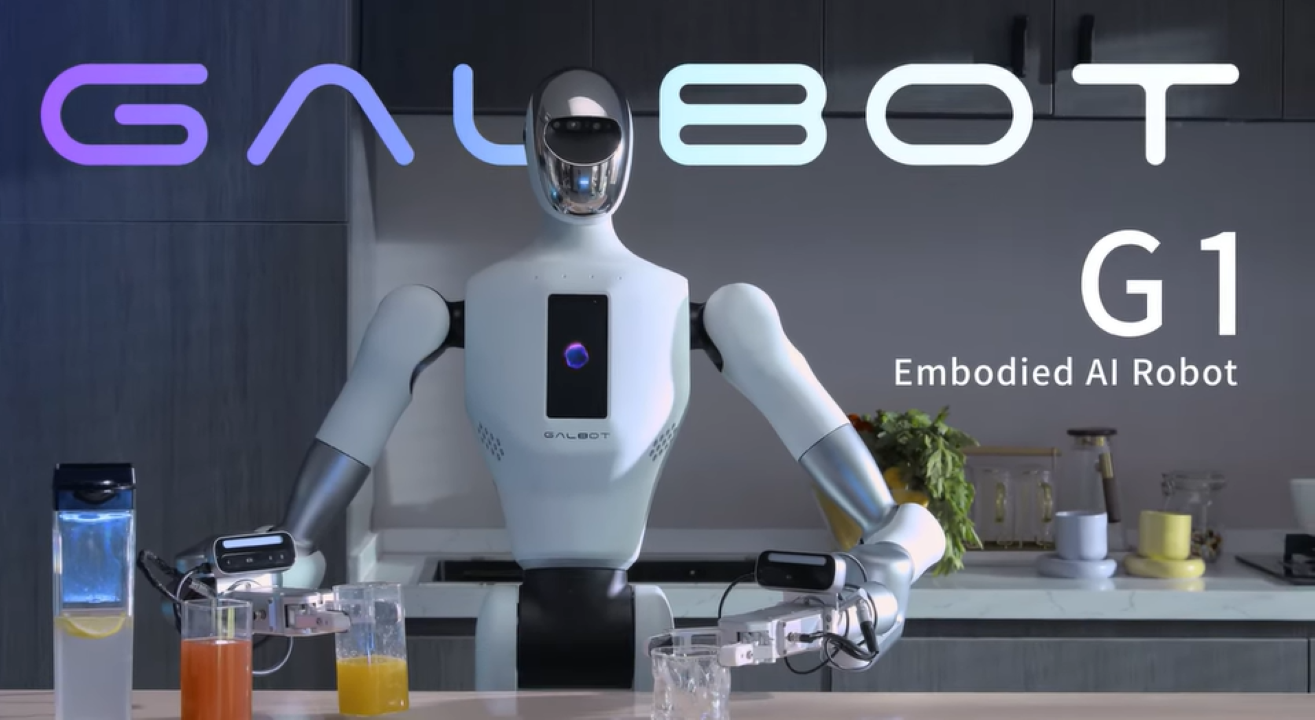
Robots That Learn Like Living Creatures
A core strength of Physical AI is its ability to learn through real or simulated experience — not just follow preset commands. Traditional automation sees the world as a span of fixed states. Physical AI treats it as a continuous, evolving story.
For example:
- Robots simulate thousands of real‑world conditions before deployment — like encountering crowded streets, variable lighting, or slippery surfaces.
- Reinforcement learning rewards successful behaviors, encouraging robots to refine their strategies over time.
- Vision‑language‑action models allow robots to combine visual perception and linguistic understanding — helping them interpret instructions and adapt to new contexts.
This blend of learning and embodied intelligence moves machines closer to humans in how they handle situational complexity. Robots begin to recognize why something matters, not just what it looks like.
Real‑World Progress: How Robots Are Evolving
Industry & Logistics
In modern warehouses, autonomous mobile robots (AMRs) navigate unpredictable aisles, avoid workers, and optimize paths on the fly. They adjust to obstacles and changes in layout without reprogramming — a hallmark of contextual awareness.
Manufacturing
Physical AI lets machines shift from repeating drills to dynamically adapting assembly processes. Vision systems identify part variations and tactile feedback enables dexterous manipulation — going beyond strict automation into real understanding.
Healthcare
Intelligent physical robots assist in complex settings like surgery or caregiving. These robots don’t just move tools — they interpret information, maintain safety margins, and interact smoothly with humans and delicate tasks.
Autonomy & Mobility
Self‑driving vehicles and delivery drones process sensor streams and alter routes based on pedestrian flow, weather, or unexpected obstacles — effectively acting with situational awareness.
These advances show that context‑aware behavior isn’t futuristic hype — it’s already emerging in real deployments.
Challenges on the Road to True Awareness
However, let’s be clear: robots aren’t sentient people — not even close.

Many advances still reflect narrow context awareness — systems tuned for a defined subset of scenarios. True general awareness — understanding broad, open‑ended situations like a human — remains elusive.
Here are core hurdles:
1. Data Scarcity and Physics
Physical AI needs rich, embodied data — not just static photos or text. Collecting real interaction data is expensive, slow, and often risky. And translating simulation success to the messy real world is notoriously hard due to physics complexity.
2. Real‑Time Adaptation
Processing sensor data, predicting future states, and executing safe movements in milliseconds requires powerful onboard computing. Latency and reliability are real constraints.
3. Safety and Trust
A robot that adapts must still avoid harming people or itself. Mechanical failures, misinterpretations, or unexpected behavior can lead to dangerous outcomes — especially in human‑robot collaboration.
4. Simulation Bias
Synthetic training environments are useful, but overreliance on them can lead to overfitting — robots that perform well in lab worlds but struggle in the chaos of reality.
These challenges ensure that context‑aware Physical AI won’t replace humans tomorrow, but it also highlights how much the field has already evolved.
The Future of Truly Context‑Aware Robots
If context awareness is the ability to respond appropriately in unfamiliar situations, then Physical AI is the engine driving that ability forward. But true understanding — in the broad human sense — will likely require:
- Broader multi‑modal learning (vision, language, touch).
- Continual adaptation (life‑long learning rather than static models).
- Collaborative cognition (robots interpreting human intent, not just reacting).
- Ethical and safety frameworks governing real‑world decisions.
Researchers envision a future where robots:
- Seamlessly collaborate with humans in dynamic environments.
- Adjust workflows on the fly without human rewrites.
- Learn new tasks by watching or interacting, like an apprentice.
- Understand subtle cues like gestures, tone, and context changes.
In this future, robots won’t just follow programs — they’ll reason about their physical world in ways that feel genuinely aware.
Conclusion: Yes — but with Nuance
Is Physical AI making robots truly context‑aware? Absolutely — in many important ways. Robots today are far more adaptive and responsive than ever before, blending perception, reasoning, and action in real time. They interpret environments and adjust behavior based on context, representing a meaningful leap beyond rigid automation.
But true awareness — flexible, general, robust in every unforeseen situation — remains a work in progress. Current systems excel in defined domains and expanding their reach to truly open‑ended contexts remains a grand challenge.
In short: Physical AI has not yet created human‑level awareness — but it’s made robots aware enough to transform industries, redefine collaboration, and rewrite the rules of machine intelligence.