








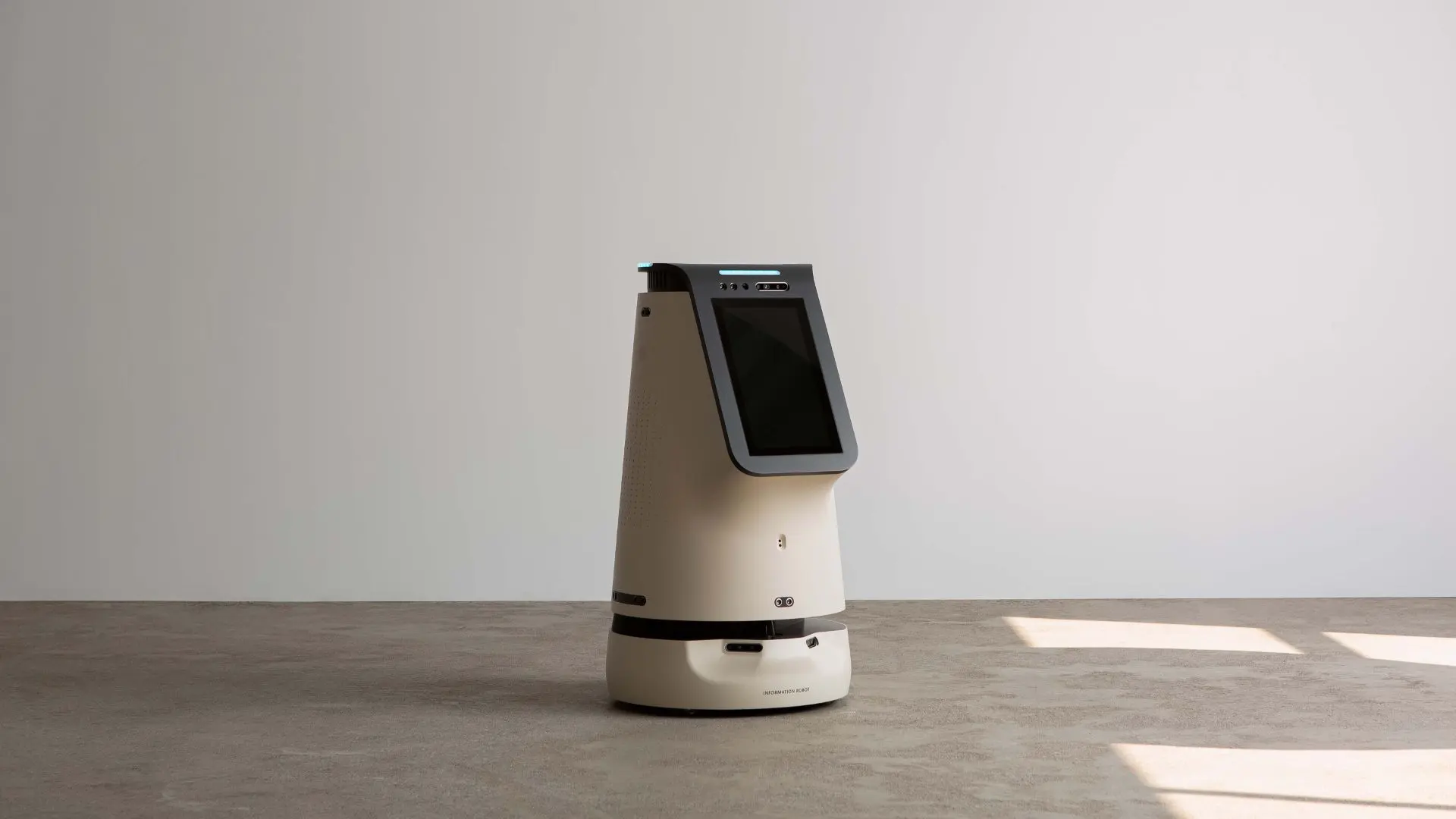

In a world rapidly infusing AI and robotics into everyday life, one of the most provocative questions we face isn’t how fast robots will advance—but how willing we humans are to share the intimate data that fuels their intelligence. From caregiving companions to data‑hungry commercial assistants, robots today are more than machines: they are potential confidants, collaborators, and in some cases, witnesses to our most private information. But are people comfortable giving up personal data to robots—and what exactly makes or breaks that comfort?
To understand this complex issue, we need to unpack the technological, psychological, ethical, and social dynamics that shape human attitudes toward robotic data sharing. The simple answer is: comfort with sharing data is conditional and varies dramatically by context, trust, perceived value, and governance safeguards. Let’s dive deeper.
1. The Data That Robots Ask For
Robots do not inherently need data in the same way humans do—they require it to operate, adapt, and learn. But the type of data matters.
At their core, modern robots, especially those with social or interactive capabilities, may collect:
- Sensor data: motion, voice, facial expression, eye gaze, surrounding environment.
- Biometric and health data: vital signs, movement patterns in caregiving robots.
- Interaction histories: preferences, habits, language usage patterns.
- Contextual and location data: where you live, how you move through your environment.
In caregiving contexts, surveys show users may share vital signs and voice data for health management or research—but remain hesitant when the same data goes to robotics companies rather than health professionals.
This distinction is important: people are far more comfortable sharing data when they trust the recipient and understand the purpose.
2. Trust Is the Most Important Currency
One consistent theme across research is that trust—not novelty or novelty bias—is the main driver of comfort with data sharing. Whether we are talking about robots helping in clinical environments, retail spaces, or private homes, trust has multiple dimensions:
a. Trust in Purpose and Beneficiaries
Surveys indicate people are willing to share sensitive information if it directly benefits health outcomes or well‑being (e.g., with healthcare professionals) more than if it benefits commercial developers. Around 80 % of people in a major caregiving robotics survey said they would share data with clinicians or researchers—but less than half were comfortable sharing the same info with robotics firms.
b. Trust in Company and Governance
Trust isn’t just interpersonal; it extends to institutions, regulations, and perceived competence. If robots are built by organizations with strong privacy norms and clear oversight, people feel safer. Conversely, a lack of transparency about third‑party access or unclear data governance severely undermines comfort.
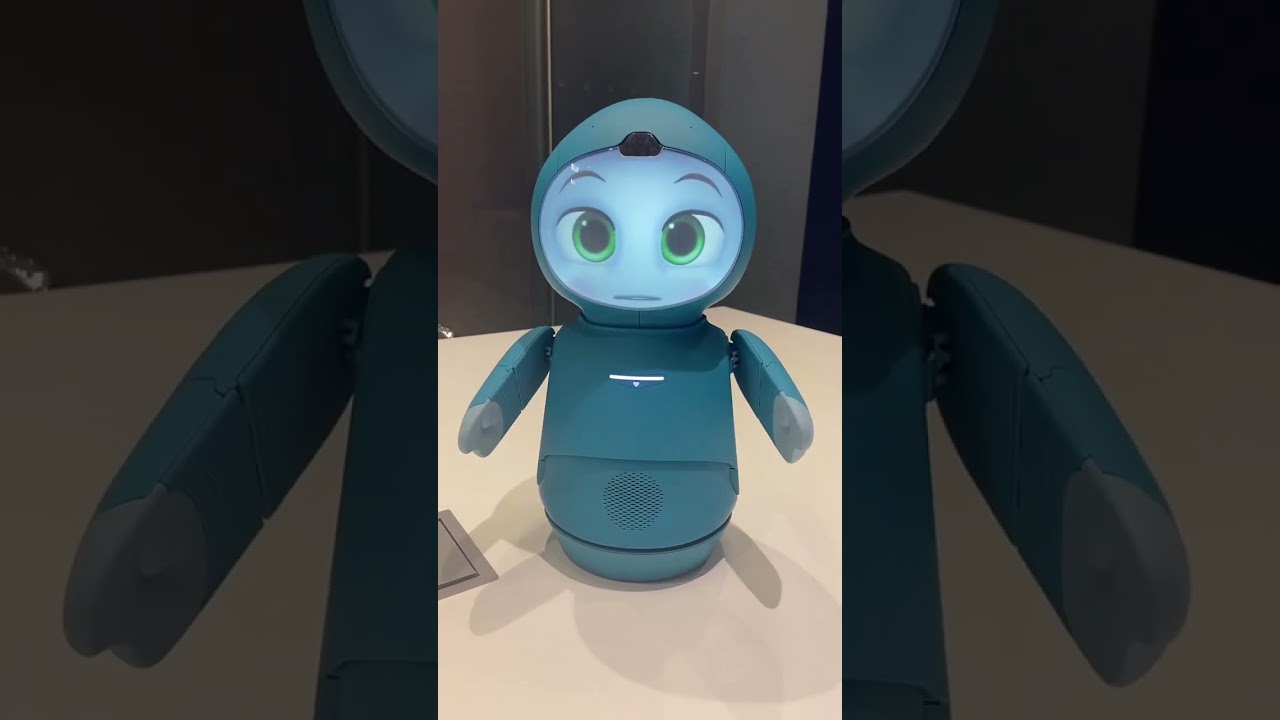
c. Trust Through Interaction Quality
In consumer research on retail robots, factors like service quality, enjoyment, and usefulness predicted the willingness to share personal information. In other words, when the robot’s actions are helpful, enjoyable, and predictable, people become more comfortable.
3. Psychological Comfort: A Subtle But Real Feeling
Beyond trust in purpose, there’s something deeper at play—psychological comfort. How people feel around a robot significantly affects their openness.
Studies in human‑robot interaction highlight that elements such as:
- Physical proximity
- Behavioral cues
- Eye contact and gesture recognition
- Perceived empathy or responsiveness
all influence the user’s comfort state. These affective cues are so strong that researchers use technologies like eye‑tracking to model comfort levels at different physical distances.
Comfort is therefore not just about privacy policies or data usage permissions; it’s an embodied experience, shaped by how a robot moves, sounds, and behaves.
4. The Privacy Paradox: Why We Share and Yet Hesitate
Many people say they care about privacy—but their behaviors often contradict that when perceived benefits are high.
This “privacy paradox” is well documented in digital platforms and now applies to robots too. People may express discomfort with data sharing, yet still grant permissions if the experience feels valuable or seamless. This is similar to why many users agree to notifications or permissions in mobile apps they enjoy, even if they understand the privacy risks.
However, unlike passive digital apps, robots can actively interact, communicate, and adapt, which makes the decision more emotional and psychological, not just rational.
A core insight from privacy research is this: transparency and control are more important than raw disclosure itself. Users want:
- Explicit control over how their data is used
- Ability to revoke permissions easily
- Clear understanding of what data is being collected and why
Research into robot‑assisted well‑being coaching found that users valued control mechanisms far more than simple notices or proactive data collection—and only when users had real control did trust and comfort increase significantly.
5. Social Robots and Emotional Engagement
Adding complexity to data sharing comfort is the emotional side of human‑robot interaction.
Studies show that humans may even lie to robots to avoid hurting their feelings—not because robots have real emotions, but because humans project emotion onto them. This surprising psychological dynamic suggests that when robots mimic social behaviors, users develop emotional investment.
While delightful on the surface, this raises deep ethical questions:
- Are users being manipulated emotionally to disclose data?
- Does increased comfort actually mean informed consent?
These questions converge on a central challenge: robots can blur the line between machine and social partner—which can increase comfort, but also obscure transparency.
6. Demographics and Cultural Differences
Comfort with data sharing is not universal. Research reveals differences based on:
- Age: Younger people tend to be more open to robots and data sharing.
- Gender: Some studies suggest females may be slightly more positive about caregiving robots than males.
- Familiarity with Technology: Prior exposure and understanding of robotics correlates with comfort.
- Cultural background: Norms around privacy, autonomy, and technology vary across countries and regions.
These differences point to the importance of context‑aware design and deployment of robotic systems.

7. Ethical and Regulatory Boundaries
Even if individuals are personally comfortable sharing data with robots, society must decide what is permissible at a systemic level.
Legal frameworks like Europe’s GDPR set boundaries for personal data usage, while emerging AI laws are considering explicit restrictions on autonomous agents’ access to sensitive information. From an ethical standpoint, many argue that robots should never gain access to data beyond what is essential for their function—especially if it could shape behaviour, influence decisions, or be exploited commercially.
This point changes the conversation: it isn’t just about individual comfort—it’s about collective rights and norms in a world where robotic intelligence becomes ubiquitous.
8. What People Worry About Most
Survey research and qualitative studies reveal common concerns that make people uneasy with data sharing:
- Third‑party access: fear that data collected by robots could be used by companies for profit.
- Lack of transparency: unclear data usage policies.
- Security vulnerabilities: risk of hacking or misuse.
- Behavioral influence: “nudging” or manipulation based on personal data.
These fears shape the negotiation between convenience and privacy we conduct every time we interact with a robot.
9. Human‑Robot Trust as a Two‑Way Street
In discussions about comfort and data sharing, we often focus only on human trust in robots. However, emerging research shows that trust is becoming a two‑way dynamic: robots’ behavior can shape human trust and vice versa. Machines are being engineered to perceive human trust metrics and adjust behavior accordingly.
This bidirectional trust concept signals an important future trend: robots that adapt not just functionally, but emotionally and socially, adjusting their data‑collection practices to match comfort cues.
10. The Future: Coherent Ecosystems and Shared Governance
Looking ahead, comfort with data sharing won’t be solved by technology alone. It requires a holistic ecosystem where users, developers, policymakers, and ethicists collaborate to:
- Set clear consent and transparency standards
- Build interfaces that communicate data usage intuitively
- Ensure robots respect privacy by design
- Regulate commercial incentives that could bias data collection
Only then will society move from conditional comfort to informed consent and collective trust with robots.
Conclusion: A Conditional “Yes”
So, are people comfortable sharing data with robots? The honest answer is:
Yes—sometimes. But it depends on trust, transparency, control, perceived benefit, and cultural context.
People are increasingly open to robotic partners, particularly in caregiving, service, and health applications—but only when they understand what data is collected, who uses it, and how it is protected. Moreover, emotional engagement, demographic differences, and societal norms deeply influence this comfort. Comfort is real, but not unconditional.
The ultimate challenge for robotics designers, policymakers, and society at large is to create relationships with machines that are both emotionally intuitive and ethically grounded—so that sharing data with a robot is a choice we make with eyes open, not something we are nudged into without understanding the stakes.