










Introduction
In the early decades of the 21st century, machines no longer stay obediently in factories or quietly assist with basic tasks. They are now learning to talk, move, understand emotions, and—in unprecedented ways—interact with humans socially. The question before us is no longer if robots can function as social companions, but whether we are ready to accept them as meaningful partners in our emotional and social lives. This article explores this question with precision, depth, and engaging clarity, blending scientific research, ethical reflection, cultural insight, and practical examples.
We are living through a unique moment. Social robots—machines designed not just to perform tasks but to interact with humans on a social plane—are emerging from research labs into our homes, elderly care centers, schools, and even public spaces. These machines promise companionship, conversation, and support. But can they truly fill the social roles historically held by humans and animals? And even if they can, should we allow them to do so?
The Rise of Social Robots
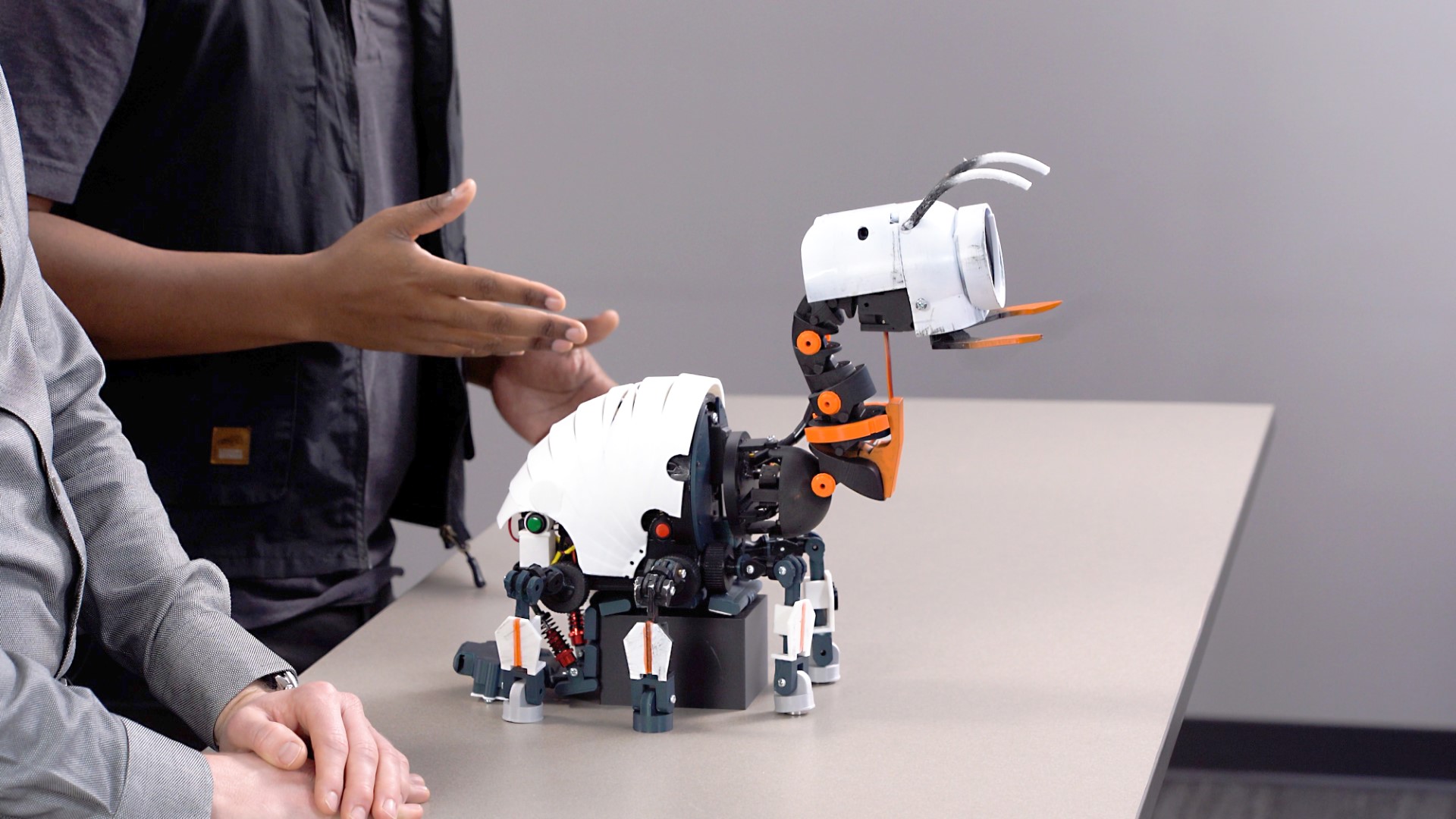
Social robots are defined not by their mechanical parts, but by their role: they interact meaningfully with humans through verbal and nonverbal communication, responsiveness to emotion, and adaptive behavior. Some are humanoid in appearance, like Sophia, which is designed to mimic human behavior and engage in conversation. Others, like robotic pets or animal-like robots such as AIBOs, invoke familiarity through animalistic traits.
One category rapidly gaining traction is socially assistive robots (SARs), designed to provide support through interaction rather than physical assistance. These robots do not pick up heavy objects or scrub floors; instead, they engage with users, offering reminders, conversational interaction, and even emotional support.
The motivations for developing these robots are compelling. Loneliness and social isolation are recognized public health concerns, particularly in aging populations where companionship decreases as mobility and social networks shrink. Social robots, by existing continuously in a user’s living environment, may be positioned to reduce feelings of isolation and provide a sense of social connectedness.
Emotional Bonding and Human-Robot Interaction
For robots to be accepted as companions, they must do more than perform social functions—they must create meaningful emotional connections. Research has shown that humans readily anthropomorphize robots, attributing intention and emotion to their behavior even when users consciously know they are interacting with machines.
However, studies also show limitations. For example, research comparing human bonding with real dogs versus robot dogs (like AIBOs) found that while participants reported interactions with robot dogs as engaging, physiological measures associated with bonding—such as oxytocin release—increased significantly more with real animals. Participants also rated real dogs as superior social companions overall.
This suggests that while robots can elicit social responses and provide some degree of companionship, the depth of emotional bonding may remain shallower than with natural creatures—at least with current technology.
One reason could be the so-called uncanny valley, a phenomenon where robots that appear nearly human—but not exactly—evoke discomfort rather than empathy. This effect highlights the delicate balance in designing robots that are relatable but not eerily lifelike.
Companionship Across Contexts: Culture, Age, and Task
Aging and Social Support
Older adults, especially those living alone, represent one of the most discussed beneficiary groups of social companion robots. In studies where older adults interacted with robots like LOVOT in their homes, participants reported increased engagement, comfort, and even caregiving behavior toward the robot. The ability of these robots to learn routines and respond to users on a personal level enhanced the experience.
Similarly, systematic reviews of SARs show that acceptance of these robots in home-care settings is generally high, with consistent use and positive engagement across various social and functional domains.
These findings demonstrate that specific, context-driven companionship—especially in situations where human interaction is limited—can be effective. Rather than replacing human interaction, robots may augment it or provide a supplementary social presence.
Culture Matters
Cultural frameworks significantly influence how humans perceive social robots. Studies suggest Eastern cultures, in some contexts, may exhibit greater acceptance of robots as companions—rooted in philosophical and historical traditions that more readily incorporate non-human agents into social and spiritual life. In contrast, Western cultures often emphasize human uniqueness and may resist social integration of machines.
Even within cultures, robot appearance, language compatibility, and behavior tailored to local norms increase acceptance and engagement. Robots that speak a user’s native language, mimic culturally familiar social cues, or project recognizable emotional expressions seem more likely to be accepted as social companions.
Beyond Caregiving: Educational and Developmental Roles
Social robots are not limited to elderly care. Robots like Moxie—designed for children—demonstrate how interactive robots can support development, communication skills, and emotional learning. While humans—including parents and educators—remain primary social agents, robots can act as engaging supplemental teachers or social partners in controlled contexts.
The Limits of Robot Companionship
Emotional and Cognitive Depth
No matter how advanced, robots today lack genuine consciousness. They simulate understanding and emotional expression through algorithms—not subjective experience. This limitation places a fundamental ceiling on the authenticity of human-robot emotional bonds.
While behaviors like eye contact, body language, and adaptive dialogue can create *the illusion of connection, these are ultimately computational strategies designed to elicit human emotional responses. Whether such interactions fulfill deep psychological needs comparable to human or animal bonds remains uncertain and context-dependent.
Ethical Implications
As we grow more accustomed to social robots, ethical questions multiply:
- Should robots mimic human or animal companionship too accurately, potentially replacing real human interaction?
- Could individuals become psychologically dependent on robots in ways that diminish human social skills?
- What are the privacy implications when companion robots collect and process personal data?
- How do we ensure equitable access to companion robots without exacerbating social inequalities?
Acceptance of human-robot intimate relationships—not just companionship but potentially romantic or sexual—raises even deeper debates about consent, objectification, and societal impacts. Scholars suggest redefining these relationships to reduce stigma and reframe them within clearer ethical bounds, but significant uncertainty remains.

Technical Challenges and Design Tradeoffs
Robots that serve as social companions must balance technical capabilities with emotional resonance. Key technical challenges include:
- Perception and Emotion Recognition: Robots must interpret human cues accurately to respond effectively. Projects like Feelix Growing are exploring advanced emotion detection, but the field remains complex.
- Mobility and Safety: While robots can navigate indoors reliably, outdoor navigation and complex environments remain difficult.
- Adaptability and Learning: Long-term companionship hinges on robots learning personal user preferences over time, requiring robust machine learning and privacy-preserving data strategies.
Even when robots are technically competent, aesthetic design matters: overly humanlike robots may trigger the uncanny valley, while too mechanical designs may fail to engage socially.
Are We Ready?
So are we ready to accept robots as social companions? The answer is complex and depends on how we define “acceptance.”
Socially and Functionally Accepting
In specific contexts—elder care, children’s learning, loneliness mitigation—social robots are already being adopted and show measurable benefits. Many users appreciate the consistent, nonjudgmental presence these machines can provide, particularly when human engagement is limited. Acceptance increases when robots behave predictably, respectfully, and in culturally sensitive ways.
Emotionally and Ethically Accepting
Widespread emotional acceptance—that robots can truly replace human or animal companionship at deep levels—is still emerging and not universally shared. Emotional bonds with machines often differ in quality from human relationships, even if they feel comforting. Ethical concerns around dependency, privacy, and the social impacts of robot companionship must be seriously addressed before broad acceptance can be deemed safe and healthy.
Culturally Variable Readiness
Different societies may integrate social robots at different paces, shaped by cultural narratives about technology, animism, and human uniqueness. Even within cultures, individual attitudes vary widely based on age, education, and prior exposure to technology.
In short: we are partially ready—technically and socially—to accept robots as companions in specific roles and contexts. Full acceptance—emotionally and ethically—requires careful societal reflection and robust guidelines to ensure these relationships enhance human wellbeing without unintended harm.
Conclusion
Robots are no longer purely functional machines; they are evolving into entities capable of social interaction. From elderly care to developmental support, social robots are demonstrating clear value. Yet they also reveal limitations in bonding depth, ethical complexity, and cultural variability that caution against simplistic conclusions about readiness.
Whether robots become beloved companions, ubiquitous assistants, or supplemental social agents, our approach must balance innovation with ethical care. Accepting robots as social companions does not mean replacing human relationships, but expanding our social ecosystem thoughtfully and responsibly.