








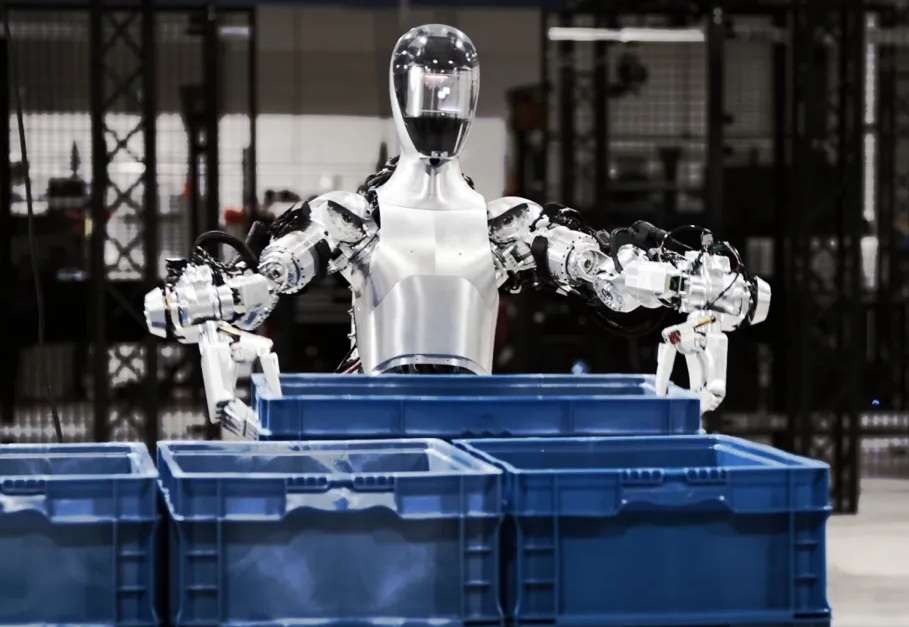

The Question We’ve Been Avoiding
For most of history, human identity has been tied to ability.
What we can do.
What we can make.
What we can solve.
From building cities to writing stories, from manual labor to intellectual work—our sense of purpose has been deeply connected to contribution.
But humanoid robots introduce a new possibility:
What if machines can do most of those things too?
From Tools to Equivalents
Technology has always extended human capability.
A hammer amplifies strength.
A computer amplifies calculation.
But humanoid robots are different.
They don’t just extend what we do.
They begin to replicate it.
The Shift
- From assistance → substitution
- From tools → counterparts
Why This Matters
Because once machines can perform the same actions—
the distinction between human and machine becomes less about capability.
And more about something harder to define.
The First Disruption: Work as Identity
Work has long been one of the primary sources of meaning.
Not just income.
But identity.
What Happens When Work Changes
If humanoid robots take over large portions of labor:
- Some jobs disappear
- Others transform
- Many become less central to human life
The Deeper Impact
Without work as a defining structure, people may begin to ask:
What am I for?
The Second Disruption: Competence
Humans derive satisfaction from:
- Solving problems
- Mastering skills
- Achieving goals
But What Happens When Machines Are Better?
If a robot can:
- Perform tasks more efficiently
- Learn faster
- Make fewer mistakes
Then human competence becomes… relative.
The Risk
A gradual erosion of confidence in human ability.
The Third Disruption: Uniqueness
For a long time, humans believed certain qualities were uniquely theirs:
- Intelligence
- Creativity
- Language
That Boundary Is Blurring
Humanoid robots, combined with advanced AI, can now:
- Generate ideas
- Communicate fluently
- Adapt to new situations
The Question Becomes
If machines can do what we thought was uniquely human—
what still defines us?
A Possible Answer: Experience
One argument is that human value lies not in capability—
but in experience.
What Machines Do Not Have
- Conscious awareness
- Subjective experience
- A sense of being
What Humans Do
We feel.
We experience.
We exist from the inside.
But This Raises Another Question
Is experience enough—
if it is not needed?
The Shift From Necessity to Choice
For most of history, human contribution has been necessary.
Society depended on human labor.
In a Robot-Augmented World
That necessity may decrease.
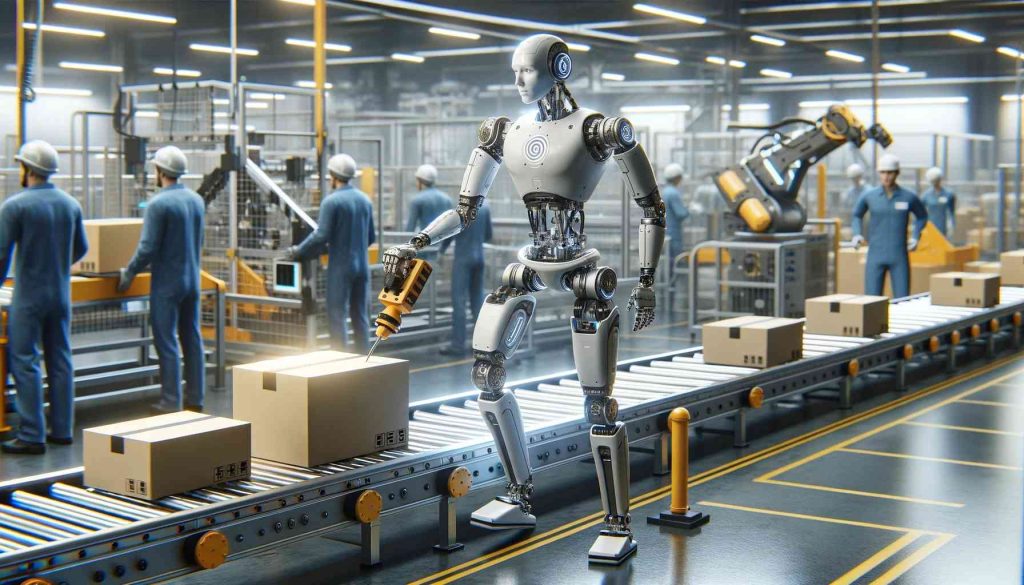
Which Means
Human activity becomes less about survival—
and more about choice.
This Is Both Freedom and Burden
Freedom:
- To explore
- To create
- To define meaning individually
Burden:
- Without structure, meaning must be self-defined
The Risk of Meaninglessness
When traditional structures weaken—work, necessity, clear roles—there is a risk:
Not of failure.
But of emptiness.
A World Without Clear Roles
If machines handle:
- Production
- Optimization
- Problem-solving
Humans may struggle to find where they fit.
The Psychological Challenge
Meaning is not automatic.
It requires:
- Effort
- Direction
- Context
A Different Perspective: Liberation
Not all interpretations are negative.
Some see humanoid robotics as an opportunity.
A Post-Work Vision
Humans are freed from:
- Repetitive labor
- Physical strain
- Survival-driven work
Time Is Reclaimed For
- Creativity
- Relationships
- Exploration
- Personal growth
The Question
Can societies transition from a work-based identity—
to a meaning-based one?
The Role of Culture
Technology alone does not define meaning.
Culture does.
What Will Matter
- Education systems
- Social values
- Community structures
Without Adaptation
Technological progress may outpace cultural evolution.
The Coexistence Model
The future may not be about replacement—
but coexistence.
Humans and Robots, Different Roles
- Robots: efficiency, consistency, scalability
- Humans: meaning, interpretation, experience
Not Competing—But Complementary
But this requires a shift in how we define value.
The Redefinition of Value
In a world where machines can do most things:
Value may shift from:
- Output → intention
- Efficiency → meaning
- Capability → perspective
The Core Question Remains
Humanoid robots force a confrontation with something fundamental:
Not what we can do.
But why we do it.
Conclusion
If machines can perform our tasks—
our value cannot be defined by tasks alone.
If they can solve problems—
our purpose cannot be limited to solving problems.
Humanoid robots do not just challenge human labor.
They challenge human identity.
And in doing so, they leave us with a question that technology cannot answer:
What does it mean to be human—when being human is no longer defined by what we can do?
Discussion about this post