









Introduction
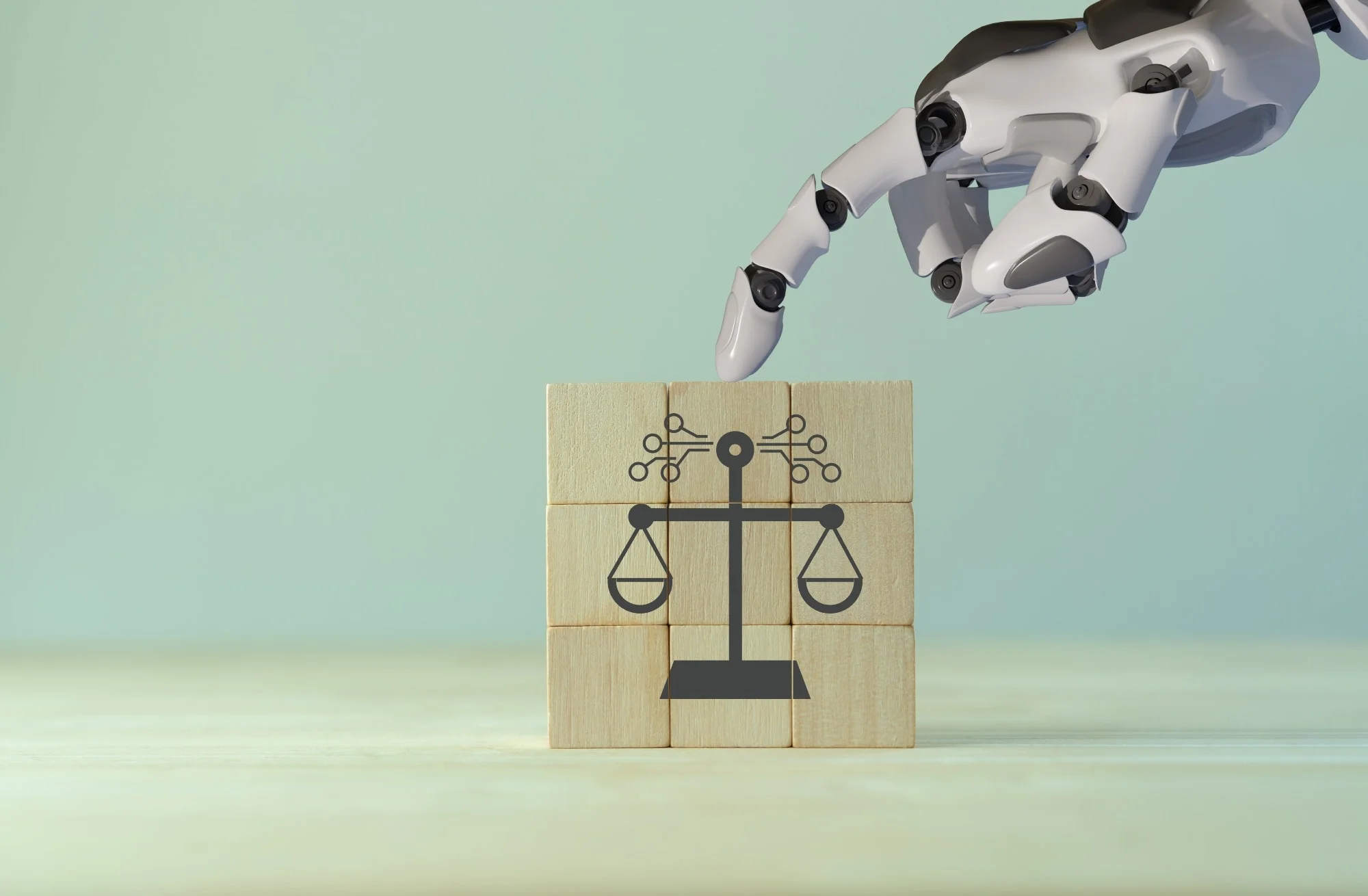
Imagine a world where a robot steps out of a factory and into society—not as a tool, but as an independent agent interacting with humans, making choices, and even causing harm. In fiction, this is familiar terrain: think of futuristic androids with personalities, ambitions, and moral dilemmas. In real life, we are approaching a similar crossroads—not in the realm of sentient machines but in the far more complex and nuanced territory of autonomy, accountability, and responsibility. As robots and AI systems become more integrated into everyday life, we must grapple with one of the most intriguing and consequential ethical, legal, and societal questions of our era: Should robots be held responsible for their actions?
Responsibility is traditionally a human concept associated with moral agency, consciousness, intentionality, and the capacity to understand and respond to moral norms. Yet robots are increasingly making decisions independently—or at least seemingly so. Self-driving cars navigate city streets; AI caregivers monitor the elderly; automated trading systems make billions in milliseconds. When things go right, we celebrate technological progress. When things go wrong, we face a responsibility gap: no obvious moral agent to blame, and no natural mechanism to assign accountability.
In this discussion, we will explore what responsibility means in the context of robotics, why the question matters, the arguments for and against holding robots accountable, the practical implications for law and society, and where we go next.
What Is Responsibility, Anyway?
To unpack whether robots can—or should—be held responsible, we first need to understand what responsibility actually means in human terms.
At its core, responsibility involves:
- Agency — the ability to act with intention and awareness.
- Understanding — grasping the moral dimensions of decisions.
- Accountability — being answerable for harm caused.
- Consequence — facing repercussions or reparations for actions.
In humans, these concepts are intertwined with consciousness and moral reasoning—capacities that we instinctively associate with being alive. Robots, however, operate through programmed logic and machine learning models, which raise a critical question: Can something without consciousness ever be truly responsible? Philosophically, this is a major sticking point, and most scholars argue that robots do not (yet) possess the necessary features of moral agents.
Even so, humans increasingly perceive robots as responsible actors—especially when technology fails or causes harm. Studies show that people tend to blame AI and robotic systems similarly to humans for negative outcomes—even if they don’t attribute the same depth of moral responsibility.
So responsibility isn’t just a legal or ethical question—it’s also a psychological one.
Why This Question Matters
The question of robot responsibility isn’t abstract speculation. As robots increasingly undertake high-stakes tasks, the impact of their behavior has real-world consequences:
- Safety and harm: Autonomous vehicles have been involved in fatal accidents. Who answers when a self-driving car kills a pedestrian?
- Privacy: Robots and AI systems collect vast amounts of personal data, raising concerns about misuse and surveillance.
- Bias and discrimination: AI systems have made biased decisions in hiring, policing, and loan approvals. Who is responsible for these harms?
- Trust: Public trust in technology depends on having clear mechanisms of accountability. When responsibility is unclear, confidence erodes.
These issues are not hypothetical: they already influence public policy, corporate regulation, and consumer expectations. The stakes are high, and the answers we choose will shape society’s technological future.
The Case Against Holding Robots Responsible
1. Robots Lack Moral Agency
Most ethicists and philosophers argue that true moral responsibility requires conscious intention, empathy, and understanding—capacities that robots currently lack. Robots do not have subjective experiences or self-awareness; they operate based on code written by humans and patterns learned from data. Therefore, attributing moral responsibility to them is, in many ways, a category error.

2. Robots Are Designed, Not Born
A core argument against robot responsibility is that robots are fundamentally engineered artifacts. Their “decisions” stem from algorithms crafted by engineers and data curated by human designers. If a robot causes harm, its actions can usually be traced back to design choices, programming errors, or data weaknesses. Holding the robot itself responsible would obscure human contributions to the problem.
3. Punishment Doesn’t Fit the Machine
Traditional notions of responsibility involve consequences—apology, punishment, compensation, or rehabilitation. Robots can’t feel guilt, serve time, or experience remorse. Even a penalty like decommissioning or wiping memory does not hold the robot morally accountable in any meaningful sense. This mismatch challenges the very idea of robot culpability.
4. Responsibility Must Stay Human
Some philosophers argue that responsibility should always be human—reserved for designers, manufacturers, and users. These actors have intent, choices, and moral agency. Transferring responsibility to machines risks diluting accountability and undermines ethical norms.
The Case For Holding Robots Responsible
Despite strong objections, there are compelling arguments for creating a framework where robots bear some form of responsibility—not necessarily moral guilt, but legal and functional accountability.
1. Robots Act Independently
Autonomy matters. As robots become more advanced, their actions are less directly controlled by humans in real time. In fully autonomous systems, the human role shifts from direct operator to designer or supervisor. If a system acts independently, it may warrant a new category of responsibility that reflects that independence in practice—even if not in consciousness.
2. Perceived Responsibility Affects Behavior
Human perceptions of accountability influence trust and acceptance of technology. When robots are perceived as responsible agents—especially in moral psychology experiments—judgments about blame, compensation, and reform change. This suggests that public expectations might push for forms of accountability linked directly to the robot, even if philosophically imperfect.
3. Legal and Regulatory Innovation
Legal systems have already innovated analogous concepts—corporate personhood being one example where non-human entities are granted legal standing to support accountability. Similarly, some suggest that robots or AI systems might eventually have tailored legal statuses that allow them to hold liability, pay fines, or carry insurance.
4. Closing the Responsibility Gap
Where damage occurs due to autonomous decisions, holding humans liable may be difficult, especially when actions emerge from complex, adaptive algorithms. Introducing robot-level accountability mechanisms—whether through financial liability or system-level compliance—can ensure that victims are compensated and that risk is managed effectively.
Practical Approaches to Accountability
If robots are to be held responsible for their actions in some sense, what might that look like in practice? Here are possible frameworks:
1. Strict Liability for Manufacturers
Under this model, manufacturers are held strictly responsible for harms caused by their robots, regardless of fault—similar to product liability laws. This discourages negligent design but doesn’t require proving intent.
2. User Responsibility
In scenarios where users deploy robots (e.g., home robots, industrial robots), users could be responsible for proper operation and safety compliance.
3. Robot Legal Status
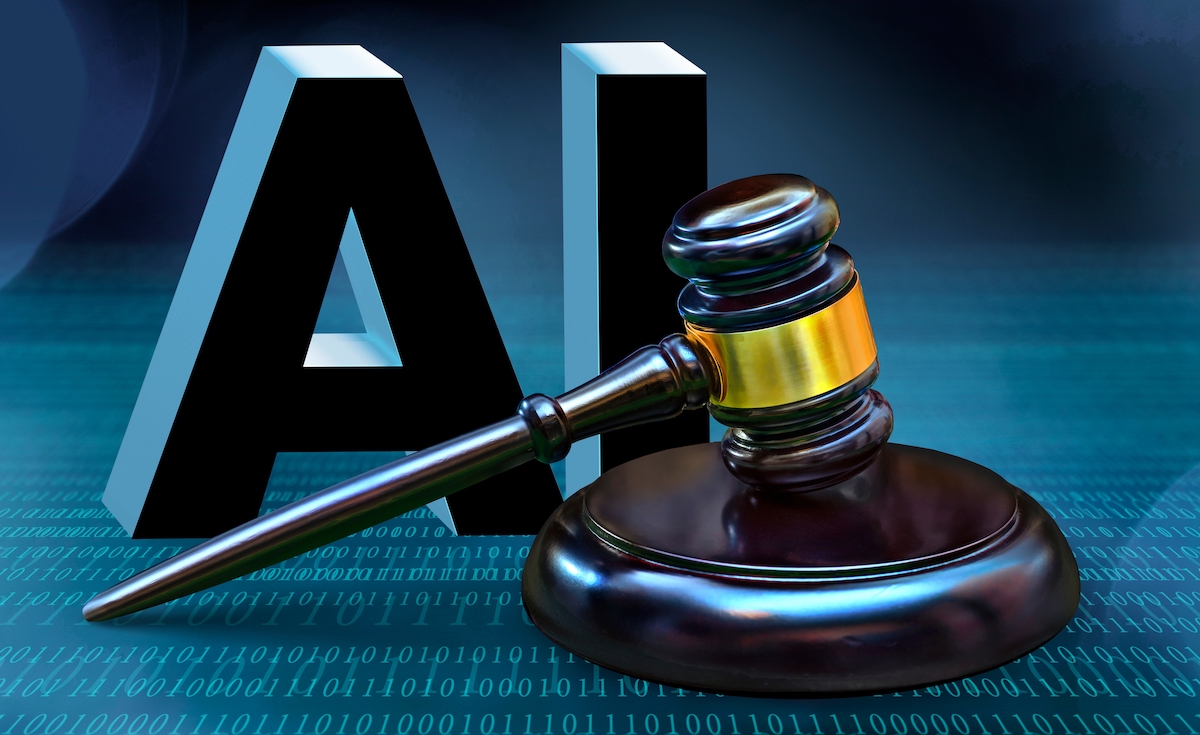
Some propose creating a new legal category for autonomous systems with defined rights and responsibilities. While controversial, this could allow robots to hold assets like insurance funds to cover damages.
4. Hybrid Models
Accountability might be distributed across designers, manufacturers, users, and autonomous systems in responsibility networks, reflecting the complex interactions that produce outcomes.
Challenges and Risks
Designing fair and effective responsibility frameworks is not simple. Key challenges include:
- Technical opacity: Many AI systems are “black boxes,” making it hard to trace decision logic.
- Bias and fairness: Accountability methods must address harms from biased data and decisions.
- Regulatory gaps: Existing laws often don’t account for autonomous systems.
- Innovation tensions: Overly punitive frameworks could stifle technological progress.
These difficulties underline the need for interdisciplinary collaboration across law, ethics, engineering, and public policy.
The Middle Ground: Robot Responsibility Without Rights
Rather than granting robots full moral responsibility or rights, a practical middle path is emerging: robots can be held responsible in functional terms for specific domains of action, without implying moral agency or conscious intent. This “robot responsibility” is thinner and more limited than human responsibility—it focuses on causal accountability and risk management, not morality in the traditional sense.
For example, a delivery robot could be required to carry liability insurance and meet safety standards. If it injures someone, the insurance pays. Meanwhile, the manufacturer and programmer remain accountable for design and oversight failures.
This approach aligns with the pragmatic needs of modern societies without conflating technical causality with moral guilt.
Looking Ahead: What Comes Next?
As robotics and AI continue to evolve, so too must our ethical and legal frameworks.
Some likely future developments include:
- AI explainability mandates — ensuring systems can communicate how decisions were made.
- International norms and standards — global agreements on accountability for autonomous systems.
- Public education — helping people understand both the limits and responsibilities of robotics.
- Dynamic regulation — adaptive legal models that evolve with technology.
Ultimately, whether robots are “held responsible” may matter less than whether clear, fair, and enforceable systems exist to manage the impacts of their actions. What’s at stake is not just technology, but trust, fairness, and the social contract between humans and machines.
Conclusion
The question “Should robots be held responsible for their actions?” is not only intellectually fascinating—it’s essential for shaping a future where autonomous systems work with society rather than against it. While robots lack the consciousness and moral agency that underlie traditional human responsibility, they operate in contexts that demand accountability.
A balanced perspective recognizes both the limitations of robots as moral agents and the real-world need for responsibility frameworks that protect people and guide innovation. Functional accountability—rooted in law, ethics, and social expectations—offers a pathway forward. This evolving concept of robot responsibility does not elevate machines to human-like moral standing, but it does ensure that when technology impacts lives, someone or something must answer for the consequences.