








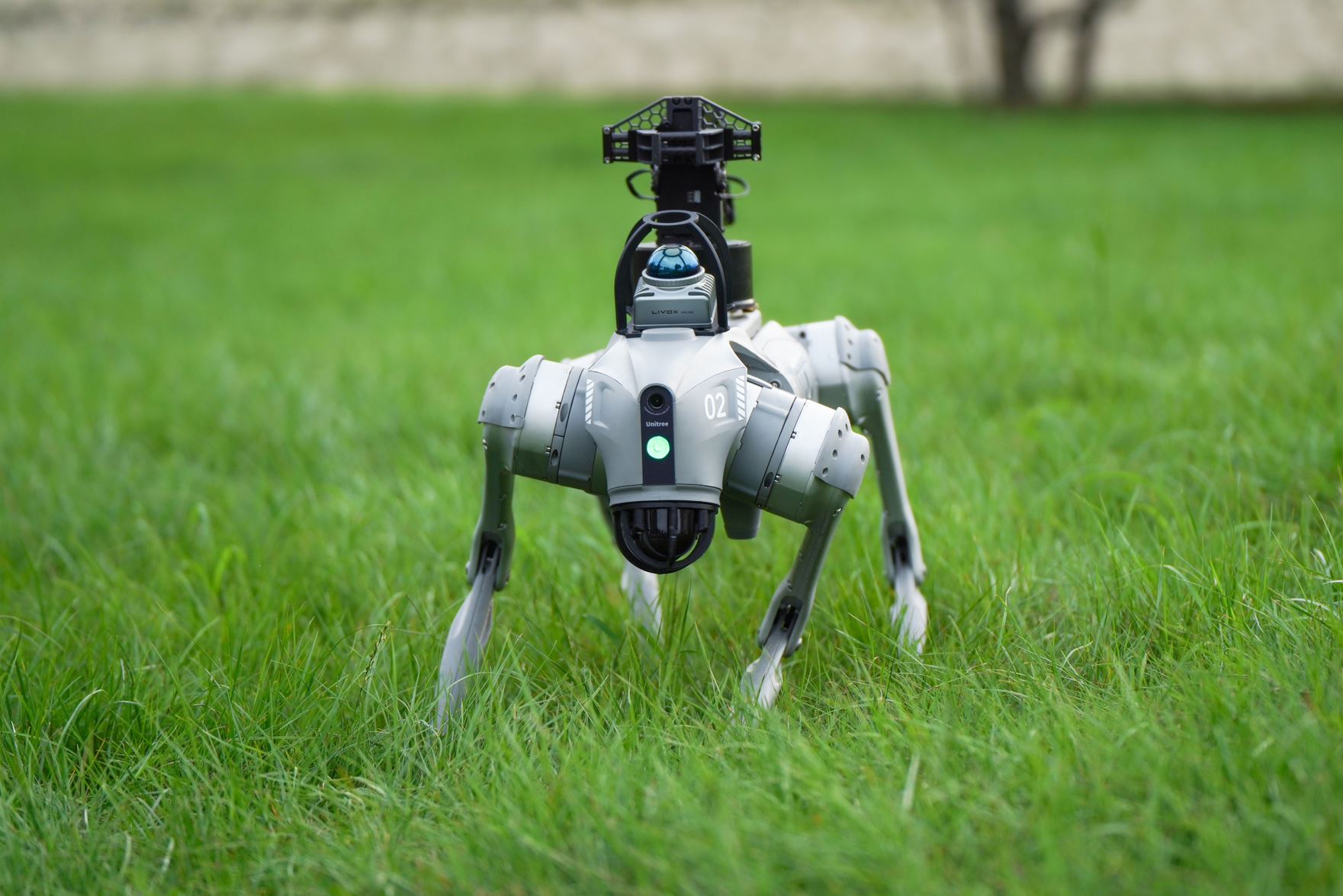

In a world where robotics is rapidly becoming a part of daily life, the Unitree R1 stands out as one of the most affordable quadruped robots on the market. With a price tag of $6,000, it offers a range of impressive features designed to perform various tasks in environments that require mobility and agility. But does the R1’s promise of “reliable performance” hold up in real-world applications? The answer, as with many things in robotics, is nuanced. In this article, we will dive deep into the capabilities, limitations, and potential of the Unitree R1, considering everything from its engineering to its real-world usability.
The Unitree R1: What’s Under the Hood?
Before assessing whether the Unitree R1 can live up to its $6,000 promise, let’s first take a look at its hardware. At the core of the R1 is a combination of high-performance sensors, artificial intelligence (AI), and robust mechanical engineering.
1. Mobility and Design
The R1 is designed to mimic a four-legged animal, which gives it excellent stability and agility. It comes equipped with high-torque motors that allow for quick, precise movements and can easily handle different terrains, whether it’s climbing stairs or navigating rough outdoor environments.
Its compact design makes it highly portable, but it’s also built to withstand some degree of harsh conditions, with rugged footpads that help it maintain grip on slippery surfaces. Whether it’s walking, running, or even performing more complex maneuvers, the R1 promises an agility that many traditional wheeled robots simply cannot match.
2. Sensors and AI
The R1’s sensors are crucial for its ability to perform tasks autonomously. It is equipped with 3D depth sensors, cameras, and an array of LIDAR systems that help it detect obstacles, track movements, and understand its environment. Coupled with its AI, the R1 can navigate spaces with a level of dexterity that was once reserved for highly specialized robots.
The onboard AI allows the R1 to learn from its environment. For example, if it encounters an obstacle that it hasn’t seen before, the R1 can adjust its movement patterns to avoid it. This makes the R1 incredibly adaptable, a feature that significantly enhances its utility in dynamic real-world applications.
Real-World Applications: Can the R1 Live Up to Its Promise?
1. Industry and Automation
The promise of a $6,000 robot is especially intriguing in the context of industrial automation. Unitree envisions the R1 as a tool that can be deployed in factories, warehouses, and logistics environments. Here, it can serve several purposes, from transporting goods to monitoring production lines and even performing routine inspections.
In this space, the R1’s compact size and mobility allow it to navigate between tight spaces and around obstacles, much like a human worker. Its AI also helps it adapt to changes in its environment, making it an attractive candidate for applications that require real-time decision-making and agility.
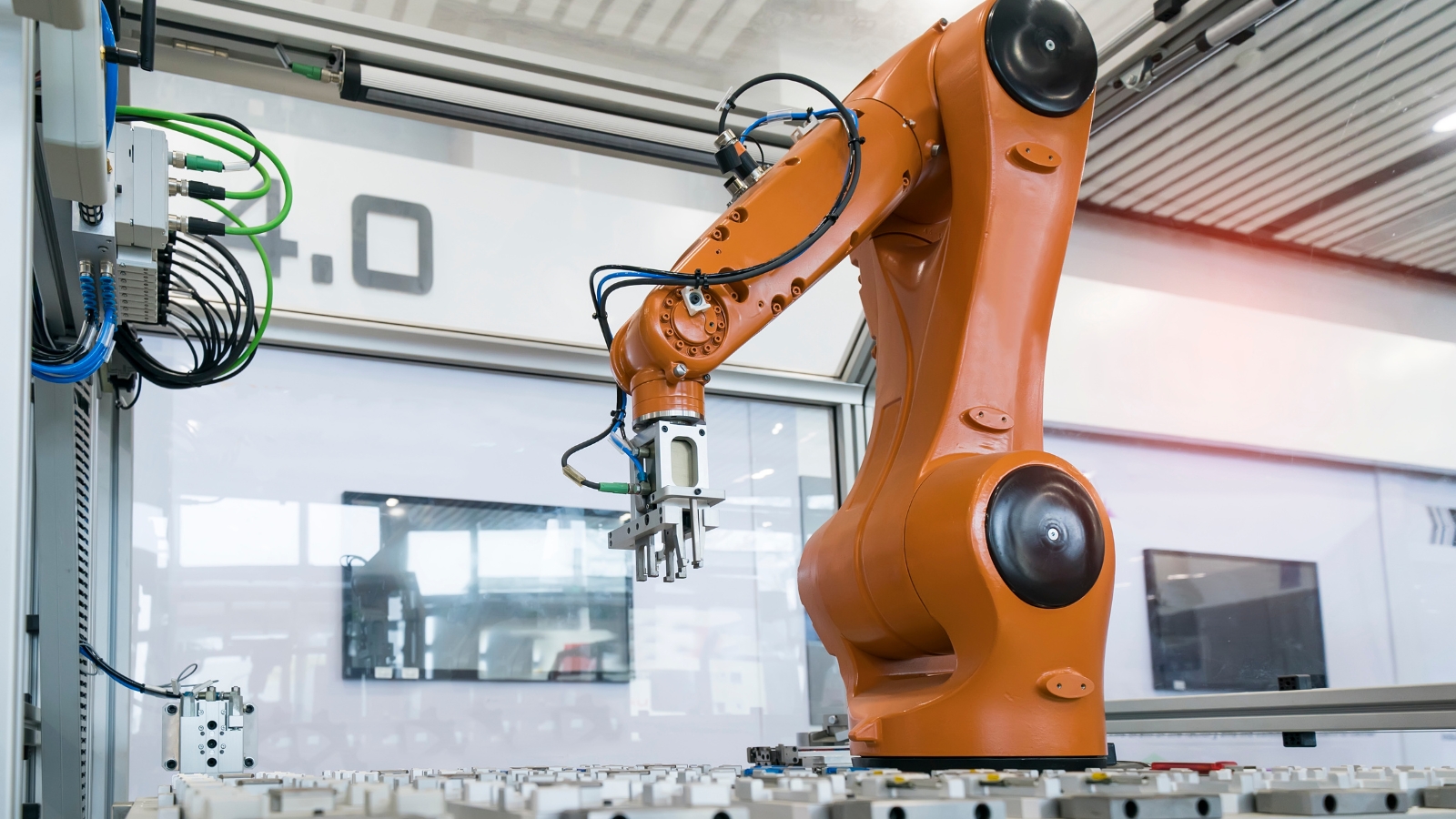
However, in practice, some challenges emerge. The R1’s battery life, for instance, is limited. While it can work for about 1.5 to 2 hours on a single charge, in an industrial environment, this might not be enough for continuous operation. Additionally, while the R1 excels at certain tasks, its ability to carry heavy loads is still somewhat limited compared to larger, more expensive robots in the same category.
Despite these challenges, the R1’s flexibility makes it a promising tool for certain industries, especially in roles that require mobility and real-time decision-making.
2. Surveillance and Security
Another area where the Unitree R1 shines is surveillance and security. Equipped with cameras and motion sensors, the R1 can patrol areas autonomously, providing real-time footage and alerts. Its ability to navigate both indoors and outdoors allows it to cover a broad range of environments, from offices and warehouses to construction sites.
In theory, this capability sounds excellent. The R1 can replace or augment human security personnel, acting as a mobile camera system that patrols the premises and alerts the user to potential threats. However, while the R1’s sensors are advanced, they are still not as robust as those found in higher-end security systems. Moreover, its limited battery life may not be suitable for long-term, around-the-clock surveillance.
3. Service and Healthcare
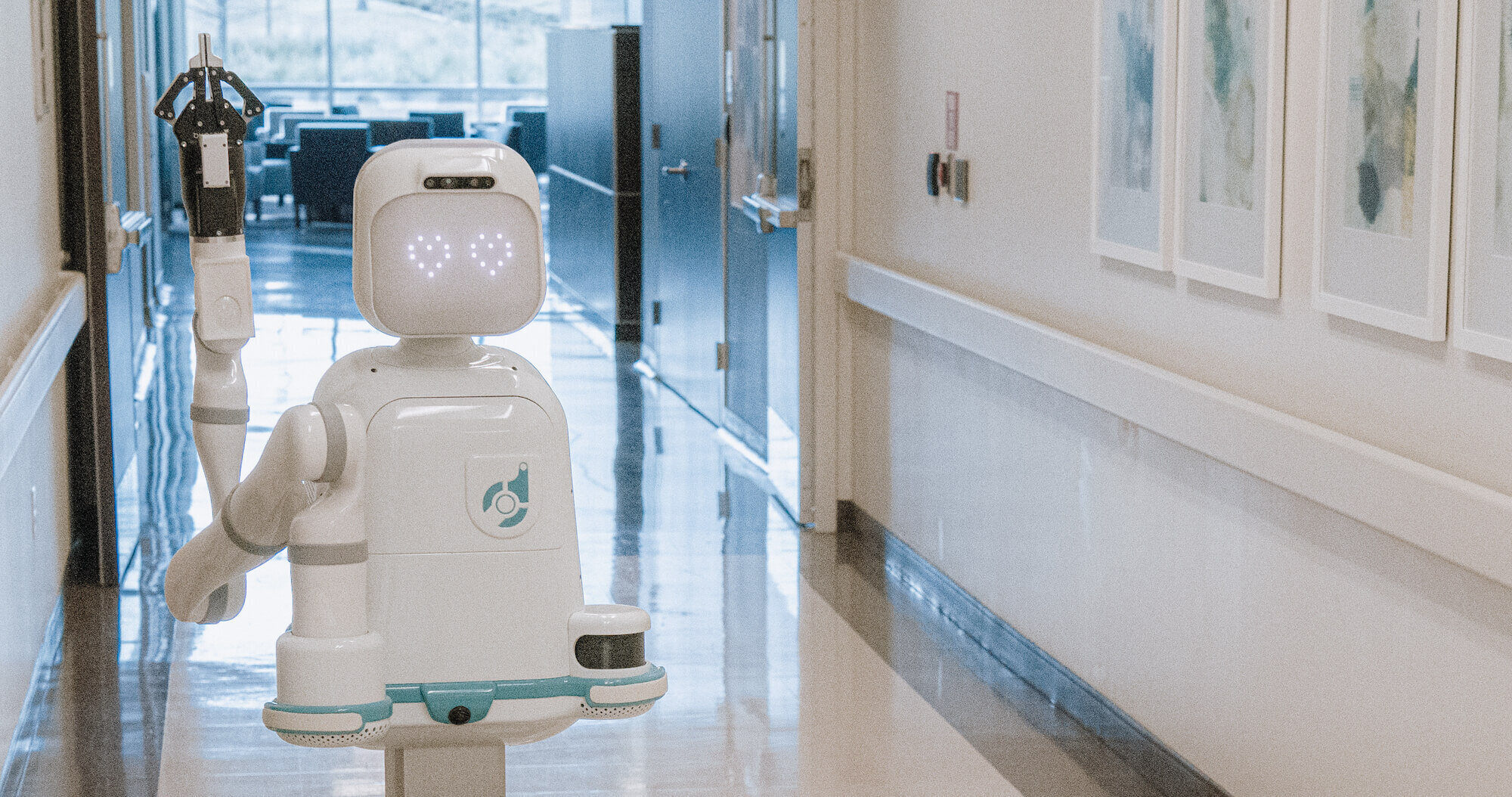
Unitree also markets the R1 as a potential tool for service industries, including healthcare. With its mobility and ability to interact with its environment, the R1 could assist with tasks like delivering supplies, monitoring patient conditions, or even providing companionship to elderly individuals.
In the healthcare context, the R1’s ability to navigate a variety of settings—whether hospitals, nursing homes, or private residences—could prove useful. For example, it could be used to transport medical supplies between rooms or deliver food and medications to patients. The R1’s AI could even allow it to monitor patients, detecting falls or changes in their conditions and alerting caregivers in real-time.
However, there are challenges in the service sector as well. While the R1 can perform basic tasks, it may struggle with the more delicate, high-touch roles that require human empathy, precision, and understanding. Furthermore, the use of AI in healthcare raises ethical questions around patient privacy and the potential for technology to replace human workers in sensitive areas like caregiving.
Key Limitations: Where the R1 Falls Short
While the Unitree R1 is a highly impressive piece of technology, there are several key limitations that must be considered before investing in it.
1. Battery Life
One of the most significant drawbacks of the R1 is its battery life. While it can last between 1.5 to 2 hours on a full charge, this is quite limiting for many real-world applications. In industrial and security settings, where continuous operation is often required, the R1 would need frequent recharging, which could disrupt workflows.
2. Payload Capacity
Although the R1 can carry small loads, it’s not designed to carry heavy equipment or large packages. This limits its potential in logistics and transportation, where larger robots are needed to handle heavier payloads. The R1’s design focuses more on mobility and agility than on raw strength, which is ideal for certain applications but restrictive in others.
3. Durability in Harsh Environments
While the R1 is built with durability in mind, it may still struggle in extremely harsh environments. Dust, moisture, and extreme temperatures can affect the sensors and motors, which could impact performance. While it has some ruggedness, it’s not invincible, and care must be taken when deploying it in such conditions.
4. Human Interaction and Autonomy
The R1 is highly autonomous, but it still requires a certain level of human interaction. For example, its AI may need human guidance when performing more complex tasks or when it encounters an obstacle it can’t navigate around. While this is common with many robots, it limits the R1’s ability to operate independently in more challenging environments.
Is the R1 Worth It?
So, does the Unitree R1 live up to its $6,000 promise? The answer depends on your application and expectations. For industries that require a robot capable of navigating diverse environments, carrying light loads, and providing real-time data, the R1 offers incredible value. Its agility, sensors, and AI capabilities set it apart from other robots in its price range, making it a compelling option for industrial, security, and service applications.
However, for those looking for a robot with longer battery life, greater payload capacity, and the ability to function in extreme conditions, the R1 may fall short. Its limitations in these areas mean it’s not a one-size-fits-all solution, but rather a specialized tool for specific use cases.
Ultimately, the Unitree R1 offers a glimpse into the future of robotics, where affordable, agile robots can handle a range of tasks that were once thought to be too complex for machines. While it may not be perfect, its potential is undeniable, and as technology advances, we may see its capabilities improve in ways that make it an even more valuable tool in the real world.