








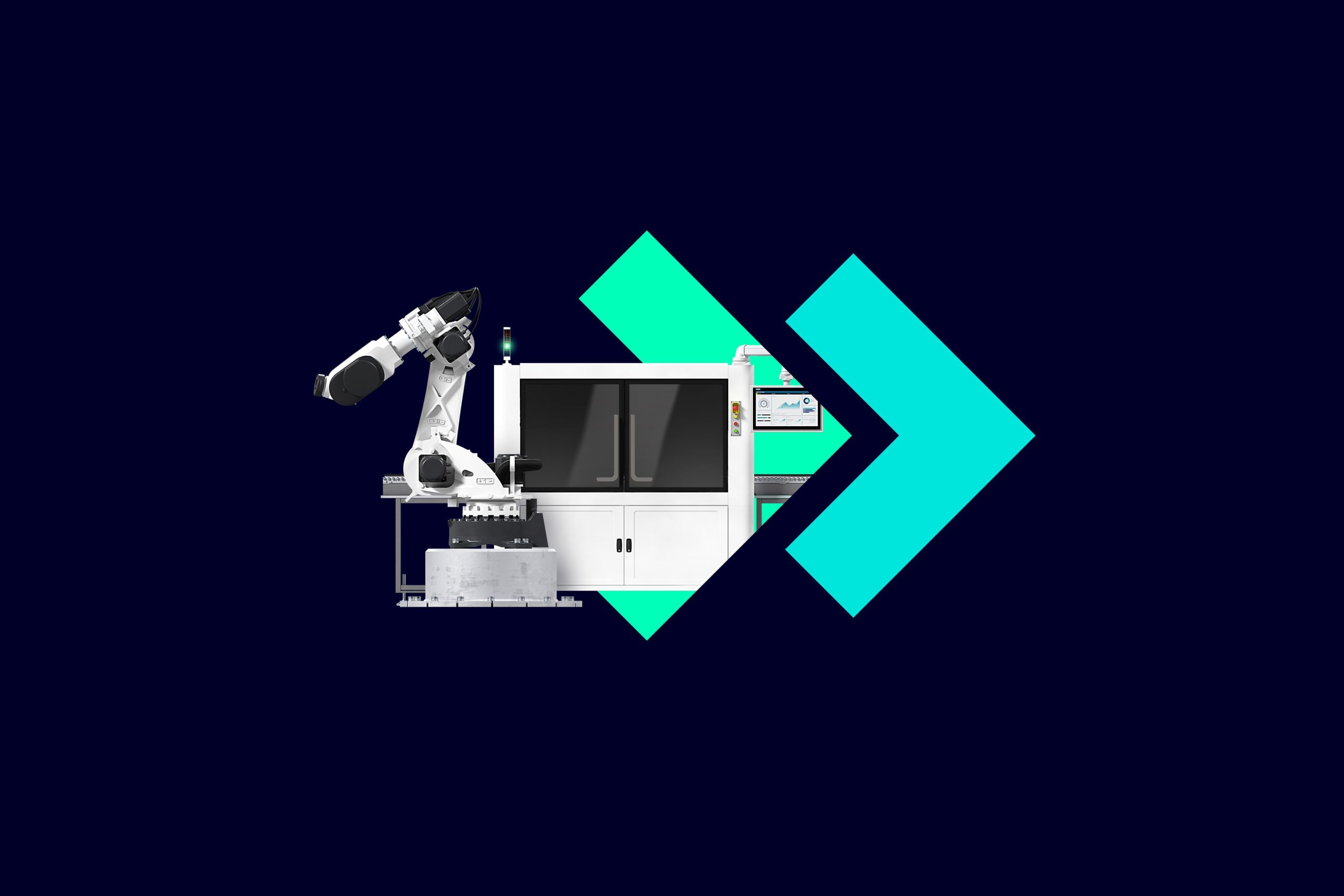

The rise of robots and automation technologies is one of the most significant technological shifts in recent history. While some hail robots as the key to solving global productivity challenges, others warn of their potential to deepen social divides. In the past, every industrial revolution has sparked debates over its impact on society, with promises of a better future often shadowed by fears of inequality. The question remains: do robots exacerbate inequality or democratize prosperity? To answer this, we must examine how robotics influences labor markets, wealth distribution, and economic opportunities.
The Changing Landscape of Work
The world of work is undergoing a profound transformation. Historically, robots were confined to factory floors, performing repetitive tasks. Today, they have expanded into a wide range of industries, from agriculture to healthcare, from education to entertainment. This expansion has raised concerns about job displacement. Many argue that robots will replace human workers, particularly in low-skill or routine tasks, leaving millions without employment.
On the other hand, robots have the potential to create new forms of work that were previously unimaginable. As industries integrate automation, there is a growing need for new skill sets, such as programming, robot maintenance, and AI system design. Moreover, robots can take on dangerous or monotonous tasks, allowing humans to focus on more complex, creative, or strategic roles. This could lead to more fulfilling careers, as individuals shift from routine labor to roles that demand higher cognitive and emotional intelligence.
Labor Market Displacement: A Double-Edged Sword
One of the most compelling arguments against the rapid adoption of robots is the risk of large-scale job displacement. In industries like manufacturing, robots can already perform tasks faster, more accurately, and without the need for breaks. This leaves many workers vulnerable to job loss, especially in regions where industries have relied heavily on manual labor.
However, history shows that technological advancement does not always lead to the death of jobs but rather a transformation of them. For instance, the Industrial Revolution displaced countless agricultural jobs but also created new employment opportunities in factories, transportation, and service industries. Similarly, robots in the modern world could lead to the emergence of new sectors such as robotic process automation (RPA), drone management, and AI-driven data analysis.
The challenge lies in the uneven distribution of these benefits. Wealthy countries and highly skilled workers are more likely to reap the rewards of automation, while workers in low-income, low-skill sectors are more vulnerable. This uneven access to opportunities may indeed exacerbate existing inequalities, especially between developed and developing nations.
Automation and Wealth Distribution

As robots become more integral to industries, the question of wealth distribution becomes more urgent. The ownership of robots and automation technology often lies with large corporations or wealthy individuals, exacerbating the concentration of wealth in fewer hands. This shift could further increase the wealth gap, with the owners of robots accumulating more wealth while workers earn less due to job displacement.
One potential solution to this issue is the introduction of a Universal Basic Income (UBI). Proponents argue that UBI, financed by taxes on robotic automation, could provide a safety net for displaced workers and ensure that the benefits of automation are more evenly shared. By redistributing the wealth generated by robots, society could ensure that prosperity is not concentrated at the top.
In countries that have already begun experimenting with automation, such as Japan and South Korea, the focus has been on integrating robots into industries where labor shortages are a pressing issue, such as elderly care. Here, robots are seen as enablers of greater efficiency and productivity, not as job destroyers. In such contexts, robots can democratize prosperity by addressing critical labor shortages while also improving the quality of life for vulnerable populations.
Robotics in Healthcare: Democratizing Access to Care
One of the most promising applications of robotics lies in healthcare. With an aging global population, many countries face significant challenges in providing adequate care to the elderly and disabled. Robots, particularly those powered by AI, can assist with tasks ranging from physical rehabilitation to emotional support. By improving the efficiency and quality of care, robots could make healthcare more accessible and affordable for everyone, regardless of income or social status.
In developing countries, where healthcare infrastructure is often underfunded and understaffed, robots could serve as a game-changer. Robots could bridge the gap between the availability of care providers and the needs of the population, ensuring that even remote or impoverished communities have access to quality healthcare services.
However, the introduction of robotics into healthcare also raises ethical questions. Should we rely on robots for caregiving tasks that require empathy, intuition, and human connection? Can robots truly replace the warmth and compassion provided by human caregivers? These questions underline the complexity of automation’s role in society and its potential to both democratize and exacerbate inequality.
The Role of Education and Skills in an Automated World
If robots are to democratize prosperity, one of the most important factors will be the availability of education and training. The automation revolution is not a future event; it is happening right now. As machines become more capable, workers will need to continuously upgrade their skills to remain competitive in the labor market.
Education systems around the world must adapt to this reality by providing students with skills in fields like robotics, AI, data science, and programming. Moreover, lifelong learning and reskilling programs will become critical for those whose jobs are displaced by automation. Countries that invest in education and training will be better equipped to ensure that their populations can thrive in an increasingly automated world.
However, disparities in access to quality education and training could deepen the divide between the haves and the have-nots. Without proper support, individuals from low-income backgrounds may find themselves excluded from the new economy, relegated to low-wage jobs that are less likely to be automated but also less fulfilling.
The Ethical Dilemma: Responsibility, Privacy, and Trust
The ethics of robotics also play a significant role in shaping its impact on society. As robots become more integrated into everyday life, questions about privacy, autonomy, and accountability will inevitably arise. Who is responsible when a robot makes a mistake? Can we trust robots to make ethical decisions, particularly in sensitive areas like healthcare, law enforcement, and finance?
Privacy is another key concern. As robots become more capable of interacting with humans and collecting vast amounts of data, the potential for abuse increases. Without proper regulations in place, robots could infringe on individuals’ privacy rights, leading to a loss of personal autonomy.
At the same time, robots have the potential to enhance transparency and accountability. In areas like healthcare, for example, robots can track and analyze patient data with greater accuracy, potentially reducing errors and improving outcomes. However, this also raises the question of who owns and controls this data, and how it is used.
Conclusion: A Double-Edged Sword
In the end, robots have the potential to both exacerbate inequality and democratize prosperity. On one hand, automation could lead to massive wealth concentration and job displacement, particularly for low-skilled workers. On the other hand, robots could create new forms of work, improve healthcare access, and enhance global productivity, ultimately benefiting society as a whole.
The key to ensuring that robots democratize prosperity lies in how societies choose to manage the transition. Policies focused on equitable wealth distribution, education, and social safety nets could ensure that the benefits of automation are shared more widely. At the same time, ethical considerations must guide the development of robots, ensuring that they enhance rather than undermine human dignity and rights.
Ultimately, robots are not inherently good or bad—they are tools, and how we use them will determine whether they exacerbate inequality or contribute to a more prosperous, equitable world.