










As the world marches forward in the age of advanced technology, one of the most profound questions emerging is: Can society adapt to mass robot workers? In a world where automation, artificial intelligence (AI), and robotics are increasingly becoming part of our everyday lives, this question has far-reaching implications for labor, society, economy, and ethics. Robots, once considered science fiction, have become a vital part of various industries, from manufacturing and logistics to healthcare and customer service. But what happens when robots become mainstream workers, and how will society respond?
This article explores the potential impacts, challenges, and opportunities associated with the mass adoption of robot workers. We will look at societal adaptation from various perspectives, including labor dynamics, economic restructuring, ethical dilemmas, and the future of work. Additionally, we will discuss how technology can be used to facilitate this transition, ensuring that both human and robotic workers coexist harmoniously. By the end, you will gain a clearer understanding of how society might evolve when robots become an integral part of the workforce.
The Rise of Robotics in the Workforce
In the past few decades, robots have steadily moved from the realm of sci-fi into real-world applications. The first industrial robots were introduced in the 1960s, and since then, their capabilities have grown exponentially. Today, we find robots working in almost every industry—assembling cars in factories, delivering packages through autonomous vehicles, conducting surgeries in hospitals, and even acting as customer service representatives in retail stores.
The rise of these intelligent machines comes as a direct result of advancements in robotics, AI, and automation technologies. Modern robots are not only capable of performing repetitive tasks with incredible efficiency but are also able to adapt, learn, and interact with their environment in ways previously unimaginable. This evolution opens up new possibilities for mass adoption of robots in various sectors, creating the potential for a robotic workforce.
Labor Market Transformation: Replacing Humans or Collaborating with Them?
One of the primary concerns regarding the mass introduction of robot workers is the impact on human labor. Automation has already caused significant shifts in labor markets, particularly in manufacturing, where robots have replaced human workers on assembly lines. The fear that robots will replace millions of jobs in other sectors is not unfounded, but it oversimplifies the potential effects of this shift.
Rather than simply replacing human workers, robots can be seen as collaborators. For example, in the healthcare sector, robotic assistants can help nurses lift patients, deliver medications, and perform routine checks, thereby allowing healthcare workers to focus on more complex tasks. Similarly, in industries like agriculture, robots can handle planting, watering, and harvesting, while humans supervise and manage these tasks.
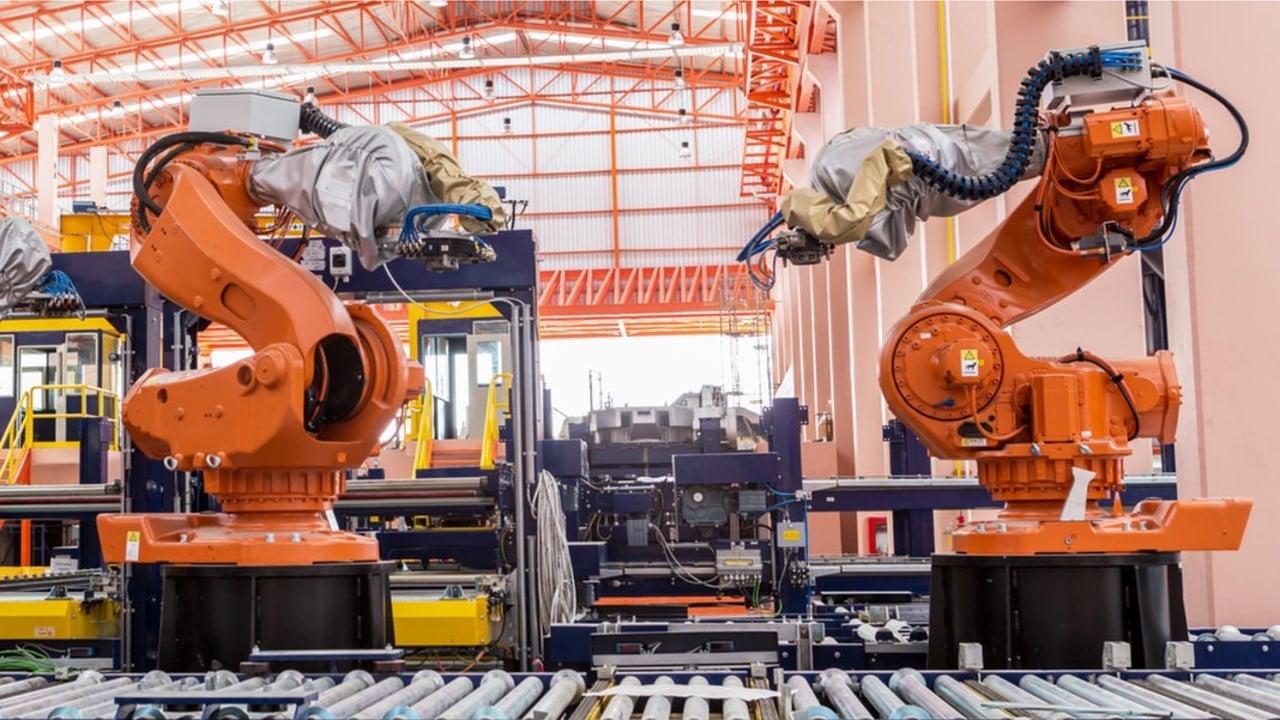
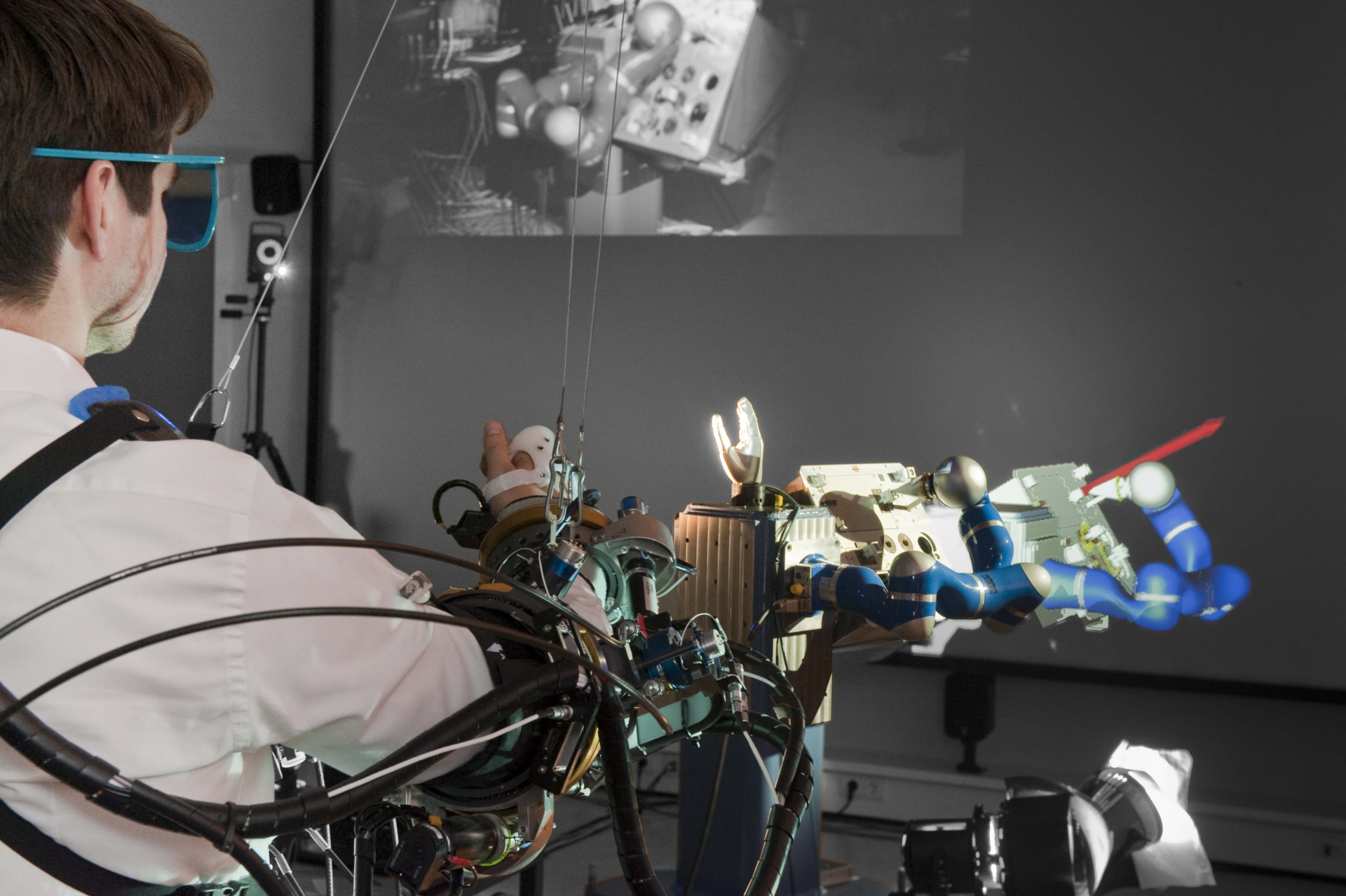
The key to a successful transition lies in understanding how robots can complement human workers rather than directly replace them. As robots take on more routine and physically demanding tasks, human workers could be freed up to focus on more strategic, creative, and interpersonal roles. This could lead to the emergence of new jobs and the need for new skill sets that focus on managing, programming, and interacting with robots.
Economic Implications: Efficiency and Productivity vs. Job Losses
From an economic standpoint, robots can dramatically improve efficiency and productivity. Businesses can reduce operating costs, speed up production times, and increase output—all of which are highly attractive from a profit perspective. For consumers, this could mean cheaper goods and services, thanks to the reduction in labor costs. However, these benefits come at a significant cost to the human workforce.
The most obvious economic challenge is job displacement. As robots take over tasks previously performed by humans, millions of workers may find themselves out of a job. In manufacturing, this has already happened on a large scale, and many fear it will spread to other sectors, including retail, food service, and logistics. With fewer opportunities for human workers, there could be an increase in unemployment rates and a widening wealth gap, especially if displaced workers cannot easily transition into new roles.
To mitigate these risks, economists suggest that society may need to reconsider the concept of work itself. A potential solution is the implementation of a universal basic income (UBI), where all citizens receive a guaranteed minimum income regardless of employment status. UBI could provide a financial safety net for those displaced by automation, giving them the freedom to retrain for new jobs, pursue education, or start businesses.
Additionally, investment in education and retraining programs will be crucial to ensure workers can adapt to new job demands. As more industries adopt robotics and AI, the need for highly skilled workers in fields like robot maintenance, programming, and data analysis will increase. This transition, however, will require significant effort from governments, businesses, and educational institutions.
Ethical and Moral Considerations: The Role of Robots in Society
As robots take on more roles in society, ethical and moral questions become increasingly important. The idea of robots working alongside or instead of humans raises several issues, including whether robots should be given the same rights and protections as human workers. For example, should robots be entitled to labor rights? Should they be compensated for their work in some way, or is their “work” simply the result of programmed functionality?
Another significant ethical concern involves the relationship between humans and robots in the workplace. If robots can perform tasks more efficiently than humans, there could be a shift in how society views the value of human labor. Will human workers be seen as less valuable, or will their unique qualities, such as creativity, emotional intelligence, and decision-making, continue to be prized?
The integration of robots into society also brings questions of accountability. If a robot makes a mistake—such as an error in a medical procedure or a delivery accident—who is responsible? Is it the robot, the manufacturer, the programmer, or the company that deployed the robot? These questions highlight the need for clear legal and ethical frameworks to govern the use of robots in society.
The Future of Work: Collaboration and Regulation
To ensure a smooth transition into a future with mass robot workers, it will be essential to develop regulations and policies that address both the opportunities and challenges posed by robotics. Governments will need to establish laws that protect human workers from exploitation and ensure that the benefits of automation are shared broadly across society.
Collaboration between robots and humans will likely become the dominant model for the future of work. This hybrid approach, where robots handle routine tasks and humans focus on creative, strategic, and interpersonal work, could foster a more productive and fulfilling workforce. To achieve this, however, businesses must prioritize worker retraining, social safety nets, and the responsible use of technology.
As robots continue to evolve, we may find that they are not just tools for labor but partners in innovation. By working together, humans and robots could solve some of the most pressing challenges facing society, such as climate change, aging populations, and global health crises.
Conclusion: A New Era of Cooperation
While the mass adoption of robot workers presents significant challenges, it also offers enormous potential. The key to adapting society to this new reality lies not in resisting change, but in embracing it and preparing for it. By rethinking work, investing in education, and developing ethical and regulatory frameworks, we can ensure that the future of work is one where humans and robots collaborate to create a more efficient, equitable, and innovative society.
The road to this future will require careful planning and foresight, but with the right policies in place, society can adapt to the rise of robot workers in a way that benefits all members of society, both human and robotic.