









The world of robotics is rapidly evolving, with humanoid robots taking center stage in the ongoing debate about automation, work efficiency, and the future of human-robot collaboration. Among the many humanoid robots currently in development, Boston Dynamics’ Atlas and Agility Robotics’ Digit are two of the most prominent contenders in the field. Both robots are designed to replicate human movements, but they are built with different goals and capabilities in mind. The question arises: Who carries the heavier load—Atlas or Digit?
The Rise of Humanoid Robots: A New Era of Automation
Humanoid robots, by definition, are robots designed to resemble and replicate human behavior. This includes the ability to walk, talk, and perform tasks that would otherwise require human physical effort. With advancements in artificial intelligence (AI), sensors, and machine learning, humanoid robots are now being developed to handle a wide range of responsibilities—from industrial work to caregiving.
Boston Dynamics and Agility Robotics have been at the forefront of this technological revolution, each creating robots that push the boundaries of what is possible in robotics. While Atlas and Digit share a common foundation in their humanoid design, they are engineered to tackle distinct types of tasks.
Atlas: The Agile, High-Flying Performer
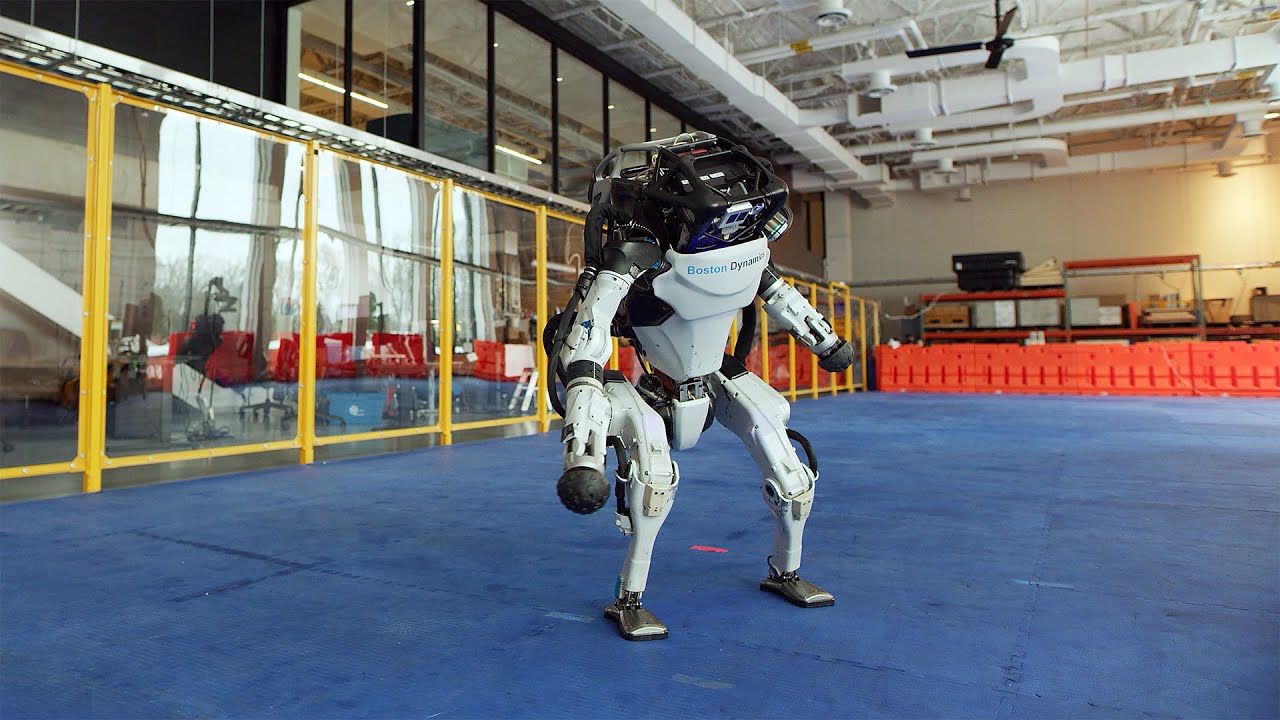
Developed by Boston Dynamics, Atlas is a humanoid robot built for agility, mobility, and dynamic motion. Standing at 1.5 meters tall and weighing around 80 kilograms, Atlas is designed to perform complex tasks in unpredictable environments. This robot is most well-known for its breathtaking feats of athleticism, including backflips, parkour, and running. It is equipped with advanced sensors, including LiDAR and stereo cameras, which allow it to navigate and understand its surroundings with incredible precision.
Atlas’ Capabilities
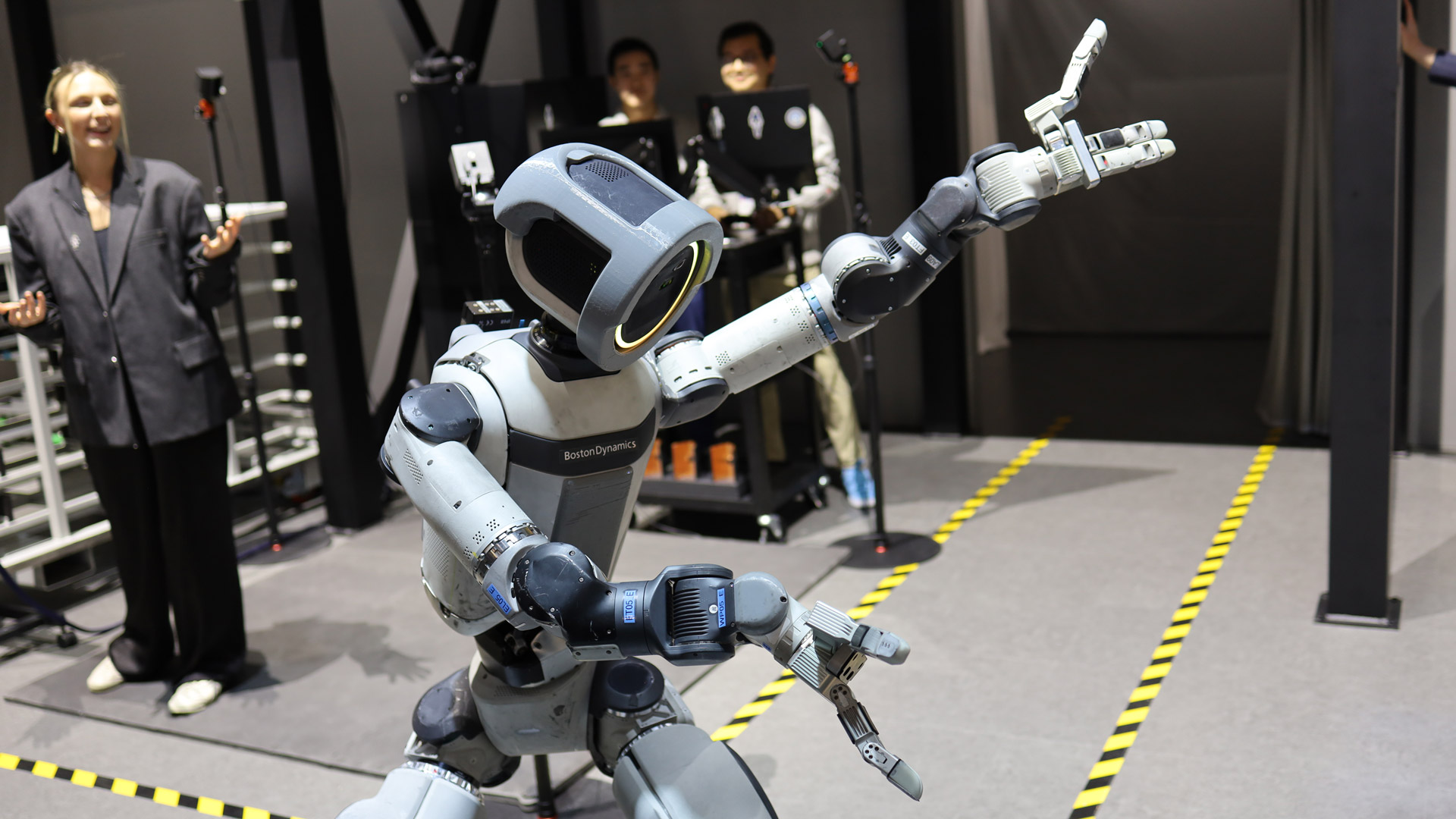
Atlas is designed with a primary focus on mobility. It can balance on uneven terrain, jump across obstacles, and move fluidly through space—skills that make it incredibly versatile in environments where human workers might struggle. The robot’s advanced motion algorithms allow it to perform high-speed sprints, balance itself in precarious positions, and recover from falls. This agility makes it perfect for tasks that require a lot of physical exertion, such as disaster response or even military applications.
However, Atlas is not just a one-trick performer. It is also capable of heavy lifting, thanks to its strong, powerful limbs. With its ability to lift and carry payloads, Atlas could be deployed in industrial environments, although it is still limited by its design in terms of endurance and load-bearing capacity.
The Heavier Load: Atlas’ Strength and Limitations
While Atlas is capable of carrying relatively heavy loads, its strength is still limited compared to the next generation of humanoid robots. For instance, Atlas might be able to lift a few hundred kilograms in ideal conditions, but it would not be able to handle the same level of weight over extended periods. Additionally, its focus on dynamic movement—like jumping and flipping—means that it is more suited for tasks that require dexterity and agility rather than pure strength.
Digit: The Practical, Everyday Worker
On the other hand, Digit, developed by Agility Robotics, is designed with more practical, day-to-day applications in mind. Unlike Atlas, which is built for high-intensity, high-mobility tasks, Digit is designed to be more stable and reliable in real-world work environments. Standing at 1.5 meters tall and weighing 70 kilograms, Digit is slightly lighter and more compact than Atlas, which makes it easier to deploy in a variety of spaces, including warehouses, delivery systems, and even offices.
Digit’s Capabilities
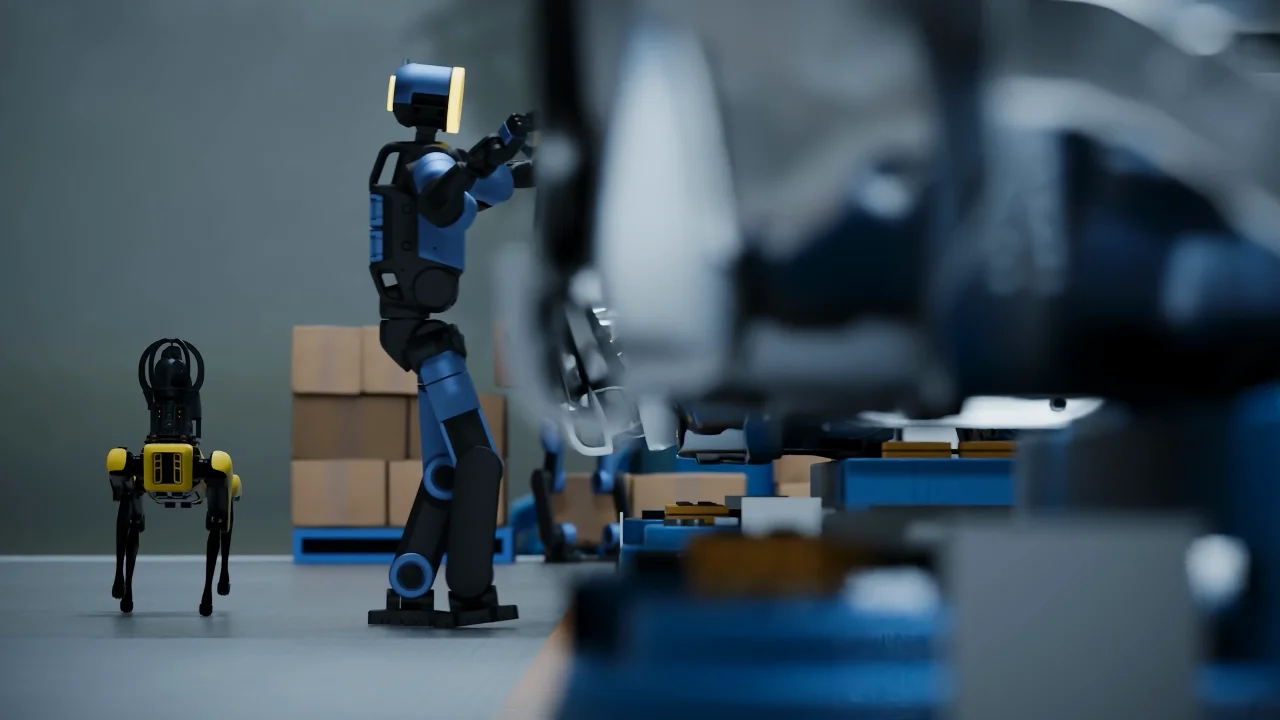
Digit is a versatile humanoid robot, specifically engineered for work tasks that require endurance and reliability. Its design features include a pair of legs capable of walking, climbing stairs, and navigating complex terrains with ease. Its arms, while not as dynamic as Atlas’, are strong enough to carry and manipulate objects. Unlike Atlas, Digit is primarily focused on the manipulation of goods, such as transporting boxes, handling packages, and assisting in logistics operations.
In terms of its physical capacity, Digit is more specialized for carrying loads in controlled environments—such as factories or distribution centers. It excels at tasks that require repetitive motion, precision, and the ability to work autonomously over long periods of time. Digit can walk, bend, crouch, and extend its arms, making it suitable for picking up items and carrying them to specific locations.
The Heavier Load: Digit’s Endurance and Adaptability
While Digit may not have the same level of agility or strength as Atlas, it is designed with endurance in mind. Its ability to carry out repetitive tasks for long durations, combined with its adaptive capabilities, makes it a strong contender for warehouse work and logistics. In fact, Digit could be deployed for full-time shifts, working day-in and day-out without the risk of fatigue that a human worker might face.
Digit’s smaller, more compact design also allows it to operate in tighter spaces, such as narrow aisles in warehouses or delivery pathways in urban environments. Its load-bearing capabilities, while not as extreme as Atlas, are more than sufficient for the kinds of tasks it is designed to perform.
Comparative Load-Bearing Capacity: Who Carries the Heavier Load?
Now, let’s examine the load-bearing capacities of Atlas and Digit side-by-side.
- Atlas: In terms of raw power, Atlas is built to handle dynamic tasks that require bursts of strength and agility. It can lift a substantial amount, particularly in short bursts, but its primary purpose is not heavy lifting. Atlas’s ability to perform physical feats like backflips or jump over obstacles is more about showcasing agility than pure strength. In ideal conditions, Atlas could carry a significant load (several hundred kilograms), but for extended periods, it would struggle with endurance.
- Digit: Digit, while not as agile as Atlas, is designed for tasks that involve repetitive motion and sustained effort. Its load-bearing capacity may be less than Atlas in terms of maximum weight lifted, but Digit’s design is optimized for steady, long-term carrying tasks. Its real-world applications, such as picking up boxes or carrying packages, are where it excels. While it may not be able to perform high-intensity tasks like Atlas, Digit can carry significant loads over extended periods, making it the better option for tasks requiring long-duration operation.
In summary, Atlas is built for agility and dynamic movements, making it better suited for tasks requiring short bursts of power. On the other hand, Digit is the workhorse designed for endurance and repetitive tasks, capable of carrying lighter loads over longer periods of time. In the battle of load-bearing capacity, the winner depends largely on the type of load—whether it’s a one-time heavy lift or a sustained operation over hours or days.
Conclusion: The Future of Humanoid Robots
As humanoid robots like Atlas and Digit continue to evolve, their roles in industries ranging from logistics to healthcare will only expand. The future is likely to see a blending of both robots’ capabilities—agility from Atlas combined with the endurance of Digit. Together, they could redefine automation in industries that rely heavily on physical labor.
The debate over which robot carries the heavier load ultimately comes down to the type of load in question. Atlas is built for agility and short-term power, while Digit is designed for long-term, repetitive tasks. Both have their place in the future of automation, and as technology advances, it’s likely we’ll see even more powerful robots that combine the best of both worlds.