








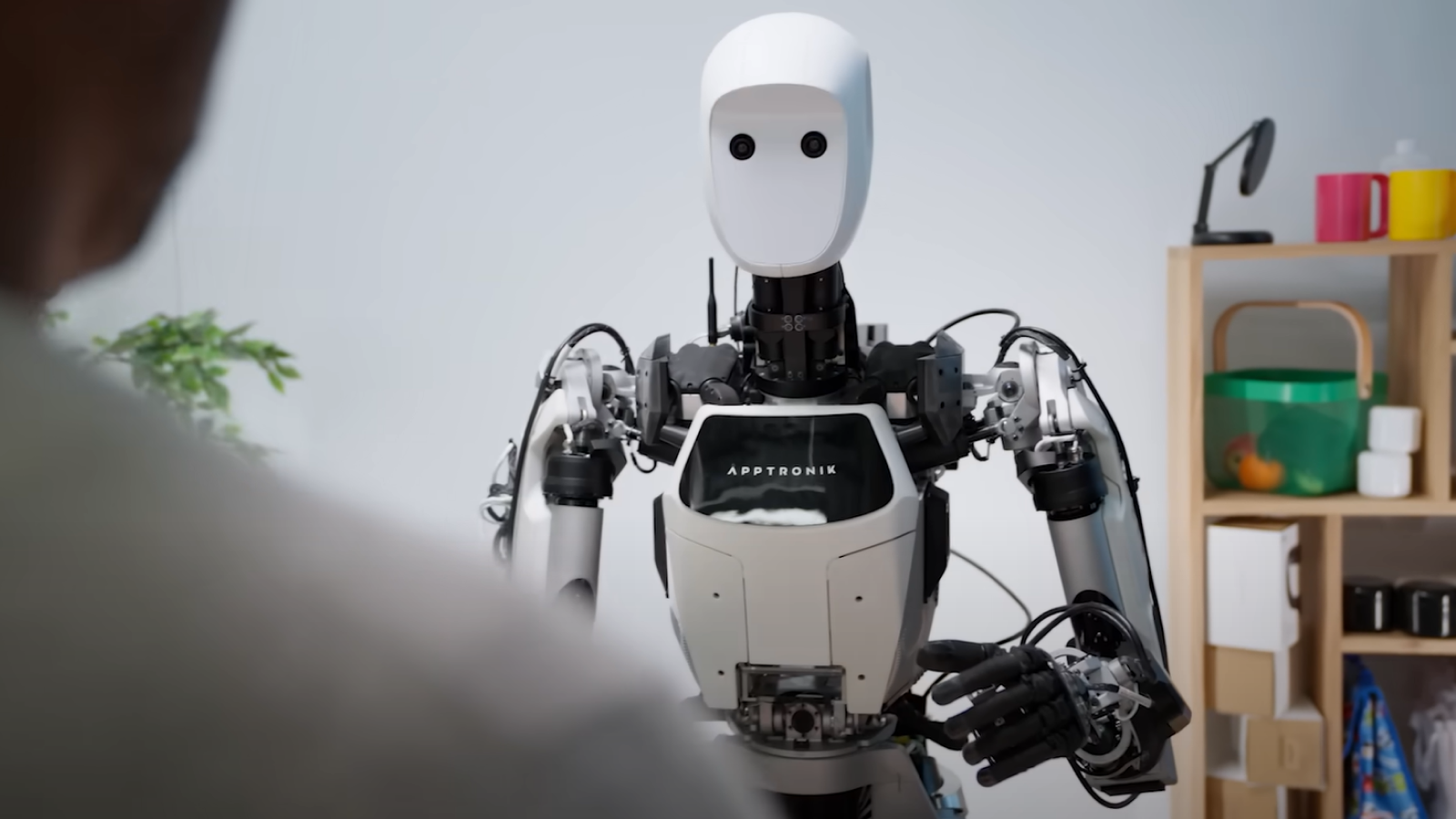

In recent years, the rapid advancements in artificial intelligence (AI) and robotics have brought us closer to the day when robots can seamlessly interact with humans using natural language. From virtual assistants like Siri and Alexa to autonomous robots in industries and homes, the demand for machines that can understand and act upon human instructions is growing exponentially. But how much intelligence do these robots actually need to understand natural language commands? In this article, we explore the different aspects of AI, natural language processing (NLP), and robotics that contribute to a robot’s ability to interpret and execute human language, and what challenges remain in making this process both accurate and reliable.
The Building Blocks: Natural Language Processing (NLP)
At the core of any robot capable of interpreting natural language commands is a set of techniques and algorithms known as Natural Language Processing (NLP). NLP is a subfield of AI that focuses on enabling machines to understand, interpret, and generate human language in a way that is both meaningful and useful. NLP combines computational linguistics—concerned with the structure of language—along with machine learning algorithms that allow computers to improve their language skills over time.
NLP works by breaking down natural language into smaller, more manageable parts, such as words, sentences, and semantic meaning. To put it simply, NLP helps robots “understand” the intent behind a spoken or written command. While this may sound straightforward, the complexity of human language adds a multitude of challenges. Consider homophones, metaphors, or the ambiguities inherent in many languages: these linguistic quirks require a level of processing that current robots can only partially handle.
Syntax and Semantics: The Language Puzzle
When robots interpret language, they don’t simply translate words into commands. They must first decipher the syntax (the structure of the sentence) and the semantics (the meaning behind the words). For example, if you tell a robot, “Please move the red box to the left,” the robot must understand that:
- “Move” is a verb, indicating an action.
- “Red box” is the object to be moved.
- “Left” indicates the direction.
In addition to basic syntax, a robot needs to recognize context. The meaning of a sentence can change based on surrounding words or prior interactions. This is a major challenge because a single word may have multiple meanings depending on context. For instance, “run” can refer to physical motion, operating a machine, or managing a business.
Parsing Natural Language: The Challenge of Ambiguity
Ambiguity is one of the biggest hurdles in natural language understanding. Consider the phrase, “I can’t believe the bank is closed today.” The word “bank” could refer to a financial institution or the side of a river. Without additional context or a deeper understanding of the user’s environment, a robot could easily misinterpret the meaning.
To combat this issue, more sophisticated NLP systems use probabilistic models and deep learning algorithms to make educated guesses about meaning based on the context. However, even state-of-the-art systems are far from perfect, and ambiguity remains a significant problem.
The Role of Machine Learning in Understanding Language
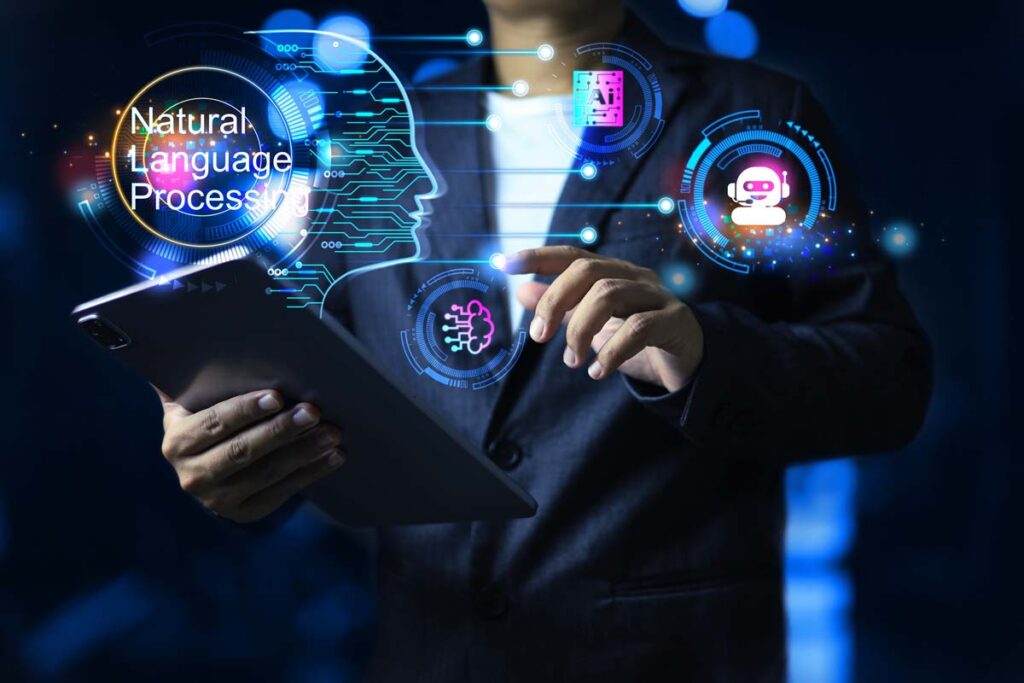
Machine learning (ML) plays an essential role in advancing robots’ language comprehension abilities. Unlike traditional rule-based systems, where a set of predefined rules govern how language is understood, machine learning algorithms allow robots to “learn” from large datasets of human language. This can be particularly useful for recognizing patterns in complex and diverse linguistic structures.
For example, deep learning algorithms can analyze vast amounts of data, like social media posts, books, and other texts, to detect nuances in language use. By training these algorithms on a wide range of linguistic contexts, robots can become better at understanding the diverse ways humans communicate. This also helps machines to interpret slang, regional dialects, and other informal aspects of language.
Supervised and Unsupervised Learning
There are two main types of machine learning approaches used for NLP: supervised learning and unsupervised learning.
- Supervised learning involves training a model on a labeled dataset, where each example has an associated output. For instance, if you were training a robot to recognize commands, you would provide it with a series of sentences paired with the correct actions to take (e.g., “turn left” → robot turns left). As the robot encounters more examples, it gradually learns to map language to actions accurately.
- Unsupervised learning is a more autonomous form of learning, where the machine discovers patterns and structures in data without explicit labels. In the context of NLP, unsupervised learning can help robots recognize linguistic structures or relationships between words that were not previously defined.
Reinforcement Learning for Actionable Decisions
Reinforcement learning (RL) is another type of machine learning that has shown promise in helping robots understand how to take action based on natural language commands. In reinforcement learning, robots are trained through trial and error, receiving positive or negative feedback based on their actions. Over time, the robot learns to optimize its behavior in response to various language commands, adjusting its actions to maximize rewards and minimize mistakes.
For example, a robot tasked with cleaning a room might be given a series of instructions such as “vacuum the floor” or “wipe the table.” The robot’s learning process will involve repeatedly performing these tasks and adjusting its behavior to improve efficiency based on the results of prior actions.
The Human Element: Emotion and Tone
One of the fascinating aspects of human communication is the role that emotion and tone play in shaping meaning. When humans speak, they don’t just convey information through words; they also convey feelings, attitudes, and social cues. In a conversation, tone, inflection, and even body language give context to what is being said. For instance, “close the door” can be a polite request or a frustrated demand, depending on how it’s said.
Incorporating emotional intelligence into robots is a complex challenge. A robot needs to not only understand the words being spoken but also interpret emotional signals such as tone of voice or facial expressions. This requires sophisticated sensors, like microphones and cameras, and advanced algorithms capable of analyzing these signals in real time.

Sentiment Analysis and Empathy
Sentiment analysis is one approach used to detect the emotional tone in language. Using NLP and machine learning, robots can learn to recognize positive, negative, or neutral sentiments in spoken commands. For example, if a user speaks in an angry or upset tone, the robot might adjust its response to be more empathetic or deferential. This type of emotional responsiveness is still in its early stages but could lead to robots that are better able to engage in social interactions, especially in caregiving or customer service roles.
Real-World Applications: Where We Stand Today
Robots today are still far from perfect when it comes to interpreting natural language with the nuance and complexity humans possess. While systems like Amazon’s Alexa, Apple’s Siri, and Google Assistant can handle simple commands like “set an alarm” or “play music,” more complex tasks still pose significant challenges.
However, advancements are being made every day. In industries like manufacturing, logistics, and healthcare, robots are being deployed to assist with tasks that require both physical action and language comprehension. Robots can now follow instructions such as “move the box to the blue shelf” or “scan this inventory list,” thanks to improvements in machine learning and NLP. In healthcare, robots are being trained to understand instructions related to patient care, such as “administer medication at 8 AM” or “adjust the bed to a sitting position.”
As NLP and machine learning continue to evolve, the gap between human and machine communication will continue to shrink, allowing for more sophisticated interactions. However, challenges remain, particularly in the areas of contextual understanding, emotional recognition, and the ability to handle ambiguous language.
Ethical Considerations in Robot Intelligence
As robots become more capable of interpreting and executing natural language commands, ethical concerns inevitably arise. One major concern is the issue of privacy. When robots collect and process personal data to understand language, there is always the potential for misuse. Imagine a robot that overhears a private conversation and inadvertently shares sensitive information. Ensuring that robots adhere to strict privacy protocols will be crucial as they become more integrated into our daily lives.
Another ethical dilemma involves the autonomy of robots. As robots grow smarter, they may start to make decisions based on their interpretations of human commands. This raises questions about accountability. If a robot misinterprets a command and causes harm, who is responsible—the robot, its programmer, or the owner? These are questions that society must answer as robots take on more complex tasks.
Conclusion
The intelligence required for a robot to interpret natural language commands is not just about processing words. It involves complex algorithms, machine learning, and a deep understanding of context, emotion, and human behavior. While we have made significant strides in this area, there are still many challenges to overcome before robots can fully understand and interact with humans in the way we communicate with each other.
As we continue to develop more intelligent robots, it will be important to balance technological advancements with ethical considerations, ensuring that these machines serve to enhance our lives while respecting privacy, autonomy, and human dignity.