









In our rapidly advancing world, robots and artificial intelligence (AI) are becoming ubiquitous, transforming industries, daily life, and even the ways we interact with one another. But as robots become increasingly integrated into human society, a pressing question looms: How will long-term robot use affect our emotions, relationships, and most importantly, our sense of trust and love? Will we learn to trust robots as we do fellow humans, or will a gap remain? These are questions that touch upon ethics, emotions, society, and even our very understanding of what it means to love and trust. As robots advance, it’s important to explore not only how they function in technical terms, but how they reshape the emotional and psychological fabric of our lives.
1. The Rise of Robotics: A Changing Landscape
We’re witnessing a new era in technology where robots aren’t just tools; they’re becoming partners, assistants, and even companions. From household chores to caregiving, robots have already infiltrated various facets of human life. Robots like the robotic vacuum cleaner, the AI-powered customer service assistants, and even advanced medical robots are becoming part of the fabric of daily existence. The growth of humanoid robots and AI-based companions is particularly notable because they’re designed to mimic human behavior and emotions, making them more relatable.
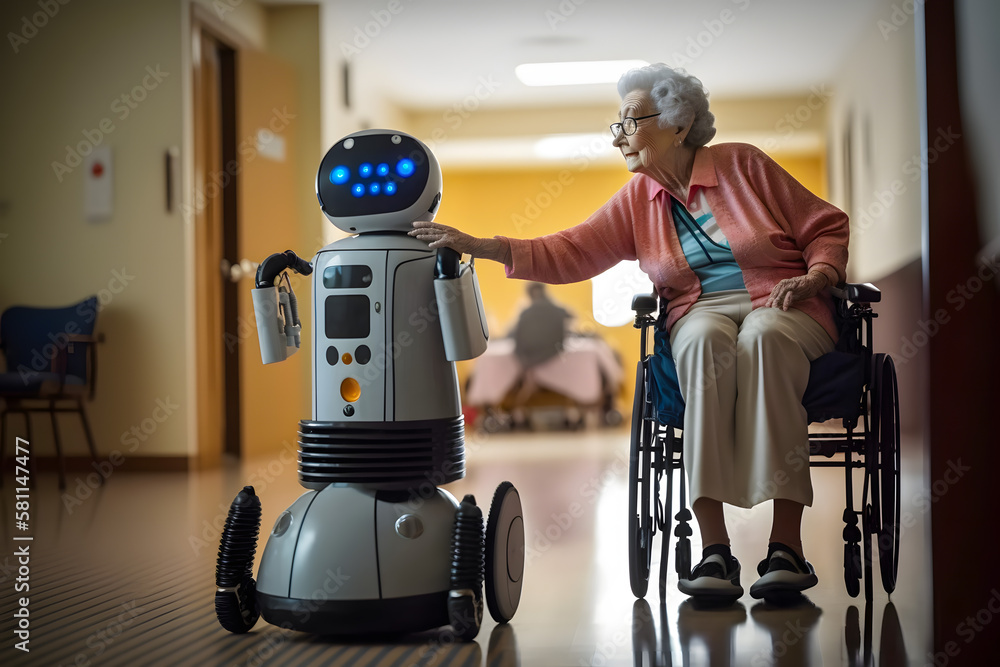
As these robots evolve, they’re beginning to tackle tasks traditionally considered human roles, such as emotional support, caregiving, and social interaction. Robots like Sophia and Pepper are designed to engage with humans emotionally, creating a new type of interaction. These robots offer companionship to the elderly, assistance to those with disabilities, and can even serve as “emotional caretakers,” responding to emotional cues from their human counterparts. While this seems like a boon for society—particularly for vulnerable populations—the question remains: how will these interactions affect the way we view love and trust?
2. Trust and Robots: A Love-Hate Relationship
Trust is foundational to any relationship, be it between friends, family, or romantic partners. But robots are not humans, so can we truly trust them in the same way? In the context of caregiving, robots are programmed to perform tasks with precision and reliability. But as our reliance on these machines deepens, so does the question of trust. Will we ever trust them completely with something as intimate as love, or even life itself?
Recent studies show that humans can develop a kind of “parasitic trust” with robots. What this means is that while we may trust robots to execute tasks, we may still harbor doubts about their motives, decision-making, and ability to handle unpredictable situations. For instance, while robots can assist the elderly with medication management or meal preparation, can they be trusted to make judgments in cases of emotional distress or even life-threatening medical emergencies? Unlike human caregivers, robots lack empathy, which is one of the key elements in fostering trust. The emotional nuances of human relationships—shared history, mutual understanding, and unconditional support—cannot easily be replicated by a machine.
However, robots like K5, a security robot that patrols streets, or the Tug, a robot designed to transport medical supplies in hospitals, are built to gain trust by providing consistent, error-free service. But no matter how perfectly they perform, the human ability to feel safe and loved might be eroded by a fundamental lack of emotional connection.
As robots develop more sophisticated learning algorithms and improve their emotional intelligence capabilities, they might be able to mimic human-like responses more convincingly, making it easier for us to form bonds with them. But will it ever be the same? Can a machine ever inspire the kind of unconditional trust that we reserve for our loved ones? Or will a division always exist, one between the “functional” trust we extend to robots and the “emotional” trust we reserve for humans?

3. The Love Factor: Can a Robot Love You?
When we talk about love, we typically think of it as something uniquely human—an emotion filled with depth, complexity, and personal meaning. But as robots become more advanced, the lines between human emotion and machine function begin to blur. In recent years, AI-powered robots have been designed to engage in conversations, recognize emotional cues, and simulate empathy. These technological advancements raise the question: Can a robot truly love?
The concept of a robot experiencing love is rooted in science fiction, yet many of the most advanced robots are already simulating the behaviors associated with love. Replika, for example, is an AI chatbot designed to simulate deep emotional conversations and provide companionship. While it is designed to learn and adapt to human emotional responses, it’s still not clear whether these interactions can be classified as “love.” Humans may project love onto these AI systems, but this is likely more a result of our emotional needs and anthropomorphism—attributing human-like qualities to non-human entities—rather than actual feelings of affection on the robot’s part.
Nevertheless, studies have shown that humans can develop genuine emotional attachments to robots, especially when the robots are designed to provide emotional support, such as Jibo or Buddy. These robots may not feel love in the same way humans do, but the affection we direct toward them is real. This kind of attachment has the potential to reshape our understanding of emotional intimacy and our willingness to trust machines with our hearts.
However, this raises an ethical issue: as robots become more adept at simulating emotions, are we at risk of falling in love with something that can’t truly reciprocate? And if we trust them with our deepest emotions, are we opening ourselves up to potential exploitation by the creators of these machines?
4. Emotional Dependency: Are We Relying Too Much on Robots?
As robots become more involved in our emotional lives, it’s important to question whether we’re becoming overly reliant on them. Emotional dependency on machines is already a phenomenon that psychologists are starting to observe, especially in cases of individuals who form deep emotional attachments to AI companions or robotic pets. While robots can certainly provide comfort and support, they don’t offer the same depth of emotional connection that a human being can. Relying on them too heavily could potentially undermine our ability to form authentic human relationships.
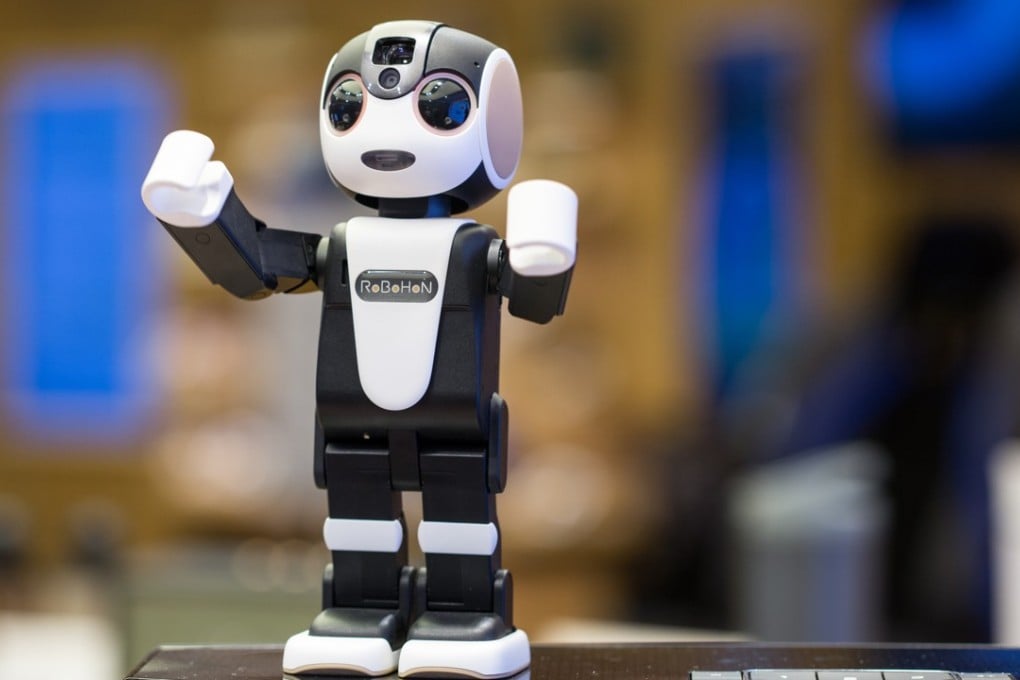
On the other hand, robots can help fill emotional voids, particularly for people who experience social isolation or struggle with communication due to physical or cognitive impairments. As robots become more adept at mimicking emotions, they might provide an essential service for some individuals who need emotional companionship. However, society must ensure that the use of robots doesn’t replace human-to-human interaction entirely.
5. Robots and Society: A Shift in Social Dynamics
The introduction of robots into intimate, personal spaces has the potential to dramatically alter societal dynamics. How we view relationships, trust, and emotional bonds could be forever changed by the increasing presence of machines in our lives. In many ways, robots could help us build a more inclusive and caring society by providing companionship to those who need it most. But they could also contribute to the fragmentation of human connections by encouraging emotional detachment.
As robots take on roles traditionally filled by humans, there is also the issue of labor. Will robots displace human workers in caregiving, teaching, or therapeutic roles? If robots can provide these services more efficiently and without the emotional burden that comes with them, will we see a reduction in human-to-human relationships in these spaces? Additionally, if robots can simulate love, trust, and affection, will these experiences eventually replace human relationships for some people? This could lead to profound societal shifts in the way we view human connection and community.
6. Ethics, Privacy, and Regulation: The Boundaries of Robot Love
As robots become more integrated into our lives, the ethical and privacy implications become more significant. Can robots truly understand human emotions, or are they just simulating feelings in a way that we find convincing? As robots become more intelligent and capable of influencing our emotions, it becomes critical to consider issues of consent, privacy, and regulation.
Robots that simulate emotional intimacy could potentially access sensitive personal data about their users. Will we be comfortable sharing our innermost feelings with a machine, knowing that it could collect and use that data for purposes beyond our control? As robots become more integrated into our emotional lives, we must also ensure that they respect our autonomy and privacy. Strict regulations will be required to safeguard against exploitation and ensure that robots serve their intended purpose without crossing ethical boundaries.
Conclusion: The Future of Love and Trust in a Robotic World
As robots continue to evolve, they will undoubtedly reshape our concepts of love, trust, and companionship. While we may never experience “true” love from a machine, we may find that our emotional bonds with robots serve a new kind of function—one that complements human relationships rather than replaces them. How we love, trust, and interact with these machines will depend on the decisions we make now about ethics, regulation, and the ways in which we allow robots into our emotional lives.
Ultimately, the way robots change love and trust may not be a matter of whether they can feel these things themselves, but whether we are comfortable granting them the power to influence our emotions. The future is uncertain, but one thing is clear: robots will continue to be a part of our lives in increasingly intimate ways, and how we navigate that integration will shape the future of human relationships.