








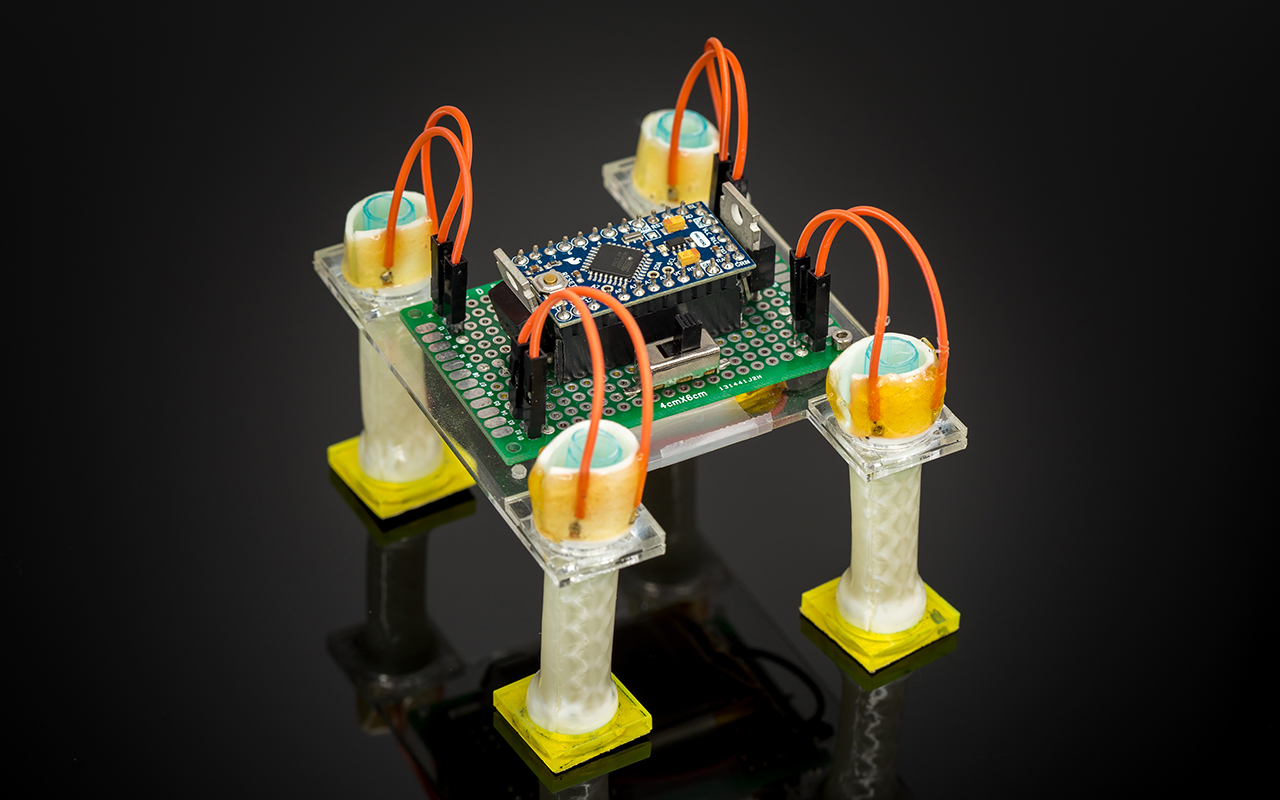

In the rapidly advancing world of robotics and automation, one of the most critical debates revolves around how best to balance flexibility and stability in robotic systems. Whether it’s a prosthetic limb, a robot arm, or even the next generation of soft robots, engineers and scientists are trying to figure out the best materials and structures to give robots both the balance they need to perform complex tasks and the flexibility to adapt to varying environments. Two key contenders in this race are soft actuators and rigid joints.
Each option has its own set of benefits and drawbacks, making the choice more nuanced than a simple “one-size-fits-all” solution. In this article, we will explore both soft actuators and rigid joints in terms of their impact on robotic performance, particularly focusing on balance and flexibility, and analyze which might be the best for different applications.
Understanding Soft Actuators
Soft actuators are flexible, compliant, and often deformable materials used in robotic systems. These actuators typically function like muscles, providing gentle yet adaptable movements. They are crafted from materials such as silicone, hydrogels, or shape-memory alloys that can stretch, bend, or compress depending on environmental conditions and control inputs.
Soft actuators offer significant advantages in areas where gentle manipulation is necessary. For instance, they excel in tasks that require a high degree of compliance, such as handling fragile objects or interacting with humans in a safe and non-invasive manner. Furthermore, because they don’t rely on rigid structures, soft actuators can offer robots greater flexibility in navigating unstructured environments.
Key Advantages of Soft Actuators
- Higher Flexibility: Soft actuators can easily deform and adapt to a variety of shapes and sizes, which is ideal for tasks that require a high degree of dexterity.
- Improved Compliance: Because they are made of soft materials, they are more compliant, which means they can adjust more smoothly when interacting with objects or humans.
- Safety: In human-robot interaction scenarios, soft actuators are less likely to cause harm, making them suitable for medical robots, prosthetics, and assistive technologies.
- Energy Efficiency: Soft actuators can often perform tasks with lower energy consumption than their rigid counterparts, especially in low-load, repetitive actions.
Disadvantages of Soft Actuators
- Limited Load-Bearing Capacity: Due to their flexibility, soft actuators are less effective when heavy loads need to be moved, and they generally struggle with tasks that require high force output.
- Control Complexity: Managing soft actuators requires sophisticated control systems that can accurately monitor and adjust their behavior, which can increase system complexity and computational demands.
- Durability Issues: Many soft actuators, especially those made of polymers or gels, may degrade faster than their rigid counterparts, limiting their long-term reliability.
Exploring Rigid Joints
Rigid joints, by contrast, are far more stiff and structured. These joints are typically made from metals or other strong materials, and they function by pivoting, rotating, or locking into place to provide precise, reliable movements. Rigid joints are often used in industrial robots, prosthetics, and many other applications where strength, precision, and repeatability are paramount.
In robots with rigid joints, the control system governs the movements of the actuators and joints, which are generally equipped with precise sensors to ensure high levels of accuracy. In many cases, rigid joints are used in high-performance robots that need to carry heavy loads or perform complex motions with a high degree of precision.
Key Advantages of Rigid Joints
- High Strength: Rigid joints excel at performing tasks that require substantial force or weight-bearing, such as lifting or moving heavy objects.
- Precision: The accuracy of rigid joints makes them ideal for tasks where exact movements are needed, like assembly lines, manufacturing, or medical surgeries.
- Reliability: Since rigid joints are made from robust materials, they are generally more durable and can withstand prolonged use without significant wear.
- Simple Control: Rigid joints are generally easier to control and operate compared to soft actuators, which require more sophisticated algorithms.

Disadvantages of Rigid Joints
- Lack of Flexibility: Unlike soft actuators, rigid joints cannot deform or adapt to the environment in the same way, making them less suitable for tasks requiring high adaptability.
- Potential for Damage: In human-robot interaction, rigid joints can be dangerous if they come into contact with a person, as they lack the compliance of soft actuators.
- Limited Maneuverability: Robots with rigid joints might have difficulty navigating tight or cluttered environments due to their rigid structure and limited ability to bend or adjust.
Which Is Better for Balance?
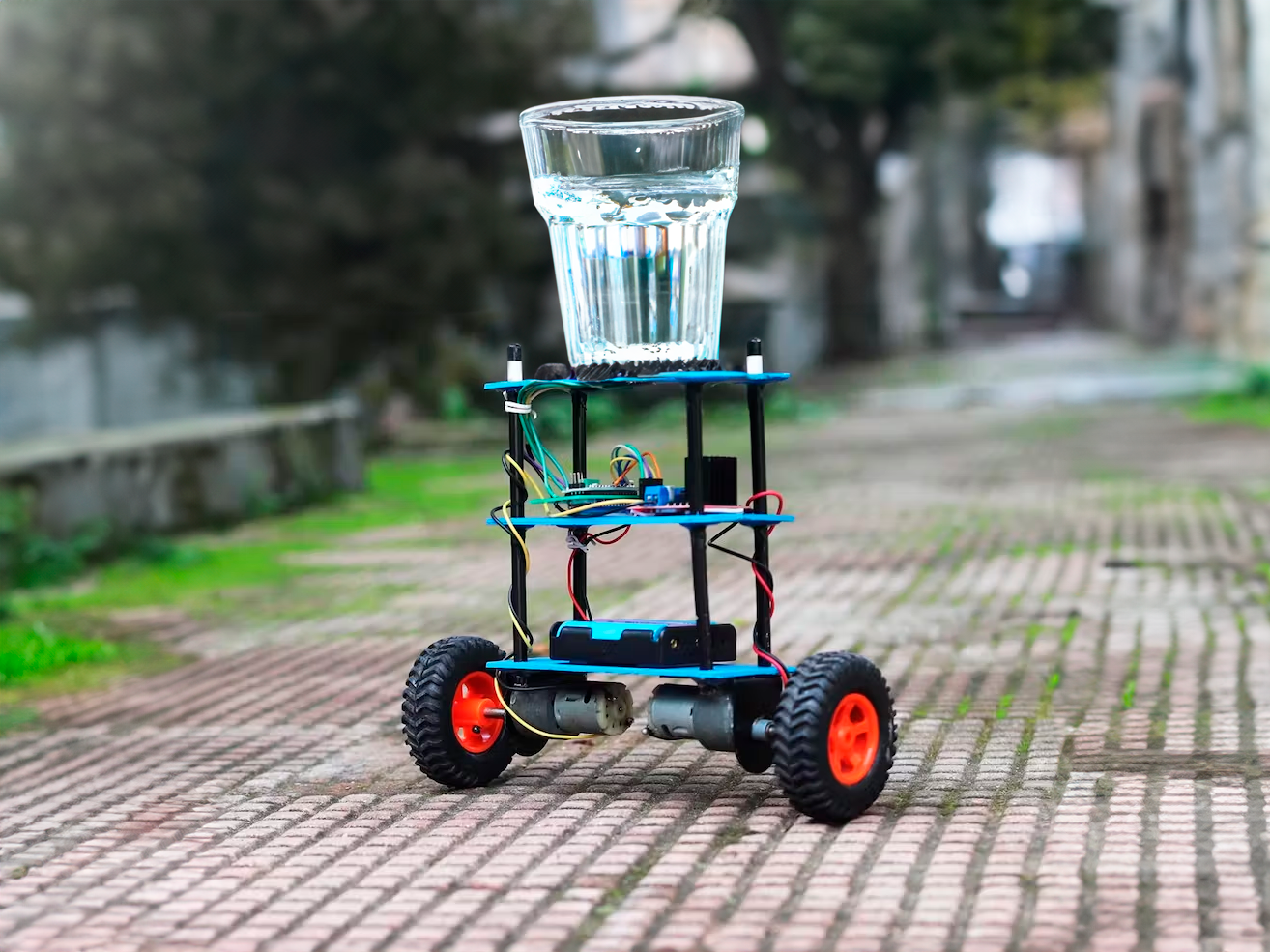
When it comes to balance, the choice between soft actuators and rigid joints depends heavily on the application at hand. Both systems have their strengths, but balance in robotics is often about striking a balance between control, strength, and adaptability.
- For Static Balance: Rigid joints tend to perform better because they provide more predictable, stable movements. Industrial robots, for instance, need precise, repeatable motions to achieve balance when performing tasks like lifting, assembling, or carrying objects. Their rigidity allows them to maintain an upright stance and avoid falling over under heavy loads.
- For Dynamic Balance: Soft actuators are often better suited for dynamic balance, where the system needs to adjust in real-time to forces in the environment. In the case of robots that need to walk, run, or interact with a changing world, soft actuators can give them the compliance they need to shift weight, absorb shock, and adapt to unpredicted movements, as seen in the case of soft robots and robotic exoskeletons.
Which Is Better for Flexibility?
Flexibility is where soft actuators truly shine. Thanks to their ability to bend, twist, stretch, and change shape, soft actuators offer robots tremendous adaptability. Whether it’s navigating rough terrain or manipulating delicate objects, soft actuators can provide the precise, nuanced movements that rigid joints cannot.
On the other hand, rigid joints are limited in their flexibility, generally capable of providing fixed ranges of motion and requiring multiple joints to perform more complex movements. However, advancements in robotic design have allowed some robots to integrate soft actuators into hybrid systems, allowing the robot to take advantage of both rigid stability and soft flexibility.
Combining Soft Actuators and Rigid Joints: A Hybrid Approach
The future of robotics may lie in the hybridization of both soft actuators and rigid joints. This approach combines the strength and precision of rigid joints with the flexibility and adaptability of soft actuators. By integrating the two, robots can enjoy the best of both worlds—rigidity for heavy tasks and precision, and softness for dexterity and flexibility.
Examples of Hybrid Systems:
- Robotic arms that use soft actuators at the gripper to gently handle objects but rely on rigid joints for stable movement and control.
- Exoskeletons that use rigid joints for support and soft actuators to provide a natural, comfortable range of motion.
The synergy between these two technologies is still being explored, but the future of robotics will likely see more robots that can intelligently shift between rigid and soft modes depending on the task at hand.
Conclusion: Choosing the Best System
The decision between soft actuators and rigid joints depends on the specific task or application in question. Soft actuators are superior for tasks requiring flexibility, compliance, and gentle manipulation, while rigid joints are necessary when precision, strength, and repeatability are crucial. However, the future of robotics may lie in combining the strengths of both systems, resulting in robots that are more adaptable and capable than ever before.