









The world of perception technologies is evolving rapidly, and in the context of autonomous systems, robots, and AI, the way machines perceive their environment is a topic of intense debate. The two primary contenders in this field are vision-only systems and multi-sensor fusion. Both approaches offer distinct advantages and face their own sets of challenges. So, which one wins when it comes to the accuracy, reliability, and versatility of machine perception?
In this article, we will explore the strengths and weaknesses of each, dive into their real-world applications, and discuss the future of perception systems in the age of AI and automation.
1. The Foundation of Perception
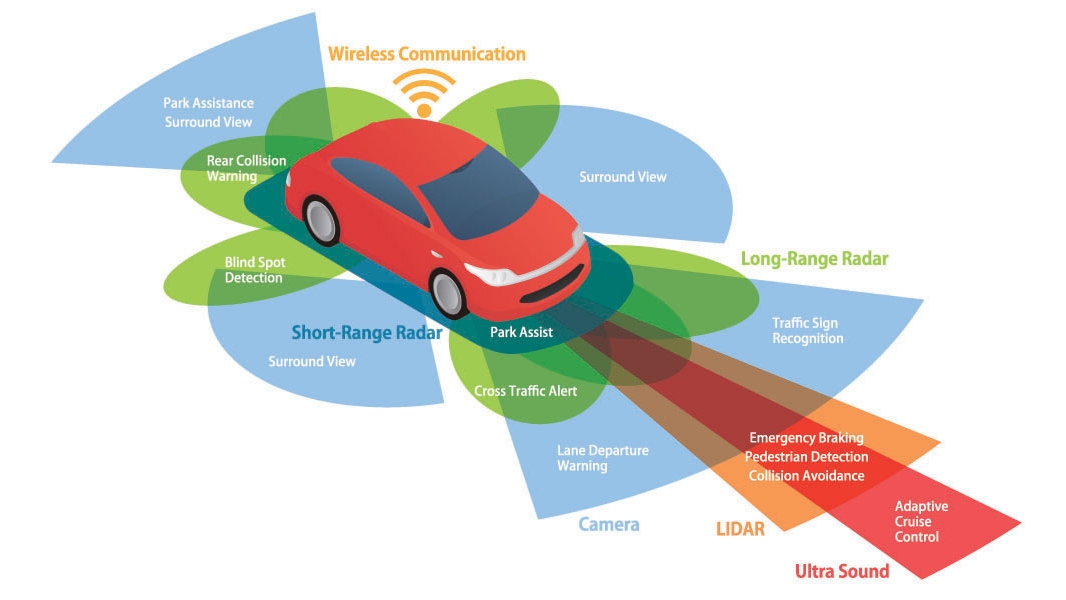
Perception is the process through which machines interpret the world around them. It’s how a robot or autonomous vehicle knows where to go, what obstacles to avoid, and how to interact with its surroundings. Traditional vision systems rely solely on visual data from cameras or other optical sensors, whereas multi-sensor fusion combines multiple types of sensory data—such as vision, lidar, radar, and ultrasonic sensors—into one unified understanding.
Vision-Only Perception
At its core, vision-only perception uses cameras and computer vision algorithms to detect and understand objects in the environment. Cameras offer high-resolution images, allowing machines to “see” just like humans. Computer vision algorithms then analyze these images, detecting patterns, shapes, colors, and movements. This process is heavily reliant on image recognition, depth perception, and object classification.
Multi-Sensor Fusion Perception
On the other hand, multi-sensor fusion takes advantage of various sensors working together to provide a more comprehensive view of the world. Cameras might still be used, but they are complemented by radar, lidar, and other sensors, each contributing unique data that helps to create a more complete picture of the environment. Lidar, for example, provides detailed 3D maps of surroundings, while radar can detect objects in low visibility conditions.
2. Pros and Cons: Vision-Only vs Multi-Sensor Fusion
Vision-Only Perception
Pros:
- Cost-effective: Cameras are relatively inexpensive compared to other sensors like lidar or radar.
- High-Resolution Detail: Modern cameras offer high-resolution images, which can help detect fine details, like small objects or textures.
- Versatility: Cameras can be used in a variety of conditions and in both indoor and outdoor environments.
Cons:
- Vulnerability to Poor Lighting: Vision systems struggle in low-light environments, such as at night or in foggy conditions.
- Limited Depth Perception: While cameras can estimate distance using algorithms, the results are often less accurate compared to lidar or radar.
- Computationally Intensive: Image processing, especially in real-time, requires significant computational power and can be slow on resource-constrained devices.

Multi-Sensor Fusion
Pros:
- Improved Robustness: By using multiple sensors, multi-sensor fusion systems are much more robust to environmental challenges. For example, radar can detect objects in low visibility, while lidar provides 3D mapping regardless of lighting conditions.
- Accurate Distance Estimation: Lidar, in particular, excels at providing precise depth information, making it easier to detect obstacles or measure distances.
- Redundancy: In case one sensor fails or provides unreliable data, the other sensors can compensate, ensuring more reliable perception.
Cons:
- Cost and Complexity: Multi-sensor fusion requires the integration of several types of sensors, each of which adds cost, complexity, and weight. Lidar systems, for example, are still expensive.
- Data Processing Challenges: Merging data from various sensors in real-time can be computationally intensive and requires sophisticated algorithms. This can sometimes result in slower system responses or higher power consumption.
- Sensor Calibration: Sensors must be carefully calibrated and synchronized to work together effectively, and any misalignment can lead to poor performance.
3. Real-World Applications: Where Each System Shines
To better understand the real-world applications of these two perception systems, let’s look at a few use cases where one might outperform the other.
Autonomous Vehicles
One of the most high-profile applications of machine perception is autonomous vehicles. Here, both vision-only and multi-sensor fusion approaches are heavily used.
Vision-Only:
Some companies, like Tesla, have made significant strides with vision-only perception systems, relying on cameras and machine learning to recognize traffic signs, pedestrians, other vehicles, and road conditions. Tesla’s approach, often referred to as “computer vision-based” autonomy, focuses on the ability of cameras to process high-quality visual data. By leveraging neural networks and deep learning, these systems can recognize complex patterns and make decisions based on the input from multiple cameras positioned around the vehicle.
However, vision-only systems often struggle in adverse weather conditions (rain, fog, snow) or low-light environments, making it more difficult for the vehicle to accurately perceive its surroundings.
Multi-Sensor Fusion:
Most autonomous vehicle manufacturers, including Waymo, Cruise, and others, prefer multi-sensor fusion. These systems combine lidar, radar, and cameras to create a comprehensive view of the environment. Lidar provides accurate 3D maps, while radar can detect objects in low visibility, and cameras provide fine detail. The combination of these sensors ensures that the vehicle can operate in almost any environmental condition, from bright sunlight to heavy rain or fog.
In this application, multi-sensor fusion offers a higher level of safety and reliability, as the data from different sensors complement each other, covering the weaknesses of each individual sensor.
Robotics
In robotics, perception is crucial for tasks like navigation, object manipulation, and human-robot interaction.
Vision-Only:
In simpler robotic applications, vision-only systems can be sufficient. For example, robots used in manufacturing or warehouse automation often rely on cameras to pick and place objects, inspect products, and navigate the environment. These robots rely heavily on image recognition algorithms and are often designed to work in controlled environments with adequate lighting and predictable conditions.
Multi-Sensor Fusion:
In more complex or dynamic environments, multi-sensor fusion is essential. Robots in outdoor settings, such as drones or autonomous construction equipment, often rely on a combination of sensors. Drones equipped with cameras, lidar, and GPS can fly through complex environments, creating detailed maps, detecting obstacles, and avoiding collisions. This synergy of sensors allows robots to adapt to the environment more effectively.
4. The Future of Perception: Moving Beyond Vision and Sensors
While vision-only systems and multi-sensor fusion are the current frontrunners, the future of perception systems might look different. There are several exciting developments on the horizon that could push the boundaries of machine perception even further.
Neuromorphic Engineering
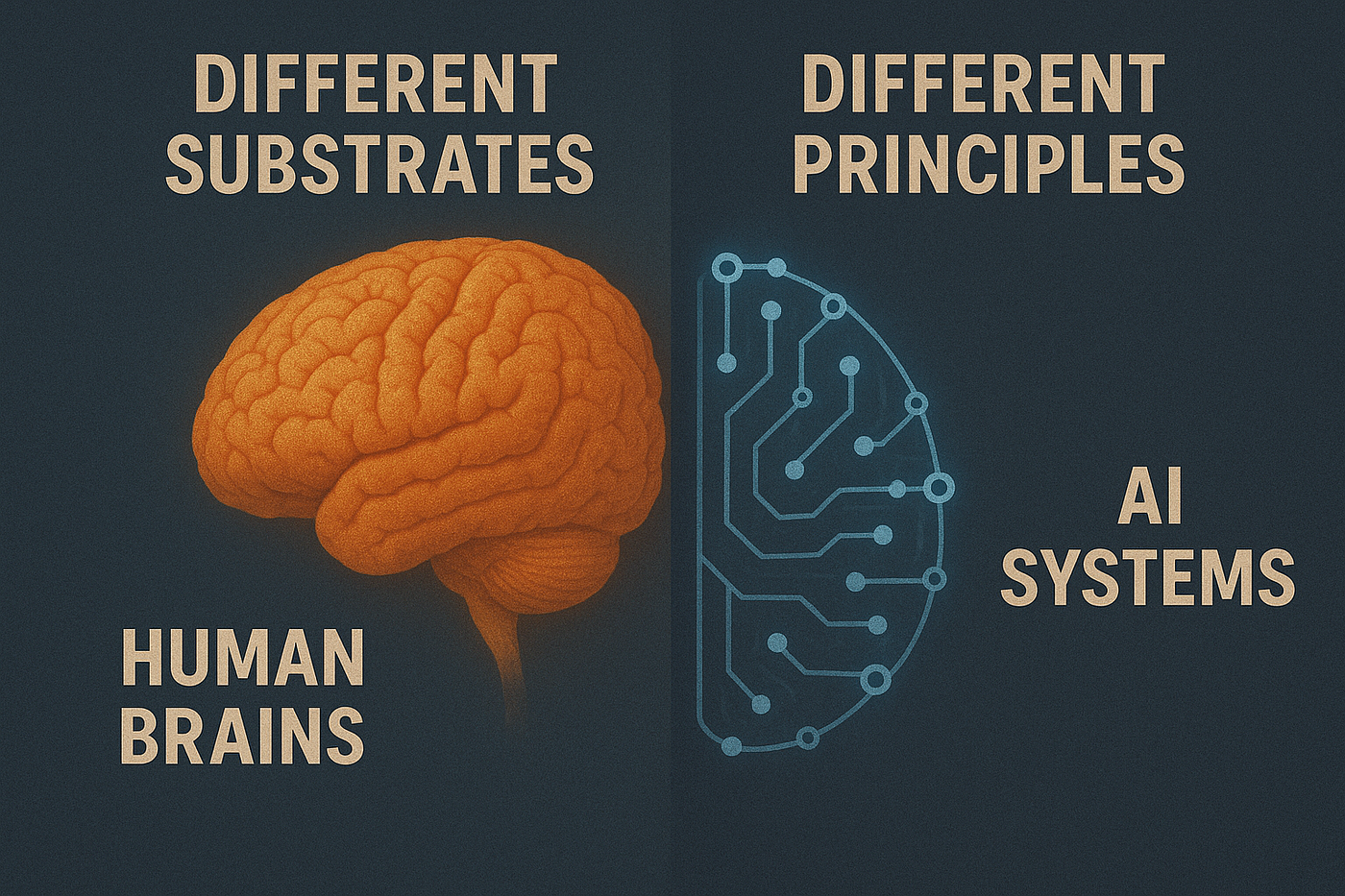
Neuromorphic engineering aims to create artificial systems that mimic the structure and function of the human brain. By developing hardware and algorithms inspired by biological neural networks, future perception systems could potentially operate with much greater efficiency and accuracy than current systems. Neuromorphic processors could handle vast amounts of sensory data in real-time, while also learning from and adapting to new environments.
Quantum Sensing
As quantum technologies advance, quantum sensing could play a significant role in perception systems. Quantum sensors have the potential to provide extremely high precision in detecting changes in the environment, whether it’s measuring distances, detecting magnetic fields, or sensing temperatures. These advances could enable new levels of perception in applications like navigation and autonomous systems.
Advanced AI and Machine Learning
Finally, artificial intelligence (AI) and machine learning will continue to drive advances in perception. AI systems that can fuse multi-sensory data and interpret complex environments more intuitively will be key to enabling machines to “see” in more human-like ways. Machine learning models trained on large datasets could improve object recognition, motion detection, and even predict future events based on current sensory inputs.
5. Conclusion: The Winner Is…
So, which perception approach wins: vision-only or multi-sensor fusion?
The answer? It depends.
For some applications, such as simple indoor robotics or well-lit environments, vision-only systems can be cost-effective and efficient. However, for applications that require high robustness, safety, and versatility—like autonomous vehicles, drones, and advanced robotics—multi-sensor fusion offers a far more reliable solution. Combining sensors like lidar, radar, and cameras provides a more complete and accurate representation of the environment, making it easier to navigate complex, unpredictable real-world conditions.
The future will likely see even greater integration of these systems, with AI and machine learning driving further improvements in both vision and multi-sensor fusion technologies. In the end, a hybrid approach that leverages the strengths of each might be the true winner, offering a dynamic, adaptive, and robust perception system that can handle whatever challenges the future throws its way.