









As artificial intelligence (AI) and robotics continue to evolve at an unprecedented pace, society faces a dilemma: how can we foster innovation while ensuring the safety and ethical integrity of these technologies? The question is particularly pertinent as governments around the world begin to implement AI safety laws aimed at regulating the development and deployment of advanced robotic systems. While the intention behind such regulations is to safeguard human interests, there is growing concern that these laws may stifle innovation and slow down the progress of robotic technologies. In this article, we will explore the complexities of AI safety laws and their potential impact on the future of robotics innovation.
The Emergence of AI Safety Laws
The rapid growth of AI has brought both immense opportunities and significant risks. From autonomous vehicles to healthcare robots, AI-powered machines are increasingly becoming a part of everyday life. However, as with any transformative technology, there are concerns about the potential unintended consequences of AI systems, including safety hazards, ethical dilemmas, and societal disruption.
To address these concerns, governments and regulatory bodies worldwide have begun to introduce AI safety laws and guidelines aimed at ensuring that these technologies are developed and used responsibly. The European Union, for example, has proposed the Artificial Intelligence Act, which classifies AI systems into different risk categories and imposes varying levels of regulatory oversight depending on the level of risk. Similarly, countries like the United States, China, and Japan are also working on frameworks to regulate AI technologies.
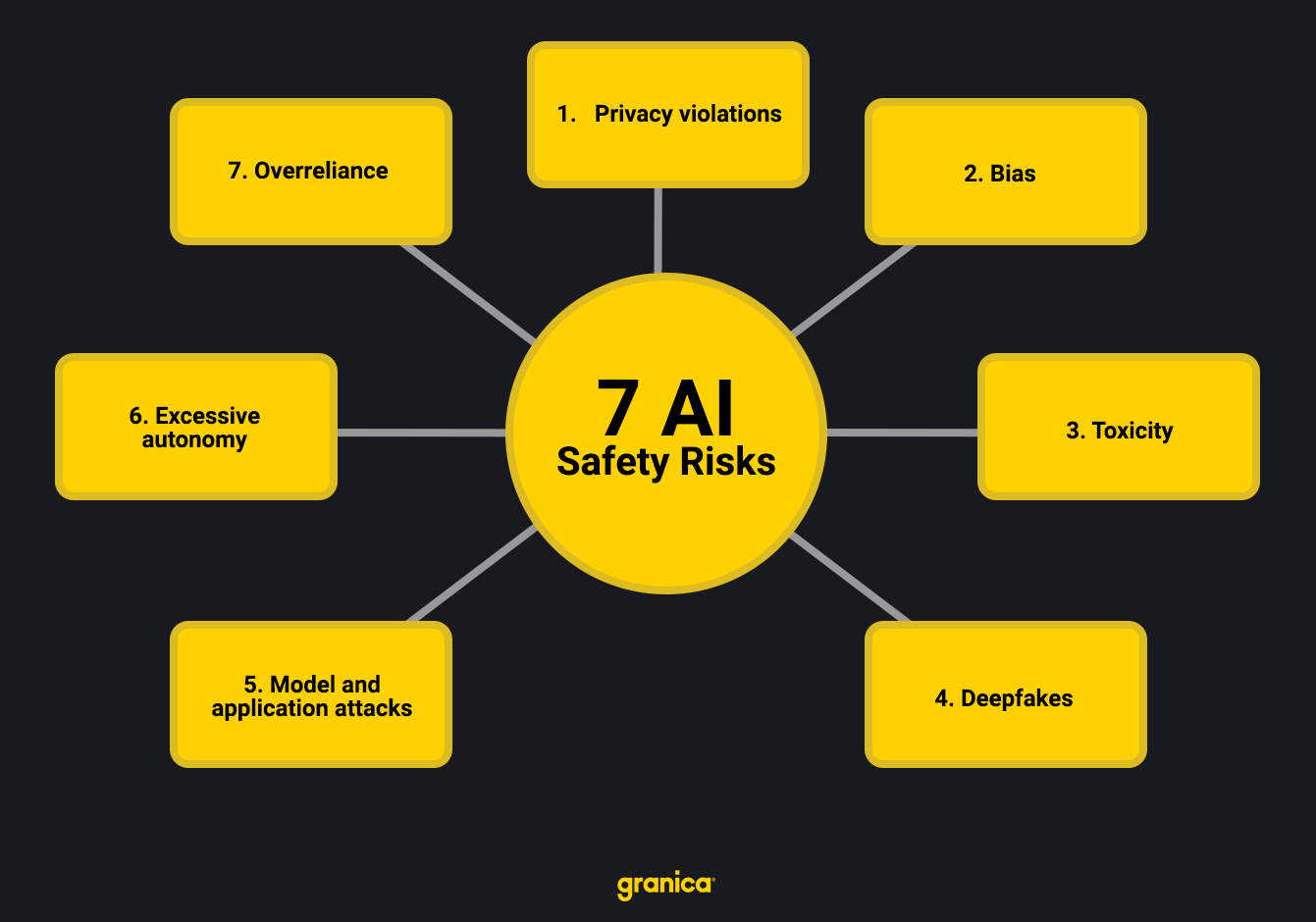
These laws typically cover areas such as data privacy, algorithmic transparency, and human oversight. They are designed to prevent AI systems from causing harm, whether by making biased decisions, malfunctioning in critical situations, or operating in ways that violate human rights. While these regulations are essential for ensuring the safety and ethical use of AI, they raise important questions about the future of robotics innovation.
The Tension Between Safety and Innovation
At the heart of the debate about AI safety laws is a fundamental tension between the need for regulation and the desire for rapid technological progress. Innovators in the field of robotics argue that overly strict regulations could impede the development of new technologies, delay product launches, and ultimately hinder progress in the field.
- Slower Time to Market
One of the primary concerns is that AI safety laws could increase the time it takes for new robots and AI systems to reach the market. The development of AI technologies is already a complex and time-consuming process, involving extensive research, testing, and iteration. Adding layers of regulatory approval could slow down this process, especially if regulators require detailed safety assessments and compliance checks at each stage of development. For example, autonomous vehicles, which rely heavily on AI and robotics, are already subject to rigorous testing and approval processes. If additional safety laws were introduced, it could delay the rollout of these vehicles and potentially prevent certain innovations from reaching consumers. This is particularly concerning in industries like transportation, healthcare, and manufacturing, where AI-powered robots could offer significant improvements in efficiency, safety, and cost-effectiveness. - Limited Flexibility for Innovation
Innovation in robotics often thrives on experimentation and iteration. Developers of new technologies need the freedom to test new ideas, explore novel approaches, and push the boundaries of what is possible. However, strict regulations could limit this flexibility by imposing rigid rules and standards that stifle creative thinking and experimentation. For instance, a regulatory framework that requires extensive safety testing for every new robot design could discourage smaller startups and entrepreneurs from entering the market. Large companies with the resources to navigate complex regulatory processes might be at an advantage, potentially leading to a concentration of innovation in a few large firms rather than a diverse, competitive market. This could reduce the variety of solutions and technologies available and slow down the pace of discovery. - Overregulation and Bureaucracy
Another concern is the risk of overregulation. The more layers of regulation there are, the more likely it is that innovation will be bogged down in bureaucracy. If AI safety laws become too complex or overly burdensome, developers may find themselves spending more time and resources on compliance than on actual innovation. For example, small and medium-sized enterprises (SMEs) may not have the legal and technical expertise needed to navigate complex AI regulations. As a result, they may be forced to abandon projects or delay their progress, giving larger, more established companies a competitive edge. This could lead to less diversity in the types of robots and AI systems developed, ultimately limiting the range of technological solutions available to society. - International Discrepancies in Regulation
Another challenge that arises with AI safety laws is the variation in regulatory approaches across different countries. While the European Union has introduced the AI Act, other regions, such as the United States and China, are pursuing their own regulatory frameworks. These discrepancies can create confusion and complications for companies operating internationally, as they must comply with different sets of rules in each market. The lack of uniformity in AI regulations could lead to a “race to the bottom,” where companies relocate to jurisdictions with less stringent laws, potentially undermining safety standards. Alternatively, some regions may overregulate, creating barriers to entry for foreign companies and stifling cross-border collaboration. This lack of global coordination could result in fragmented markets and delayed innovation.

The Case for AI Safety Laws
Despite the potential drawbacks, there are several compelling reasons to support the introduction of AI safety laws. While the fear of stifling innovation is valid, regulation is also necessary to protect individuals, society, and the environment from the risks associated with AI and robotics.
- Preventing Harm and Protecting Public Safety
AI-powered robots have the potential to make life easier and more efficient, but they also pose significant risks if they malfunction or are misused. Autonomous robots in fields such as healthcare, defense, and transportation must be held to high safety standards to ensure that they do not cause harm to people or property. For example, AI-driven healthcare robots that administer medication or perform surgeries must be carefully regulated to prevent mistakes that could endanger patients’ lives. Similarly, autonomous vehicles must be tested extensively to ensure that they can navigate safely in complex traffic environments. AI safety laws can help ensure that robots are designed and tested to meet rigorous safety standards, reducing the likelihood of accidents and harmful outcomes. - Addressing Ethical and Moral Concerns
As AI and robotics become more integrated into society, ethical and moral concerns are becoming increasingly important. AI systems have the potential to make decisions that affect people’s lives, such as determining eligibility for loans, job opportunities, or insurance coverage. Without proper oversight, there is a risk that these systems could perpetuate biases, discrimination, or unfair practices. AI safety laws can help ensure that robots and AI systems are designed to be transparent, accountable, and free from bias. By enforcing ethical standards and ensuring that AI technologies are used responsibly, safety laws can help mitigate the risks of AI-driven inequality and discrimination. This is particularly important in sectors like hiring, law enforcement, and finance, where AI systems are increasingly being used to make decisions that impact individuals’ lives. - Promoting Public Trust in AI
Public trust is essential for the widespread adoption of AI technologies. If people do not feel confident that robots and AI systems are safe, ethical, and transparent, they may resist their use or reject them altogether. AI safety laws can help build public trust by providing clear guidelines for the responsible development and deployment of AI technologies. By ensuring that robots are tested and certified for safety, and that they are designed to operate in ways that are aligned with societal values, regulatory frameworks can help reassure the public that AI is being developed with their best interests in mind. Trust is a critical factor in the success of AI technologies, and safety laws can help foster that trust. - Balancing Innovation and Regulation
The challenge of AI safety laws is to strike a balance between encouraging innovation and ensuring safety. Overly stringent regulations could stifle creativity, but a lack of regulation could result in dangerous and unethical practices. The key is to develop regulatory frameworks that are flexible, adaptive, and tailored to the specific risks of different AI systems. For instance, rather than imposing one-size-fits-all regulations, governments could adopt a risk-based approach, where the level of regulation depends on the potential risks of the AI system. High-risk applications, such as autonomous vehicles or medical robots, could be subject to more stringent oversight, while low-risk applications, like chatbots or virtual assistants, could be subject to lighter regulation. This approach would allow for innovation in lower-risk areas while ensuring that high-risk applications are carefully scrutinized.
Conclusion
AI safety laws are essential for ensuring that robotics and AI technologies are developed and used responsibly, ethically, and safely. However, it is also clear that these laws could present challenges to innovation. Striking the right balance between regulation and innovation is crucial for ensuring that we can harness the full potential of robotics while minimizing risks to society.
Rather than delaying innovation, well-crafted AI safety laws can actually enhance public trust, promote ethical development, and create a safer environment for the widespread adoption of AI technologies. The key lies in creating flexible, adaptive frameworks that encourage experimentation and progress while ensuring that robots and AI systems meet the highest standards of safety and responsibility.
As we move forward into the era of advanced robotics, it is essential that we continue to refine our regulatory approaches to AI. By doing so, we can ensure that robotics innovations not only enhance our lives but do so in a way that is safe, ethical, and aligned with our values.