








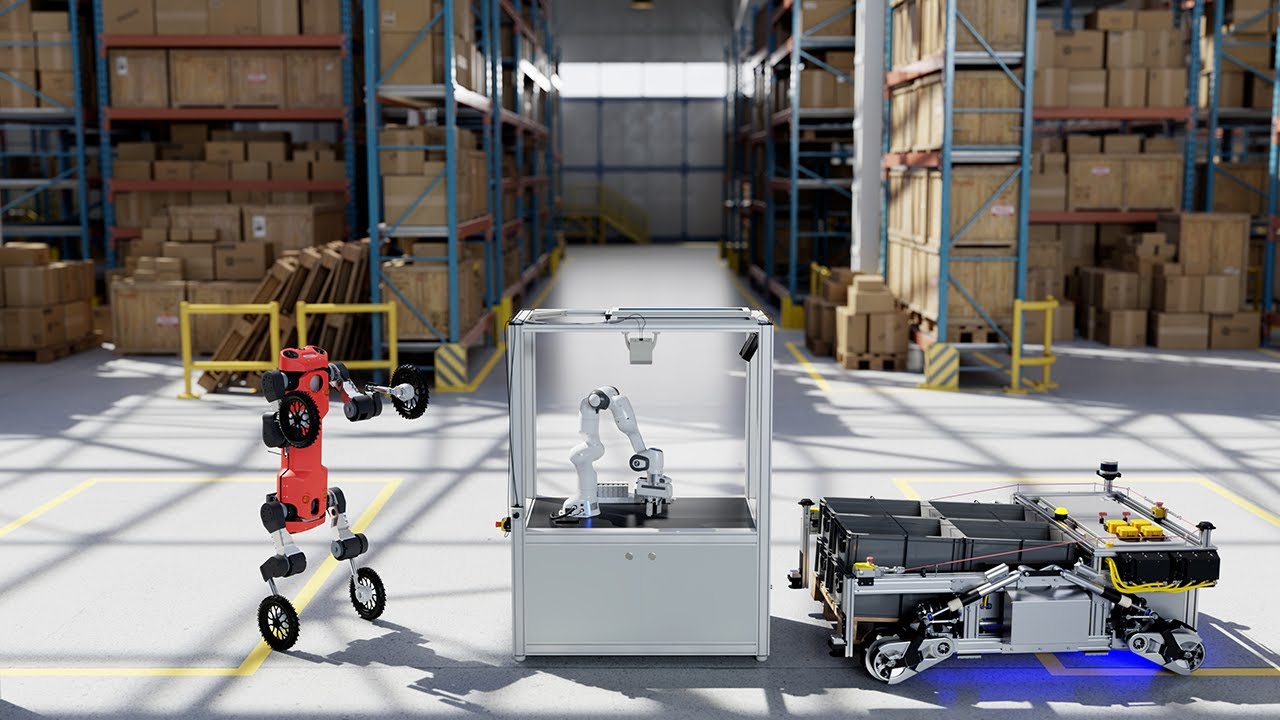

In the vibrant world of robotics, engineers, researchers, and hobbyists alike grapple with a foundational question: Is building with robot SDKs the same as working with real hardware? On the surface, it may seem like a straightforward comparison — one is software, the other physical machinery. But dive deeper, and you’ll discover nuances, trade‑offs, and surprising insights that reveal why this dichotomy is central to how modern robotics innovation happens.
In this long‑form article, we’ll unpack the similarities, differences, strengths, and limitations of robot Software Development Kits (SDKs) versus real‑world, hardware‑involved development. We’ll explore key themes such as simulation fidelity, software portability, hardware constraints, iterative design practices, and the ways each approach impacts product timelines, costs, and even safety. By the end, you should have a holistic picture of how SDKs relate — and don’t relate — to the real hardware they often represent.
What Is a Robot SDK?
A robot SDK (Software Development Kit) is a bundle of software tools — libraries, APIs, sample code, documentation, and sometimes visual development environments — designed to help developers program robotic systems without reinventing the wheel. These kits can range from vendor‑specific control SDKs (like those provided by robot manufacturers for their own arms or platforms) to platform‑agnostic ecosystems that let you simulate, plan, and test code before ever touching a physical robot.
In many cases, SDKs will provide:
- Abstractions for robot sensors and actuators
- Communication frameworks for distributed systems
- Offline programming environments and simulation tools
- APIs and drivers that simplify hardware access
- Pre‑built algorithms for perception, motion control, and planning
The key promise of an SDK is accessibility: it radically lowers the barrier to entry for programming robots.
What Do We Mean by “Real Hardware”?
Real hardware means the physical robot you can touch — the motors, joint actuators, sensors, power electronics, and all the mechanical and electrical components that make a robot move and interact with the physical world. Working with real hardware requires grappling with:
- Power constraints and thermal limits
- Sensor noise and calibration issues
- Electrical and mechanical wear and tear
- Safety boundaries when runtime failures occur
In contrast to software abstractions, real hardware reveals the embodied nature of robotics — that is, the inseparable connection between software and physical reality.
Simulation and SDKs: A Huge Part of Modern Robotics
While SDKs are software tools, many modern robotics SDKs come with integrated simulation environments that emulate real robotic systems. These environments use physics engines to model motion, dynamics, and interactions with the environment. Examples include tools integrated into SDKs or standalone environments like Gazebo, RoboDK, and NVIDIA’s Isaac Sim.
Why Does Simulation Matter?
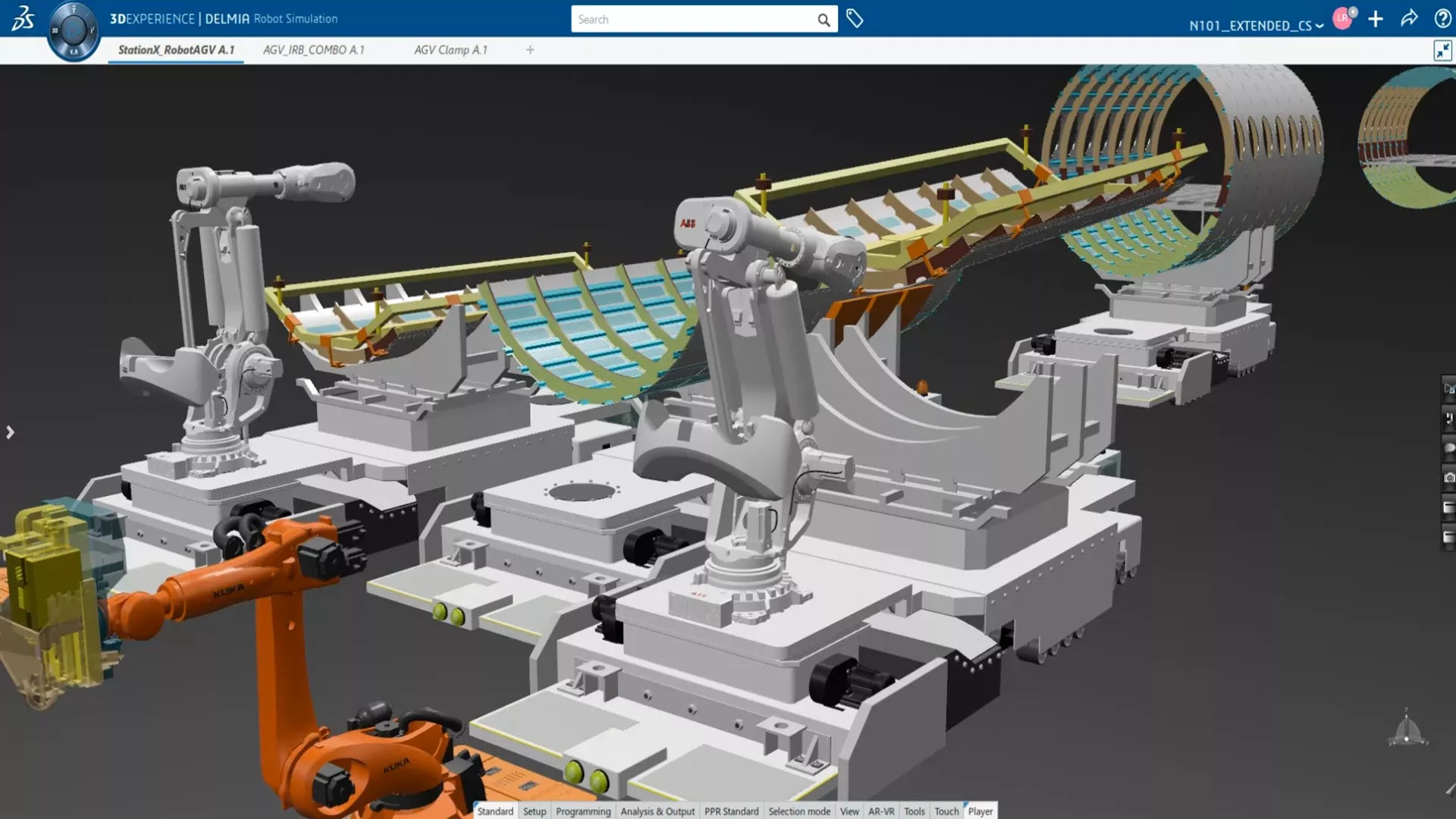
Simulation plays a massive role in contemporary robotics development because it provides:
- Rapid testing cycles: Run hundreds of experiments in parallel without breaking expensive hardware.
- Cost reduction: Avoid damage expenses and reduce prototypes before physical deployment.
- Design fidelity: Test designs, behaviors, and algorithms in controlled virtual settings.
- Safety: Avoid dangerous interactions, especially in reinforcement learning or collision planning.
Simulators are often packaged within SDK workflows, so you can code once, validate in simulation, and then deploy to hardware — at least in principle. But that last step — deploy to hardware — is where the story gets complicated.
“Sim‑to‑Real”: Why the Gap Matters
One of the most critical challenges in robotics is the so‑called “sim‑to‑real gap” — the differences between how a robot behaves in simulation versus how it behaves in the real world. Academic work and industry practice often focus on bridging this gap.
In principle, the physics engines in simulators try to emulate forces, friction, sensor latency, dynamics, and control through mathematical models. In practice, there are limitations:
- Simulators can’t perfectly model every nuance of sensors or actuators.
- Real robots experience jitter, noise, and friction that are hard to simulate perfectly.
- The real world includes unpredictable edge cases that a physics model can’t anticipate.
These discrepancies may mean that code that works beautifully in simulation must be tuned, debugged, or rewritten for hardware. This is where SDK‑only development diverges from hardware development.
SDK‑Driven Development: What You Can — and Can’t — Do
On the plus side, SDK‑driven development lets you:
- Start coding before hardware exists: You can simulate entire robot behaviors without waiting for physical hardware delivery.
- Accelerate prototyping: Iterations can be done quickly, safely, and without risk of damaging machines.
- Validate algorithms and workflows: Test perception pipelines, navigation, or motion planning repeatedly.
- Leverage community knowledge: When you use popular SDKs like ROS, you tap into robust documentation and broad toolchains.
But SDK‑centric development also has limitations:
- Hardware realities can break assumptions: Physical damping, vibration, thermal effects, and electrical constraints may expose deficits not visible in simulation.
- Drivers and middleware may vary: You may need custom drivers for specific sensors or actuators.
- Real‑time issues matter: SDKs often run on general‑purpose OS environments, but real hardware may demand real‑time performance.
- Safety and compliance: Systems interacting with humans need safety checks that simulators rarely enforce.
So no — building with SDKs isn’t the same as working directly with hardware, even if it feels like it during early development. Rather, SDKs are powerful tooling that augment and streamline parts of the robotics development lifecycle.
Hardware‑in‑the‑Loop: A Middle Ground
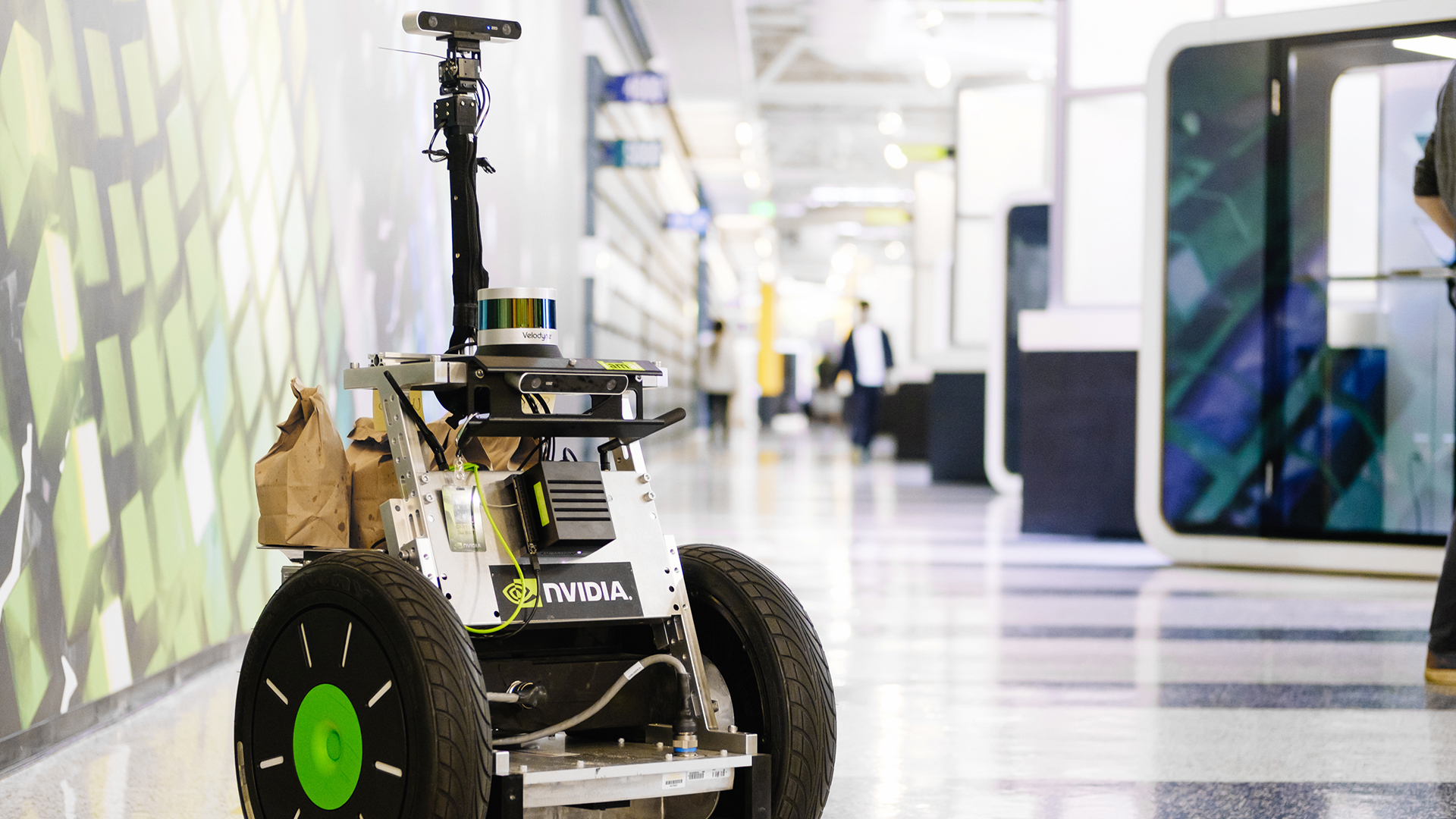
One widely used approach that blends SDKs and real hardware is Hardware‑in‑the‑Loop (HIL) testing. It sits between pure simulation and full hardware deployment. In HIL setups, parts of the system (like control code) run in software while other parts (like actuators or sensors) are real hardware in real time.
Benefits of HIL include:
- Close approximation of real control loops
- Ability to test sensor feedback with live code
- Reduced risk compared to full hardware deployment
HIL highlights a fundamental truth: you don’t always go from simulation straight to hardware. There are intermediary workflows bridging the two.
The Developer Experience: SDK vs. Real Hardware
From a developer’s perspective, working solely within SDKs feels like typical software programming — but with robotics flavor:
- You call APIs
- You manage data streams
- You run iterative tests
- You debug in IDEs
When interacting with real hardware, developers suddenly need to think about:
- Power management
- Clock drift
- Ethernet and fieldbus protocols
- Firmware and low‑level command loops
This dual mindset — software developer meets mechatronics engineer — is part of what makes robotics both exciting and demanding.
Industry Implications
In industrial robotics (e.g., manufacturing), simulation and SDK tooling are widely used to pre‑program robots before installation on assembly lines. Software like RoboDK allows offline programming where an entire robot program is built and verified in simulation, then transferred to real robots without interrupting production lines.
However, companies still invest heavily in robot tuning, calibration, and real‑world validation precisely because the physical world introduces complexities that simulators can’t reliably capture.
Collaboration Between SDKs and Hardware
Rather than viewing SDKs and hardware as mutually exclusive, the most productive robotics workflows treat SDKs as a design and validation layer that coexists with real hardware testing. A typical pipeline might look like:
- Model and simulate initial design using SDK tools
- Iterate on algorithms and test extensively in virtual environments
- Use HIL or partial real hardware to refine real‑world behavior
- Deploy to physical robotics platforms
- Fine‑tune based on live testing and feedback
This progression acknowledges that robotics development is inherently heterogeneous — a blend of digital and physical processes that reinforce each other. Simulation helps reduce risk, SDKs help speed up development, and real hardware ensures real‑world success.
Conclusion: Not the Same — But Complementary
So is building with robot SDKs the same as working with real hardware? The short answer is no. They are related, intertwined parts of the robotics development ecosystem, but they serve different purposes.
SDKs empower developers to prototype, simulate, and validate code early and cheaply. They accelerate innovation and lower risk. But real hardware exposes physical constraints, safety considerations, and unpredictable behavior that simulators can’t fully model. It’s the interplay between virtual and physical that makes robotics development both challenging and rewarding.
Smart roboticists know how to leverage both SDKs and real hardware — using simulation where possible and hardware testing where necessary — to build reliable, robust robotic systems that perform in the real world.