









Introduction: When Machines Enter Our Emotional Lives
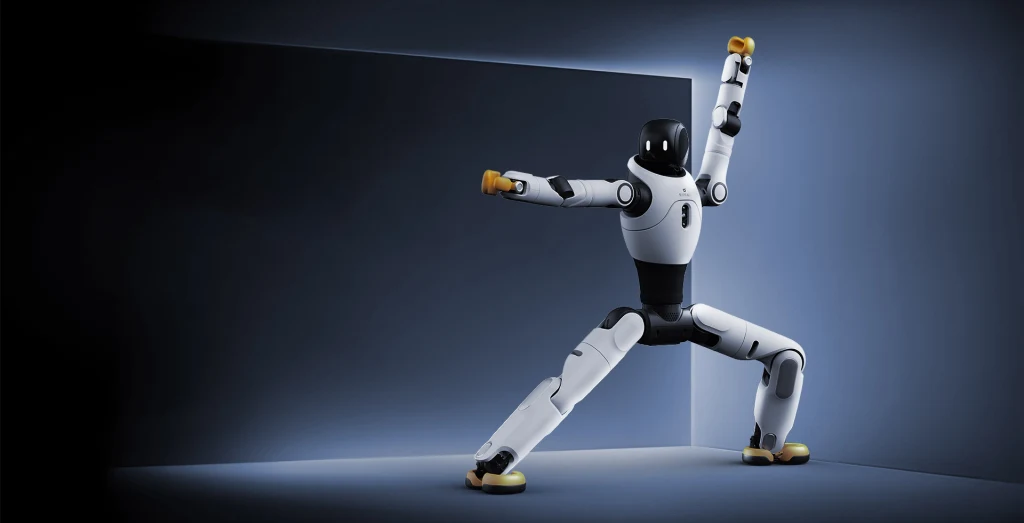
Humanoid robots are no longer just tools; increasingly, they are companions. Advances in artificial intelligence, natural language processing, and expressive robotics allow machines to simulate conversation, recognize emotions, and respond in ways that appear empathetic. From robotic pets in homes to humanoid companions in eldercare facilities, humans are forming emotional bonds with entities that are, in essence, machines designed to mimic life.
The rise of artificial companions raises profound ethical questions: Can a machine be a friend? Is it morally permissible to rely on a robot for emotional support? What psychological consequences arise from these relationships, and how should society regulate or guide them?
The answers are far from straightforward. Unlike industrial robots or logistics drones, humanoid companions engage with humans at the level of emotion and social cognition. This places them squarely within the domain of ethics, psychology, and human development.
The Allure of Human-Like Interaction
Humans have a natural tendency to seek social connection. Loneliness, aging, and social isolation create vulnerabilities that humanoid robots can, at least superficially, address. Robots like Pepper and Sophia demonstrate the ability to recognize faces, respond to verbal cues, and simulate affective behavior. These abilities create the impression of genuine understanding.
Several factors make humanoid companions appealing:
- Predictability: Robots do not judge, reject, or behave unpredictably. For some individuals, this offers a sense of comfort and control absent in human relationships.
- Accessibility: Robots are available at all times, unlike human friends or caregivers.
- Customization: Users can adjust robots’ personalities, voices, and behaviors to match personal preferences.
While these features make artificial companions effective at providing perceived emotional support, they also introduce ethical concerns about illusion versus reality.
The Ethics of Emotional Simulation
A central ethical dilemma is that humanoid robots simulate, rather than experience, emotion. When a robot expresses concern, joy, or sadness, it does so according to algorithms and sensors, not consciousness. Humans, however, tend to anthropomorphize these behaviors.
This raises several questions:
- Deception: Is it ethical to design machines that elicit genuine emotional responses from humans without possessing real feelings?
- Dependency: Could overreliance on artificial companionship reduce human-to-human interaction, leading to social isolation rather than alleviating it?
- Consent: Are vulnerable populations, such as children or the elderly, capable of understanding the artificial nature of their interactions?
Philosopher Shannon Vallor argues that ethical AI must respect human dignity, which includes acknowledging the limitations of artificial entities. By blurring the line between real and simulated emotion, humanoid companions challenge traditional notions of trust, intimacy, and moral responsibility.
Robotic Companionship in Elder Care
Elder care is one of the fastest-growing applications of humanoid companions. With aging populations and shortages of human caregivers, robots can provide assistance, monitor health, and even offer social interaction. Examples include robotic pets, humanoid assistants, and AI-driven chatbots.
Benefits
- Reduced loneliness: Elderly individuals report feeling comforted by responsive robots.
- Task assistance: Robots can remind patients to take medication or help with mobility.
- Safety monitoring: Continuous observation can alert human staff to emergencies.
Ethical Concerns
- Emotional Substitution: Relying on robots for companionship may reduce human contact, depriving seniors of authentic social engagement.
- Manipulation: Designing robots to elicit attachment may be seen as manipulative, especially when users cannot fully comprehend that robots lack consciousness.
- Consent and Awareness: Dementia patients may not understand that a robot’s “affection” is simulated, raising questions about informed consent.
The ethical challenge is to balance the benefits of companionship with respect for autonomy and dignity. Robots can supplement, but should not replace, meaningful human relationships.
Intimacy and Romantic Relationships with Robots
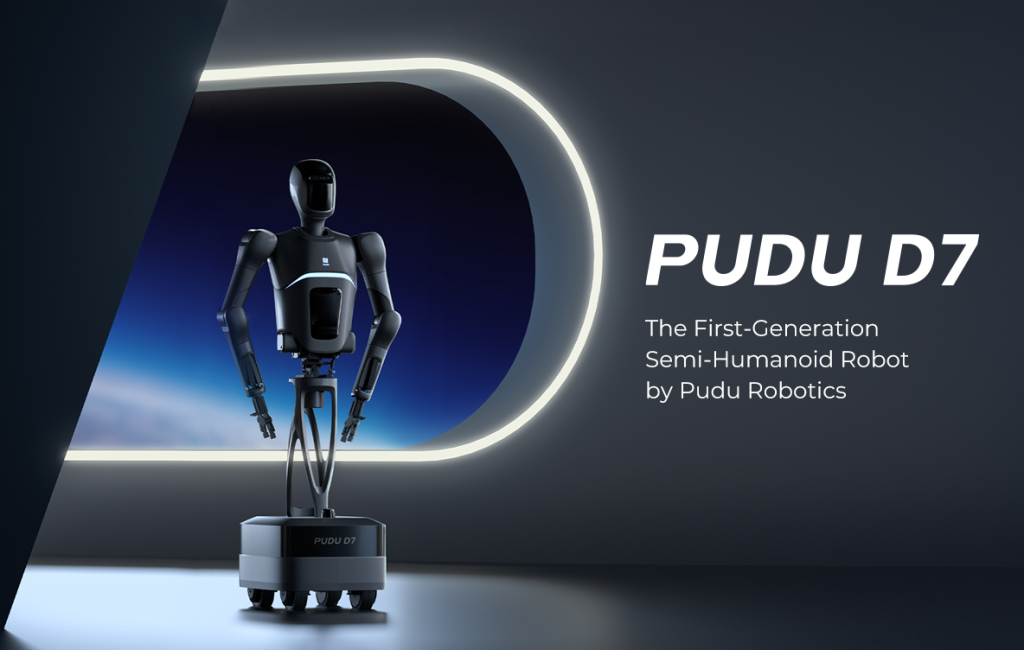
An even more controversial aspect of humanoid companionship involves intimacy and romantic interaction. Companies are exploring humanoid robots designed for sexual companionship, while AI chatbots are increasingly capable of forming simulated “romantic” relationships.
Ethical Implications
- Consent: A robot cannot give genuine consent, yet intimate interactions may occur. Does this raise moral concerns, or is it analogous to interacting with a realistic doll?
- Impact on Human Relationships: Could reliance on robotic intimacy reduce willingness to engage with human partners, affecting societal norms and emotional development?
- Objectification: There is concern that treating robots as sexual objects reinforces harmful attitudes toward humans, especially if robots are designed to emulate particular genders or ages.
These questions challenge traditional ethics surrounding relationships, intimacy, and societal norms. The debate often intersects with issues of autonomy, consent, and gender dynamics.
Psychological Effects on Humans
Research indicates that emotional engagement with robots can influence human psychology in meaningful ways:
- Attachment Formation: People may form attachments comparable to relationships with pets or even humans.
- Trust and Decision-Making: Humans may confide in robots or take advice seriously, even though robots lack judgment.
- Cognitive and Emotional Development: In children, early interactions with humanoid companions could shape social cognition, empathy, and understanding of agency.
While many effects are positive, long-term consequences remain unclear. Overreliance on artificial companions may:
- Reduce empathy toward humans
- Distort expectations of social reciprocity
- Create dependency on artificial systems for emotional regulation
These risks highlight the need for guidelines, oversight, and public education around humanoid companions.
Cultural Variations in Acceptance
Acceptance of humanoid companions varies across cultures. In Japan, robots are widely embraced as helpers, companions, and even quasi-family members. In Western societies, concerns about deception, privacy, and intimacy are more pronounced, reflecting cultural differences in social norms and perceptions of technology.
These differences matter when designing, marketing, and regulating humanoid companions, as societal expectations influence ethical considerations and policy decisions.
Regulation and Ethical Guidelines
Given the emotional and psychological stakes, ethical regulation is crucial:
- Transparency: Robots should clearly signal that they are machines. Users must understand the artificial nature of interaction.
- Privacy: Emotional data collected by humanoid companions must be safeguarded. Emotional interactions are deeply personal and sensitive.
- Usage Restrictions: Special care should be taken with vulnerable populations, including children, the elderly, and cognitively impaired individuals.
- Emotional Design Ethics: Companies should avoid manipulative emotional cues that exploit users’ psychological vulnerabilities.
These measures aim to maximize benefits while minimizing ethical risks.
The Role of Empathy in Human-Robot Interaction
While robots cannot experience genuine empathy, they can simulate behaviors that promote human well-being. Ethically, this raises the question: Is simulated empathy acceptable if it improves human welfare?
Some argue that the practical benefits—reduced loneliness, improved mental health, increased social engagement—justify emotional simulation, provided users are informed. Others caution that even well-intentioned simulation risks eroding authentic social bonds.
Ultimately, designers must navigate a delicate balance: providing comfort without deception, fostering attachment without exploitation.
Philosophical Considerations: Personhood and Moral Status
As AI evolves, some speculate about robots achieving forms of consciousness or self-awareness. If humanoid companions were ever capable of subjective experience, society would face profound moral dilemmas:
- Would robots deserve moral consideration?
- Could harming a sentient machine constitute ethical wrongdoing?
- How would human obligations shift in response to autonomous emotional entities?
While current technology is far from conscious robots, these questions encourage proactive thinking about the long-term ethical landscape of humanoid companionship.
Conclusion: Navigating the Emotional Frontier
Humanoid companions inhabit a space between utility and relationship, blurring the boundaries of technology, emotion, and social ethics. They offer profound benefits: alleviating loneliness, assisting the vulnerable, and enhancing quality of life. Yet they also pose risks: deception, dependency, social isolation, and psychological distortion.
Ethical engagement with humanoid companions requires multi-layered considerations:
- Transparency and informed understanding of artificial nature
- Protection of privacy and emotional autonomy
- Careful attention to vulnerable populations
- Continuous research into psychological and social effects
Humanoid robots challenge society to reconsider the meaning of relationships, empathy, and companionship. They are more than machines; they are mirrors reflecting human desires, needs, and vulnerabilities. How humans navigate these emerging bonds will shape the social and ethical landscape of the 21st century.
Discussion about this post