









Introduction: A Workforce on the Edge
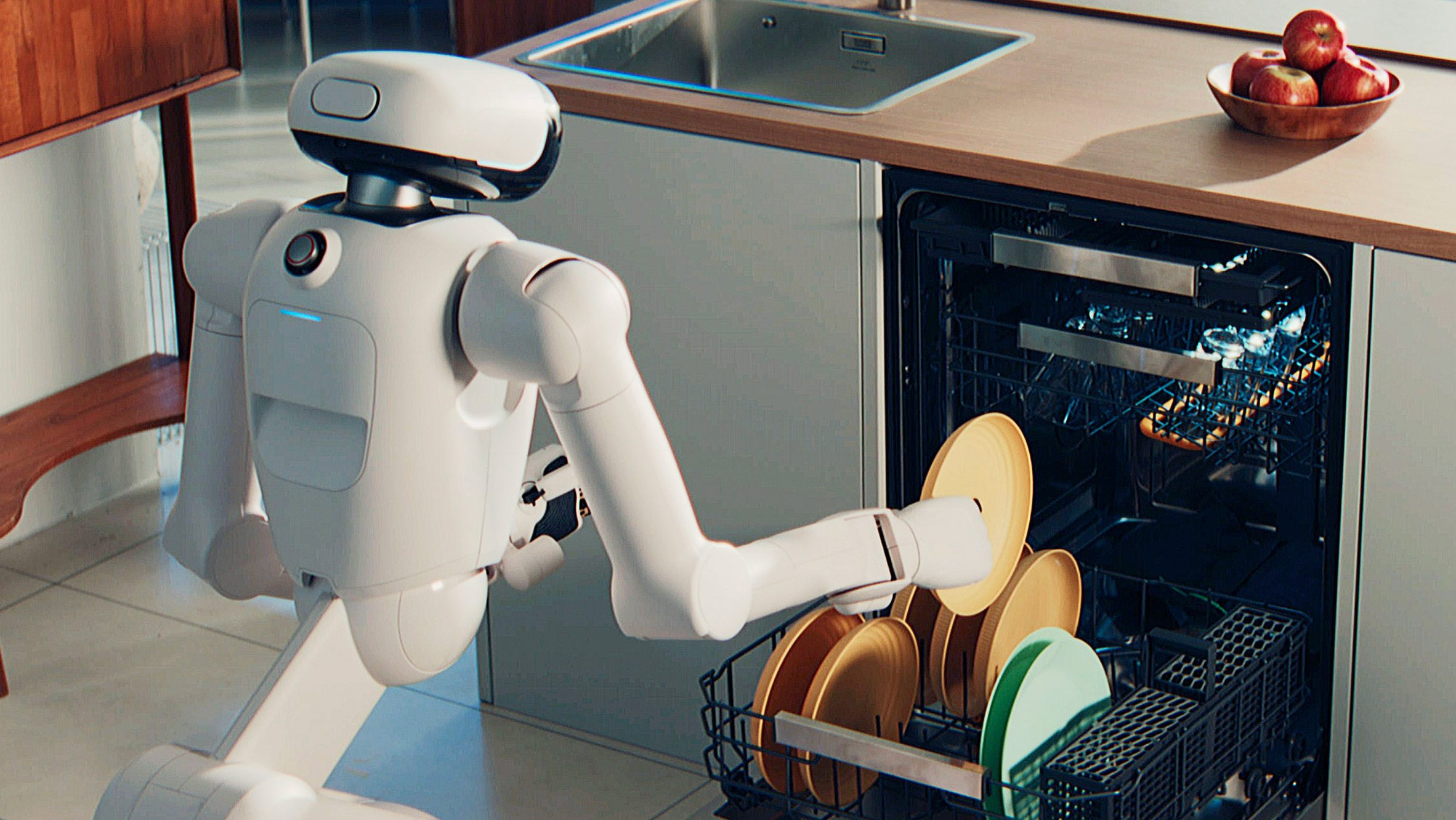
Humanoid robots are no longer confined to research labs or science fiction. Today, they walk through factories, warehouses, hospitals, and even retail spaces. Unlike traditional industrial machines, humanoid robots are versatile, mobile, and capable of interacting with human environments. Their potential to perform a wide array of tasks raises urgent questions about the future of work and the social structures that sustain it.
Historically, automation has always transformed economies. The mechanization of agriculture, the industrial revolution, and the rise of computers have each displaced some workers while creating new opportunities. However, humanoid robots represent a new paradigm: machines that not only replace physical labor but also operate in complex social contexts. They can carry packages, assist in healthcare, perform customer service, and eventually integrate artificial intelligence to make decisions previously reserved for humans.
This transformation prompts critical ethical and societal concerns. How should societies address potential job displacement? What measures can protect human dignity when labor becomes automated? How can the benefits of humanoid robotics be equitably distributed? These questions lie at the intersection of technology, ethics, and economics.
Humanoid Robots as General-Purpose Workers
One of the defining features of humanoid robots is their general-purpose capability. Unlike assembly-line robots designed for a single repetitive task, humanoid robots can adapt to various environments and duties. For example:
- A robot capable of lifting boxes in a warehouse may also be programmed to guide customers in a retail store.
- A robot assisting in eldercare can provide mobility support, monitor vital signs, and remind patients of medication schedules.
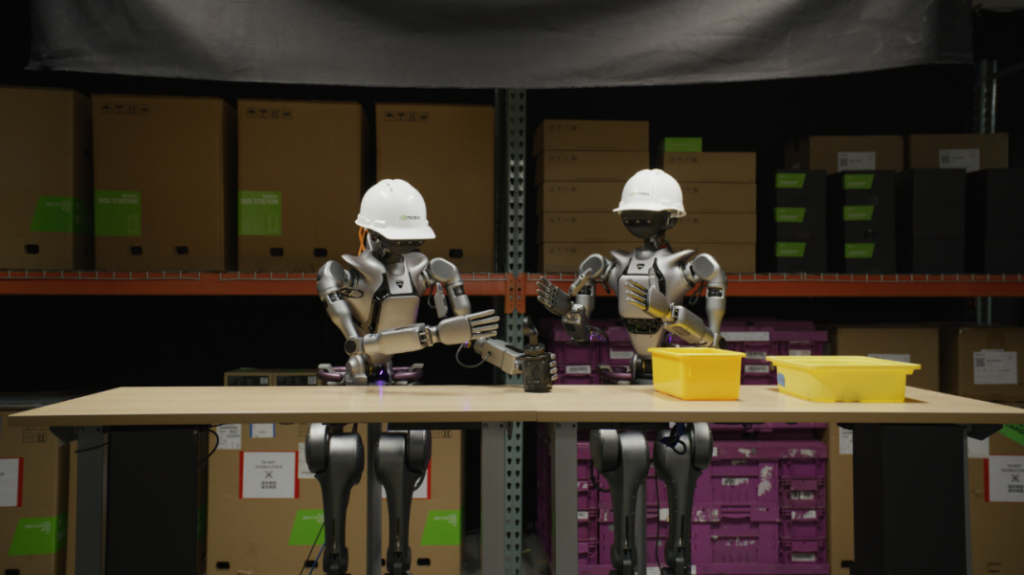
- In logistics, robots can collaborate with human workers, optimize packing, and perform deliveries in urban spaces.
The versatility of humanoid robots introduces both efficiency gains and ethical dilemmas. While companies may benefit from reduced labor costs and increased productivity, the human workforce faces uncertainty. Unlike specialized automation, which primarily displaces niche tasks, humanoid robots have the potential to replace a broad spectrum of jobs, from service roles to manual labor and eventually even cognitive or decision-making positions.
Employment Displacement: Scale and Scope
Economic studies suggest that automation could affect up to 30–50% of current jobs over the next two decades, depending on regional labor markets and technological adoption rates. Humanoid robots exacerbate this trend because of their adaptability. Several sectors are particularly vulnerable:
- Service industry: Receptionists, cashiers, customer service representatives.
- Logistics and delivery: Warehouse pickers, couriers, transport workers.
- Healthcare support: Nursing aides, physical therapists, caregivers.
- Retail and hospitality: Waitstaff, shop assistants, guides.
The ethical concern is not merely unemployment but the dignity and purpose associated with meaningful work. For many, labor is not only a source of income but also a fundamental part of identity, social engagement, and self-worth. Large-scale automation risks undermining these societal foundations.
Economic Inequality and Power Dynamics
Humanoid robotics has the potential to concentrate wealth and power in the hands of those who control the technology. Companies with access to advanced robots may achieve unprecedented efficiency, reducing labor costs while increasing profit margins. Meanwhile, displaced workers may struggle to find employment in sectors that require highly specialized skills.
Without intervention, this dynamic could exacerbate economic inequality:
- Skilled workers and technology professionals may capture most of the financial benefits of robotic automation.
- Low- and middle-income workers may face prolonged unemployment or underemployment.
- Societal polarization may increase, fostering social unrest and political tension.
The distribution of wealth generated by humanoid robots is thus not merely an economic issue; it is a question of social justice. Ethical deployment of robotics technology requires policymakers to anticipate and address these imbalances.
Human Dignity and the Value of Work
Ethics of automation extend beyond income distribution. Human labor carries intrinsic value beyond monetary compensation. Work provides purpose, social recognition, and psychological fulfillment. Replacing human effort with robots risks eroding these aspects of human dignity.
Some argue that humanoid robots could enhance human well-being by taking over repetitive, dangerous, or physically demanding tasks. Freed from labor-intensive work, humans could pursue creative, intellectual, or socially meaningful endeavors. Yet, without systemic support—such as education, retraining, or social safety nets—automation can easily become alienating rather than liberating.
Philosophers like Hannah Arendt have emphasized the distinction between “labor” and “work.” Labor pertains to survival and maintenance, while work produces lasting contributions to society. Ethical implementation of humanoid robots requires careful consideration of how automation affects both forms of human activity.
Retraining and Education: Preparing the Workforce
To mitigate ethical and social challenges, governments and organizations must invest in education and retraining programs. Workers displaced by humanoid robots will need skills in:
- Robotics maintenance and programming
- AI supervision and human-robot interaction
- Creative and problem-solving roles that remain resistant to automation
- Interdisciplinary fields combining technology, healthcare, and social services
Educational institutions must also emphasize lifelong learning. The pace of technological change suggests that traditional career paths may no longer provide stability. Ethical responsibility involves ensuring that humans can adapt to new opportunities, rather than being left behind.
Policy Interventions: Shaping an Equitable Future
Beyond retraining, society may need more radical interventions to ensure fairness:
- Universal Basic Income (UBI)
Providing citizens with a guaranteed income could decouple survival from employment, mitigating the effects of widespread displacement. - Robot Taxation
Taxing companies based on the use of humanoid robots could fund social programs and redistribute the benefits of automation. - Labor Representation
Policies might require human oversight and integration in decision-making processes where robots perform socially impactful work. - Regulatory Oversight
Governments may enforce standards to prevent monopolization and ensure that robotic technology serves public interest rather than only corporate profit.
Each approach presents challenges and trade-offs. UBI, for example, requires substantial fiscal resources. Robot taxation may discourage innovation. Balancing incentives and protections is a deeply ethical decision involving societal values, fairness, and risk tolerance.
Ethical Responsibility of Corporations
Corporations developing and deploying humanoid robots bear significant ethical responsibilities:
- Transparency: Workers should understand when tasks are being automated and the potential impacts.
- Fair Transition: Companies must provide retraining, severance, or other support to affected employees.
- Inclusive Design: Robots should be designed to complement human labor rather than entirely replace it where possible.
- Long-Term Impact Assessment: Businesses should consider broader societal consequences, not only short-term profitability.
Ignoring these responsibilities risks social backlash, including protests, legal challenges, and reputational damage.
Human-Robot Collaboration: A Balanced Approach
Ethical deployment of humanoid robots need not be adversarial. One promising paradigm is human-robot collaboration, in which robots augment human abilities rather than fully replace them.
For example:
- In warehouses, robots can handle heavy lifting while humans focus on quality control and complex decision-making.
- In healthcare, humanoid robots can assist caregivers with routine monitoring, allowing human professionals to spend more time providing emotional support.
- In retail, robots can handle inventory management, while human staff engage in customer interactions requiring empathy.
Collaboration preserves the value of human labor while maximizing the efficiency and safety benefits of robotics. It also mitigates ethical concerns around dignity and social isolation.
Global Considerations: Robotics Across Societies
The impact of humanoid robots on work varies across regions. Developing countries with labor-intensive economies may face different challenges than technologically advanced nations.
- In high-income countries, robots may replace service sector jobs, affecting middle-class employment.
- In low-income countries, where manual labor dominates, robot-driven automation could threaten entire industries, from agriculture to manufacturing.
- Policy frameworks, social safety nets, and cultural attitudes toward work will shape how societies adapt to robotic integration.
Ethical deployment thus requires global awareness, international cooperation, and consideration of disparities in technological access and economic resilience.
Conclusion: Navigating the Labor Frontier
Humanoid robots promise unprecedented efficiency, safety, and versatility in human environments. Yet their rise also presents profound ethical challenges:
- How can we preserve human dignity in the age of automation?
- How can economic benefits be distributed fairly to avoid exacerbating inequality?
- How should society support displaced workers while fostering innovation?
Addressing these questions requires a multi-stakeholder approach involving policymakers, corporations, labor unions, educators, and ethicists. Automation should not merely be a technical achievement; it must be a socially responsible transition that preserves human purpose, community, and fairness.
The future of work will be a moral as well as a technological frontier. Humanoid robots will reshape economies, social structures, and human self-perception. Whether this transformation leads to widespread prosperity or social disruption depends on the choices society makes today. Ethical, inclusive, and forward-thinking policies can ensure that humanoid robots become instruments of human flourishing, rather than symbols of displacement and inequality.
Discussion about this post