









Introduction: A Technological Turning Point
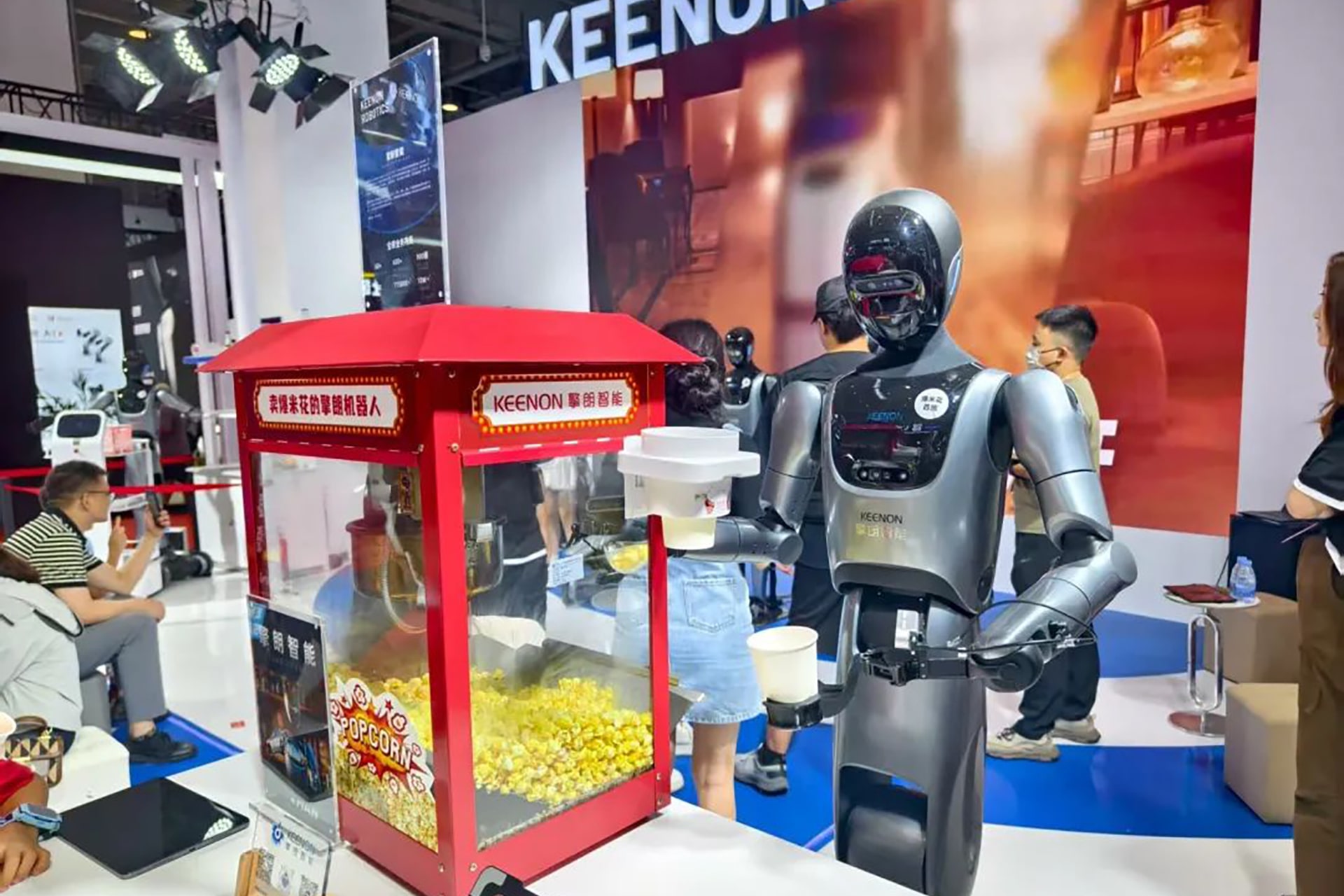
For decades, humanoid robots belonged largely to the realm of science fiction. Films like Blade Runner, Ex Machina, and I, Robot imagined machines that not only looked like humans but also interacted with society in complex moral and emotional ways. Today, these visions are rapidly approaching reality. Companies such as Tesla, Boston Dynamics, Figure AI, and Agility Robotics are developing humanoid robots capable of walking, manipulating objects, and interacting with human environments.
What makes humanoid robots fundamentally different from earlier machines is not simply their technical sophistication but their social form. Unlike industrial robotic arms hidden inside factories, humanoid robots share the same physical and social space as humans. They move through our homes, workplaces, hospitals, and public spaces. They speak, gesture, and sometimes even simulate emotion.
This transformation raises profound ethical questions. When machines begin to resemble us—physically, behaviorally, and socially—our moral frameworks are challenged. How should humans treat humanoid robots? Should robots have rights? What responsibilities do creators and users bear when machines begin to act autonomously?
The rise of humanoid robots is therefore not merely a technological milestone; it is a moral frontier that will redefine the relationship between humans and intelligent machines.
The Human Tendency to Anthropomorphize
One of the most immediate ethical challenges posed by humanoid robots arises from a deeply ingrained human tendency: anthropomorphism, the act of attributing human characteristics to non-human entities.
Humans naturally project emotions, intentions, and personalities onto anything that appears human-like. Even simple machines can trigger this response. For instance, studies have shown that people feel sympathy for robotic vacuum cleaners that appear to struggle with obstacles. When robots take on a human-like body—complete with eyes, gestures, and voice—this psychological response becomes even stronger.
Humanoid robots are intentionally designed to exploit this effect. Engineers often give robots expressive faces, smooth movements, and conversational abilities because these features make interactions easier and more intuitive for humans.
However, this design strategy raises ethical concerns.
If humans emotionally bond with machines that cannot truly reciprocate feelings, are we being manipulated? When a caregiving robot says “I understand how you feel,” it may comfort a lonely person—but the robot does not actually understand anything.
This creates what some ethicists call the illusion of empathy.
While such illusions may improve user experience, they blur the boundary between genuine human relationships and artificial simulations. Over time, widespread exposure to emotionally expressive machines could reshape how humans perceive empathy, trust, and companionship.
The Uncanny Valley and Emotional Discomfort
Another psychological phenomenon closely related to humanoid robots is the uncanny valley. When a robot looks somewhat human but not perfectly human, people often experience feelings of discomfort or even fear.
This reaction suggests that humans possess a deep cognitive sensitivity to subtle deviations from natural human appearance and behavior.
For example, a robot that smiles slightly too slowly or blinks at irregular intervals may appear unsettling. A face that resembles human skin but lacks natural warmth can evoke feelings of eeriness.
The uncanny valley raises important ethical questions for designers.
Should engineers strive to make robots indistinguishable from humans? Or should robots remain visibly mechanical to avoid deception?
Some researchers argue that robots should always be clearly identifiable as machines. Transparency, they suggest, helps maintain psychological boundaries and prevents emotional confusion.
Others believe that hyper-realistic robots could be beneficial in contexts such as elder care or therapy, where familiarity and emotional comfort are important.
The debate highlights a fundamental tension: how human should humanoid robots be?
Robots in Caregiving Roles
One of the most widely discussed applications of humanoid robots is in caregiving.
As populations age in many countries, healthcare systems face severe labor shortages. Humanoid robots could assist elderly individuals with daily tasks, monitor health conditions, and provide companionship.
At first glance, this seems like an ideal solution.
However, ethical concerns quickly emerge.
Emotional Substitution
Critics worry that robotic caregivers might replace human interaction rather than supplement it. If elderly individuals spend most of their time interacting with machines, their social isolation could deepen.
Human relationships involve genuine empathy, shared experiences, and emotional reciprocity—qualities that machines cannot authentically reproduce.
Using robots as substitutes for human care may therefore risk dehumanizing the caregiving process.
Consent and Awareness
Another concern involves cognitive impairment. Some elderly patients, particularly those with dementia, may not fully understand that a robot is not a human caregiver.
Is it ethical to allow a patient to form emotional attachments to a machine they believe to be a person?
Some ethicists argue that this constitutes a form of deception, even if the intention is compassionate.
Labor Displacement and Economic Inequality
Beyond personal relationships, humanoid robots also raise significant socioeconomic questions.
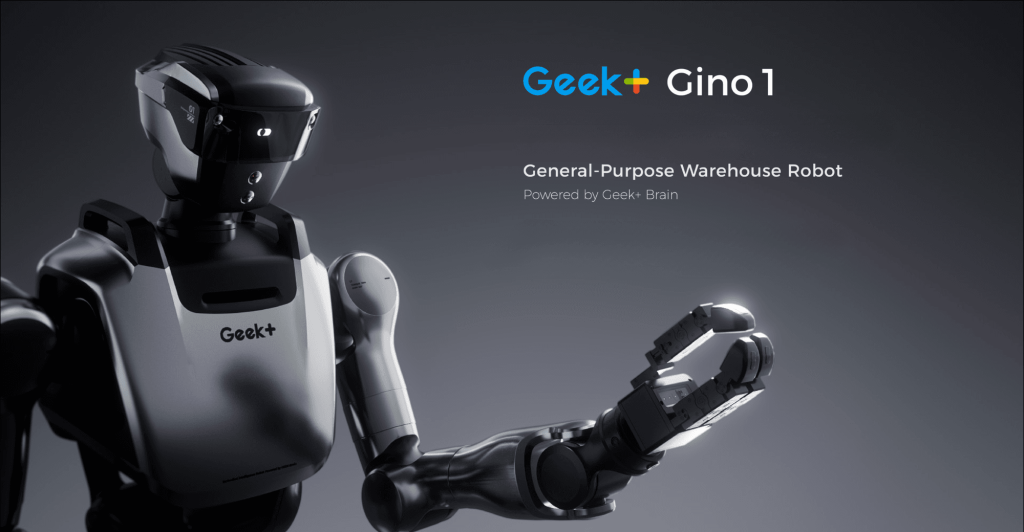
Many developers envision robots performing a wide range of physical labor: warehouse logistics, delivery services, household tasks, construction, and even retail.
If humanoid robots become economically viable, they could transform labor markets dramatically.
Historically, automation has displaced certain jobs while creating new ones. However, humanoid robots may differ from previous technologies because of their general-purpose capability.
A single robot could potentially perform many tasks currently done by humans.
The Risk of Structural Unemployment
If large segments of the workforce become replaceable by robots, structural unemployment could rise. Workers in service industries, logistics, and manual labor sectors might be particularly vulnerable.
While new industries may emerge around robotics development and maintenance, these jobs often require advanced technical skills.
This mismatch could widen economic inequality.
Concentration of Wealth
Another concern is the concentration of economic power. Companies that own and deploy robotic labor could accumulate enormous wealth while reducing the need for human employees.
Without appropriate policies, humanoid robotics could exacerbate existing social inequalities.
Potential responses include:
- Universal basic income
- Robot taxation
- Workforce retraining programs
However, these solutions remain politically controversial and economically uncertain.
Responsibility and Accountability
When humanoid robots operate autonomously in complex environments, questions of responsibility become unavoidable.
If a robot causes harm—by injuring someone, damaging property, or making a dangerous decision—who should be held accountable?
Possible candidates include:
- The robot’s manufacturer
- The software developer
- The owner or operator
- The organization deploying the robot
Unlike traditional machines, humanoid robots may make decisions based on machine learning algorithms that evolve over time. This makes causal responsibility difficult to trace.
Legal systems around the world are still struggling to address this challenge.
Some scholars have proposed granting robots a form of electronic legal status, allowing them to bear limited responsibility for their actions.
Others strongly oppose this idea, arguing that responsibility must always remain with human actors.
The Question of Robot Rights
Perhaps the most provocative ethical debate concerns whether humanoid robots could ever deserve rights.
At present, robots are tools. They have no consciousness, no subjective experience, and no capacity for suffering.
However, rapid progress in artificial intelligence has prompted speculation about future machines that might possess forms of awareness.
If a robot could genuinely feel pain, experience emotions, or hold self-awareness, denying it moral consideration might become ethically problematic.
This possibility remains speculative, but philosophers argue that we should begin thinking about these issues now.
The debate echoes historical expansions of moral concern—from tribes to nations, from nations to humanity, and eventually to animals.
Could machines someday become part of the moral community?
Cultural Differences in Attitudes Toward Robots
Interestingly, cultural perspectives on humanoid robots vary significantly across societies.
In many Western cultures, robots are often portrayed as potential threats. Stories frequently depict machines rebelling against their creators or replacing humanity.
In contrast, some East Asian cultures—particularly Japan—tend to portray robots more positively. Robots are often depicted as helpful companions rather than existential dangers.
These cultural narratives influence public acceptance of robotics technology.
Understanding these differences is crucial as humanoid robots enter global markets.
Designing Ethical Robots
Given these challenges, many researchers advocate for ethical design principles in robotics development.
Key principles include:
Transparency
Robots should clearly communicate that they are machines rather than humans.
Privacy Protection
Robots operating in homes may collect sensitive data. Strict safeguards must protect users’ privacy.
Safety and Reliability
Humanoid robots must meet rigorous safety standards before being deployed in public spaces.
Human Oversight
Even highly autonomous robots should remain under meaningful human control.
By integrating ethical considerations into design processes, developers can reduce potential harms and build public trust.
Conclusion: Navigating a New Human–Machine Relationship
Humanoid robots represent one of the most profound technological developments of the 21st century.
Their human-like form allows them to operate in environments designed for people, but it also places them directly within our social and moral worlds.
As machines begin to walk beside us, work with us, and perhaps even care for us, humanity must confront difficult questions about empathy, responsibility, labor, and the nature of intelligence itself.
Technology alone cannot answer these questions.
They require thoughtful collaboration between engineers, ethicists, policymakers, and the public.
The challenge is not merely to build intelligent machines, but to ensure that the society they enter remains humane, fair, and ethically grounded.
Humanoid robots may look like us—but the future they create will ultimately depend on the choices we make today.
Discussion about this post