








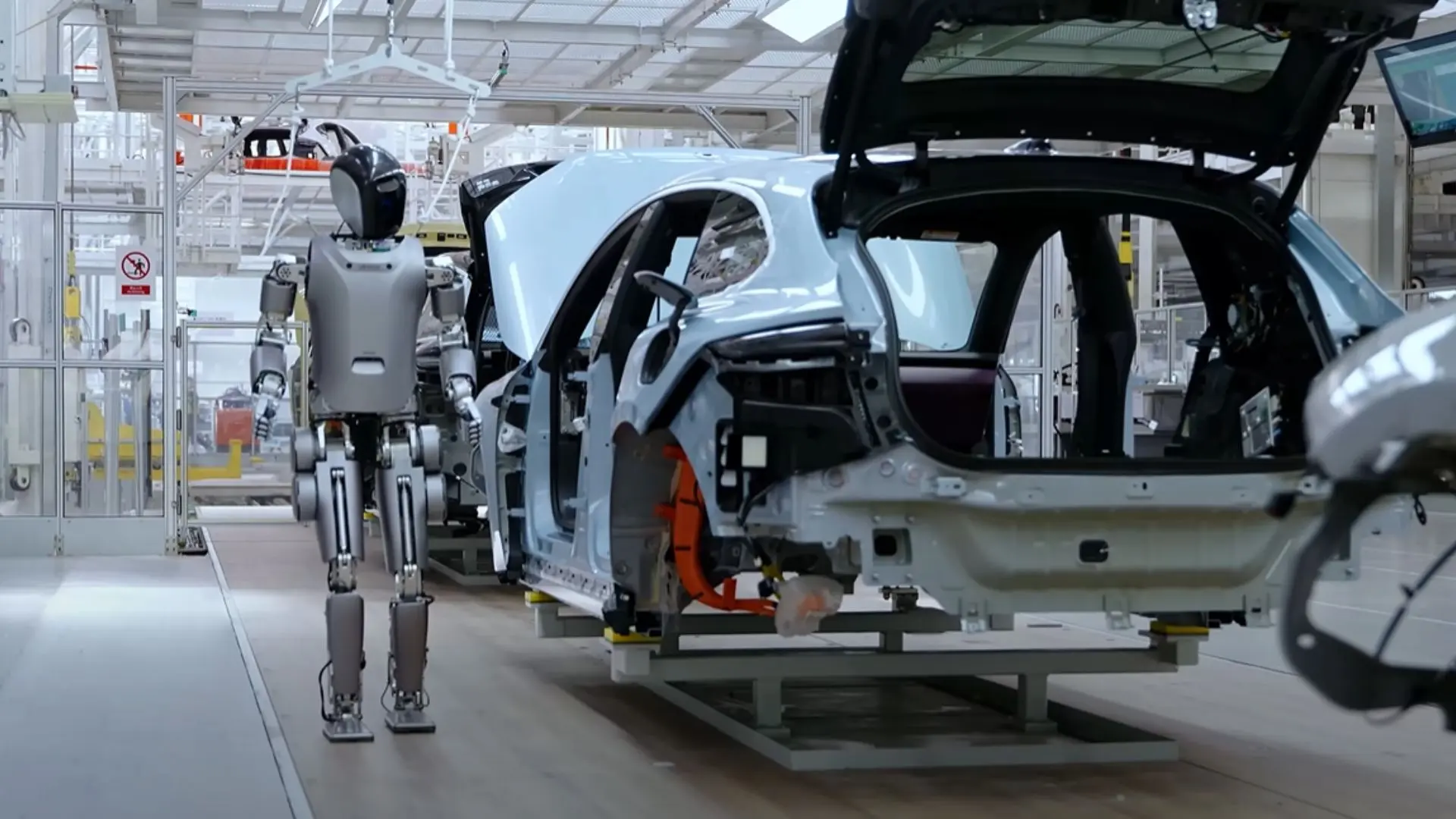

The rapid evolution of robotics technology is changing industries across the globe. As automation gains ground in sectors ranging from manufacturing to healthcare, one of the most promising alliances is that between robotics companies and automakers. The synergy between these two industries is not only reshaping how vehicles are produced but also driving the next wave of industrial advancements. With increased efficiency, reduced human labor costs, and improved precision, these partnerships could very well accelerate the deployment of robotics across multiple industrial applications. But how can these collaborations truly influence industrial transformation, and are they the key to future success?
The Power of Partnership: Robotics and Automakers
The automotive industry is one of the earliest adopters of robotics. Industrial robots have been integral to automotive manufacturing lines for decades. Yet, as technology progresses, the partnership between robotics firms and automakers is becoming deeper, more sophisticated, and increasingly essential. Automakers, known for their complex and large-scale manufacturing operations, have long relied on robots for tasks like welding, painting, and assembly. However, the increasing demand for precision, flexibility, and innovation in the production process has led to closer collaboration with robotics companies, especially in the fields of automation, machine learning, and artificial intelligence (AI).
These collaborations are ushering in a new era of “smart manufacturing,” where automation not only streamlines production but also makes it more adaptive and responsive to market demands. Robotics companies bring their expertise in design and technology, while automakers contribute valuable insights into manufacturing challenges. By sharing knowledge and resources, both sectors can accelerate industrial deployment, ultimately reshaping the way factories operate.

How Robotics Can Accelerate Industrial Deployment
- Improved Production Efficiency
The most direct impact of robotics in automotive manufacturing is increased efficiency. Robots can work faster, more accurately, and longer than humans, significantly reducing production time. The introduction of robots into production lines has already minimized the human error factor, which can slow down manufacturing processes. However, when automakers partner with robotics companies, they gain access to next-generation technologies that further enhance efficiency. Autonomous robots equipped with AI and machine learning can predict maintenance needs, reduce downtime, and even adapt to changes in production lines without requiring constant reprogramming. - Cost Reduction
While the initial investment in robotics technology can be high, the long-term financial benefits make these collaborations worthwhile. Robots can work continuously without breaks, reducing the need for shifts and human labor, which results in a decrease in operational costs. In the automotive industry, this is particularly important, given the high labor costs involved in manufacturing processes. Furthermore, robots can automate tasks that were previously considered too complex or repetitive for automation. For instance, some robots are now being used for precision tasks like the assembly of intricate car parts, reducing the need for expensive human labor while improving product quality. - Enhanced Safety and Precision
In industries like automotive manufacturing, where repetitive and high-risk tasks are common, robotics partnerships can provide a safer working environment. Robots can take on dangerous tasks such as heavy lifting, welding, or working in hazardous environments. This not only protects human workers but also ensures that production continues without disruption. Additionally, robots can perform tasks with a level of precision that human workers might struggle to achieve consistently. For example, in high-volume production environments, even small discrepancies in part alignment or assembly can lead to costly defects or delays. Robots, however, can execute these tasks with a high degree of consistency, which ensures higher quality products and fewer defects. - Flexible Manufacturing and Customization
One of the most exciting aspects of robotic partnerships with automakers is their ability to enable flexible manufacturing. Traditional automotive production lines were designed for mass production, with little room for variation. However, consumer demands are shifting toward more personalized, customized vehicles. With robotics and automation, manufacturers can more easily adjust production processes to accommodate different configurations, colors, and specifications. AI-driven robots, for instance, can adjust their tasks on the fly, allowing for highly flexible manufacturing environments. This adaptability gives automakers the ability to quickly pivot based on market needs, without significant delays in the production process. - Sustainability and Eco-friendly Practices
As the world becomes more environmentally conscious, industries are under increasing pressure to adopt sustainable practices. Robotics technology plays a crucial role in helping automakers meet these demands. Robots can be programmed to minimize waste, optimize energy consumption, and even work in eco-friendly facilities. Automakers are also using robots to develop more sustainable vehicles, such as electric cars. Robotics can assist in the precise assembly of components like batteries, which require extreme accuracy and safety. Moreover, robotic systems can help ensure that manufacturing processes are as green as possible, reducing the carbon footprint of production lines. - AI Integration and Advanced Capabilities
Artificial intelligence is at the heart of many recent advancements in robotics. When automakers partner with robotics firms that specialize in AI, they can integrate advanced algorithms that enable robots to not just follow instructions, but to learn and adapt over time. For example, robots can learn from past production cycles, predicting potential disruptions and making real-time adjustments to workflows. The ability to self-learn and optimize production is particularly valuable in industries like automotive manufacturing, where innovation and adaptability are key. Through AI-powered robots, automakers can create more efficient, responsive, and intelligent manufacturing environments.
The Broader Industrial Impact

While the partnership between robotics companies and automakers is vital to advancing manufacturing, it’s also helping to catalyze automation in other sectors. As robots become more integrated into the automotive supply chain, their presence in other industries grows as well. Here’s how robotics and automation are likely to impact industries beyond automotive:
- Logistics and Supply Chain
The demand for faster, more efficient logistics has skyrocketed with the rise of e-commerce. Robotics and AI are transforming the logistics and supply chain industries, making them more responsive to market needs. From self-driving trucks to automated warehouses, robots are improving efficiency and reducing operational costs. Automakers, working with robotics firms, are setting the stage for automated, AI-driven logistics networks that will revolutionize global trade. The seamless integration of robots into supply chains ensures that goods are delivered faster, with fewer errors and disruptions. - Healthcare and Precision Medicine
Robotics technologies used in automotive manufacturing are also being adopted in healthcare. Surgical robots, for instance, are becoming an essential part of modern medicine. These robots allow for greater precision and minimally invasive procedures, which can significantly reduce recovery times for patients. Furthermore, advancements in robotics can lead to breakthroughs in personalized medicine. With AI and robotics collaborating, patients could receive more tailored treatments, including robotic surgeries designed specifically for their individual needs. - Agriculture and Food Production
Agriculture is another area where robotics is making significant inroads. Robots are being used to automate planting, harvesting, and even processing food products. Automakers, with their extensive knowledge of robotics, are bringing innovations in manufacturing automation to the agriculture industry, reducing human labor and improving productivity. - Retail and Customer Experience
In retail, robots are improving customer experiences by providing assistance and even managing inventory. Some robotic systems are already employed in stores to guide customers, restock shelves, and perform routine cleaning tasks. As robotics technology becomes more advanced, partnerships between robotics firms and retail chains are likely to increase.
Challenges and Considerations
While the benefits of robotics partnerships with automakers are significant, there are challenges to consider. The high upfront costs of robotics technology, the potential for job displacement, and regulatory issues surrounding automation are concerns that need to be addressed.
- Job Displacement
One of the most controversial aspects of robotics in manufacturing is the potential for job loss. While robots can enhance productivity, they also have the potential to replace human workers, especially in repetitive tasks. This raises important ethical and societal questions about how to balance innovation with the welfare of workers. - Regulatory and Safety Concerns
As robots take on more complex tasks, safety becomes a critical issue. Regulators must ensure that robots meet safety standards, both in terms of operation and human interaction. Furthermore, ethical questions around the deployment of autonomous systems in high-risk industries like automotive manufacturing must be addressed to ensure public trust.
Conclusion: The Road Ahead
The partnership between robotics companies and automakers is accelerating industrial deployment by pushing the boundaries of automation. As this collaboration deepens, the manufacturing industry will see continued improvements in efficiency, safety, and flexibility. The ability to scale production while maintaining high standards of customization and sustainability will be key to meeting the growing demands of the global market.
However, it’s important to continue monitoring the social and ethical implications of these advancements. While robotics promises increased productivity, it also raises complex questions about labor, safety, and regulation. Striking the right balance between technological innovation and the responsible deployment of automation will be essential in ensuring a future where both industries and society can thrive.