








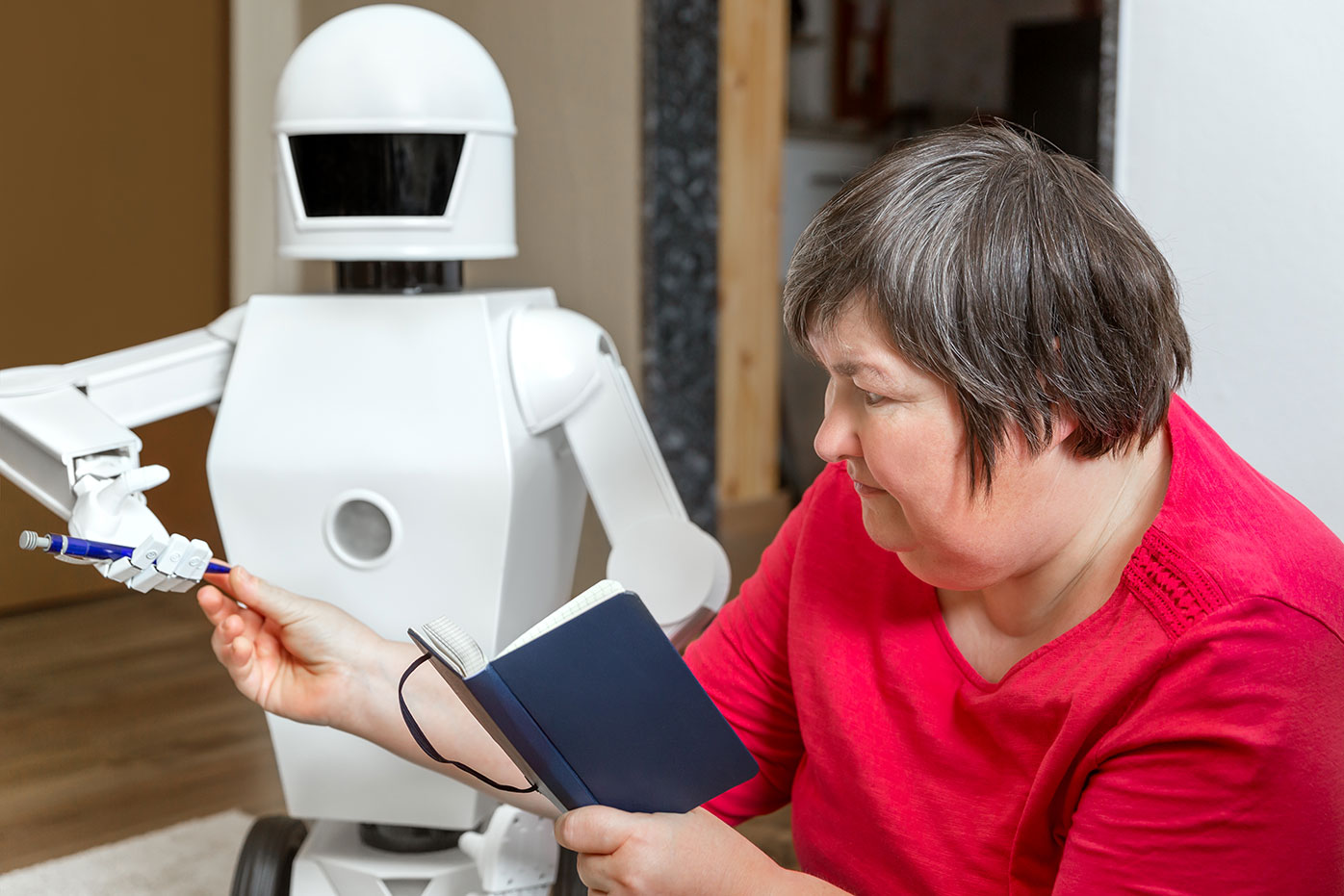

In today’s rapidly advancing technological age, it’s hard to ignore the ever-increasing presence of robots in our daily lives. From self-checkout machines to autonomous cars, robots are reshaping industries, improving efficiency, and even helping us in our personal lives. One sector that is seeing significant transformations is caregiving, where robots are being introduced to assist healthcare professionals, family caregivers, and even the elderly themselves. But the question remains: Can robots reduce caregiver burnout without losing the essential human touch?
The Caregiver Crisis
Before diving into how robots could help alleviate burnout, it’s important to first understand the magnitude of the problem caregivers face. Globally, millions of individuals are providing care for loved ones—whether it’s the elderly, disabled individuals, or those suffering from chronic illnesses. In the United States alone, over 53 million people are caregivers, according to AARP’s 2020 report. These caregivers typically face long hours, physical exhaustion, emotional strain, and financial burden.
Caregiving can be an overwhelming experience, and many caregivers find themselves sacrificing their own well-being to provide for others. The consequences of this burnout can be severe, resulting in depression, anxiety, physical health problems, and even a decline in the quality of care provided.
The Role of Technology in Caregiving
This is where technology—and particularly robots—comes into play. Over the last decade, there has been an increasing push to integrate robotics and AI in healthcare settings to assist with caregiving tasks. From robotic exoskeletons that help with mobility to AI-powered assistants that monitor vital signs, the possibilities seem endless.
The idea is simple: Use robots to take on the more repetitive, physically demanding, or emotionally taxing tasks that often contribute to caregiver burnout. This would free up human caregivers to focus on the more personal aspects of care, such as emotional support, companionship, and decision-making.
Types of Robots in Caregiving
There are several categories of robots currently being used or tested in caregiving environments:

- Robotic Assistants: These robots are designed to help with basic tasks like fetching medications, adjusting bed positions, or reminding patients about important tasks. They can also assist in routine activities like dressing and bathing, providing physical aid to both patients and caregivers.
- Companion Robots: These robots are designed to offer companionship and emotional support to those who might otherwise experience loneliness or depression. One famous example is PARO, a robotic seal that is used in nursing homes. PARO can mimic the behavior of a real pet, and its soothing responses have been shown to improve the emotional well-being of elderly patients.
- Social Robots: These robots go a step further by using AI to interact with patients in meaningful ways. They can recognize faces, hold conversations, and even adjust their tone of voice based on the patient’s emotional state. These robots can assist with cognitive exercises and help patients feel more engaged in their environment.
- Robotic Exoskeletons: For patients with mobility issues, robotic exoskeletons can help individuals stand or walk again, promoting both physical and psychological well-being. In some cases, these exoskeletons are used to help caregivers safely lift patients without putting unnecessary strain on their own bodies.
Can Robots Alleviate Caregiver Burnout?
The potential benefits of robots in reducing caregiver burnout are clear. By taking on mundane or physically demanding tasks, robots can allow human caregivers to focus on what truly matters—providing emotional support, making informed decisions, and fostering a deeper connection with the person they care for. But while robots have the potential to reduce burnout, they must also be designed thoughtfully to avoid dehumanizing the caregiving process.
1. Reducing Physical Strain:
Caregiving can be physically exhausting. Lifting and moving patients, helping with basic hygiene, or assisting with mobility can take a toll on caregivers. By using exoskeletons or assistive robots, caregivers can reduce the risk of injury, fatigue, and burnout. These robots can lift and move patients without requiring human strength, preventing strain on caregivers’ bodies. For example, a robotic lift that helps move a patient from a wheelchair to a bed can reduce the physical demands on a caregiver, making their work less physically taxing.
2. Decreasing Emotional Exhaustion:
Emotional exhaustion is another significant component of caregiver burnout. Caregivers are not just tending to physical needs—they also shoulder the emotional weight of seeing their loved ones suffer. Robots, particularly companion robots, can help reduce some of this emotional strain. These robots offer companionship and comfort, which can ease feelings of isolation for patients and reduce the emotional burden on caregivers. Additionally, robots can help with routine activities, like reminding patients to take their medications, which reduces the pressure on caregivers to manage every minute detail.
3. Reducing Workload Through Automation:
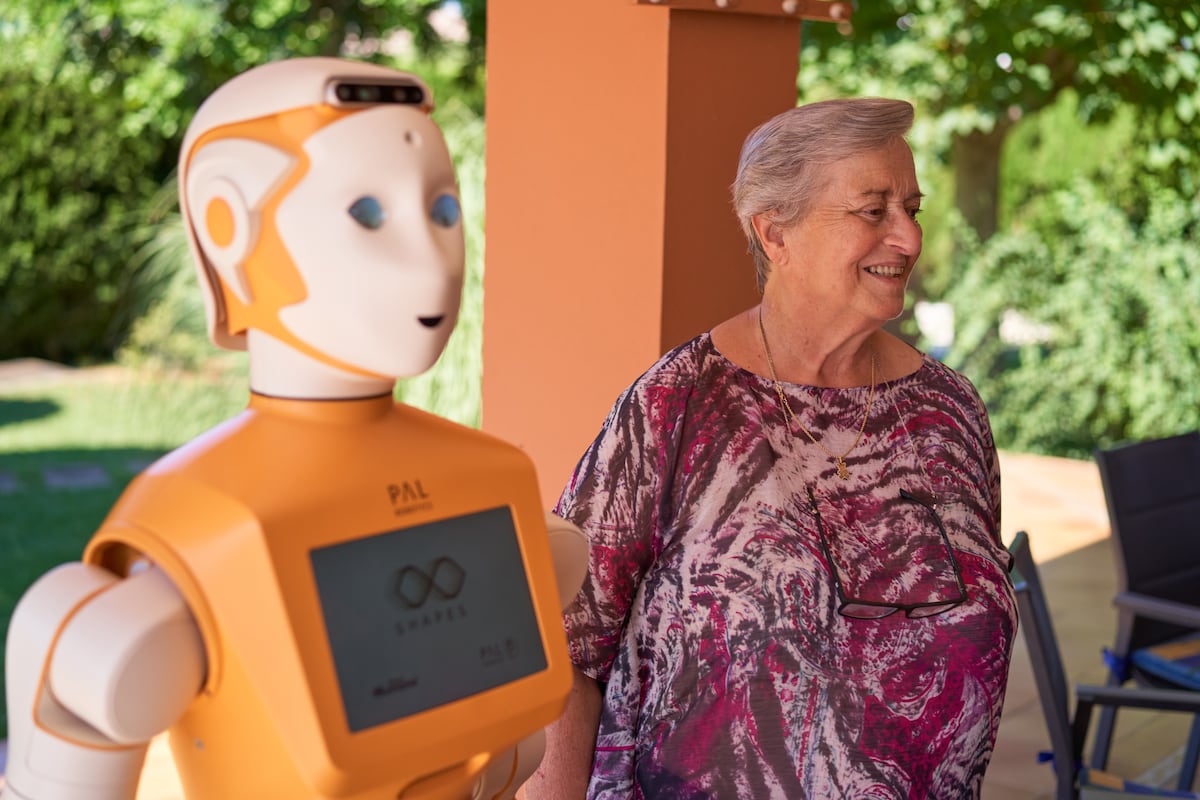
Repetitive tasks such as tracking vital signs, ensuring proper medication schedules, or monitoring changes in health conditions are time-consuming. By automating these processes, robots can free up caregivers to focus on more personal aspects of care. AI-powered robots can help track health metrics in real time, sending alerts to caregivers if a patient’s condition changes. This reduces the mental load on human caregivers, allowing them to be more present and focused.
The Balance Between Technology and Humanity
While robots undoubtedly have the potential to reduce burnout, it’s essential not to lose sight of the core aspect of caregiving: human connection. Many argue that no robot, no matter how sophisticated, can replace the empathy, compassion, and understanding that a human caregiver can offer. The therapeutic power of touch, the comfort of a shared conversation, and the subtle cues of non-verbal communication are irreplaceable.
For robots to truly complement caregiving, they must be designed not to replace human interaction but to enhance it. Robots should handle repetitive tasks and assist with physical needs, while human caregivers can provide the emotional support and companionship that are crucial to a patient’s well-being. In this way, technology and humanity can work hand-in-hand, balancing efficiency with compassion.
The Role of Empathy in Robotics
One of the challenges in caregiving robotics is designing robots that can respond empathetically to human needs. Robots that can recognize when a patient is in pain, anxious, or lonely, and adjust their behavior accordingly, can provide more meaningful assistance. However, this requires sophisticated AI that can understand complex emotional states and human behaviors—something that current technology is still working to perfect.
For instance, a robot might be able to tell when a patient is smiling or frowning, but it may not understand the nuanced emotional context behind those expressions. Empathy in robots is a frontier in research that could change the way we think about caregiving and technology.
Ethical Considerations
As with any technology, the use of robots in caregiving raises important ethical questions. Should we rely on robots to care for our loved ones, or does that risk dehumanizing the caregiving process? How much autonomy should robots have in decision-making regarding patient care? Can robots truly respect the privacy of patients?
There are also concerns about the impact of caregiving robots on the labor market. While robots can alleviate caregiver burnout, they could also displace human workers in certain caregiving roles, potentially leading to a loss of jobs. Striking a balance between automation and human labor will be key to addressing these concerns.
The Future of Caregiving Robots
Looking ahead, we can expect caregiving robots to continue evolving. Advances in AI, machine learning, and robotics will likely lead to more sophisticated and intuitive robots capable of performing increasingly complex caregiving tasks. However, for robots to truly reduce caregiver burnout, they must be integrated into the caregiving process thoughtfully, respecting both the autonomy of patients and the humanity of caregivers.
Ultimately, robots have the potential to transform caregiving for the better, reducing burnout and improving the quality of care. However, they must be seen as partners to human caregivers rather than replacements, providing the necessary support to allow caregivers to focus on what they do best—showing compassion and offering a personal touch that no robot can replicate.