









Introduction: A New Era of Logistics
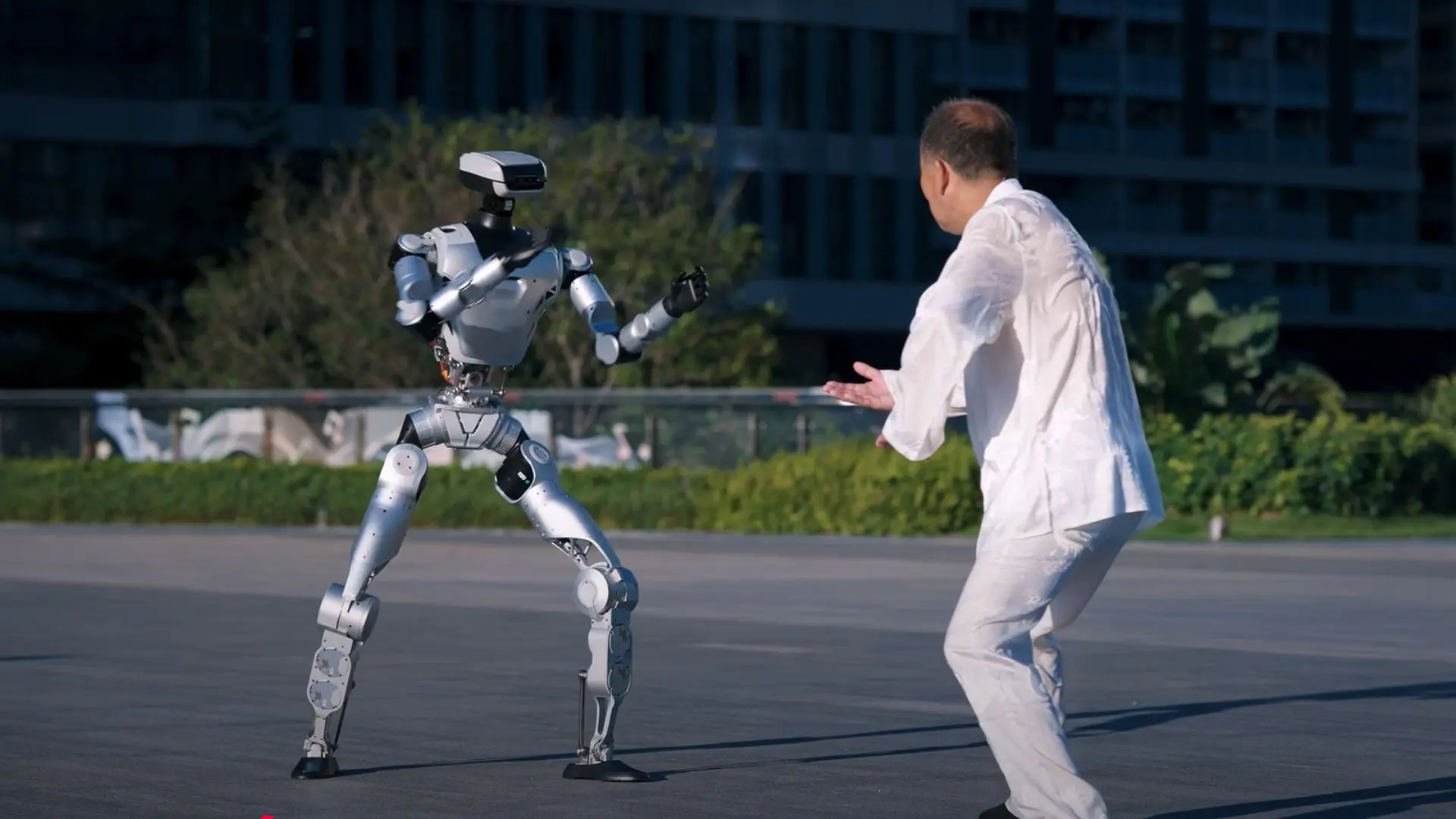
For decades, the image of a robot in a warehouse conjured up visions of simple conveyor belts, forklift‑like machines, and automated carts gliding smoothly across flat floors. But now — right at the crossroads of AI, robotics, perception, and labor economics — a bold new contender has entered the arena: humanoid robots. Machines that look like people, walk like people, and are actually beginning to step onto real warehouse floors.
But are they truly ready for the gritty, rhythmic, and chaotic reality of warehouse logistics — or is this still just hype, demonstrations, and flashy YouTube videos?
That’s the question this article will explore. We’ll start with how this technology evolved, unpack real deployments and pilot programs happening today, analyze the strengths and limitations of humanoid robots in warehouses, and conclude with a realistic prognosis for the years ahead.
Part 1: From Lab Prototypes to Operational Pilots
1.1 Humanoids: What Exactly Are They?
A humanoid robot is a machine engineered to resemble human form, typically featuring two legs, two arms, a torso, and sensors for vision and perception. Unlike traditional industrial robots (e.g., robotic arms bolted to the floor or wheeled autonomous mobile robots), humanoids are designed to operate in human‑centric environments — places not originally built for robots, like warehouses with stairs, shelves, carts, and unpredictable obstacles.
In the early 2020s, humanoid robots were mostly research curiosities, capturing public attention by dancing, doing parkour, or impressing onstage robotic demonstrations. Their real intended purpose, however, has always been practical: perform jobs that are physically demanding, repetitive, or dangerous for humans.
1.2 Breaking Out of the Lab
Only recently has the solid‑state transition from lab prototypes to real world pilot programs begun — particularly in warehouses:
- Logistics companies like GXO Logistics have been trialing humanoid robots such as “Digit,” showcasing real tasks like moving bins in an operational facility.
- Industry reports note that humanoid robots are being deployed outside controlled labs to tackle jobs many workers prefer not to do, such as physically intensive and repetitive tasks.
- IDTechEx forecasts actual warehouse and industrial use cases expanding significantly around 2026–2027, suggesting that the transition to real environments is underway.
Perhaps most strikingly, according to some logistics analysis, robots like Agility Robotics’ Digit have moved tens of thousands of tote units during live warehouse operations, not just demos — indicating that humanoid deployment is quietly underway.
1.3 The Current State of Deployment
Despite the buzz, real deployments remain modest. Gartner predicts that fewer than 100 companies will progress their humanoid robotics beyond experimentation in manufacturing and supply chains by 2028, with only about 20 scaling humanoids to production‑ready systems.
And this caution reflects a broader truth: most warehouses today still rely on traditional automation — conveyer systems, AGVs, AMRs, and static automation that handles pallets and repetitive tasks far more efficiently than a humanoid robot can. This is why warehouses designed entirely for robots rarely — if ever — deploy humanoids at scale.
Part 2: Why Warehouses Are a Hard Problem
2.1 Chaos vs. Order
One of the most enduring myths of robotics is that work environments — warehouses — are structured and predictable. Reality tells a different story.
Most warehouses are chaotic:
- pallets are stacked unevenly,
- items come in all shapes and sizes,
- human workers frequently change configuration,
- and environmental factors (e.g., spilled products, seasonal congestion) disrupt patterns.
Traditional automation deals with chaos by limiting it — conveyor lanes, shelving zones, AGVs that follow fixed pathways. But humanoid robots are being designed to handle complexity itself, requiring a suite of advanced technologies:
- AI and machine learning to recognize and adapt to objects,
- perception sensors to understand the layout,
- balance and locomotion systems to walk and avoid falling,
- dexterous manipulators to grip varying items.

That’s a tall order.
2.2 The Dexterity Challenge
Humanoid robots are fundamentally complicated because they have many degrees of freedom — more moving parts than traditional robots. This gives them the potential for flexibility, but also makes reliable real‑world performance vastly harder to achieve.
Consider how easy it is for a human to:
- grip an oddly shaped box,
- squeeze down a narrow aisle,
- twist and turn in tight spaces,
- or quickly adjust posture to balance.
These are tasks still very difficult for machines. And while modern humanoids incorporate advanced sensors, AI, and dynamic balance algorithms, their real‑world performance is still far below human capabilities. Some reports suggest robots currently operate at a fraction of human efficiency — often around 30–50% of a human worker’s pace in general tasks like stacking, sorting, and quality control.
Part 3: The Strengths and Weaknesses of Humanoid Robots
3.1 Strengths: Why Robotics Companies Are Betting on Humanoids
Despite the hurdles, there are compelling reasons logistics and industrial firms are investing heavily in humanoids:
a) Human‑Friendly Design
Warehouses were built for humans. Shelves, ladders, doorways, tool grips — all are designed to accommodate human form. A humanoid robot can theoretically operate these environments without costly retrofitting.
This stands in contrast to fixed automation, which often requires redesigning warehouse layouts.
b) Flexibility Across Tasks
Most traditional robots are good at only a narrow set of tasks — automated arms excel at repetitive motions but can’t walk, and wheeled robots are great at floor transport but can’t open doors or navigate stairs.
Humanoids, by design, offer versatility that could eventually handle a wide range of tasks, making them attractive for operations that vary between order fulfillment, inventory moves, and quality control.
c) Scalability Over Time
As AI improves, the same base humanoid robot can be reprogrammed for new tasks — potentially increasing productivity without physically redesigning equipment. This appeals to large multi‑site logistics chains wanting a unified robotic fleet.
3.2 Weaknesses: Why Humanoids Still Have a Long Road Ahead
Despite these strengths, humanoids currently face multiple serious challenges:
a) Power and Battery Life
Most state‑of‑the‑art humanoids can operate only a few hours before needing to recharge — a stark contrast to many industrial wheeled robots that can operate continuously with fast docking.
b) Stability in Open Environments
Bipedal locomotion remains inherently less stable than wheeled or tracked robots. Even with advanced balance and AI, falling over remains a task‑stopping event — especially dangerous in a busy warehouse full of people and fragile goods.
c) Cost Considerations
Humanoids are expensive. While prices are dropping — some models are expected to approach $20,000 in the near future — most are still far more costly than standard automated solutions when considering purchase, maintenance, training, and infrastructure.
d) Complexity vs. Reliability
With all their sensors, motors, and AI, humanoids are more complex than purpose‑built machines. More complexity often means more potential points of failure. Reliability in a 24/7 logistics setting isn’t a fancy demo — it’s a business imperative, and humanoids are not yet at that level.
Part 4: What Real Warehouse Roles Could Humanoids Fill?
If humanoids become viable, the first real‑world tasks they could handle are likely to be specific, well‑bounded roles rather than complete autonomy:
4.1 Moving Heavy Bins
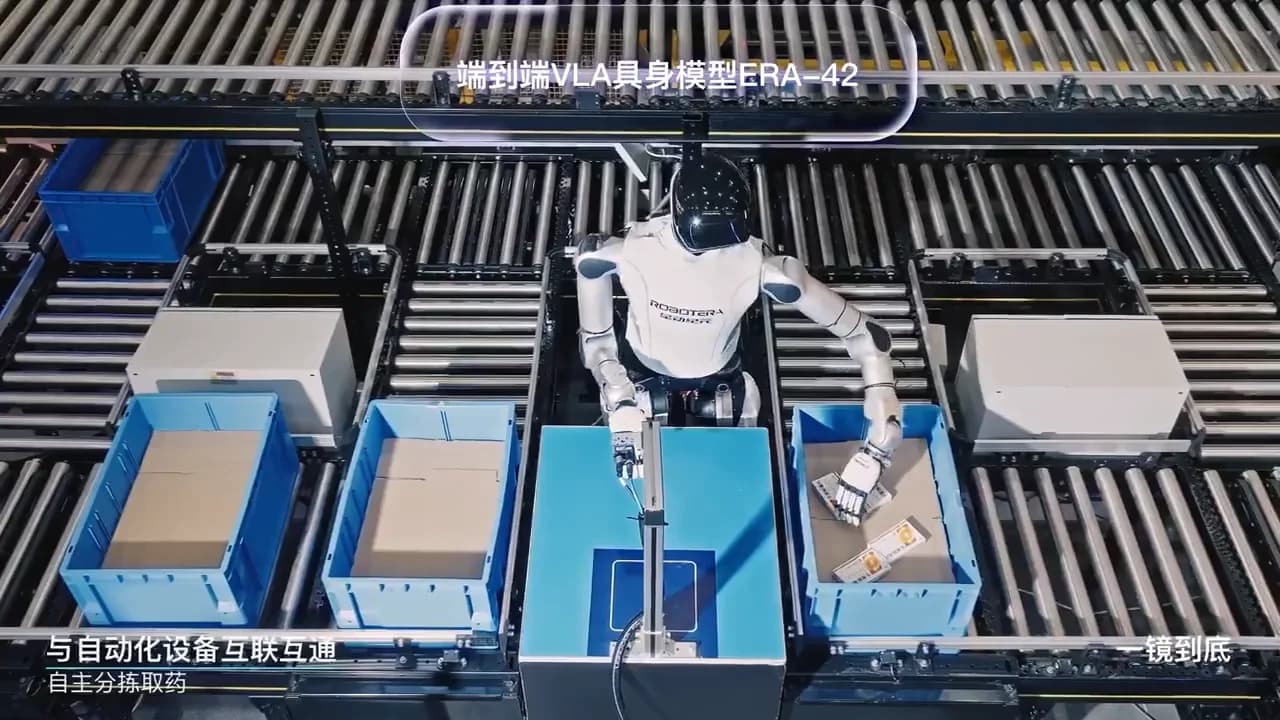
Robots like Digit have already been deployed to move bins of goods between workstations. This task doesn’t require advanced dexterity, but does require navigation and reliable balance — a sweet spot for present‑day humanoids.
4.2 Picking and Placing
Sorting and picking random items remains difficult, but advancements in AI vision and machine learning could push this forward. Some real‑world robots have started picking and placing items within trained environments — a sign that this could be one of the first scalable applications.
4.3 Collaborative Work With Humans
In the near term, humanoids are more likely to work alongside humans, assisting rather than replacing them. For instance, with standardized carts or connectors, humanoids might tow a pallet or pack repetitive components while humans handle exceptions.
Part 5: The Human and Economic Angle
5.1 Labor Market Implications
It’s tempting to spin a dystopian narrative of robots taking jobs, and this concern has already surfaced even with limited humanoid pilots. For example, some labor unions have cautioned against deploying humanoid robots without careful planning due to job displacement worries.
But the real picture is more nuanced:
- Robots won’t suddenly replace all warehouse staff. Adoption is gradual.
- Many warehouses still operate with limited automation.
- Humanoids won’t replace human judgment, creativity, and non‑routine problem solving any time soon.
Economic forces may instead transform warehouse labor — shifting workers into roles that require supervision, robotics maintenance, quality assurance, and more skilled positions.
5.2 Management and Trust
Deploying humanoids at scale will require trust and safety guarantees. Workers must trust that robots won’t harm them; managers must be confident in uptime and ROI.
Safety standards for humanoids — distinct from traditional robots — are currently in development, including new ideas around interaction safety in shared human‑robot workspaces.
Part 6: When Will Humanoids Truly Be Ready?
Predicting timelines in robotics is notoriously difficult — especially with AI and hardware rapidly evolving. But based on current research and industry analysis:
- 2025–2027: Continued pilot deployments in select warehouses and factories. Humanoids will be tested side‑by‑side with humans performing narrow tasks.
- 2028–2030: Potential early commercial production rollouts for specific tasks, especially in environments originally built for humans (like OEM factories and certain warehouse niches).
- 2030 and beyond: A more mature presence in logistics and supply chains as reliability, cost, and integration challenges are progressively solved.
Tesla’s Optimus and similar systems are also expected to enter the commercial marketplace in the latter half of this decade, demonstrating that the industry is committed to humanoids as a long‑term evolution of automation.
Conclusion: Are Humanoid Robots Ready for Real Warehouse Work?
Yes — and no.
The era of pure demonstrations is over. Humanoid robots are actively working in warehouse settings, executing tasks like bin movement, navigation, and repetitive actions alongside humans. That’s a major milestone that would have sounded like science fiction just a few years ago.
However, they are not yet universally ready to replace humans across all warehouse functions at scale. Major technical, economic, and operational challenges remain — including battery life, stability, dexterity, cost‑effectiveness, and the ability to operate in high‑speed, dynamic environments without extensive human supervision.
In short:
📌 Humanoids are ready for targeted roles and pilot deployments.
📌 They are not yet ready for wholesale replacement of human workers.
📌 But the march toward practical use is real, accelerating, and irreversible.
The warehouses of the future won’t look like a Terminator movie, nor will they resemble today’s pallet‑only automation. Instead, a hybrid ecosystem of humans, specialized robots, autonomous systems, and intelligent software will define 21st‑century logistics — and humanoid robots will be an exciting, growing part of that mix.