








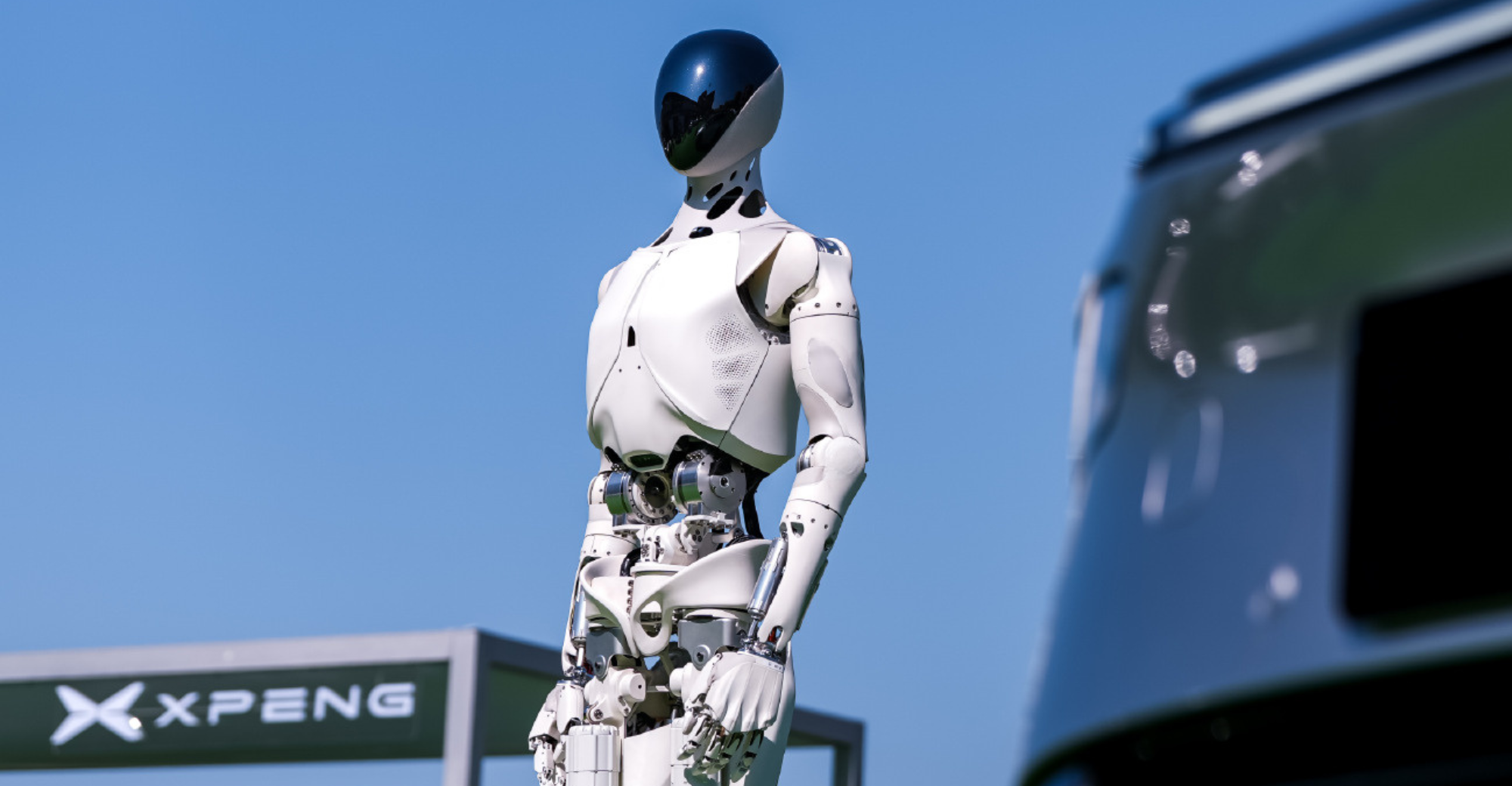

Introduction: A New Kind of Observer Enters the Home
In the age of smartphones and smart devices, concerns about privacy and surveillance are already widespread. However, the arrival of humanoid robots introduces a fundamentally new dimension to this issue.
Unlike static devices such as cameras or speakers, humanoid robots are mobile, interactive, and deeply integrated into personal spaces. They can move through homes, observe environments, and engage with users in real time.
As companies like Tesla and Amazon expand their investments in AI and robotics, the question becomes increasingly urgent:
What happens when the machines designed to help us also have the capacity to watch us?
The Unique Nature of Humanoid Robot Surveillance
Always Present, Always Active
Humanoid robots differ from traditional surveillance systems in one critical way—they are always present.
They can:
- Follow users across different rooms
- Continuously collect visual and audio data
- Observe behaviors over time
This creates a level of monitoring far beyond existing technologies.
Embedded in Intimate Spaces
Robots operate in environments that are deeply personal:
- Homes
- Bedrooms
- Care facilities
This raises concerns about intrusion into private life.
What Data Do Humanoid Robots Collect?
Visual Data
Cameras capture:
- Facial expressions
- Activities
- Living environments
Audio Data
Microphones record:
- Conversations
- Background sounds
- Voice commands
Behavioral Data
Robots can track:
- Daily routines
- Habits
- Preferences
Biometric and Emotional Data
Advanced systems may analyze:
- Facial recognition
- Emotional states
- Health indicators
The Benefits of Data Collection
Improved Functionality
Data allows robots to:
- Adapt to user needs
- Provide personalized services
- Improve performance
Safety and Monitoring
In some contexts, such as elderly care, monitoring can enhance safety by:
- Detecting falls
- Identifying emergencies
- Providing alerts
The Risks of Surveillance
Loss of Privacy
Continuous data collection may erode personal privacy.
Users may feel:
- Constantly observed
- Unable to relax
- Restricted in behavior
Data Misuse
Collected data could be:
- Sold to third parties
- Used for targeted advertising
- Exploited for surveillance
Security Vulnerabilities
Robots connected to the internet are potential targets for:
- Hacking
- Data breaches
- Unauthorized control
Corporate Control and Power
Who Owns the Data?
A central issue is data ownership.
Questions include:
- Does the user own the data?
- Does the company control it?
- How is it stored and used?
Monetization of Personal Data
Companies may use data to generate revenue, raising ethical concerns.
Government Surveillance Concerns
Potential for State Monitoring
Governments could potentially use humanoid robots for:
- Surveillance
- Data collection
- Social control
Regulatory Gaps
Existing laws may not adequately address the capabilities of humanoid robots.
Ethical Considerations
Informed Consent
Users must understand what data is being collected and how it is used.
Transparency
Companies should be transparent about:
- Data practices
- AI decision-making
- System capabilities
Boundaries
Clear limits must be established to protect user privacy.
Psychological Impact
Behavioral Changes
Knowing they are being observed, users may:
- Modify behavior
- Feel less free
- Experience stress
Trust Issues
Trust in technology may decline if privacy concerns are not addressed.
Technical Solutions
On-Device Processing
Processing data locally reduces the need to transmit sensitive information.
Data Minimization
Collecting only necessary data can reduce risk.
Encryption and Security
Strong security measures are essential.
Regulatory and Policy Responses
Data Protection Laws
Governments are developing regulations to protect user data.
Industry Standards
Standards may be established to ensure ethical data practices.
Compliance and Enforcement
Ensuring adherence to regulations is critical.
The Future of Privacy in Robotics
Balancing Innovation and Protection
Society must balance the benefits of robotics with the need for privacy.
User Control
Future systems may give users more control over their data.
Trust as a Competitive Advantage
Companies that prioritize privacy may gain user trust.
Conclusion: Convenience vs. Control
Humanoid robots offer unprecedented convenience and capability—but they also introduce unprecedented risks.
The integration of these machines into daily life forces society to confront a fundamental trade-off:
How much privacy are we willing to give up for convenience?
As humanoid robots become more common, the answer to this question will shape not only the future of technology—but the nature of personal freedom itself.
Discussion about this post