








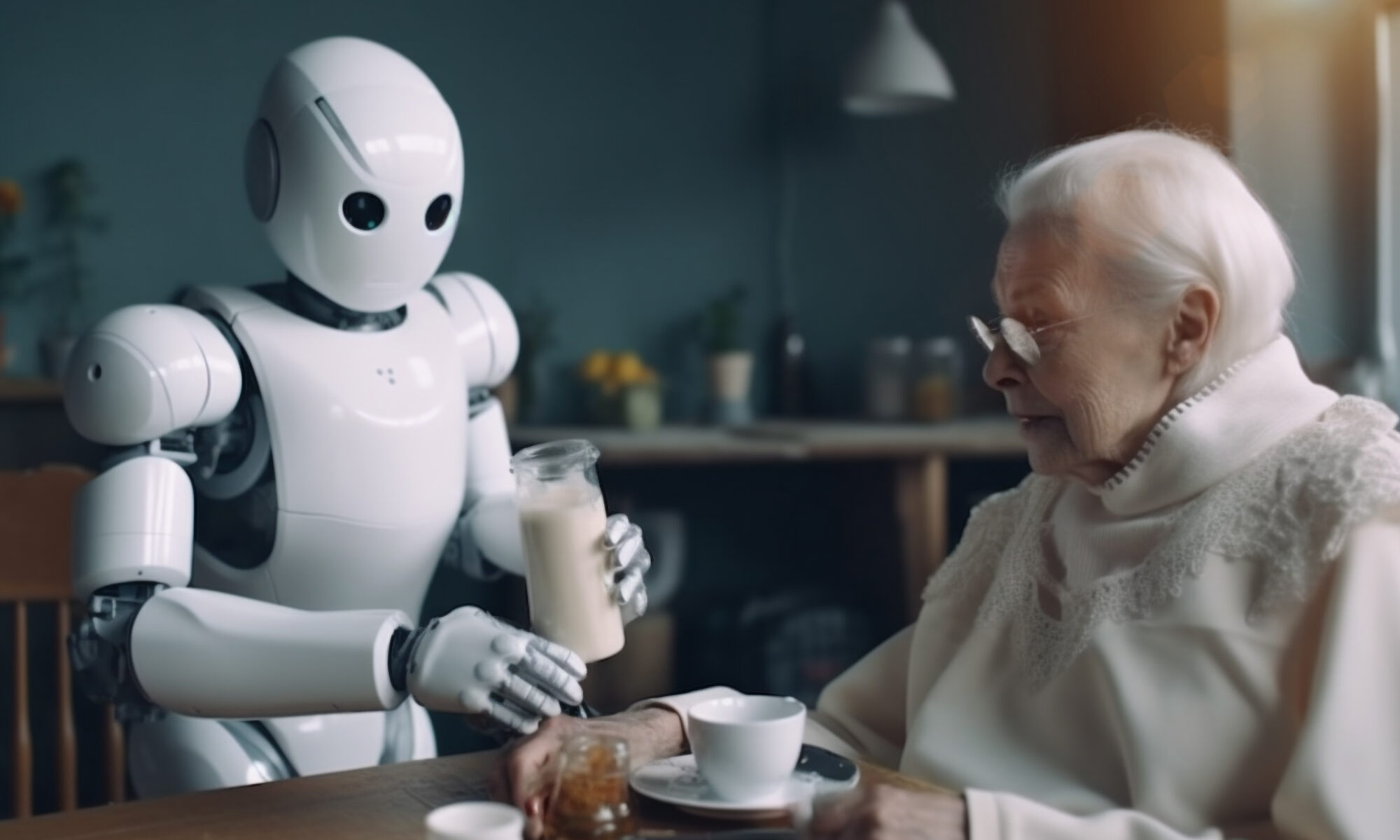

Exploring the emotional, ethical, technological and social landscape of robotic caregiving in modern homes.
Introduction: A New Frontier in Caregiving
Imagine a future where an elderly parent’s caregiver doesn’t sleep, doesn’t lose patience, and works tirelessly to support daily life — yet isn’t human at all. That future is no longer confined to science fiction; it’s fast becoming a real-world question as care robots and AI-driven assistants edge into family homes across the globe. But one central question remains: will families trust robot caregivers? This article explores that question from every angle — practical, ethical, emotional, and technological — striking a balance between the hopeful and the cautious.
1. The Care Crisis Driving Robot Adoption
Global demographics are shifting dramatically. Many industrialized nations are experiencing rapid aging populations, outpacing the growth of traditional family caregivers and professional care workers. Japan, for instance, faces a projected shortage of more than 570,000 human care workers by 2040, according to recent research.
Against this backdrop, robots are being designed to supplement — and in some cases replace — human caregiving functions, from daily living support to companionship and monitoring.
Yet, supply and demand alone don’t determine trust. Families care deeply about safety, privacy, and emotional connection, not just efficiency.
2. What “Trust” Means in the Context of Robot Care
When we talk about “trusting” a robot caregiver, we are addressing multiple types of trust simultaneously:
- Functional Trust: Confidence in the robot’s ability to perform daily tasks.
- Safety Trust: Belief that the robot will not cause harm physically or psychologically.
- Procedural Trust: Confidence in how data is collected and used.
- Emotional Trust: Comfort with the robot as a social participant in the home.
Academic research splits trust into levels — rational, motivational, and intimate. Robots may fulfill rational trust (they can complete tasks) but fall short when it comes to intimate, deeply personal caregiving bonds.
Put simply: robot caregivers can be seen as reliable tools, but whether they can fully replace human emotional trust remains deeply contested.
3. Families Are Open — With Conditions
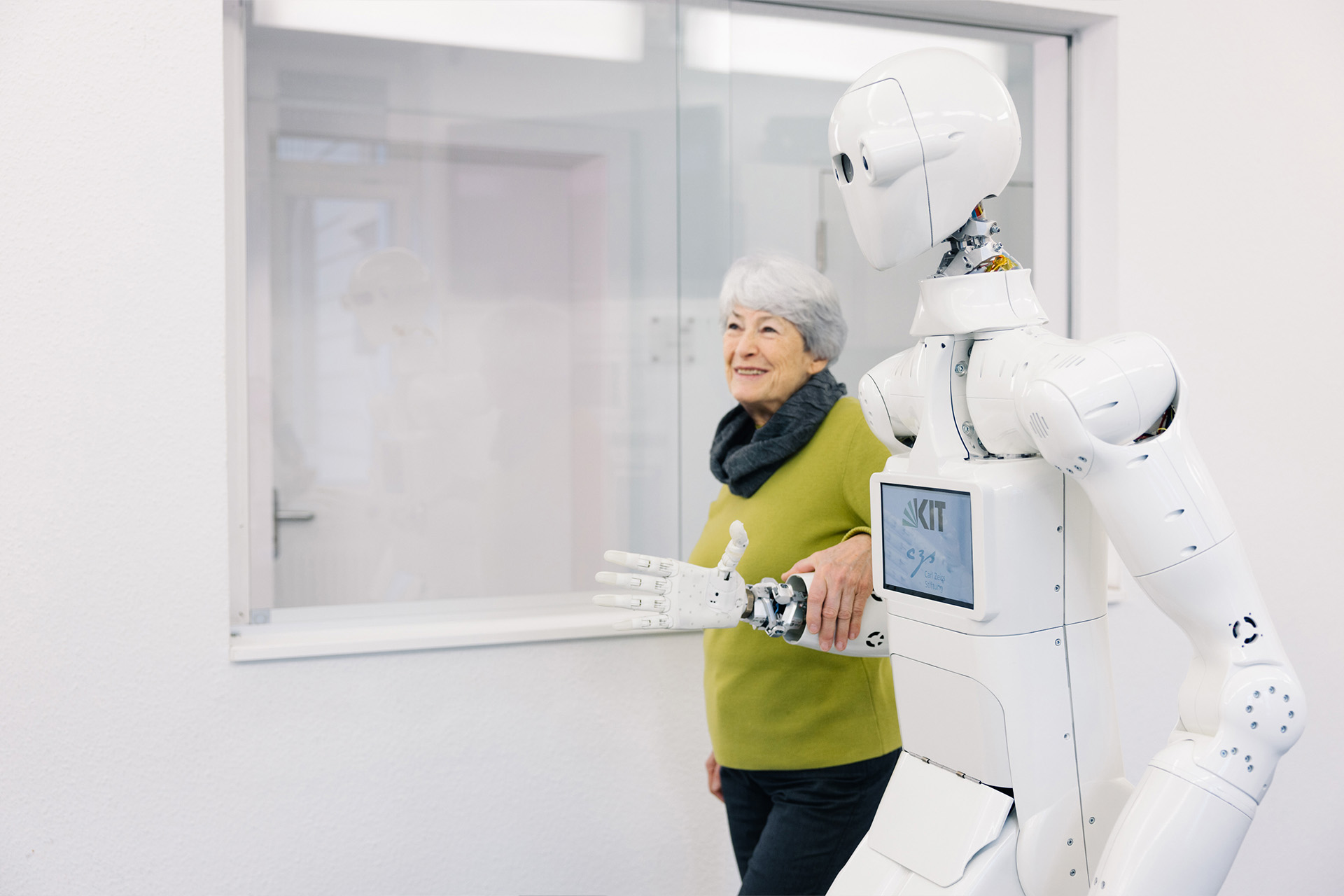
Large-scale surveys show a significant portion of people — including older adults and their families — are open to home-care robots as long as concerns about privacy and safety are addressed. Acceptance rises when the technologies are designed with ethical considerations and when users have a say in development.
Key conditions that affect trust include:
- Perceived Benefit: Will the robot actually make life easier?
- Data Transparency: How is personal information collected and shared?
- Ease of Use: Is the robot intuitive and accessible?
- Safety Track Record: How well does the robot handle accidents or malfunction?
Interestingly, familiarity also matters: people who follow robotics news or have prior experience with technology tend to report higher trust.
4. Emotional Trust: The Hardest Obstacle
Families don’t just need help with tasks — they seek reassurance, dignity, and connection. Emotional trust isn’t simply like trusting a car to start or an app to remind you of a medicine schedule.
Studies on human-robot interaction show that perceived sociability and friendliness can enhance trust levels — robots that make eye contact, understand cues, and respond empathetically are more likely to be trusted with daily living support.
Yet, ethical critiques warn that robots can never truly substitute for human emotional depth. Critics argue that robots lack genuine empathy and may even lead to emotional isolation if over-relied upon.
Familial trust in caregiving isn’t just about utility — it’s about being emotionally present. And on that front, robotics still has limits.
5. Cultural and Individual Differences in Trust
Not all societies view robot caregivers the same way:
- In countries like Japan, where robotics have long been present in culture and industry, acceptance levels tend to be higher.
- In parts of Europe, families express more hesitance, often tied to cultural perceptions of personal care and human touch.
Even within families, attitudes differ by age and gender. Some studies suggest that younger adults and those more technologically engaged express greater openness to robot care compared to older adults who may feel less comfortable with high-tech solutions.
6. Robots Complement, Not Replace, Human Care
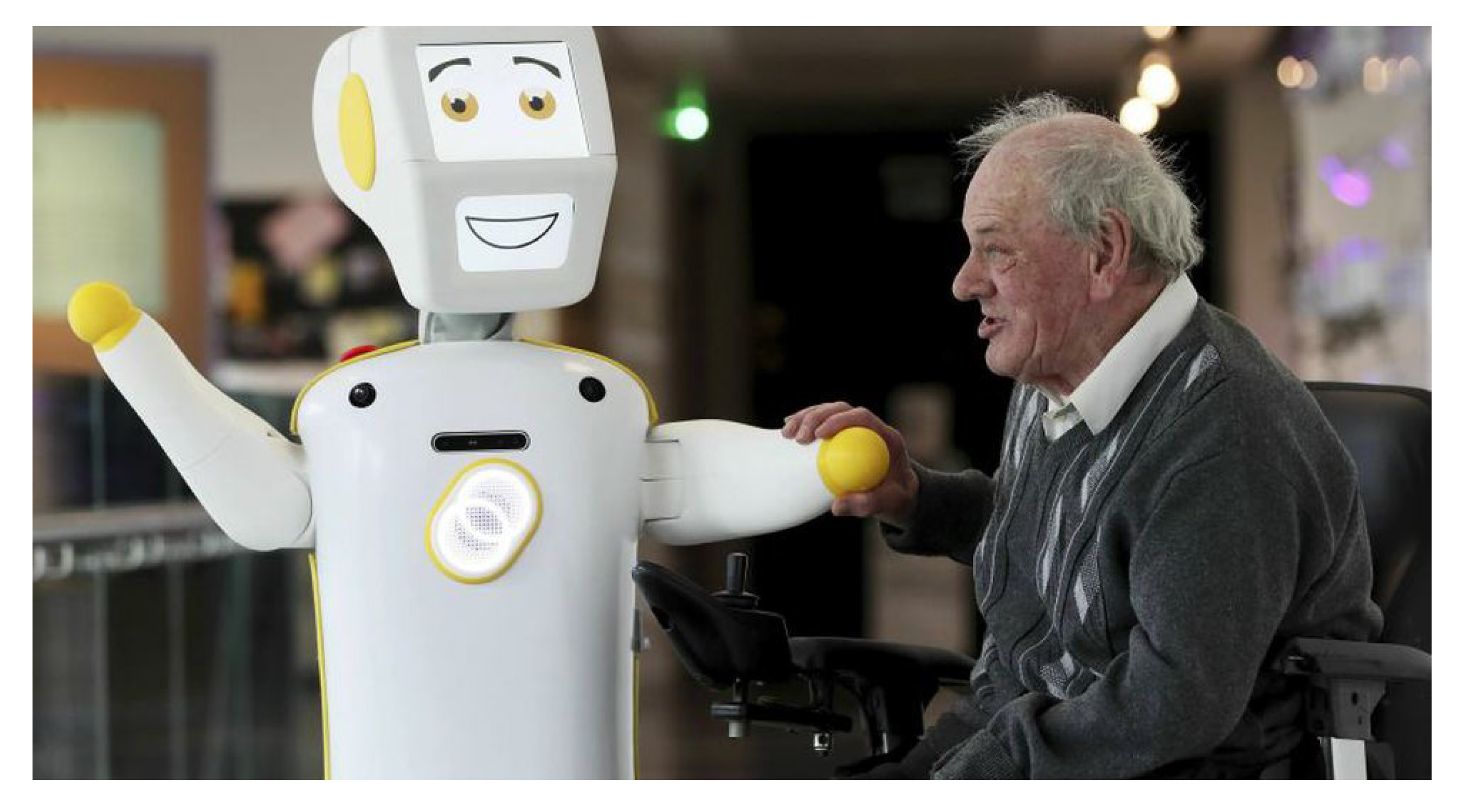
One consistent theme across research is that families don’t necessarily want robots to replace human interaction — they want robots to enhance it.
For example:
- Telepresence robots allow distant family members to “visit” via video while the physical caregiver attends in person — easing emotional distance without replacing it.
- Robots that assist with lifting, mobility, and daily living tasks give families peace of mind and prevent caregiver burnout.
- Robots that monitor safety (like fall detection) can reassure loved ones even when they aren’t physically present.
In essence: robots can alleviate burdens, not emotions. When families see robots as trusted aides rather than replacements, trust grows.
7. Ethical and Privacy Concerns That Influence Trust
Trust in robot caregivers isn’t just emotional — it’s ethical. Robots collect data: health metrics, personal routines, movement patterns, and sometimes even audio or visual information. How this data is handled can make or break trust.
Privacy advocates warn that poor data governance could expose sensitive details to developers or insurers, undermining both trust and dignity.
Moreover, there’s an ethical debate around deception — for example, robots designed with overly humanoid features might create false impressions of empathy or understanding, potentially misleading vulnerable users. Critics call for transparency around what robots can and cannot do.
Responsible caregiving robots must balance:
- Safety standards
- Data protections
- Clear limitations
- User autonomy
Only then can families begin to trust these machines on more than a functional level.
8. The Future: Technology, Trust, and Care
So what does tomorrow hold?
Advances in soft robotics — robots designed with gentle, adaptive materials — are already improving perceived safety and acceptance in intimate caregiving tasks. These innovations suggest that trust can be cultivated through experience and comfort, not just policy.
Robots that behave predictably, respect privacy, and align with family values will be more readily accepted. And as design improves, we may see robots with more natural interactions that feel less like machines and more like extensions of care.
However, families will always value human presence — laughter at the dinner table, a reassuring hand on a shoulder, or a story shared before bedtime — things robots cannot authentically replicate. That fundamental truth shapes the boundaries of trust in caregiving robots.
Conclusion
So, will robot caregivers be trusted by families? The answer is yes — with clear caveats.
Families are open to trusting robot caregivers if:
- safety and privacy are robustly protected
- robots are designed with sociability and usability in mind
- emotional and ethical boundaries are respected
- robot roles are framed as supportive helpers, not human substitutes
In other words, robot caregivers can earn trust — but that trust isn’t automatic, and it isn’t the same as trusting another human.
Instead, families will place layered trust in these machines: functional, procedural, and conditional — but always with a cautious eye toward what makes caregiving fundamentally human.