








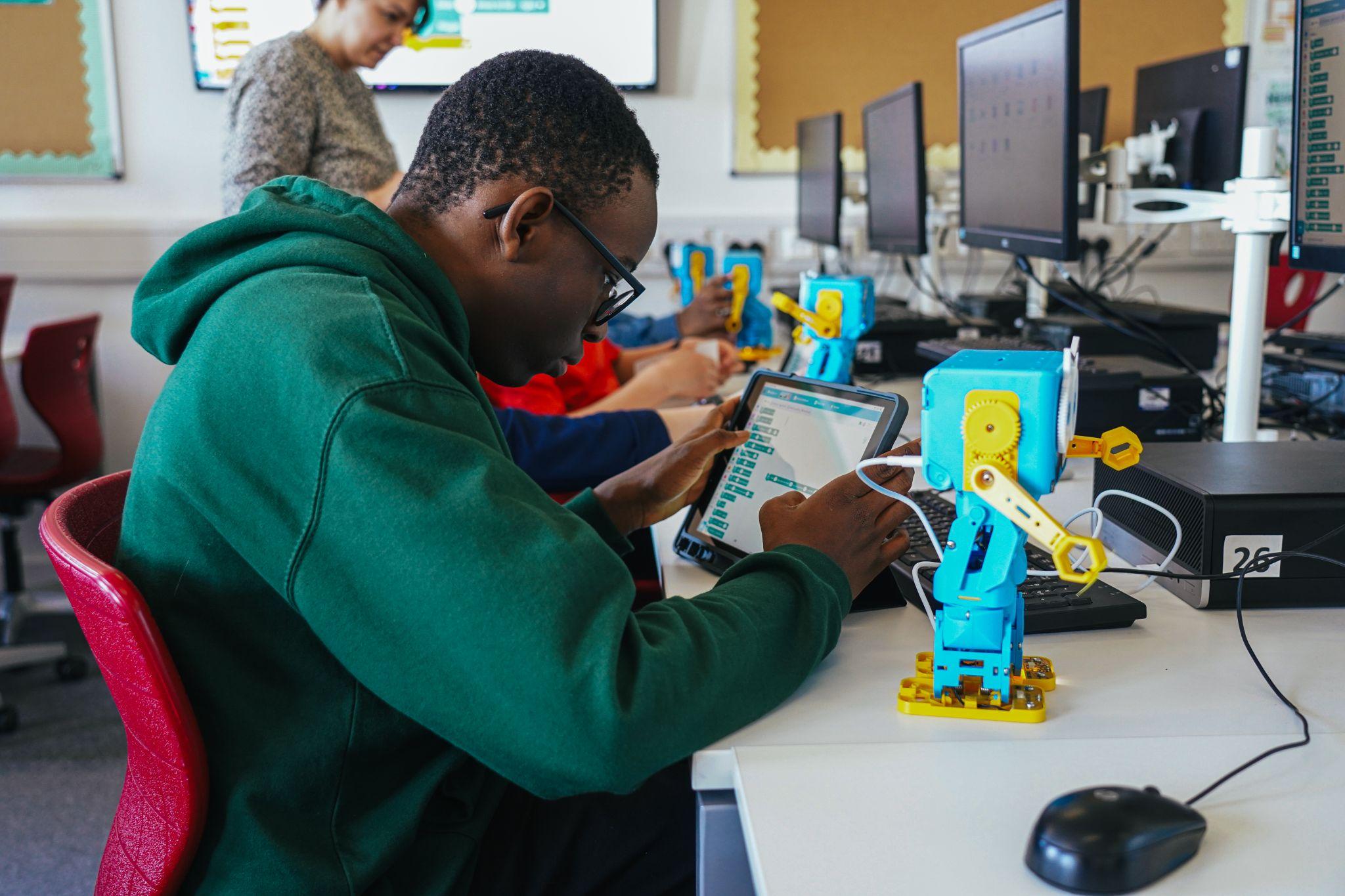

In an age where technology is evolving at a breakneck pace, the introduction of robots in critical sectors such as education and healthcare seems both inevitable and exciting. Imagine a classroom where robotic assistants help students with learning difficulties, or a hospital where surgical robots perform complex operations with precision and efficiency. These scenarios may sound like something from a science fiction novel, but the reality is that robots are already beginning to play significant roles in both schools and hospitals. However, as with any technological advancement, the question arises: are we truly prepared for robots in these environments?
In this article, we will explore the potential benefits, challenges, and ethical considerations surrounding the integration of robots into schools and hospitals, and how society, institutions, and policymakers can best prepare for this robotic revolution.
The Role of Robots in Schools
The idea of robots in schools has long been a topic of discussion, particularly with the rise of artificial intelligence (AI) and automation. From enhancing personalized learning to aiding in administrative tasks, robots hold great promise in the educational sector. But what does that actually look like in practice?
Personalized Learning with AI-powered Robots
Personalized learning is one of the most promising applications for robots in schools. Traditional classroom settings often face challenges in catering to the individual needs of students. With class sizes growing and teachers juggling a multitude of responsibilities, it’s difficult to give each student the personalized attention they need. Enter AI-powered robots.
These robots, equipped with machine learning algorithms, can assess a student’s strengths, weaknesses, and learning styles. They can then adapt lessons and content to match the individual needs of each student. For example, a robot could detect that a student is struggling with reading comprehension and provide them with tailored exercises, interactive games, or even one-on-one tutoring. By using robots in this capacity, educators can create a more inclusive and effective learning environment.
Robots as Teaching Assistants
In addition to supporting individualized learning, robots can also serve as teaching assistants. Robots are already being used in some classrooms to help with simple tasks like taking attendance, grading assignments, or even helping students with basic administrative work. These robots can free up teachers to focus on more important aspects of their job, such as lesson planning, student interaction, and fostering a positive learning environment.
Moreover, robots can be particularly helpful for students with disabilities. Robots can be equipped with features like speech recognition and language processing capabilities, allowing them to assist students with physical or learning disabilities. For instance, a robot might help a student with a visual impairment read aloud, or assist a student with autism in socializing and interacting with their peers.
Challenges and Concerns in Schools
Despite the potential benefits, the idea of robots in schools also raises several concerns. The most pressing of these is the impact on teachers and students. Will robots replace human educators, or will they simply augment their abilities? There is a fear that widespread adoption of robots could lead to job displacement for teachers and administrative staff. While robots may be able to handle some tasks, human teachers bring emotional intelligence, empathy, and creativity to the classroom—qualities that robots cannot replicate.
Another concern is the ethical implications of using robots to teach or assist students. With robots collecting vast amounts of data on student performance and behavior, issues surrounding privacy and data security become more pressing. Who owns this data? How is it protected? And how transparent are these AI systems in terms of decision-making? The transparency of AI algorithms in educational settings is essential to ensure fairness and prevent bias in teaching methods.
Lastly, there is the issue of social interaction. Schools are not just places for academic learning—they are environments where students develop social skills, emotional intelligence, and interpersonal relationships. Could the integration of robots into classrooms lead to social isolation or hinder emotional development? These are important questions that must be considered before robots become a staple in schools.
The Role of Robots in Hospitals
While robots in schools may seem like a futuristic concept, the use of robots in hospitals is already a reality. From robotic surgical assistants to AI-powered diagnostic tools, robots are transforming healthcare in ways that were once unimaginable.
Robotic Surgery: Precision and Efficiency
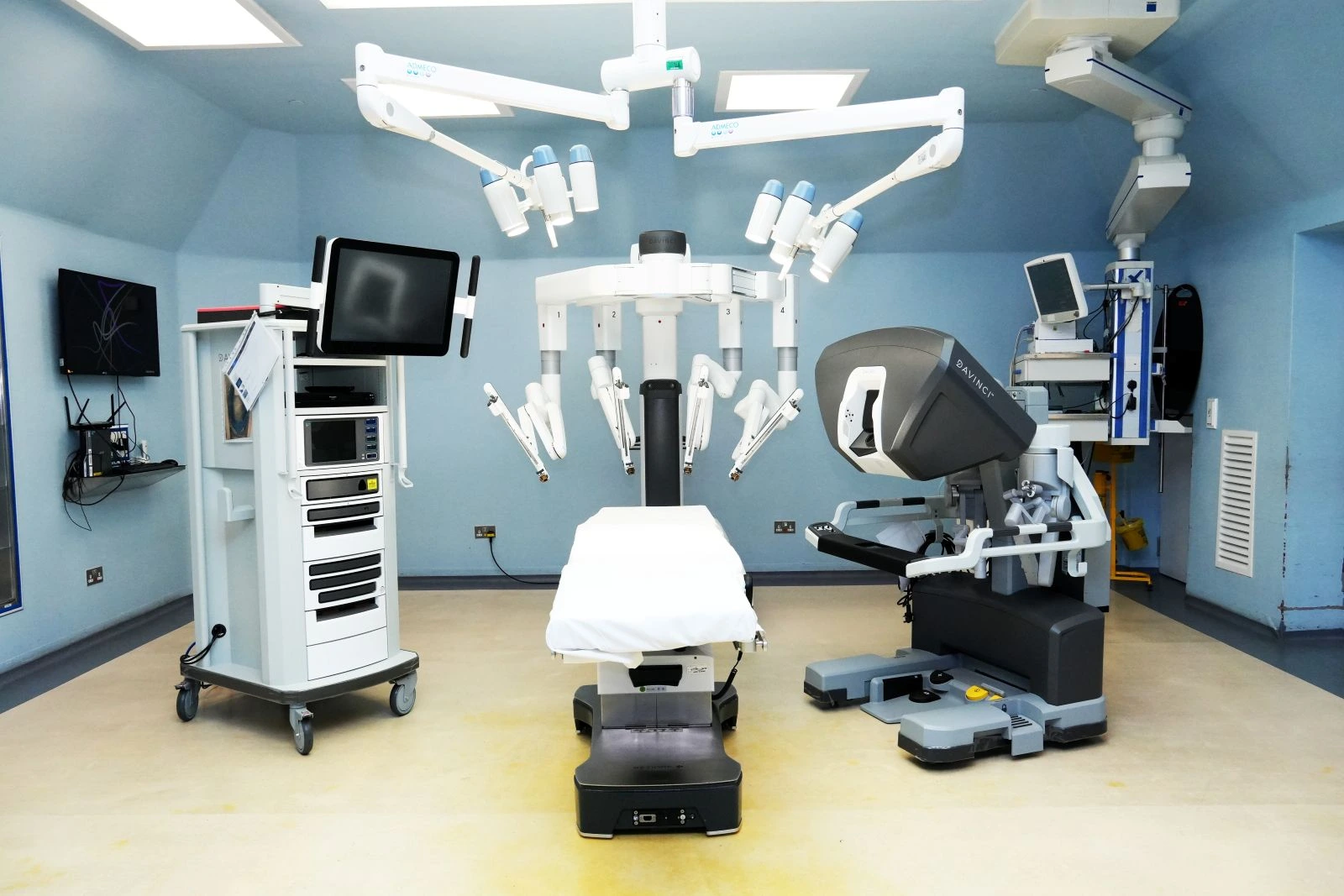
One of the most prominent examples of robotics in healthcare is robotic surgery. Robotic systems like the da Vinci Surgical System have already revolutionized how surgeries are performed. These robots enable surgeons to perform minimally invasive procedures with unparalleled precision, leading to quicker recovery times, fewer complications, and less scarring for patients.
For example, in prostate cancer surgery, robotic systems allow surgeons to operate with greater dexterity and control, significantly improving outcomes. The ability of robots to perform delicate surgeries with enhanced accuracy is particularly beneficial in fields like neurosurgery and cardiac surgery, where even the slightest mistake can be catastrophic.
Robots as Caregivers and Assistants
Robots are also being employed as caregivers, particularly for elderly patients. In a world where the elderly population is growing, and healthcare workers are in short supply, robots could serve as much-needed assistants in providing basic care. Robots like Paro, a therapeutic robot designed to resemble a baby seal, have been shown to improve the emotional well-being of elderly patients, particularly those with dementia.
Moreover, robots can assist with physical tasks such as lifting patients, delivering medication, or monitoring vital signs. These robots can help reduce the physical strain on healthcare workers, allowing them to focus on more complex medical tasks while ensuring that patients receive the care they need.
AI in Diagnostics and Patient Monitoring

AI-powered robots are also being used to assist in diagnosing medical conditions. By analyzing medical data, such as images from CT scans or MRIs, AI algorithms can detect patterns and anomalies that may be overlooked by human doctors. These robots can offer second opinions or assist in making more accurate diagnoses, leading to faster and more effective treatments.
Additionally, robots are being employed to monitor patients’ vital signs in real-time. Wearable robots, for instance, can alert healthcare professionals to changes in a patient’s condition before it becomes critical, allowing for earlier interventions.
Challenges and Concerns in Healthcare
While the potential of robots in healthcare is immense, there are several challenges that need to be addressed. One of the most significant concerns is the reliability of robots. Surgical robots, while incredibly precise, are not infallible. What happens if a robot malfunctions during a surgery? Can a robot make life-or-death decisions in the case of an emergency? These are questions that need to be answered before robots can be fully integrated into healthcare systems.
Furthermore, the issue of patient trust is crucial. Patients may be hesitant to accept robotic-assisted surgeries or AI-driven diagnostics due to concerns about safety, accuracy, and ethical considerations. Hospitals and healthcare providers must work to build trust with patients by being transparent about how robots are used and ensuring that human oversight is always present.
Lastly, the question of robotic ethics in healthcare needs to be addressed. For instance, should robots have the ability to make decisions about patient care without human intervention? How do we ensure that robots are making ethical decisions, particularly in end-of-life care or in situations where patients cannot provide consent? These are difficult but important questions that need to be explored as we move toward a future where robots play an integral role in healthcare.
Preparing for Robots in Schools and Hospitals
As robots begin to take on more responsibilities in schools and hospitals, it is essential that we prepare for this change thoughtfully and responsibly. Several key steps can be taken to ensure that robots are integrated into these environments in a way that benefits both individuals and society as a whole.
- Education and Training: Teachers, healthcare workers, and administrators must be educated about the capabilities and limitations of robots. This will allow them to effectively use robots in their work while understanding the potential risks.
- Ethical Guidelines: Clear ethical guidelines must be established to ensure that robots are used responsibly. This includes issues such as data privacy, decision-making transparency, and ensuring that robots do not replace human workers but rather augment their capabilities.
- Public Engagement: Society must engage in discussions about the ethical implications of robots in education and healthcare. Public forums, consultations, and debates can help ensure that the deployment of robots aligns with societal values and priorities.
- Robust Regulation: Governments and regulatory bodies must create regulations that govern the use of robots in schools and hospitals. These regulations should address issues like safety standards, liability, and data privacy.
- Human Oversight: Even as robots become more sophisticated, human oversight will remain essential. In both education and healthcare, robots should serve as tools to enhance human capabilities, not replace them.
Conclusion
The integration of robots into schools and hospitals offers immense potential to transform education and healthcare. By enhancing personalized learning, assisting in complex surgeries, and supporting caregiving, robots have the ability to improve outcomes and efficiency in both sectors. However, the introduction of robots must be approached with caution. Ethical considerations, privacy concerns, and the impact on human workers must all be carefully examined to ensure that robots are used in ways that benefit society as a whole.
As we move into a future where robots are increasingly present in our schools and hospitals, the key to success will be in preparing both institutions and individuals for this change. Through education, ethical guidelines, and thoughtful regulation, we can ensure that the robotic revolution is one that serves the common good and enhances human well-being.