








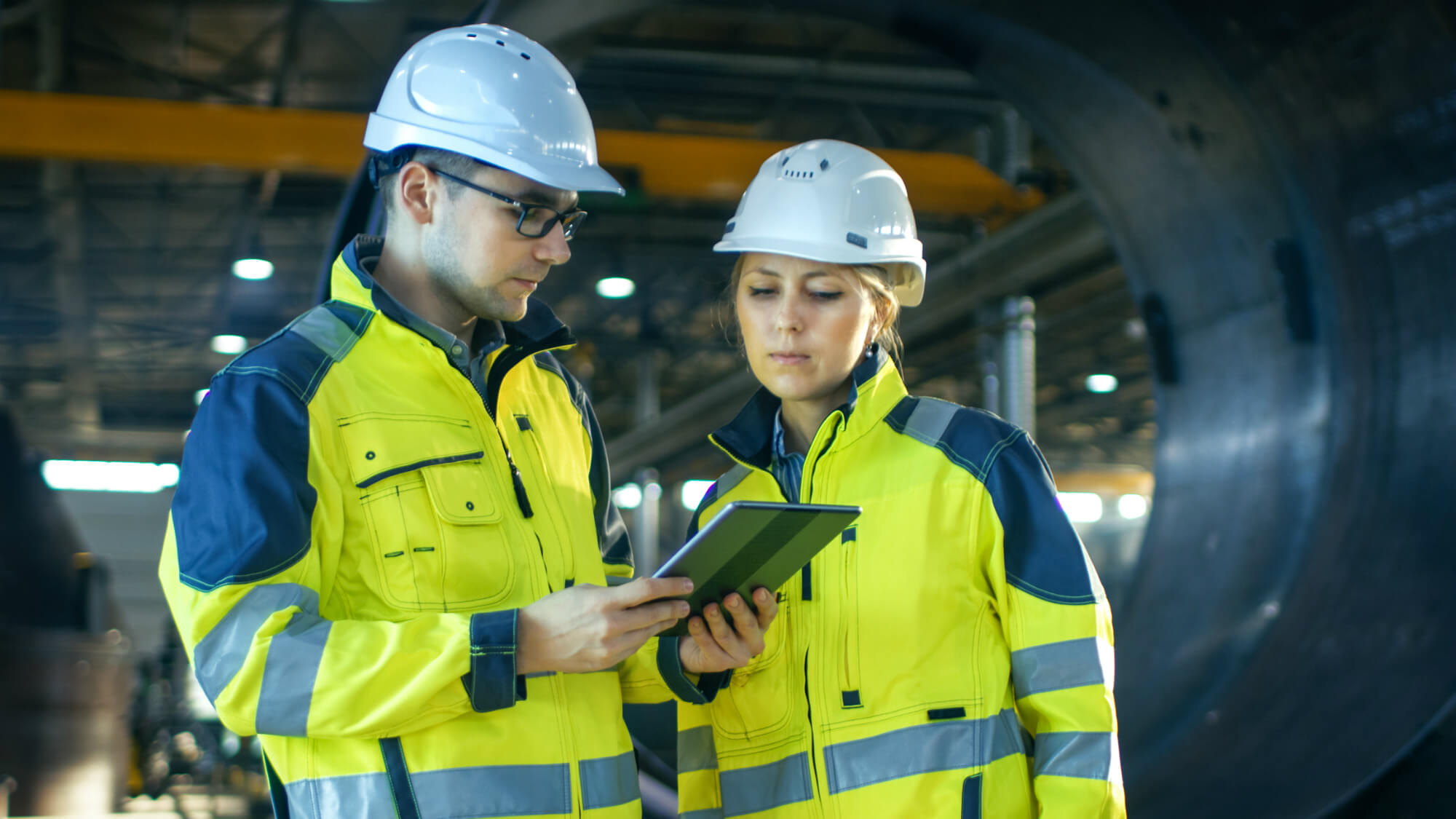

As robotics technology continues to advance and integrate into the workplace, there is an increasing need to examine whether existing laws adequately protect workers from the emerging hazards posed by robots. In the 21st century, robots are not just seen as futuristic machines but have become essential in many industries, from manufacturing to healthcare and logistics. However, with this increasing reliance on automation, several questions arise regarding worker safety, rights, and the responsibility of employers and regulators to safeguard human workers.
The idea of robots replacing human workers or causing harm in the workplace is not new, but it has gained significant attention as robots have become more sophisticated and autonomous. This article will explore whether current laws provide adequate protection for workers from robot hazards, considering aspects such as workplace safety, liability, and the ethical implications of robotics in labor.
The Rise of Robotics in the Workplace
Robotics technology has revolutionized industries by improving productivity, efficiency, and accuracy. Robots can perform repetitive tasks more effectively than humans, and they do not tire or need breaks, making them highly desirable in environments that require precision and constant output. They are now commonplace in sectors like manufacturing, logistics, healthcare, and even service industries. According to reports, the global market for industrial robots is projected to reach USD 25.5 billion by 2025, signaling an exponential increase in robot usage worldwide.
However, as robots become more integrated into workplaces, the hazards associated with them also increase. Workers face the risk of being injured by robotic machinery, especially in industries where humans work alongside robots in close proximity. Even though robots are designed to enhance productivity and reduce human error, the growing complexity and autonomy of these machines introduce new risks, such as unexpected malfunctions, programming errors, and even human-robot interaction failures.
Current Laws and Worker Safety

In most countries, laws governing workplace safety are designed to protect workers from hazards caused by equipment, machinery, and working conditions. For instance, the Occupational Safety and Health Administration (OSHA) in the United States sets strict guidelines regarding workplace safety and enforces regulations to ensure that employers provide a safe working environment. These laws require employers to implement safeguards to prevent accidents and injuries in environments where dangerous machinery is used.
However, the rapid pace of technological development in robotics has left a gap in many existing safety laws. While traditional safety regulations focus on preventing harm from human workers interacting with older machinery, they are often insufficient when it comes to robots. For example, OSHA guidelines for industrial robots, which were developed in the 1980s, have not kept up with the advancements in robotics technology. As a result, many existing regulations are not fully applicable to newer, more autonomous robotic systems.
Gaps in Regulation
One of the most significant gaps in current laws is the lack of specific regulations for robots that operate autonomously or in collaborative environments alongside human workers. The traditional safety guidelines for robots focus primarily on preventing physical injuries from robots that operate in isolation or through remote control. However, these regulations do not account for robots that use advanced sensors, artificial intelligence, or machine learning to interact with human workers in real time.
This leaves workers vulnerable to new kinds of hazards that were not previously considered. For example, collaborative robots, or cobots, are designed to work alongside humans in a shared workspace, often without physical barriers. While these robots are equipped with sensors and safety features to avoid collisions with humans, there is still a risk of injury if these systems fail or malfunction. Furthermore, as robots become more autonomous, there is the potential for unanticipated behavior, where the robot’s actions may not align with the intentions of the worker.
Another regulatory gap exists in relation to the issue of liability. When accidents involving robots occur, determining responsibility can be challenging. Who is at fault when a robot causes an injury? Is it the employer, the manufacturer of the robot, or the software developer who programmed it? Current laws are often not equipped to answer these questions, leaving workers without clear avenues for compensation or legal recourse.
The Role of Ethics and Morality in Robot Regulation
Beyond legal frameworks, ethical considerations play a crucial role in the protection of workers from robot hazards. While laws can set out specific guidelines for safety, ethics concern the broader implications of human-robot interaction and the potential for exploitation or harm.
A key ethical issue is whether it is morally acceptable to place human workers in close proximity to potentially dangerous robots, even if safety protocols are in place. There is also the question of whether robots should be allowed to replace human workers entirely, thus reducing the number of jobs available to people. While robots may improve efficiency, the loss of human jobs can create socio-economic issues, especially in industries that rely heavily on low-skilled labor.

Moreover, the responsibility for ensuring that robots are used ethically falls on both employers and developers. Employers must be aware of the potential risks robots pose to their employees, and they should implement safety measures beyond what is legally required. On the other hand, developers must design robots that prioritize human safety and ethical considerations, ensuring that their products are safe for human interaction and do not cause harm.
Innovations in Robot Safety: The Role of Technology
In response to the emerging safety concerns, robotic engineers and manufacturers are developing innovative solutions to reduce the risks associated with robots in the workplace. For example, robots are now being equipped with advanced sensors, machine vision, and artificial intelligence to improve their ability to interact safely with humans. These innovations allow robots to detect potential hazards, adjust their behavior in real-time, and prevent accidents from occurring.
Additionally, some companies are developing wearable devices for workers that can interact with robots and alert them to potential safety risks. These devices can monitor the environment for sudden changes or robotic movements, warning workers if they are in danger of being injured. Furthermore, automated shutdown systems are being integrated into robots to ensure that they stop operating if a human is in harm’s way.
While these technological solutions show promise, they also raise new concerns. For instance, there is the issue of data privacy. Many of these systems rely on collecting and analyzing data from workers, such as their movements, location, and even physiological responses. This raises questions about whether such data is being used responsibly and whether workers’ privacy rights are being respected.
The Future of Robot Safety Laws
As robotics technology continues to evolve, it is clear that current laws will need to adapt to address the growing challenges of robot safety. Governments and regulatory bodies around the world must take proactive steps to update safety standards and introduce new laws that specifically address the risks posed by robots in the workplace.
One potential solution is the development of international standards for robot safety. Many industries and organizations have already established safety standards for robots, but there is currently no universal set of regulations that govern robot use in all sectors. By developing consistent, global safety standards, lawmakers could ensure that robots are designed and used in a way that minimizes harm to workers.
Moreover, the growing influence of artificial intelligence and machine learning in robots requires the development of ethical guidelines that govern how robots should behave in human environments. These guidelines would ensure that robots are programmed to prioritize human safety and well-being, thus reducing the risk of harm.
Conclusion
As robots become more prevalent in the workplace, the need for updated laws and regulations to protect workers from potential hazards becomes more urgent. While current laws have made strides in ensuring worker safety, they are often outdated and insufficient in addressing the unique risks posed by advanced robots. To truly protect workers from robot hazards, regulatory bodies must close the gaps in current laws and take a more proactive approach to ensure that robots are designed, deployed, and used responsibly.
In the future, a combination of updated legal frameworks, technological innovations, and ethical guidelines will be necessary to create a safe and equitable environment for human workers in a world increasingly populated by robots. Only by addressing these issues can we ensure that the benefits of automation and robotics do not come at the expense of worker safety and well-being.