








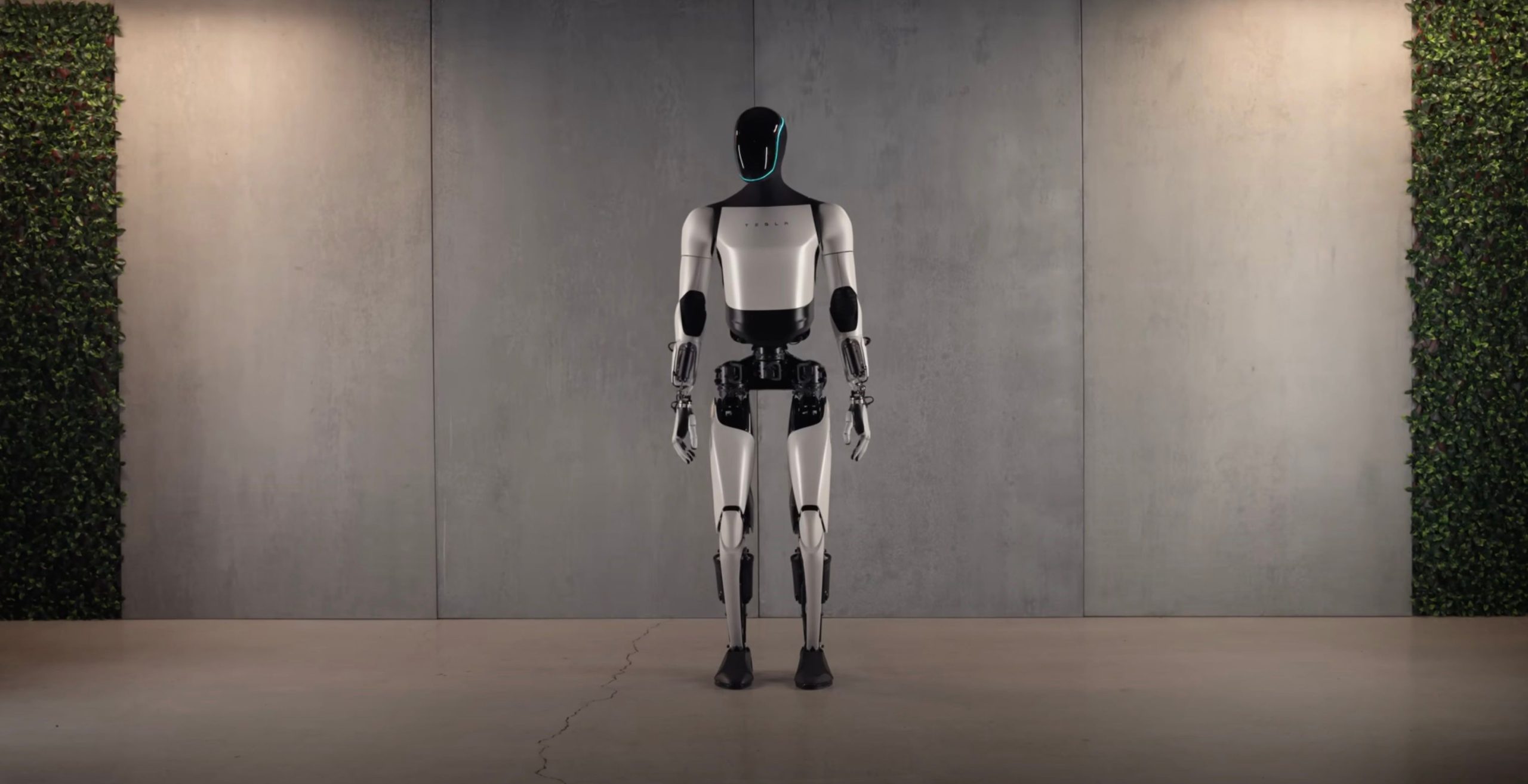

In the rapidly shifting frontier of automation and robotics, few innovations have captured as much imagination — and controversy — as Tesla’s Optimus humanoid robot. Promised as a transformative force in factories, warehouses, caregiving, and beyond, Optimus embodies Tesla CEO Elon Musk’s bold vision of a future where humanoid robots shoulder the dull, dirty, and dangerous tasks that humans would rather avoid. But beneath the hype lies a central and highly practical question for manufacturers worldwide: Is Optimus truly ready — or even suitable — for lean manufacturing environments? This exploration dives deep into the engineering, economics, human factors, industry fit, and realistic prospects of Optimus in lean production systems.
Humanoid Robotics Meets Lean Philosophy: A Clash of Goals
Lean manufacturing, the production philosophy pioneered by Toyota, revolves around eliminating waste, maximizing value, and continuously improving workflows to create more with fewer resources. Lean is built on efficiency, repeatability, predictability, fast cycle times, and tight integration between people, machines, and processes. It champions polished simplicity rather than sweeping technological complexity — so the idea of introducing advanced humanoid robots — a pinnacle of technical intricacy — into such environments might at first glance seem contradictory.
Historically, automation in lean settings has meant specialized robotic arms, conveyor systems, and fixture-based automation that perform extremely well-defined tasks with extraordinary precision and speed. These systems emphasize repeatability and reliability over general-purpose flexibility. A humanoid robot like Optimus, with its bipedal locomotion and humanlike structure, represents a different paradigm — one closer in vision to a generic “factory assistant” than a finely tuned assembly-line actuator.
The Optimus Promise: Flexibility, AI, and “General Purpose” Robotics
Tesla’s vision for Optimus is ambitious. The robot is designed to:
- Walk and balance dynamically in human-oriented spaces,
- Perceive its environment through cameras and sensors,
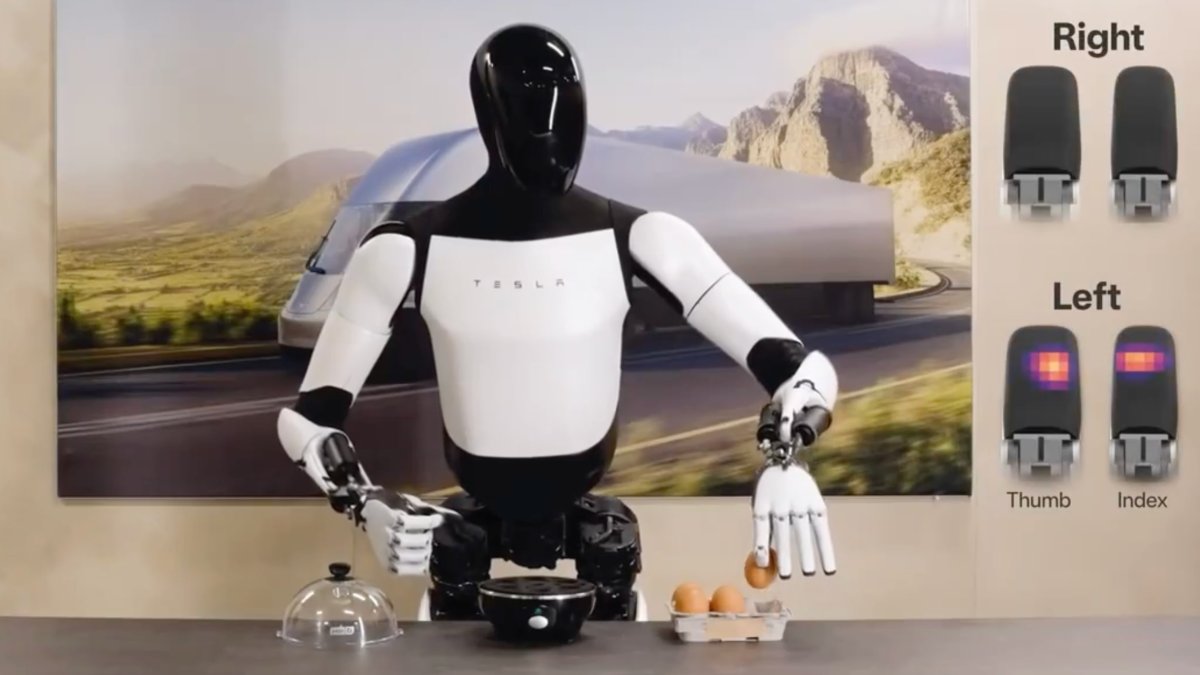
- Manipulate objects with dexterous hands,
- Understand and execute instructions via onboard AI,
- Potentially collaborate with humans in shared workspaces.
The appeal is clear: rather than deploying a fleet of task-specific machines, one universal robot could — in theory — handle many tasks across different stations with minimal reconfiguration. This could reduce overhead from task-to-task transitions, lessen downtime, and bring agility to production lines.
In lean terms, this general-purpose capability could reduce waste from tooling changes and complex programming, and even absorb variations that would otherwise stall specialized automation. The idea is almost poetic: a robot that walks like us, sees like us, and eventually works alongside us.
Hard Reality: Technical Challenges and Timelines
Despite the exciting vision, deployment realities raise significant questions — especially for lean manufacturing where performance metrics must be precise and predictable:
1. Technical Maturity and Industrial Readiness
Tesla’s own timelines for Optimus have shifted repeatedly. Elon Musk has projected deployment in Tesla factories, with low-volume internal use targeted as early as 2025 and broader production by 2026. These goals have been pushed back before, and slow incremental progress means production readiness is still in flux.
2. Core Robotics Challenges
Humanoid robots inherently face greater complexity than fixed robotic arms due to balance, locomotion, manipulation, and perception requirements. These factors complicate their ability to perform reliable, rapid, repetitive tasks with the consistency lean manufacturing demands. Industry experts have highlighted that humanoid form factors might be suboptimal for tasks where speed and simplicity drive value.
3. Specialized vs. Generalized Automation
Non-humanoid robots usually outperform humanoid robots on specific repetitive tasks. For example, fixed robotic arms or wheeled automation can execute hundreds of cycles per minute with minimal maintenance. In contrast, optimistic projections for humanoids — balancing on two legs and walking between stations — must first overcome a huge gap in efficiency and task-specific reliability essential for lean operations.
4. AI and Environmental Perception
While Optimus leverages advanced neural networks for perception and AI decision-making, everyday factory environments present enormous variation — from moving parts to obstacle-rich spaces that researchers still find challenging for robots to navigate fluidly and safely without human oversight.
All these factors suggest that — as of now — Optimus still faces steep hurdles before it can seamlessly integrate into lean production lines.
Lean Manufacturing Criteria vs. Optimus Capabilities
Let’s investigate how Optimus measures against typical lean criteria:
Cycle Time Control
In lean, cycle time is king. Task turnaround must be predictable. A humanoid robot, with inherent balance recovery, perception loops, and task interpretation overhead, can struggle to match specialized robots built for one motion. Current Optimus demonstrations show proficiency in simple actions but not high-speed industrial cycles.
Waste Reduction
Lean targets elimination of all forms of waste: motion, waiting, defects, inventory, overprocessing. A versatile robot that can switch tasks seamlessly could reduce overprocessing and waiting. However, if it introduces waste through inconsistent performance or maintenance needs, the overall lean benefit is diluted.
Standard Work
Lean work is standardized and documented. Integrating a learning-capable robot into such workflows introduces variability — both a potential asset for adaptation and a liability if performance fluctuates. Until Optimus exhibits ultra-high repeatability, it remains more of an experimental tool than a lean staple.
Just-In-Time (JIT)
Factories relying on lean JIT production cycles require tools that are always ready, always efficient. Current Optimus readiness remains uncertain, and the learning curves or troubleshooting cycles behind the scenes could delay production rather than support JIT’s tight cadence.

Where Optimus Might Fit Today
That said, Optimus does bring strengths that make it potentially valuable in some lean-adjacent or lean-inspired scenarios:
Flexible Workforce Augmentation
In processes with high variability — such as prototyping, small batch work, or intermittent tasks — Optimus’s adaptability could shine where rigid automation flounders. Lean emphasizes value to the customer, and robots that fill gaps without expensive tooling can support that goal.
Assistance in Unstructured Environments
Some lean plants are extending beyond structured lines into more dynamic cells or robotic cells. Here, visual perception and flexible manipulation could augment human workers in assembly support or quality inspection tasks that traditional robots find difficult.
Human-Robot Collaboration
Optimus could play a role where human intelligence and robot strength merge: lifting heavy parts while a human handles nuanced assembly, or performing inspection routines guided by human operators. These collaborative scenarios, while not fully realizing lean ideals, enhance safety and productivity.
Pragmatic Path Forward: Synergy Over Replacement
A realistic strategy for integrating Optimus into lean manufacturing isn’t about replacement of existing systems — it’s about synergy:
Hybrid Cells:
Combining fixed automation for repeated tasks with Optimus assisting in tasks requiring mobility and flexibility.
Incremental Deployment:
Using Optimus first in low-risk environments to validate performance, then scaling up gradually rather than flipping an entire production line.
Human Oversight Models:
Rather than fully autonomous operation, robots can operate under human supervision, especially in complex or unpredictable conditions.
Sensor and Software Improvements:
Ongoing AI and perception development could eventually enable Optimus to interpret, adapt, and act more fluidly, closing the gap with specialized robots.
In this approach, Optimus doesn’t promise to be a lean magic bullet — but it could complement lean structures by addressing robotic limitations where traditional automation hits diminishing returns.
Looking Ahead: Realistic Expectations in Manufacturing
Humanlike robots like Optimus carry enormous potential. They could transform how humans and machines work side by side, adapt to changing lines and tasks, and alleviate labor shortages. But lean manufacturing environments, built on uncompromising metrics of cycle time, reliability, and low waste, pose a stern test.
At present, industry observers — including former Tesla robotics leaders — argue that humanoid robots are not yet ideal for most factory floor roles due to inefficiencies compared with specialized solutions.
The consensus among many robotics and production experts is not that Optimus is impossible to integrate — but that it is likely several iterations away from being a seamless fit for lean manufacturing’s core demands. Lean systems value perfect cycles executed without variance — a bar that current-generation humanoids do not consistently clear.
However, Optimus could serve as a bridge between rigid automation and flexible human work, particularly in hybrid cells, unstructured tasks, and evolving smart factories. In this capacity, it may enhance lean principles by enabling adaptability where rigid automation cannot.